





 Portuguese
  English
  Spanish
  3 min of reading
  0 comments


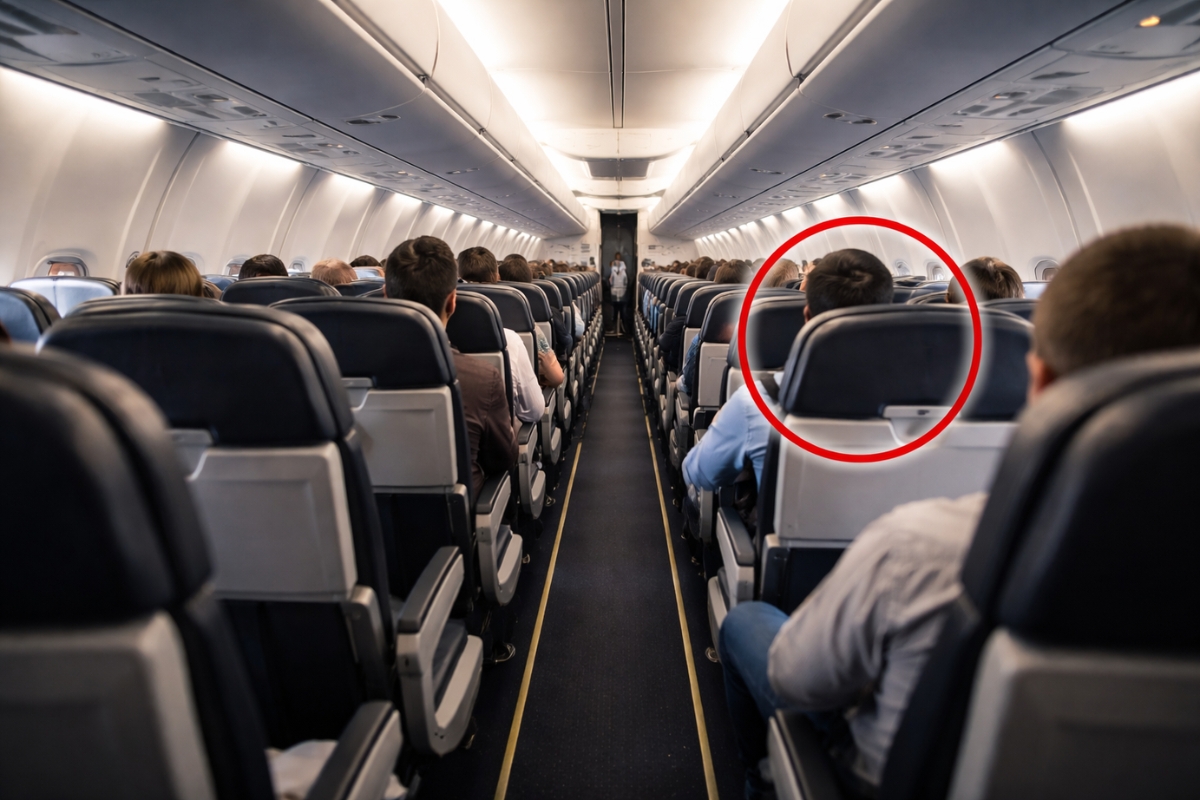
Understand Why the Back of the Aircraft Tends to Show Higher Survival Rates and What Factors Matter When Sitting
The question of which seat is the safest on the plane arises whenever someone needs to travel. The choice of seat can make a difference in emergency situations.
Accident analyses indicate a clear trend: passengers in the back tend to have higher chances of surviving than those traveling in the front.
What Happened and Why It Gained Attention
Research and statistical surveys began to compare seat positions with outcomes in air crashes. The goal is to understand if there is a consistent survival pattern.
-
New German Zeiss lenses arrive in Brazil promising to reduce mental effort by up to 90% and revolutionize the way we see amidst the excess of screens.

-
Scientific study identifies unique blood patterns that reveal the secret of individuals who surpass 100 years of age.

-
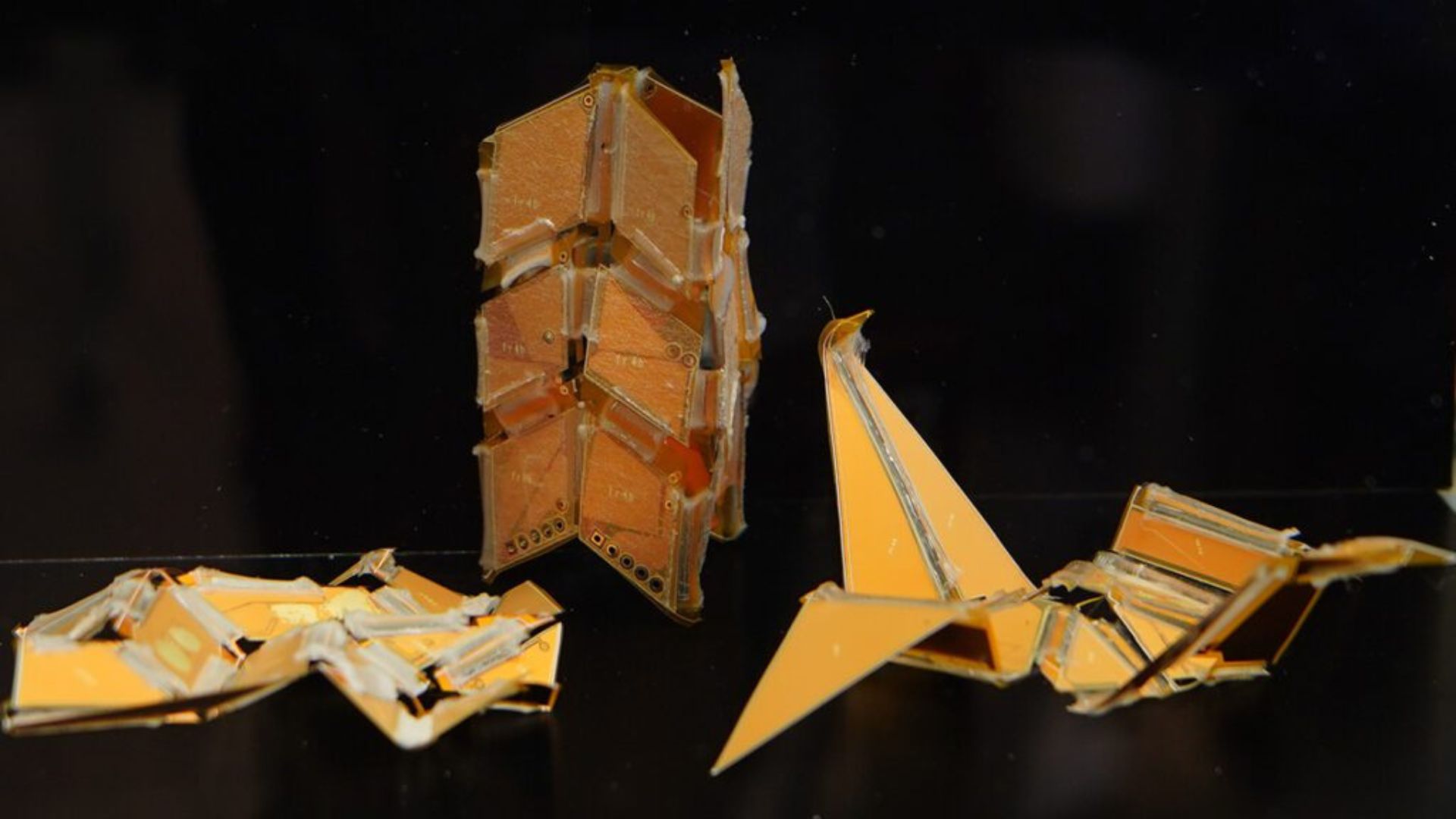
Princeton engineers create a flexible 3D-printed robot that eliminates motors and uses heat to perform complex movements.
-
Security alert: The proliferation of fake QR codes in public places facilitates financial scams and personal data theft.

A frequently cited report comes from an analysis by Popular Mechanics, which evaluated incidents in the United States between 1971 and 2007.
In this analysis, the back showed 40% higher chances of survival, although the results may vary depending on the type of incident.
What Changes in Practice for Those Who Are Traveling
The main consequence is simple: those seeking an extra criterion of peace of mind often look towards the back third of the aircraft.
This doesn’t make any seat an absolute guarantee, but it helps reduce the uncertainty for those who prefer to have a parameter when choosing.
In practice, the decision also involves comfort, the need for quick disembarkation, and personal preference, as well as availability at the time of purchase.
Why the Back May Offer Advantages in Impacts
In collisions, the front tends to absorb part of the initial impact. This can lead to areas further back being relatively less exposed in some situations.
Another important variable is evacuation. When the exit is close and the flow is quick, reaction time tends to improve.
The proximity to emergency exits is a relevant factor, as exiting quickly can be decisive when there is smoke, fire, or the need to abandon the cabin.
Which Seat Has the Lowest Mortality in Some Analyses
Besides the back third, some results highlight the seats in the middle section at the back as those that, in certain scenarios, record the lowest mortality rates.
Even so, the probabilities are not fixed. The type of accident, the dynamics of the impact, and the conditions inside the cabin alter the outcome.
Paying attention to the crew’s instructions and understanding safety rules remain central to protection during the flight.
Points of Attention and Common Questions
Aviation continues to be one of the safest means of transportation, supported by technology and strict protocols. This reduces the chances of passengers facing a critical scenario.
Still, understanding the logic behind seat selection helps make decisions with more clarity. In emergencies, details such as evacuation and individual preparedness can weigh heavily.
It’s important to maintain a practical approach: observing instructions, locating exits, and acting calmly tend to increase the chances of an effective response when something goes awry.
The indication of greater safety in the back third can guide those seeking an objective criterion when traveling. Even without absolute certainties, the information helps choose with more peace of mind.
In the end, the seat is just one part of the scenario. Preparation, attention, and behavior during the journey remain decisive factors for navigating any situation with greater safety.




Seja o primeiro a reagir!