





 Portuguese
  English
  Spanish
  3 min of reading
  0 comments


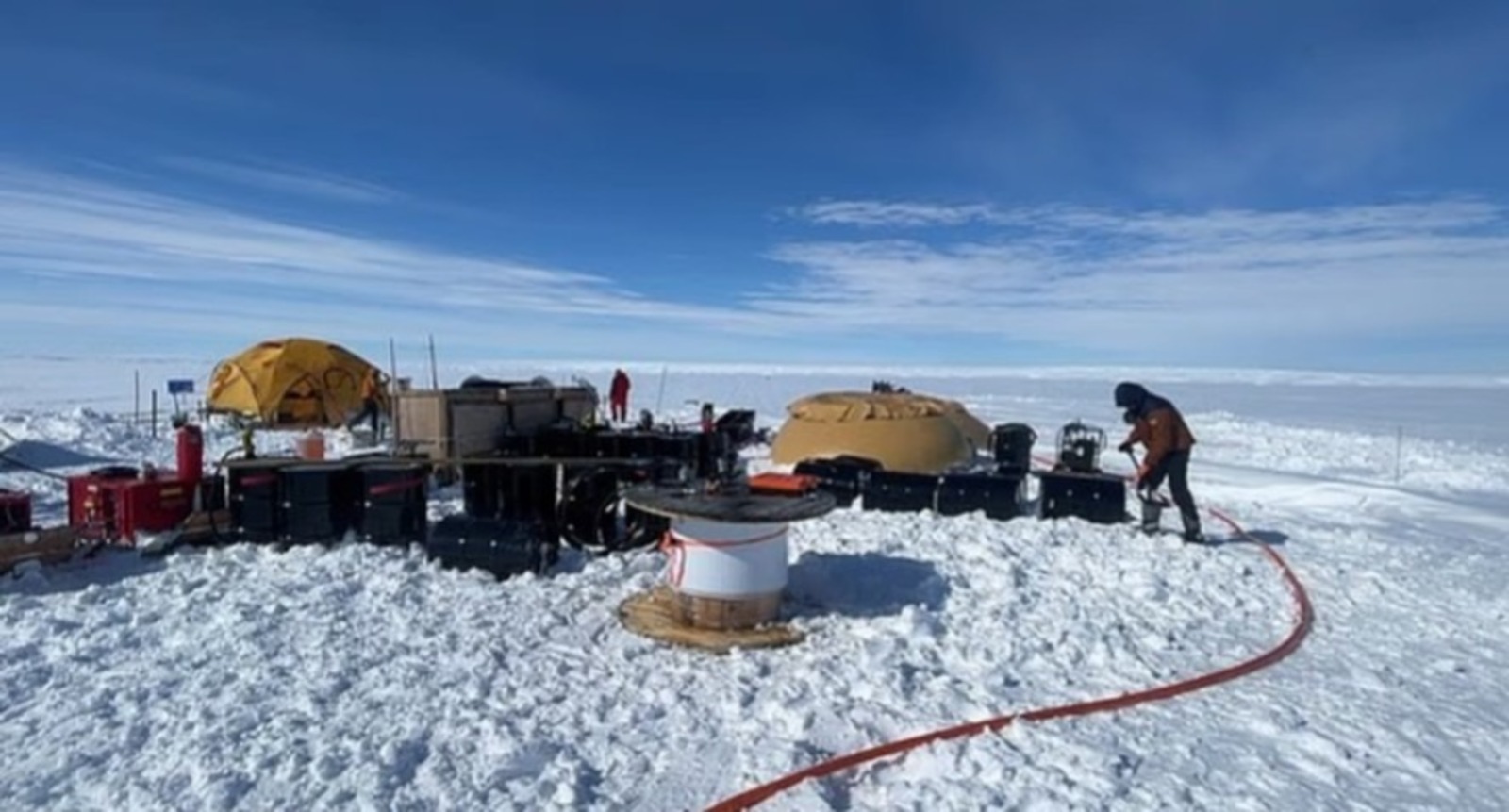
International Expedition Drills Into the Thwaites Glacier to Reveal How the Ocean Accelerates Its Collapse and Threatens Coastlines Worldwide and Entire Coastal Populations
For the next few days, scientists are about to drill into one of the most fragile, inaccessible, and least understood regions of West Antarctica. The target is the Thwaites Glacier, one of the largest and most unstable on the planet, covering an area similar to that of Great Britain and considered a key piece of the global climate balance.
Known as the “Doomsday Glacier,” it raises concerns due to the potential impact of its collapse on sea level.
Research indicates that, should Thwaites collapse on its own, global sea level could rise by about 65 centimeters, enough to submerge entire coastal communities.
-
HONOR X80i arrives with a massive 7,000 mAh battery, a 120 Hz AMOLED display with a brightness of 6,500 nits, and the new Dimensity 6500 Elite chip, promising up to 22 hours of video playback and impressive performance in casual gaming.

-
Xiaomi TV Stick HD 2 is announced with Google TV and dual-band Wi-Fi, offering 38% superior performance, HDR10+, Dolby Atmos, a quad-core chip, Mali-G31 GPU, 1 GB RAM, and support for 1080p at 60 Hz.

-
Brazil joins the select group of countries by producing a supersonic fighter that reaches 2,400 km/h with advanced electronic warfare technology, US$ 4 billion in investments, 36 units planned, 350 trained engineers, and unprecedented national production by 2032.

-
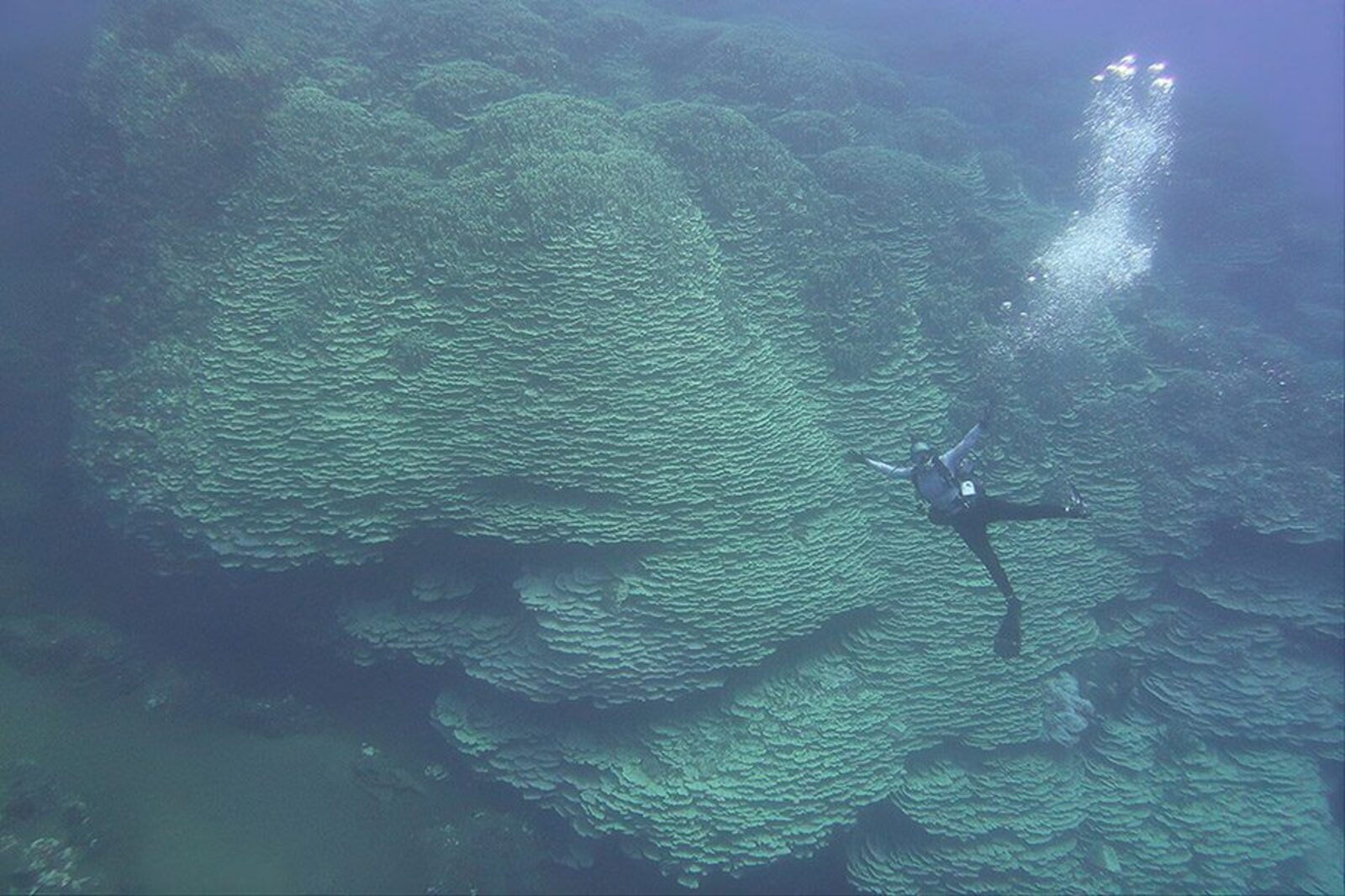
At the bottom of the sea, scientists have found a true underwater cathedral measuring 62 meters at the base, 31 meters at the top, and 1,347 square meters of giant coral in the Maug Islands, estimated to be 2,050 years old.

The risk is amplified by the containment role the glacier plays. Its rupture could accelerate the melting of the entire West Antarctic Ice Sheet, raising sea levels by one to two meters, or more.
A Silent Threat Beneath the Ice
Despite its significance, little is still known about the oceanic processes that cause the melting of the glacier.
To advance this understanding, researchers from the British Antarctic Survey (BAS) have launched an unprecedented mission.
The strategy involves the use of hot water to drill up to one thousand meters of ice near the grounding line, the point where the glacier is no longer supported by the ground and begins to float on the ocean.
“This is one of the most important and unstable glaciers on the planet, and we can finally see what’s happening where it matters most,” said physical oceanographer Peter Davis from BAS.
According to him, the drilling will allow for near real-time observation of how the warm ocean water interacts with the ice at great depths.
The Long Journey to Thwaites
The expedition, which also includes the Korean Polar Research Institute (KOPRI), departed from New Zealand aboard the RV Araon ship and took three weeks to reach the Thwaites region.
Before any movement over the ice, a remotely operated vehicle was sent to map hidden crevices. Only after that was a safe point chosen.
Equipment was then transported by helicopter in more than 40 trips over 29 kilometers. “This is polar science at its extreme,” said Won Sang Lee, the leader of the expedition for KOPRI.
“Getting here has already been a challenge without guarantees, and being ready to install these instruments is a testament to the experience of the teams involved.”
Drilling in Extreme Conditions
The scientists have only two weeks to complete the drilling and install the instruments. The technique developed by BAS uses water heated to around 90 °C, pumped under high pressure, to open a hole approximately 30 centimeters wide.
The conditions are so severe that the hole refreezes within one or two days, requiring new drilling.
In addition to measuring temperature and ocean currents beneath the ice shelf, the team will collect samples of sediments and water.
These data will help understand the past and present behavior of the glacier and how it may respond to ocean changes.
Data That Could Change Predictions
“For the first time, we will receive daily data from beneath the ice shelf, near the grounding line,” Davis explained from BAS. “This is crucial for estimating how quickly sea levels may rise.”
Although it involves significant risks, the mission is seen as pivotal for improving climate forecasts and providing more time for planning.
Scientists emphasize that millions of people live in areas that depend on the stability of Thwaites.
The expedition represents another step in decades of scientific efforts to understand the dynamics of the large glaciers of West Antarctica, a region that has attracted attention for its sensitivity to oceanic and atmospheric changes for years.
With information from O Globo.





Seja o primeiro a reagir!