





 Portuguese
  English
  Spanish
  4 min of reading
  0 comments


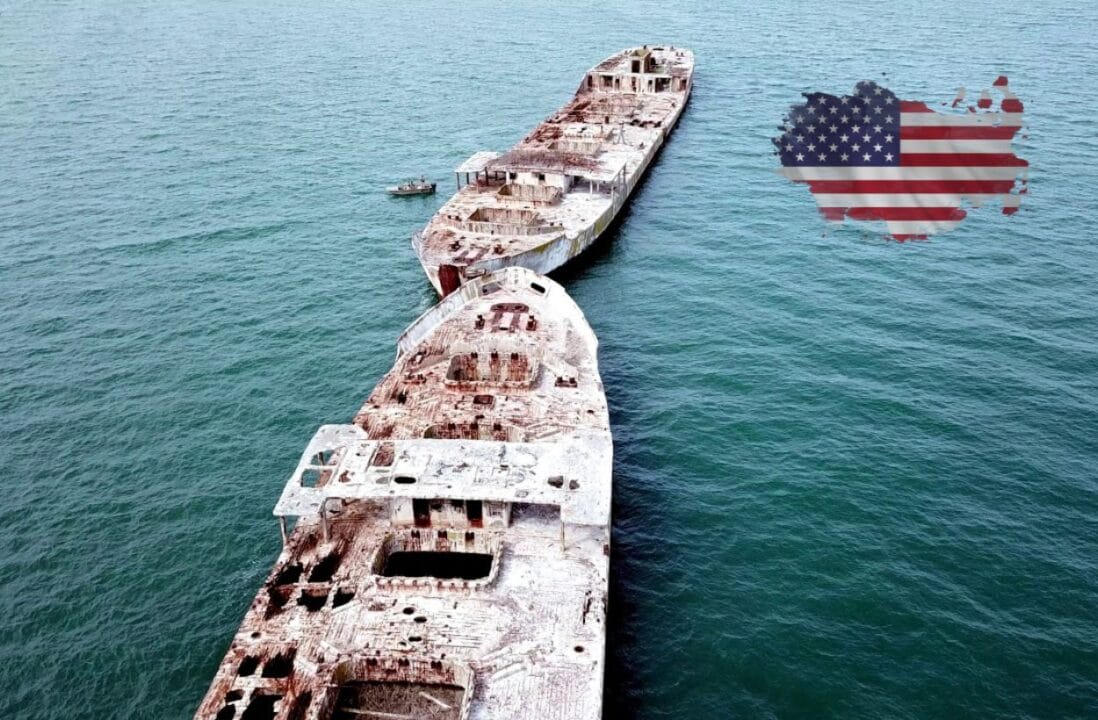
The Union Between Civil And Naval Engineering, The U.S. Navy Led An Innovation In Times Of Conflict By Building Concrete Ships, Demonstrating The Applicability And Resistance Of This Material In Floating Structures, And Perpetuating The Legacy Of Ancient Principles In Modern Naval Construction.
In the 20th century, the U.S. Navy distinguished itself by building concrete ships, representing a unique union between civil and naval engineering. Inspired by Archimedes’ principle, which claimed the possibility of heavy bodies floating, these ships were innovative ideas during periods of resource scarcity such as steel, particularly in times of conflict.
The conception of concrete ships began in the 1840s with José Luiz Lambo, a French inventor who created reinforced concrete. This material was used for the first time in a boat during Lambo’s experiment in 1848, demonstrating the viability of concrete in shipbuilding.
Construction Of 24 Concrete Ships By The U.S. Navy


The need heightened by World War I led to the construction of 24 concrete ships by the U.S. Navy, under the administration of President Woodrow Wilson. Although they were not completed in time for the conflict, these ships marked a turning point in the use of alternative materials in shipbuilding.
-
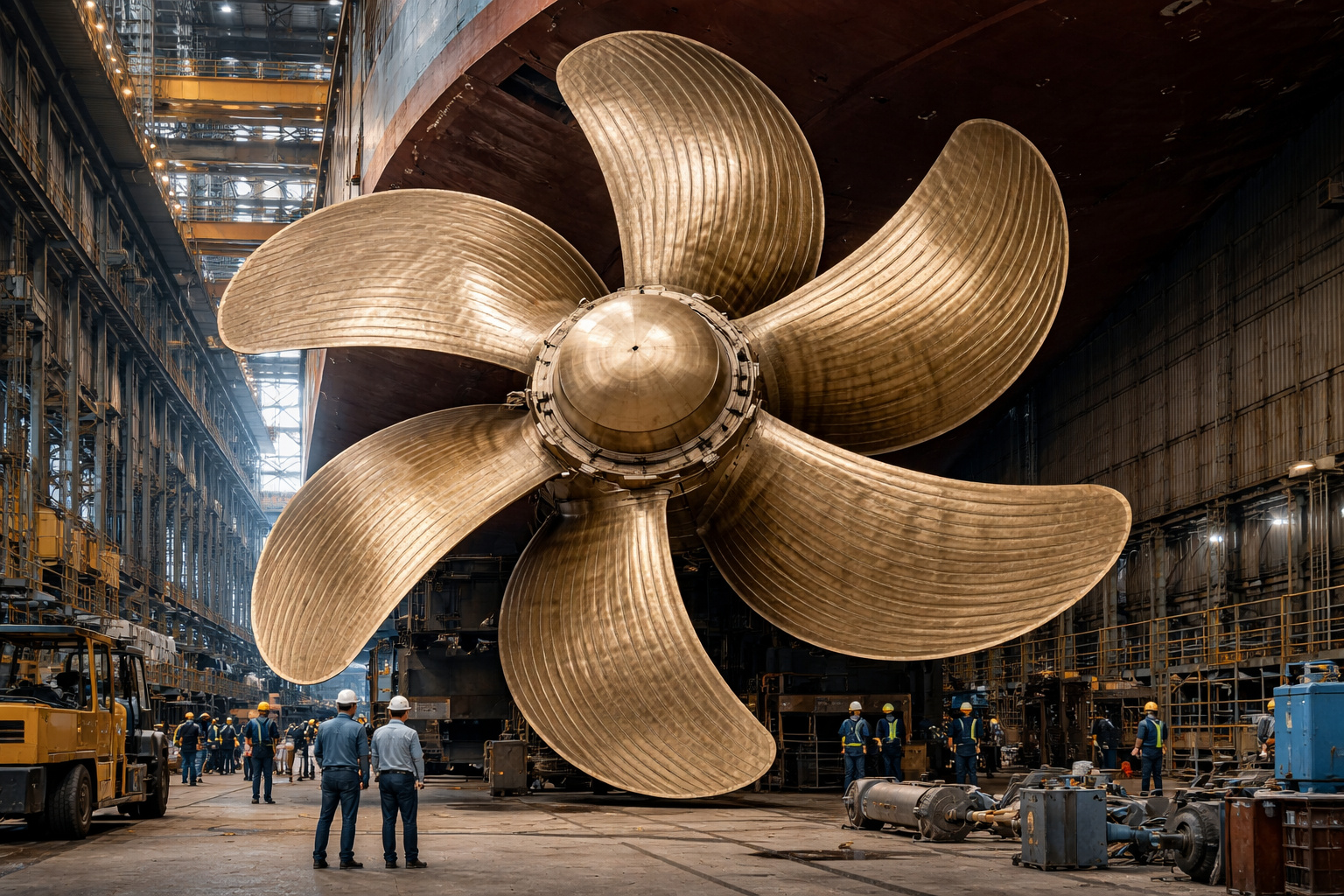
How a 131-ton, 11-meter propeller supports 90% of global trade and transforms the largest container ships on the planet.
-
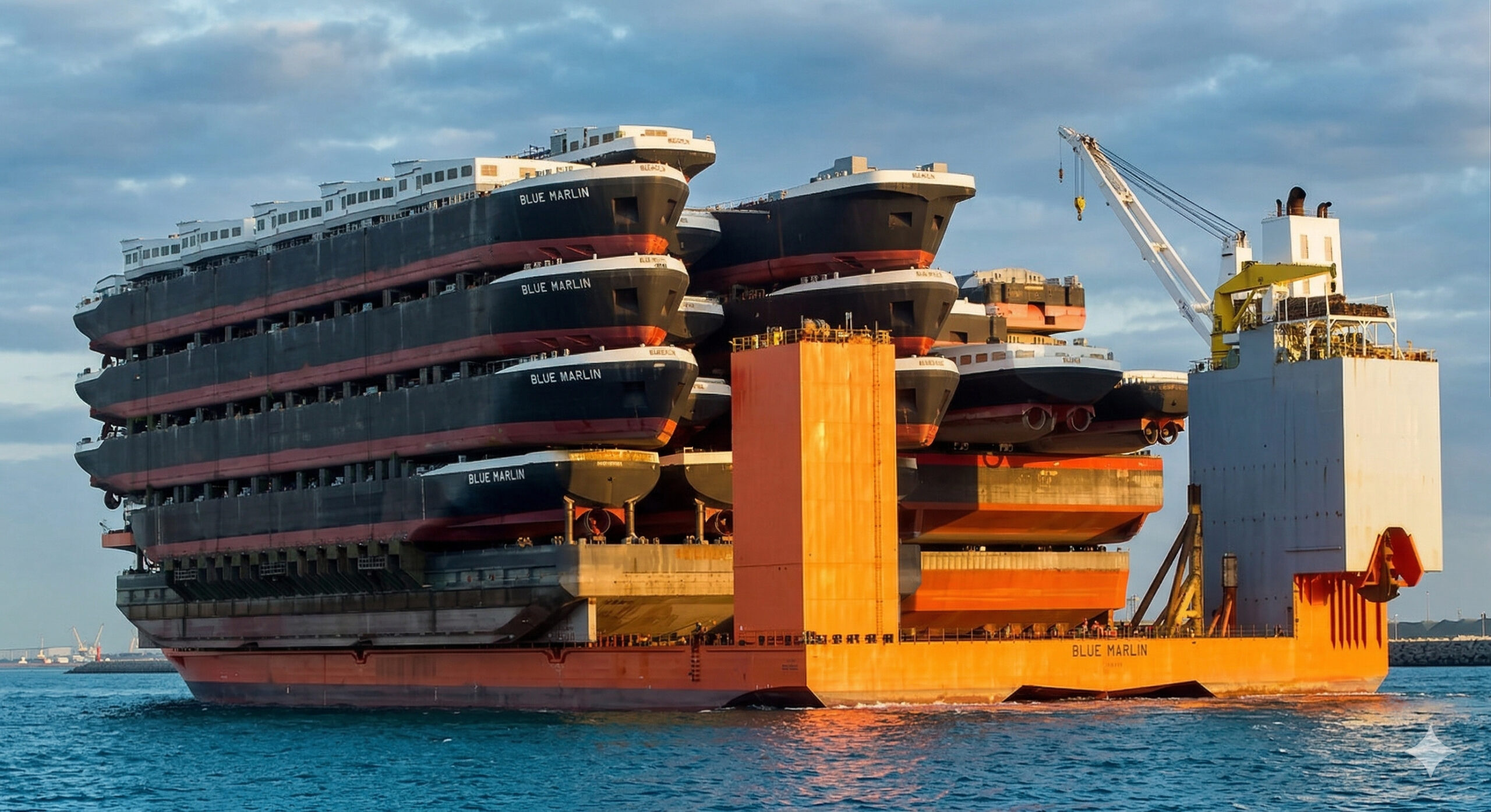
With a length of 225 meters and a capacity of 76 thousand tons, this ship “sinks” its own deck down to 28 meters deep to accommodate war destroyers, oil platforms, and giant radars floating above, and then emerges with everything intact on top like a colossal tray crossing oceans.
-
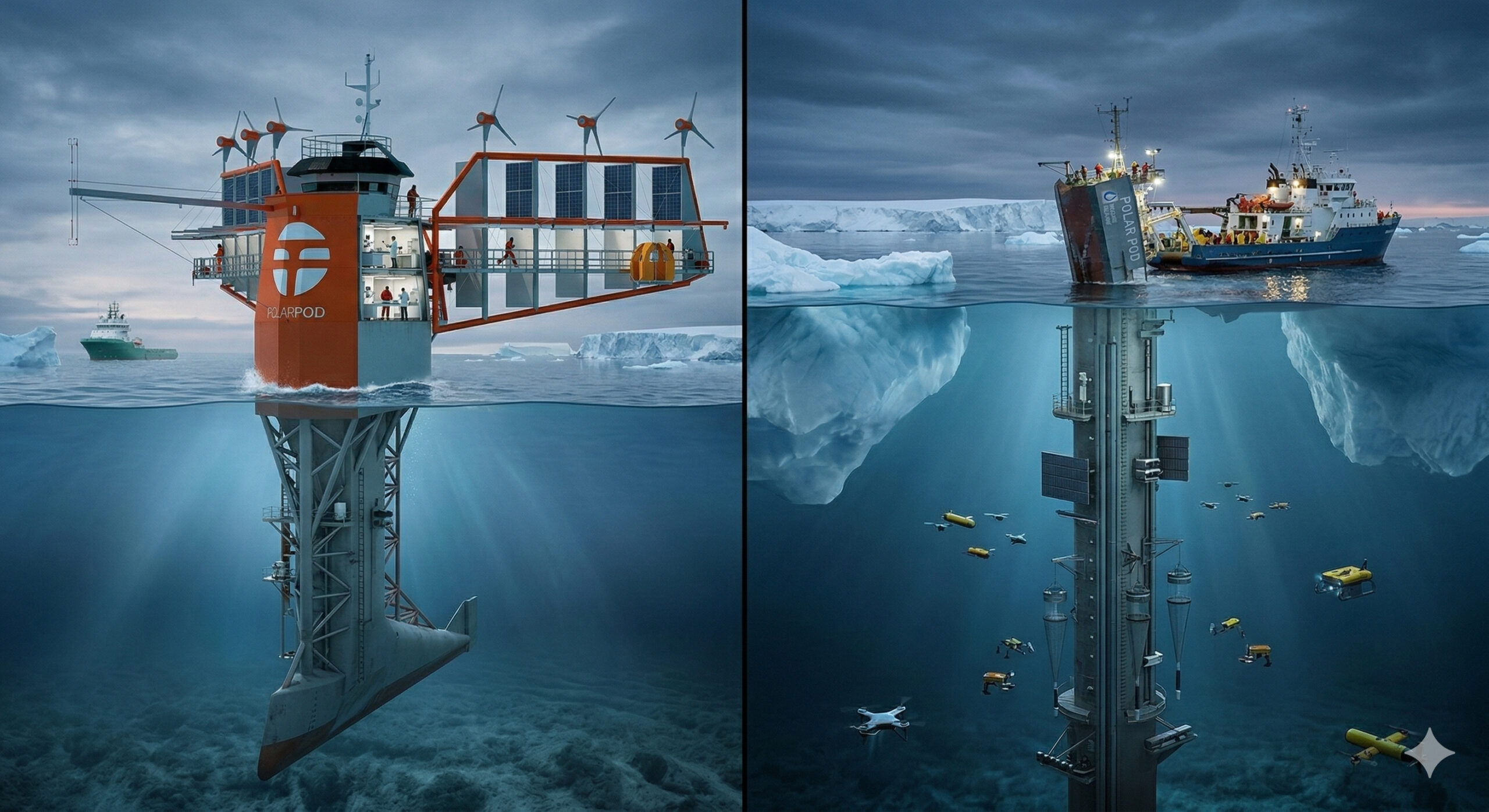
A 100-meter platform without a motor, without a keel, and operating upside down rotates 90 degrees in the ocean, sinks 75 meters, and drifts around Antarctica for two years driven by the planet’s most powerful current to study the largest carbon sink on Earth, still poorly understood by science for accurate climate modeling.
-
With a length of 108 meters and a giant spoon shape, the FLIP was the only ship in the world capable of rotating 90 degrees in the ocean and remaining vertical, with 91 meters submerged, operating for 60 years until it was retired and sent to the scrapyard in 2023.

The ships, ranging from 2,500 to 7,500 tons, not only represented an engineering feat but also a strategic effort to overcome the limitations of traditional materials like steel. Concrete vessels continued to be an essential part of the U.S. Navy’s infrastructure, with new models being constructed during World War II. These ships were lighter and more robust, thanks to advancements in concrete technology.
The use of concrete in shipbuilding, validated by science and practical need, illustrates the capacity for innovation and adaptation in challenging times. The concrete ships of the U.S. Navy are enduring testimonies of the collaboration between civil and naval engineering, highlighting the importance of innovation and efficiency in military history and shipbuilding.
But Today, How Is Shipbuilding? Naval Engineering In Evolution
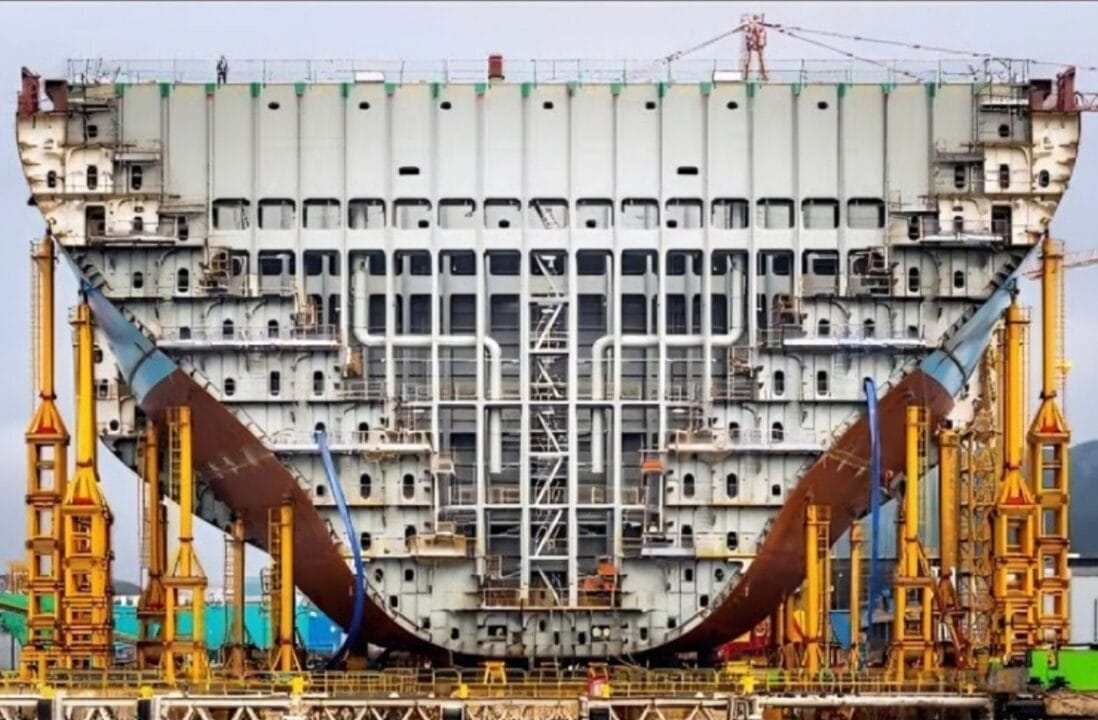
The structure of a ship is meticulously designed to fulfill its specific purpose, whether for commercial transport, fishing, leisure, or military missions. The diversity in ship categories, such as bulk carriers, container ships, and Ro-Ro (Roll-on/Roll-off), reflects the variety of loads and functions these vessels perform. Elements like the hull shape, compartment layout, and propulsion system efficiency are optimized to meet the demands of load, route, and operation of the ship.
Container ships, for instance, are emblematic of logistical modernization, designed with extensive openings on the deck to optimize container movement, and equipped with cranes to facilitate loading and unloading. These ships, evolved since the 1950s, are pillars in global maritime transport, driving international trade.
Naval Engineering
Shipbuilding is a feat of naval engineering that involves several stages and specialties. The modern methodology favors modular construction, where significant parts of the ship are pre-fabricated in modules and then assembled. This modular method not only accelerates the construction process but also promotes economic efficiency and superior quality. The ship’s hull serves as the backbone of the structure, supporting everything from tanks and cargo holds to living and command areas.
In a shipyard, the integration of various specialists such as welders, electricians, and painters requires precise coordination and adherence to safety and occupational health standards. Each stage, from cutting steel to final assembly and finishing, is crucial for the vessel’s viability and durability. Thus, shipbuilding is a dynamic process that reflects technological advancement and the adaptability of naval engineering.
The Largest Naval Projects Of The U.S. Navy
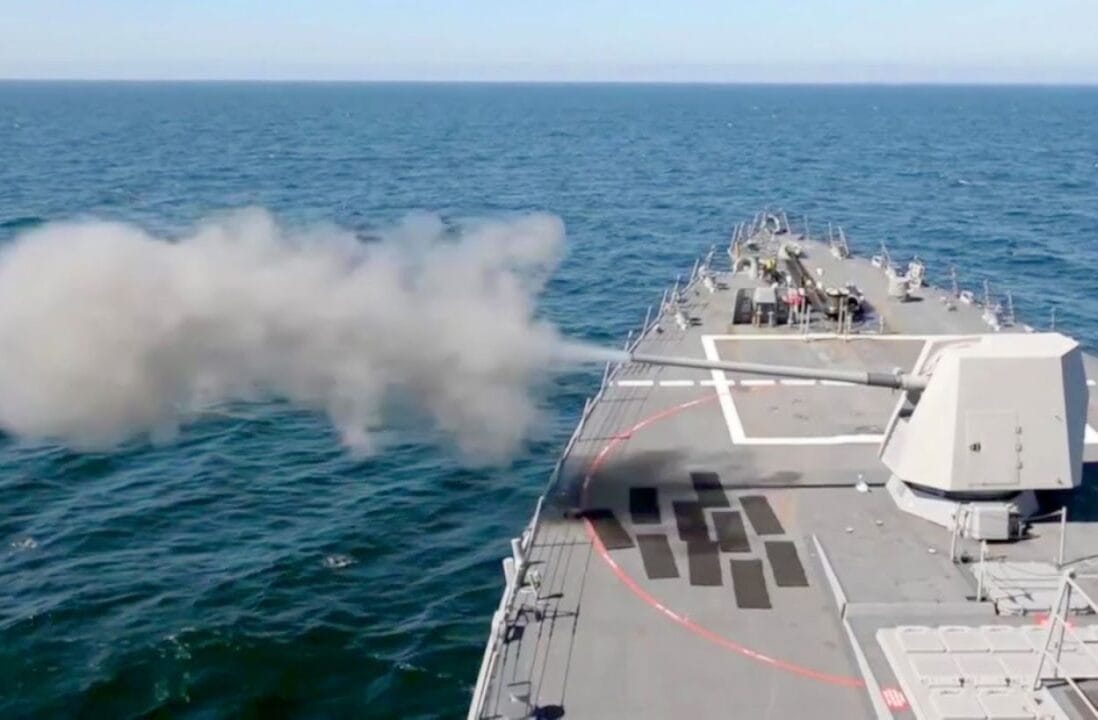
The United States Navy, recognized for its magnitude and strength, drives ambitious naval projects, sustaining its position as the dominant global naval force. With the largest collection of aircraft carriers, the U.S. Navy leads in air projection capacity and maritime power. In addition to aircraft carriers, the fleet includes an extensive range of combat ships and submarines, complemented by air operations, reaffirming its reach and influence in international waters.
One of the most significant ventures is the trilateral partnership for the SSN-AUKUS submarines, involving the United States, the United Kingdom, and Australia. This project anticipates the construction of next-generation nuclear-powered submarines, highlighting technological advancement and strategic cooperation among nations. The goal is to strengthen naval and security capacities, with the first submarines expected to be delivered by 2030, marking a new chapter in underwater defense.
The U.S. Navy is also advancing with its fleet of Arleigh Burke-class destroyers, considered one of the pillars of its defensive capability. In parallel, there are plans for expansion and modernization, including the integration of innovative Zumwalt-class ships and the development of the Constellation class of frigates. These projects reflect a continued commitment to technological innovation and maintaining naval superiority. Did you know that a U.S. Navy aircraft carrier was sold for less than ONE REAL? Read the full article.










Seja o primeiro a reagir!