





 Portuguese
  English
  Spanish
  4 min of reading
  0 comments


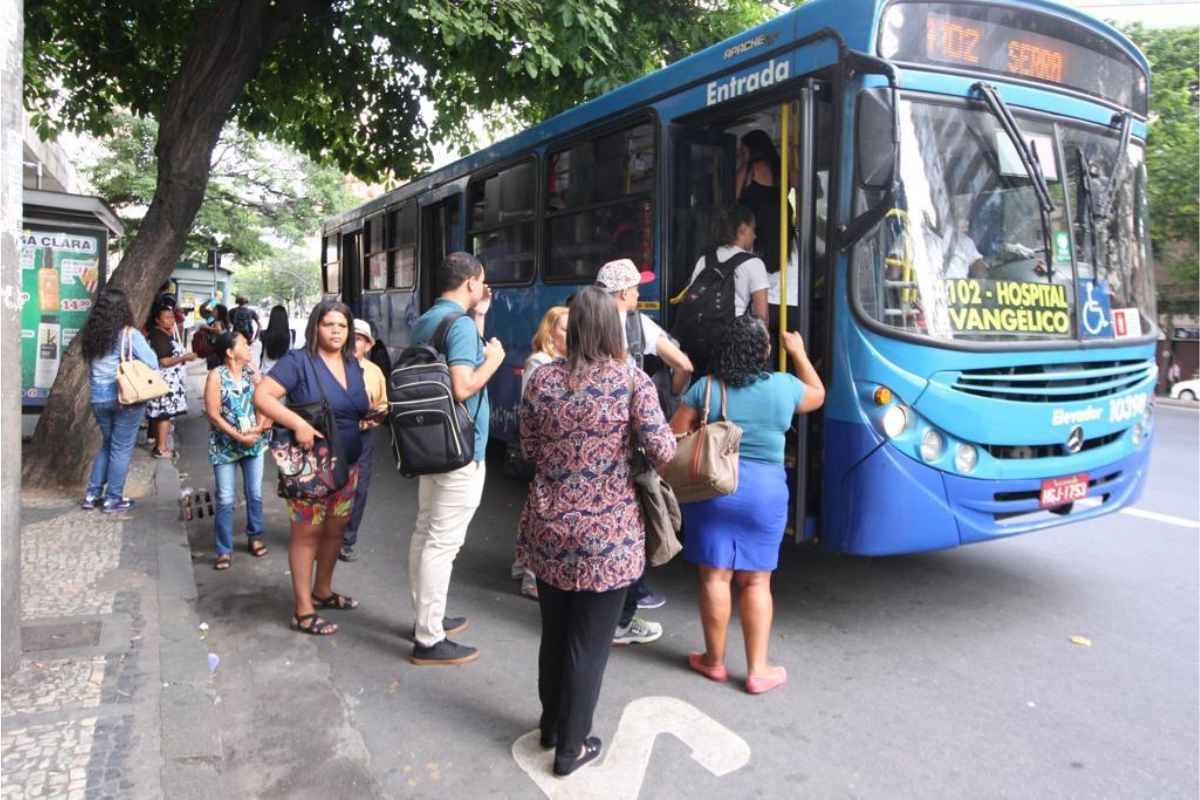
Adjustments on 01/01/2026 and in the First Days of January Raise Transportation Costs in Cities Like São Paulo, Rio de Janeiro, Belo Horizonte, Florianópolis, and Fortaleza.
The year 2026 began with higher public transportation fares in at least five Brazilian capitals. The adjustment affects buses, subways, and urban trains, with new charges valid at the end of December or already in this early January.
The change directly impacts those who rely on public transportation to work, study, and commute daily. In some cases, the price update goes into effect on January 1, while in other cities it starts from January 4 or January 6, 2026.
What Happened and Why It Caught Attention
The adjustments were confirmed in São Paulo, Rio de Janeiro, Belo Horizonte, Florianópolis, and Fortaleza. Common to all cities, they now charge more than in 2025 for public transportation usage.
-
The institute that trained the greatest aerospace engineers in Brazil has just opened its first campus outside São Paulo after 75 years: ITA Ceará will have R$ 445 million, new courses in energy and systems, and classes are expected to start in 2027.

-
Luciano Hang, owner of Havan, goes to Juiz de Fora after the tragedy in February, brings R$ 1 million, hands out R$ 2,000 cards, and donates up to R$ 15,000 to victims in the region.

-
The Brazilian passport allows legal residence in dozens of countries without the need for a prior visa, and most Brazilians are unaware that they can apply for residency directly upon arriving in nations in South America, Africa, and even Europe.

-
Petrobras sends a message to Brazilian truck drivers after fuel collapse and reveals plan to have 100% domestic diesel.


The main consequence is the increase in monthly expenses, especially for those making multiple trips per day. The impact is felt right at the beginning of the year, a time when many families are already dealing with typical January bills.
What Changes in Practice for Those Who Use Buses in São Paulo
The bus fare in the city of São Paulo increases by R$ 0.30, rising from R$ 5.00 to R$ 5.30. The new price will take effect on January 6, 2026.
For those who use buses daily, the difference quickly adds up over the month. Those who rely on transfers and frequent commutes feel the impact more strongly.
The change occurs alongside adjustments in rail transportation in the Metropolitan Region, which further amplifies the impact for those combining modes of transport.
Subway and Train Fares Also Increase in the Metropolitan Region of São Paulo
<p.On the same January 6, 2026, the basic fare of the metro-rail system in the Metropolitan Region of São Paulo is adjusted from R$ 5.20 to R$ 5.40.
The increase applies to the subway, CPTM trains, and ViaMobilidade. Those who frequently use these services will now pay more per trip.
<p.With price adjustments for buses and trains on the same date, daily costs are likely to rise for those traveling long distances and relying on connections.
Rio de Janeiro Adjusts Municipal Transportation Starting January 4
<p.In Rio de Janeiro, municipal transportation fares will increase by R$ 0.30 starting January 4. The change affects buses, VLT, BRT, vans, and taxis.
<p.Fares will go up from R$ 4.70 to R$ 5.00. The new price raises costs for those using the system for both short and long trips.
<p.With the adjustment at the beginning of the month, mobility expenses are likely to appear immediately in January's budget.
Belo Horizonte Raises Fares on Various Lines and Maintains Social Service with Zero Fare
<p.In Belo Horizonte, the adjustment applies to all lines of the municipal collective transport. The main fare increases from R$ 5.75 to R$ 6.25, an increase of 8.6%, starting this Thursday, January 1.
<p.On circular and feeder lines, the price goes from R$ 5.50 to R$ 6.00. The social service lines serving neighborhoods and favelas continue to have a zero fare.
<p.The adjustment also applies to the supplementary service. In group 1, the fare increases from R$ 5.50 to R$ 6.00; in group 2, from R$ 5.75 to R$ 6.25; and in group 3, from R$ 2.75 to R$ 3.00.
Florianópolis Raises Fare and Changes Payment Rule in the System
<p.In Florianópolis, the fare increases and the system stops accepting cash payments starting on January 5. The fare paid by QR code increases from R$ 6.90 to R$ 7.70, a rise of 11.5%, on this January 1.
<p.For those using the Citizen Card, the fare rises to R$ 6.20. The change alters the cost for different ways of accessing the system.
<p.Executive lines also become more expensive. The ticket will now cost R$ 20, while until 2025 the price was R$ 18.
Fortaleza Adjusts Full Fare and Maintains Student Value
<p.In Fortaleza, Etufor announced that the bus fare increases from R$ 4.50 to R$ 5.40 starting from January 1.
<p.The increase applies to the full fare, raising costs for those paying the full price in their daily commutes. This change coincides with the beginning of the year and directly affects the budget of those who rely on buses.
<p.The student fare remains unchanged at R$ 1.50, maintaining the same cost for this group.
<p.The start of 2026 already brings adjustments in several capitals, with increases that vary depending on the city and mode of transport. For those who use public transportation daily, the total of trips can significantly raise monthly expenses.
With New Prices in Effect on January 1, January 4, and January 6, 2026, the practical recommendation is to check local fares before reloading cards or planning routes, since the cost per trip has changed.









-

-

5 pessoas reagiram a isso.