





 Portuguese
  English
  Spanish
  4 min of reading
  1 comment


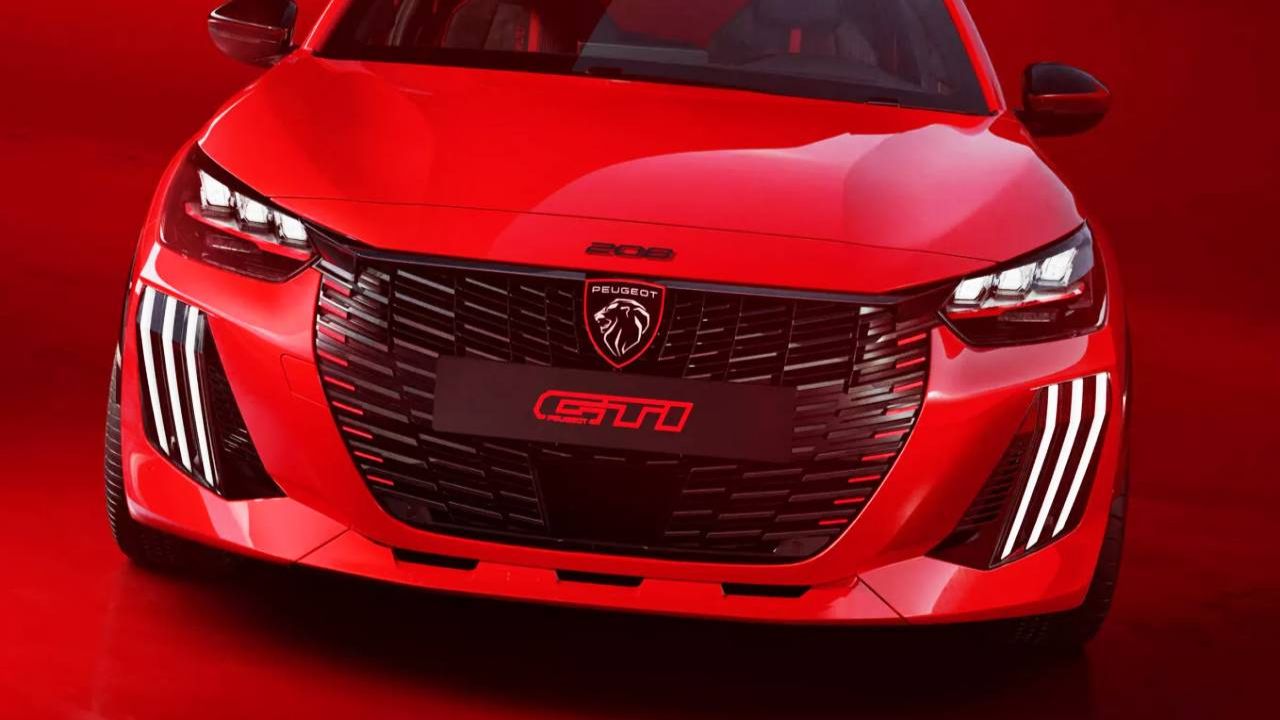


Discover Five Peugeot Models Sold Abroad That The Brand Should Bring To Brazil. Understand What Each Car Offers In Terms Of Differentiation, Engine, Design, And Technology.
The Peugeot could enrich its portfolio in Brazil by 2025 with international models that combine style, performance, and technology. This is the assessment of automotive experts covering the launches of the French brand.
The scenario is clear: the company currently offers only two passenger cars in the country, the hatch 208 and the compact SUV 2008.
We selected 5 models from Peugeot that already exist abroad — with electric, hybrid, or conventional versions — that could debut in Brazil to attract a diverse audience.
-
The car stored for 38 years: when opening the barn door, what appears is breathtaking and looks like a scene from a movie!

-
Fiat works miracles in the Brazilian market, lowers the price of its 0 km hatch to R$ 69,990, reestablishes the model as the cheapest car in the country, and reignites the battle against Kwid and C3.
-
Chevette with cooking gas: How the gas cylinder ends up being used in cars clandestinely and why this makeshift solution can result in leaks, explosions, damaged engines, and seized vehicles.

-
Fiat launches the new 2027 Toro hybrid with 48V, 176 hp, an electric motor of 15.5 hp, a 0.85 kWh battery, up to 7% fuel savings, 8% fewer emissions, and possible exemption from IPVA.

They stand out for their design, modern equipment, high-performance engines, and the market potential they show.
1. Peugeot e-208 GTI — Electric Sports Car With GT Soul
The first car on this list is the e-208 GTI, the electric and sporty version of the compact 208. It was unveiled this year and shares a platform with the Alfa Romeo Junior.
It has 280 hp of power and 35.2 kgfm of torque, accelerating from 0 to 100 km/h in 5.7 seconds.
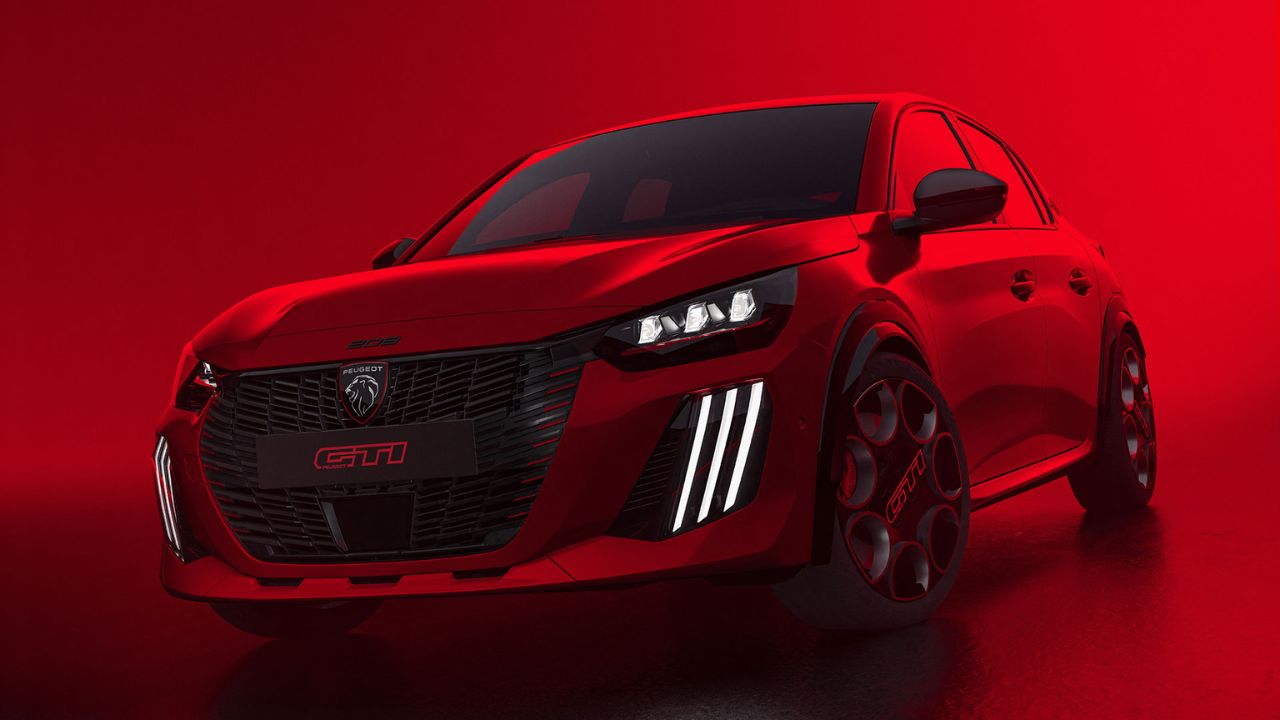
The 54 kWh battery ensures an international range of 350 km.
This model could please those looking for a premium hatch with performance, and it can serve as an entry point to more technological cars from the brand.
2. Peugeot 408 — Hybrid-Plug-In SUV-Coupé With Striking Presence
The Peugeot 408 reinterpreted as an SUV-coupé would be a differentiator in the national market. Although it has carried the same name used in the past as a sedan, the new 408 has the style of an SUV-coupé, an imposing front, and a refined interior.
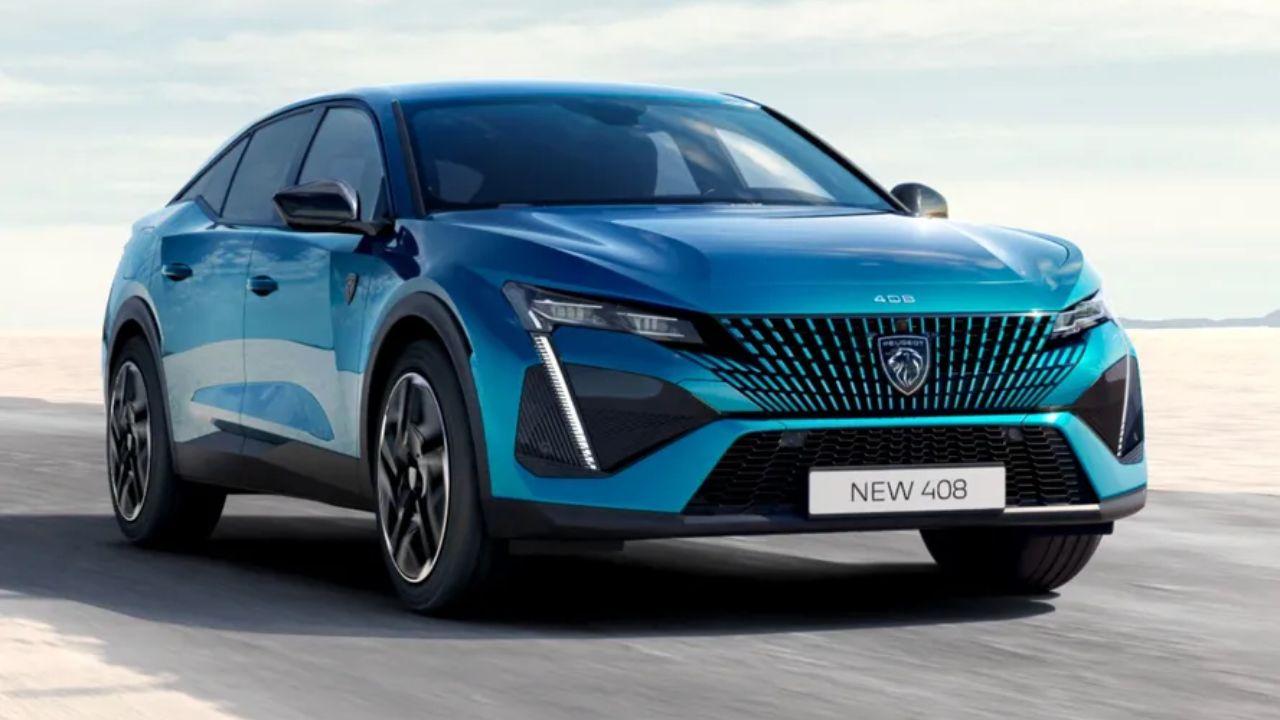
Depending on the market, it comes with a hybrid plug-in engine of 225 hp, has a wheelbase of 2.78 meters, and good space for five passengers.
If imported at a competitive price, this car could compete with premium or mid-range models, offering luxury and versatility.
3. Peugeot 308 & 308 SW — Elegant Return Of The Medium Hatches/Station Wagons
The Peugeot 308 has previously been seen in Brazil as a medium hatch. It made an appearance with a 1.6 THP engine, 173 hp, and a sophisticated finish.
Currently, it has some good international versions: semi-hybrid, well-equipped, with LED Matrix, 18-inch wheels, and modern design.
The 308 SW (station wagon) follows this path, with a large internal space — including a trunk that can reach 1,487 liters.
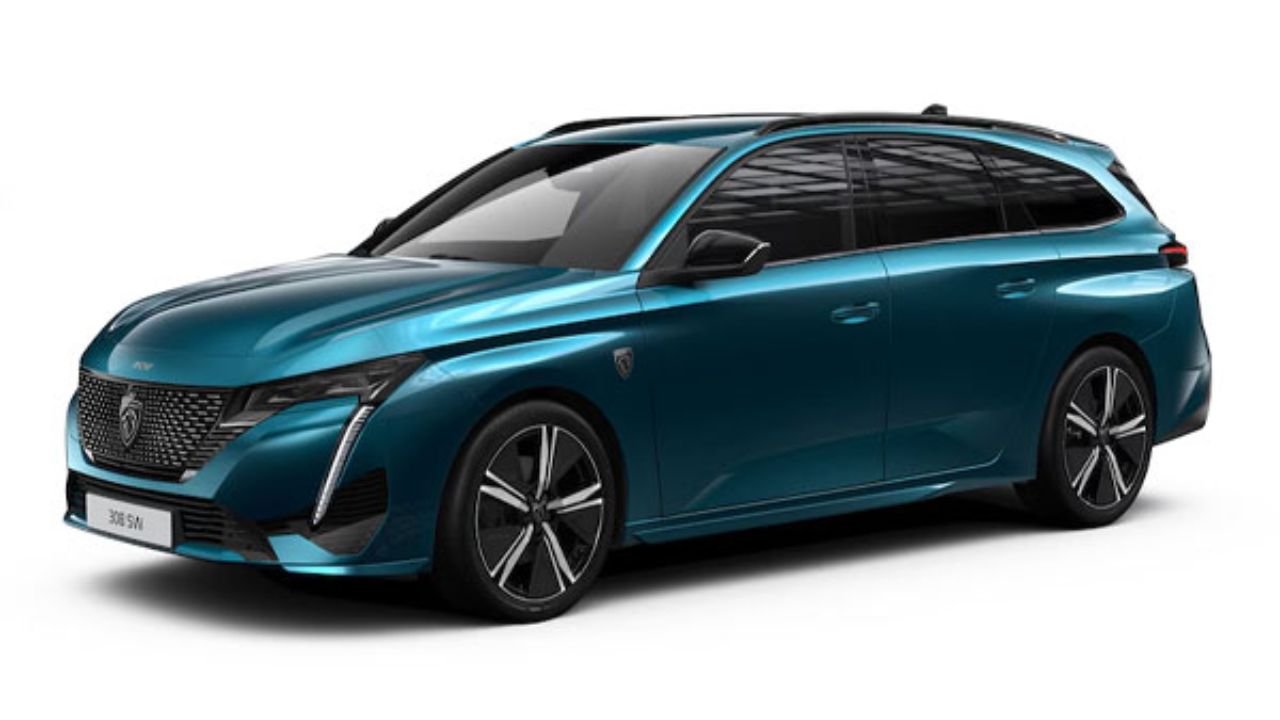
These models could meet the demand for more spacious and elegant cars, which is currently underrepresented in Brazil.
4. Peugeot 5008 — Large SUV For Demanding Families
The Peugeot 5008 is the largest SUV on this list. With a length of 4.79 meters and reinforced wheelbase, it offers hybrid, electric, and premium finish versions.
Among its highlights: 21-inch panoramic screens, pixelated LED headlights, and engine variations that combine performance and efficiency.
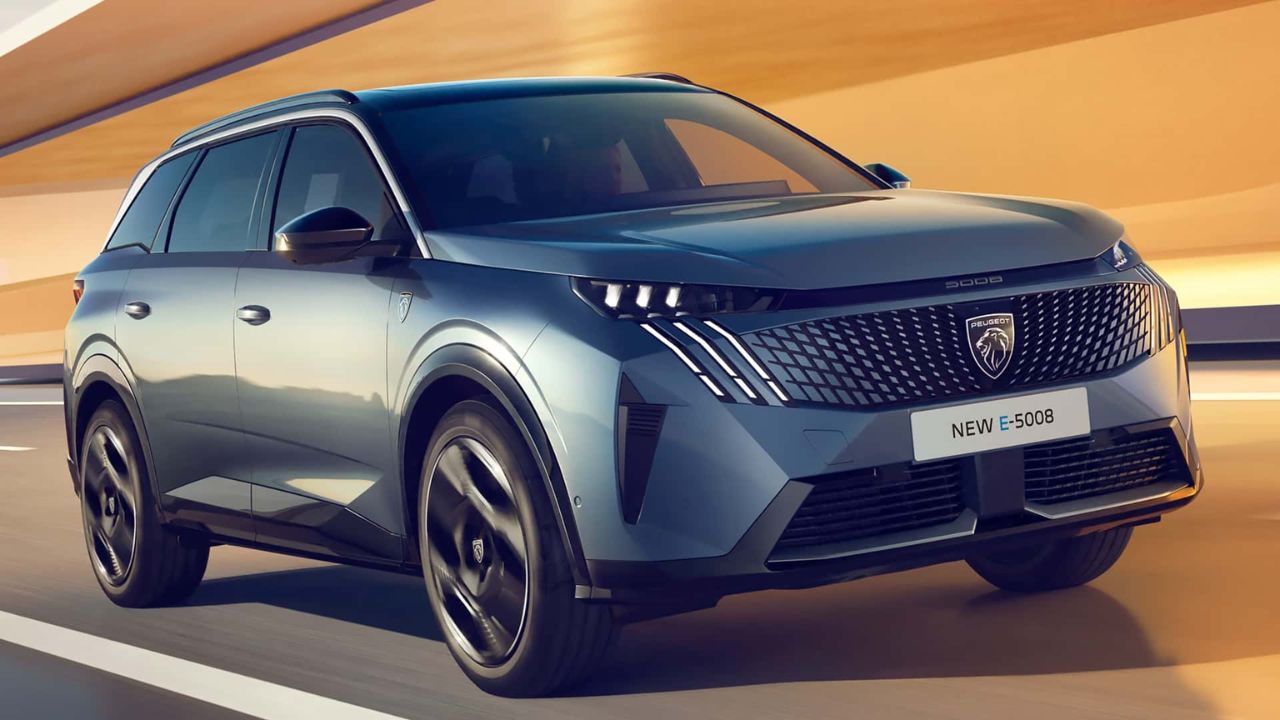
The hybrid plug-in GT variant has an electric range of up to 82 km.
If imported or locally assembled at a good cost, the 5008 could compete with models like the Tiggo 8 Pro Plug-in Hybrid, for example, attracting the audience looking for comfort and space.
Why Would These Models Make A Difference In Brazil?
- Variety Of Offer: Currently, Peugeot has a limited lineup in the country (208 and 2008). Models like e-208 GTI, 408, 308, 308 SW, and 5008 would greatly expand the options.
- Increase In Electrification / Hybrids: Many of these cars have hybrid or electric versions. This aligns with market trends and environmental requirements.
- Visual And Technological Appeal: Style, premium interior finish, modern equipment (LED, multimedia, ADAS, etc.) are distinct attractions.
- Willing Consumer Market: There is an audience in Brazil looking for large SUVs, more powerful, or more technological cars, even with high taxes. If the cost is reasonable, this audience exists.
Challenges And Care To Bring These Cars
Bringing international models is not simple. Some of the challenges:
- Import Costs And Taxes That Raise The Final Price For The Consumer.
- Compliance With Brazilian Regulations: Engines, emissions, safety, and even infrastructure (such as for electric cars).
- Maintenance And Parts Network: The more complicated the model, the more difficult it will be to maintain good service levels.
- Market Positioning: Direct competitors, value expectations, and brand perception need to be well managed.
If Peugeot decides to expand its range of models in Brazil, the five selected cars — e-208 GTI, 408, 308 / 308 SW, 5008 — have a lot to offer.
They gather innovation, style, hybrid or electric versions, and could cater to both those seeking performance and those looking for family comfort.
These models also represent a strategic step: to diversify and modernize the brand, keeping up with the global trend of more sustainable and technological mobility.








I must say this article is extremely well written, insightful, and packed with valuable knowledge that shows the author’s deep expertise on the subject, and I truly appreciate the time and effort that has gone into creating such high-quality content because it is not only helpful but also inspiring for readers like me who are always looking for trustworthy resources online. Keep up the good work and write more. i am a follower.