





 Portuguese
  English
  Spanish
  3 min of reading
  0 comments



Discover The Citroën 2cv, The Iconic French Model With A Distinct Engine, Capable Of Delivering 20 Nm Of Torque And Competing Directly With The Legendary Beetle Engine.
Launched in 1949, the Citroën 2cv quickly became an icon in the automotive world, partly thanks to its remarkable 12b engine. With 375 cm³, this two-cylinder boxer engine stood out for its aluminum alloy construction with finned cylinders, optimizing cooling. The cooling system was innovative, featuring an axial fan directly connected to the crankshaft.
The 2cv engine, with a compression ratio of six to one, reached over 3,500 revolutions per minute and delivered 9 horsepower. Despite a modest torque of 20 NM, it was more than sufficient to move a lightweight vehicle weighing 500 kg. In this article, we will explore further the characteristics of this emblematic model and its fascinating engine.
Citroën 2cv Was The Main Rival Of The Beetle


In contrast, the 1950 Beetle, its competitor at the time, had double the cylinders with 131 cm³ and a compression of 5.6 to one, producing 25 horsepower at 3300 revolutions. The Citroën 2cv, however, had the advantage in power-to-cubic-centimeter ratio, albeit by a narrow margin. The Beetle used a simple, classic gear oil pump, while the Citroën’s engine employed a more advanced G-rotor pump.
-
Less than a Tera TSI, up to 710 km of range and charging in 9 minutes: the new BYD Song Ultra expands the Chinese brand’s bet on increasingly faster, more technological, and competitively priced electric SUVs.

-
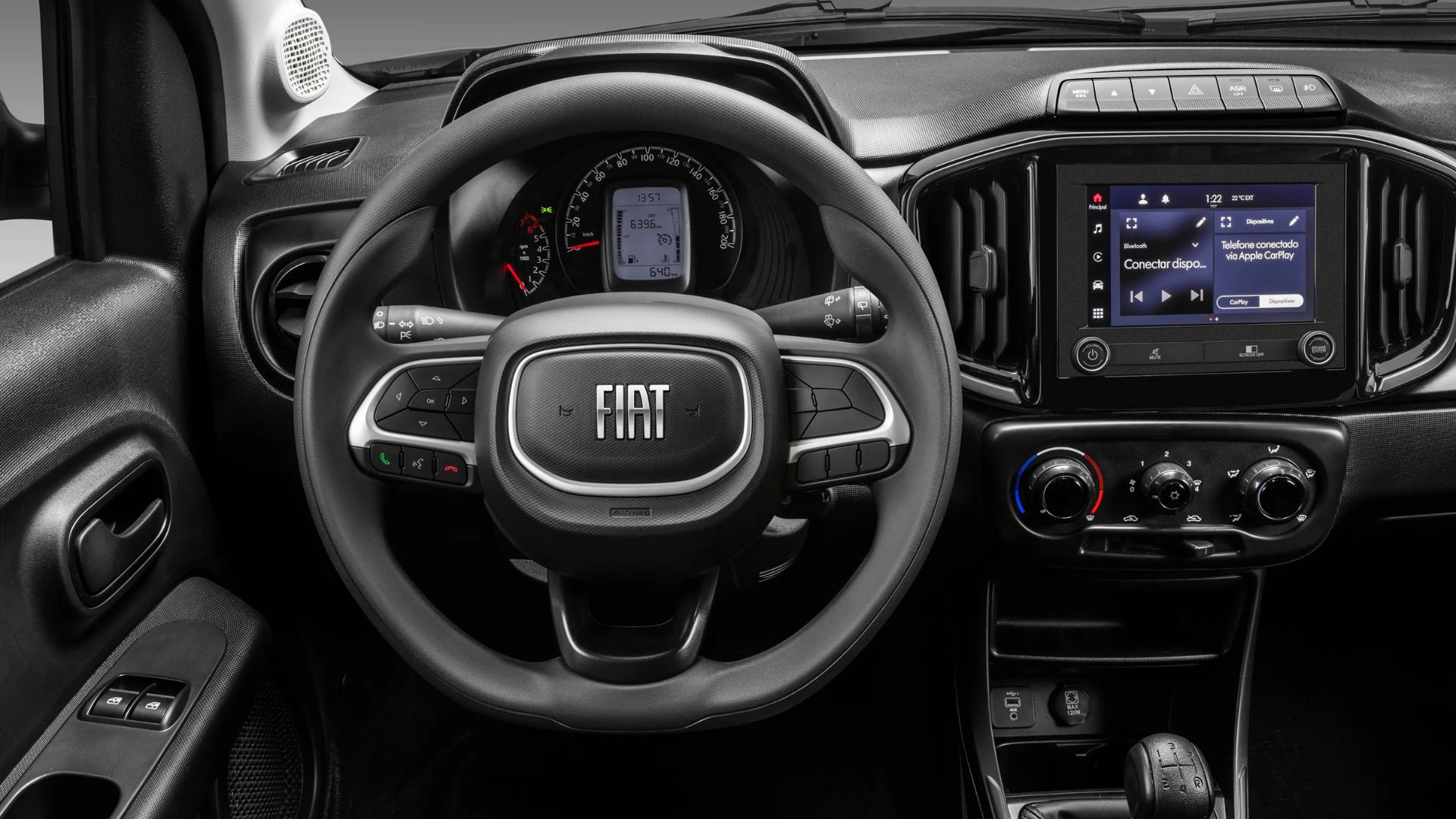
With a 1.0 engine producing 75 hp and costing less than R$ 70,000, Fiat’s car returns to the podium as the cheapest in the country; a temporary promotion for the 2026 Like version reduces the price of the Fiat Mobi.
-
With a mild hybrid system of 48 V, 176 hp and a price of R$ 175,990 in the Sahara version, the new Jeep Renegade changes mostly on the inside, improves slightly in fuel consumption, and remains almost the same car.

-
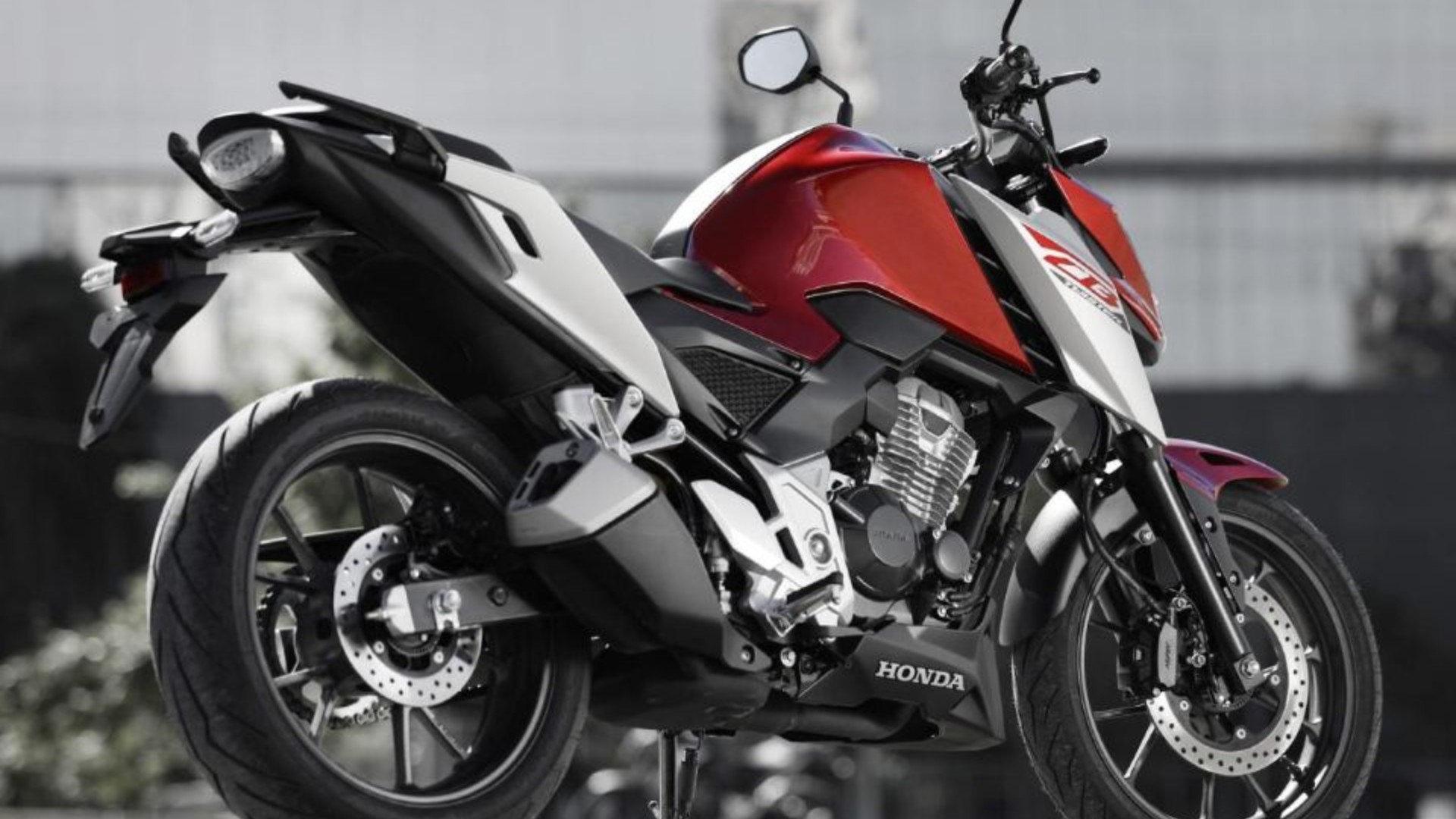
With a 293.5 cm³ engine and a range of up to 400 km with a 14.1-liter tank, the Honda CB 300F Twister 2026 has up to 24.7 hp, an initial price of R$ 25,150, and already exceeds R$ 29,000 in the Fipe Table.
This pump featured a central four-tooth rotor connected to the camshaft and an external five-tooth rotor. This created a variable volume resulting in positive displacement compared to the gear pump. Citroën’s system was quieter, less vibrational, and more efficient. However, the gear pump remained advantageous due to its simplicity and cost.
Both pumps were easy to repair, consisting of only two moving parts. The lubrication process began with oil being drawn by the suction in the sump, where the oil traveled up a duct to the pump, from which it was distributed under pressure through the camshaft and the veins of the crankshaft.
Understand How The Citroën Engine Worked
The engine of the Citroën 2cv, with its axial fan promoted a direct and efficient airflow, where there were no belts or chains in the engine, as the gears ensured synchronization reliably and durably. The camshaft controlled the Citroën engine’s valves through rods and adjustable rockers.
The inclined valves optimize airflow without colliding with the walls of the cylinder, the hemispherical combustion chamber improved efficiency, and the strategically positioned exhaust valve allowed the fan air to cool the hottest part of the engine by distributing heat evenly.
In not so distant times, a common practice in engine engineering revolutionized the way we understand combustion. This technique involved heating the intake air to prevent fuel droplets from condensing. Thus the fuel arrived in the cylinder in gaseous form, mixing more efficiently with the air.
This process resulted in interestingly superior quality combustion. The exhaust pipes of vehicles of the time played a crucial role in this process, as they passed through the carburetor to heat it. It was an ingenious method, especially considering that at that time, technologies such as electronic fuel injection did not yet exist.
Differences Of The Citroën 2cv Engine
The Citroën engine had a rather peculiar feature in its crankshaft; it could be completely disassembled for the insertion of the connecting rods. This functionality made the process of turning the crankshaft’s small parts extremely easy. This work could be done on a small lathe, however, there is a point to consider regarding the removable crankshaft of the Citroën 2cv engine.
Despite its practicality, this characteristic slightly compromised the component’s strength and this could be a disadvantage in situations that required greater robustness from the engine. However, considering that the small 375 cm³ Citroën engine produced only 9 horsepower and its top speed was limited to 70 km/h, the reduced strength of the crankshaft did not present a significant issue.








Seja o primeiro a reagir!