





 Portuguese
  English
  Spanish
  3 min of reading
  0 comments


Reflection on an Attack That Changed the Way We Think About Cybersecurity
In 2021, the ransomware attack against Colonial Pipeline marked a turning point in the history of cybersecurity in critical infrastructures. The incident, which disrupted fuel flow for five days in a system responsible for 45% of the supply on the East Coast of the United States, exposed the vulnerability of strategic sectors to seemingly simple failures.
The Incident That Exposed Structural Fragilities
At the time, the absence of multi-factor authentication on a VPN account was enough to allow the breach. As a result, millions of people felt the direct impact: long lines at gas stations, shortages in multiple states, billion-dollar losses, and even compromised airports. For the first time, American society clearly realized that cybersecurity is not a distant technical issue but a factor that affects everyday life.
Transformations After the Attack
However, as time passed, the consequences spurred significant changes. In 2021, the Transportation Security Administration (TSA) established mandatory directives, requiring network segmentation, the use of multi-factor authentication, and continuous monitoring. In 2022, the U.S. government approved the CIRCIA act, making it compulsory to report cybersecurity incidents within 72 hours. In addition, technical standards were updated, such as the API 1164, which aligned with the NIST and IEC 62443 frameworks, creating new global security references.
-
An invisible phenomenon in Antarctica on a continental scale reveals a direct impact on the polar climate by showing that penguin droppings release ammonia, form bright clouds, and raise an unexpected scientific curiosity about the balance of the icy atmosphere.

-
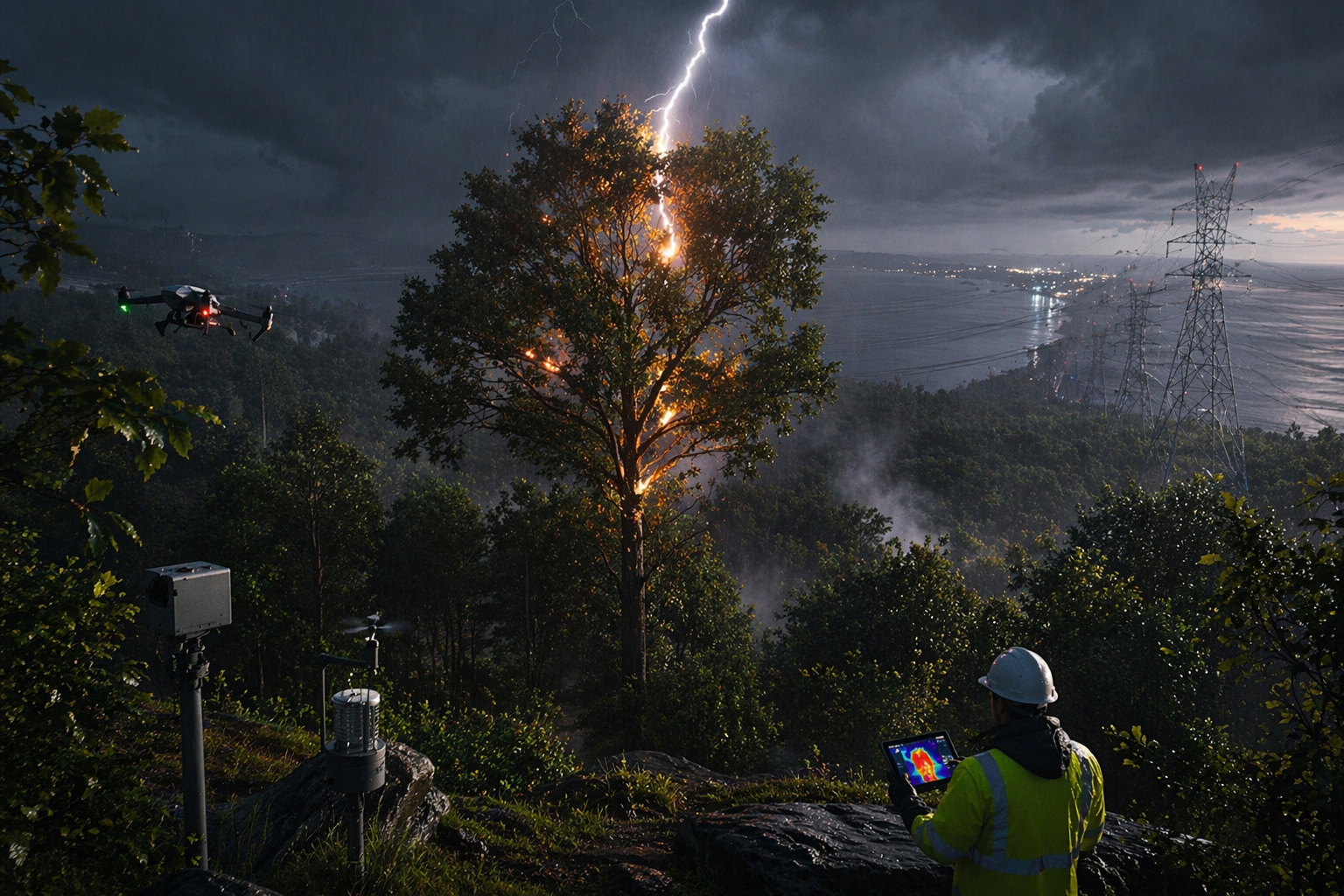
A rare phenomenon of silent electric flashes in trees on the east coast of the United States intrigues researchers, confirms a century-old suspicion, and raises concerns about invisible environmental impacts.
-
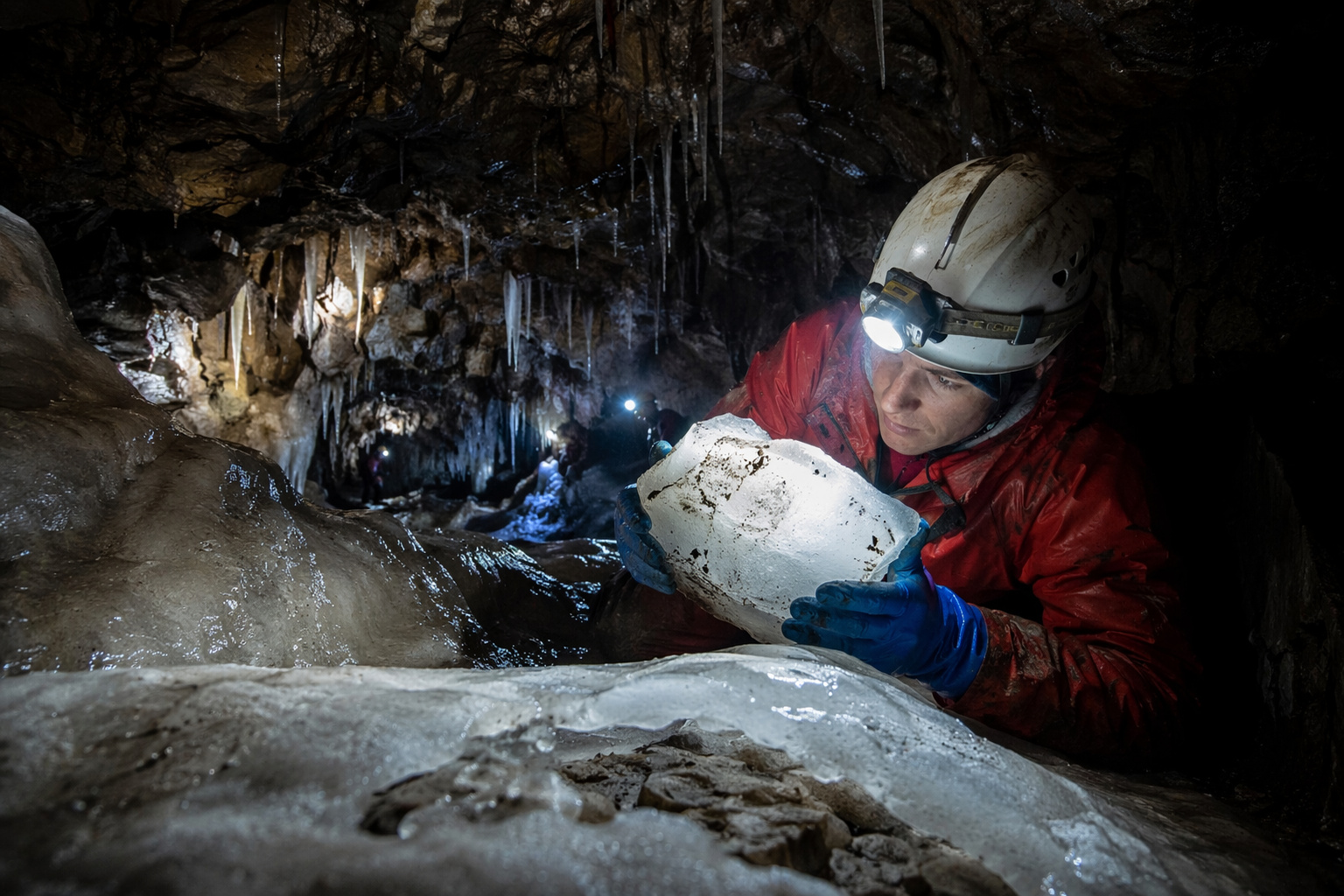
5,000-year-old bacteria found frozen in a cave in Romania already shows resistance to modern antibiotics and raises a global scientific alert about the future of infections.
-
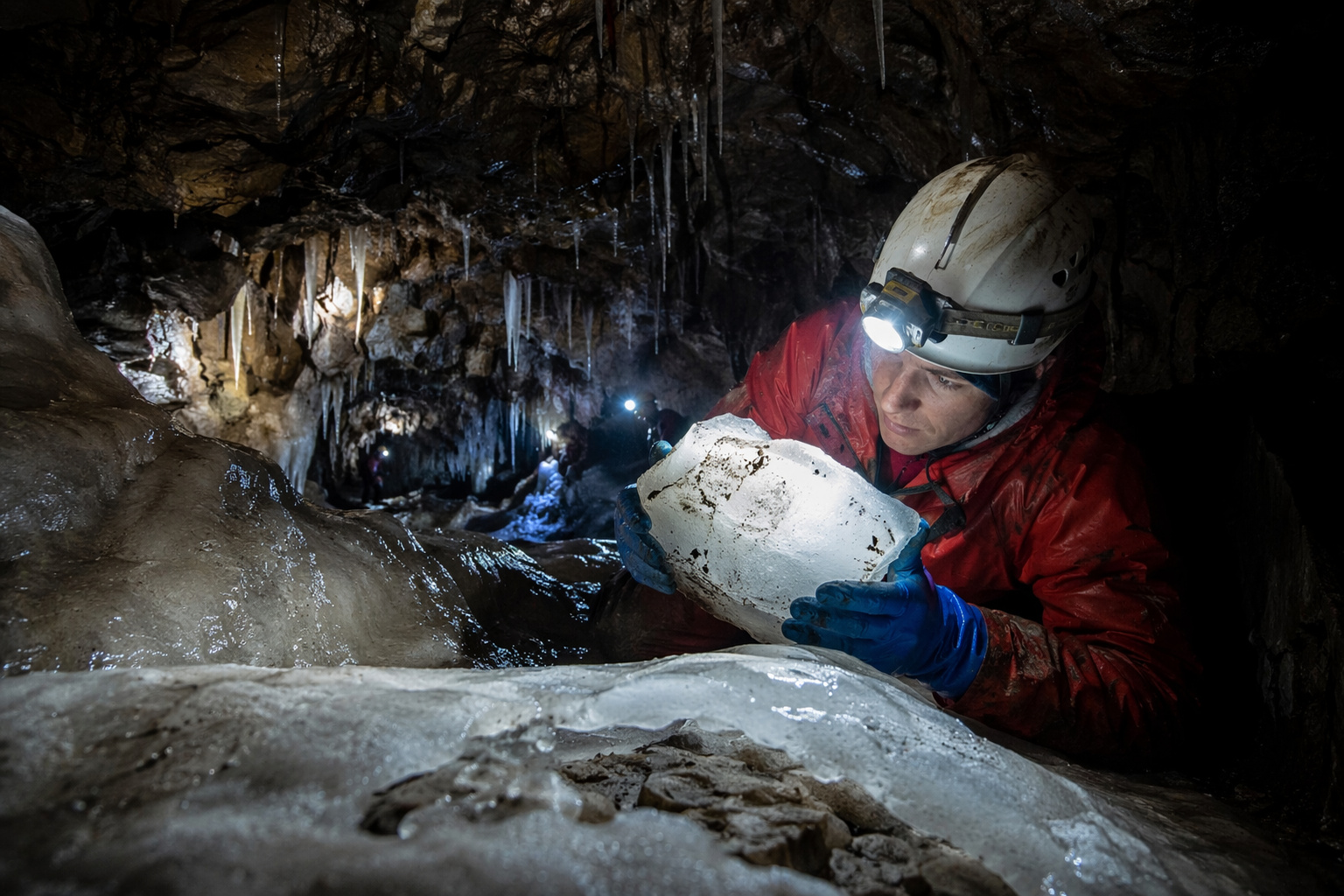
5,000-year-old bacteria found frozen in a cave in Romania already shows resistance to modern antibiotics and raises a global scientific alert about the future of infections.
Cybersecurity as a Strategic Issue
Although technology has been strengthened, the deepest transformation occurred in the mindset of organizations. Cybersecurity ceased to be restricted to technical teams and began to integrate decision-making at the level of board of directors. At the same time, it promoted greater integration between IT and OT teams and encouraged cross-sector cooperation as an essential tool against future risks.
The Challenges That Remain
Nevertheless, the obstacles remain significant. Legacy systems continue to pose critical vulnerabilities, while rising geopolitical tensions increase the complexity of attack scenarios. Thus, the oil and gas sector, due to its relevance, remains a frequent target for malicious actors. The central lesson from Colonial Pipeline remains clear: a seemingly small flaw can trigger a crisis of large proportions.
What Brazil Can Learn
In Brazil, the learning process is indispensable. Just like in the United States, the country relies on complex networks for energy and fuel distribution. Therefore, it becomes essential to strengthen cybersecurity resilience, adopt international protection standards, create efficient reporting mechanisms, and encourage cooperation among government, businesses, and experts. In this sense, it is clear that cybersecurity also means national security.
The Agenda at Rio Pipeline 2025
The topic is gaining traction at strategic events such as Rio Pipeline 2025, where experts from around the world discuss the future of the industry. The Colonial Pipeline case remains a global reference and, therefore, a warning: are we prepared to face a similar scenario in our territory? This answer will depend on the ability to transform lessons into concrete actions and to elevate cybersecurity to the level of a strategic priority.









Seja o primeiro a reagir!