





 Portuguese
  English
  Spanish
  3 min of reading
  0 comments


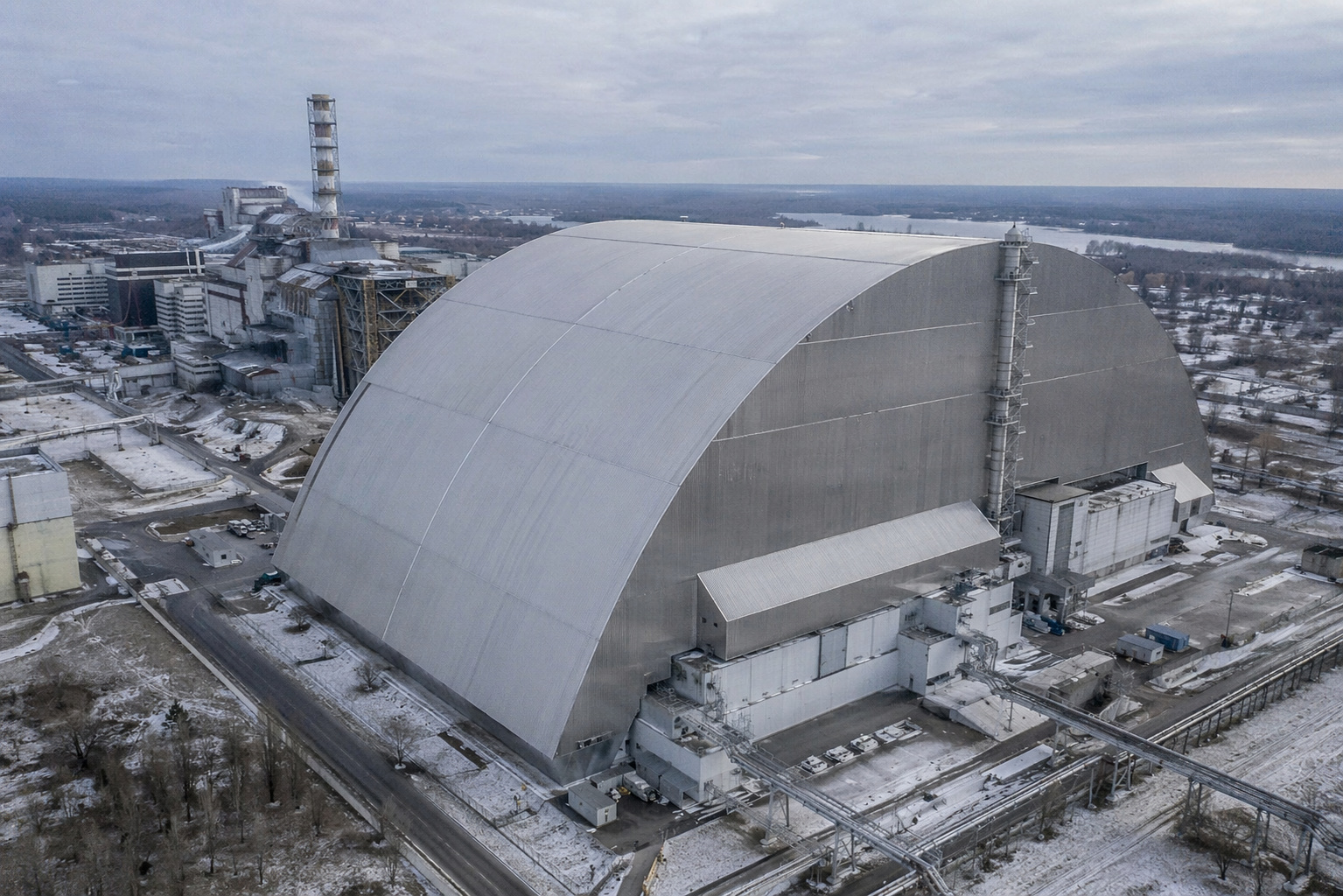
Giant barrier with stainless steel, rock insulation, and sliding system was designed to drastically reduce radiation released since the 1986 accident
One of the largest engineering operations ever carried out in an extreme nuclear environment was completed in Chernobyl, Ukraine.
Engineers from about 40 countries participated in the construction of the largest mobile containment dome on the planet, designed to cover the reactor of unit four, destroyed on April 26, 1986, according to records from the International Atomic Energy Agency.
Since then, teams have been continuously working on the removal of radioactive materials and monitoring the structure, in a global effort to contain the effects of the accident that exposed more than half a million people to radiation.
-
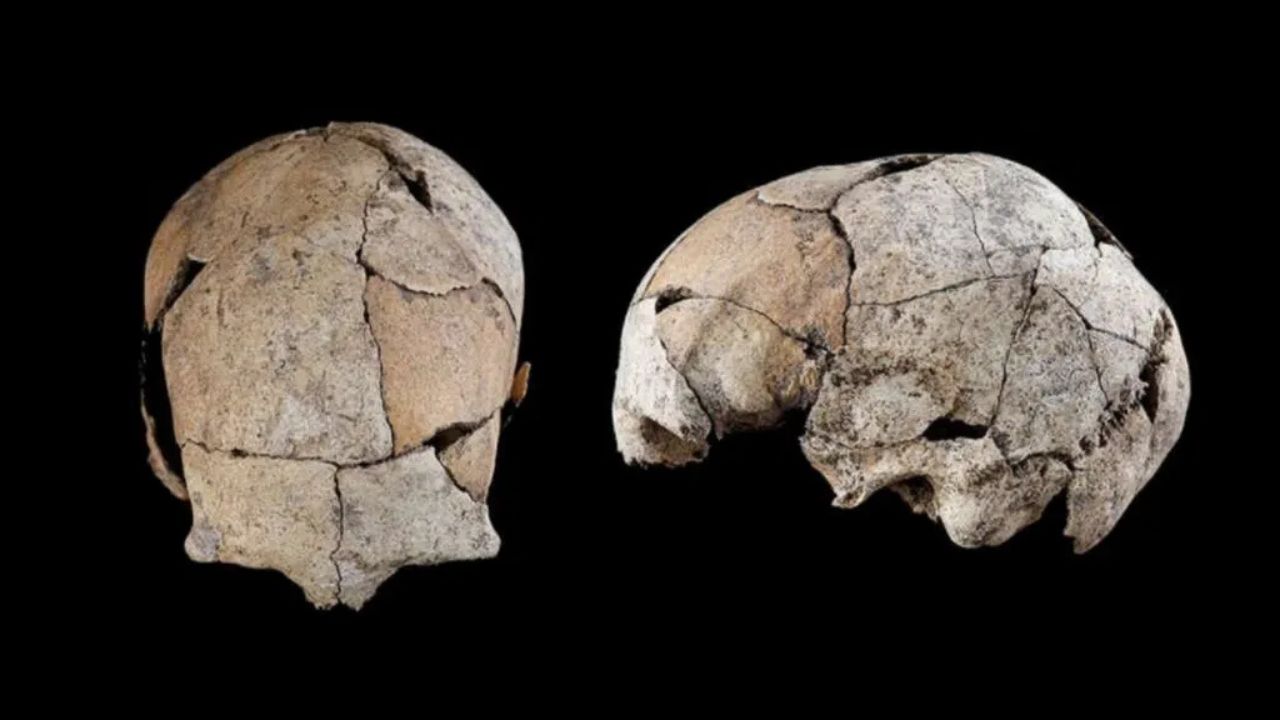
The oldest known ear surgery was found in Spain on a 5,300-year-old skull with two perforations behind the ears and clear signs that the patient survived the operations.
-
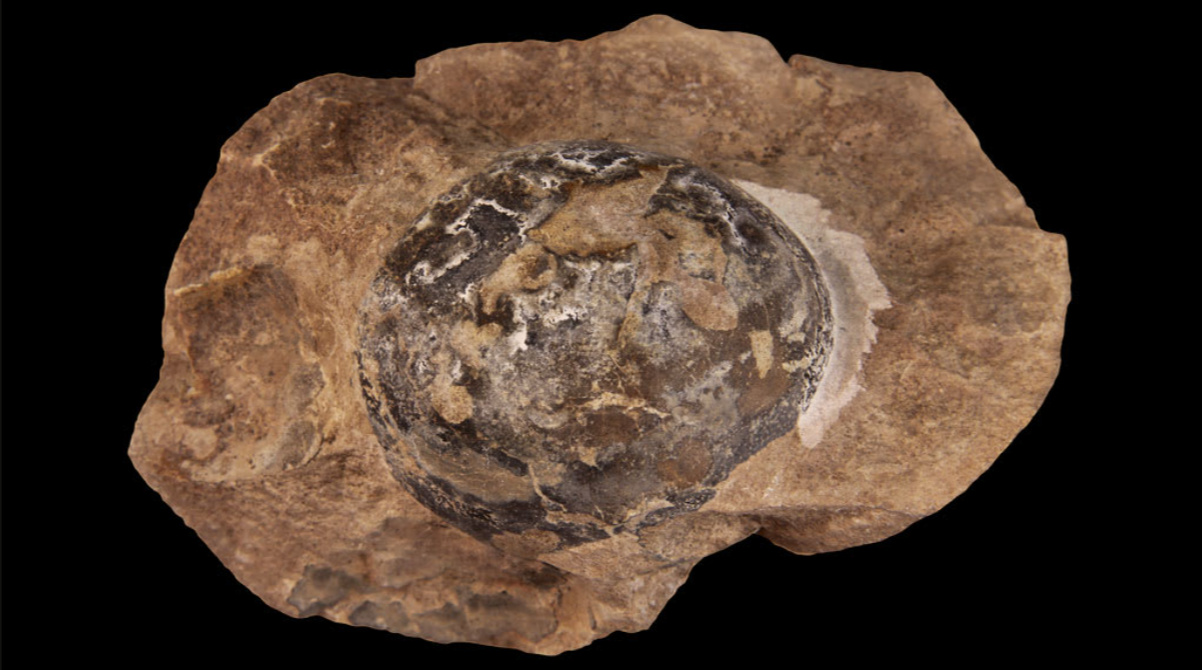
All mammals on the planet were born from eggs 250 million years ago, and scientists have just found the first evidence of this hidden inside a skull smaller than a coin in South Africa.
-
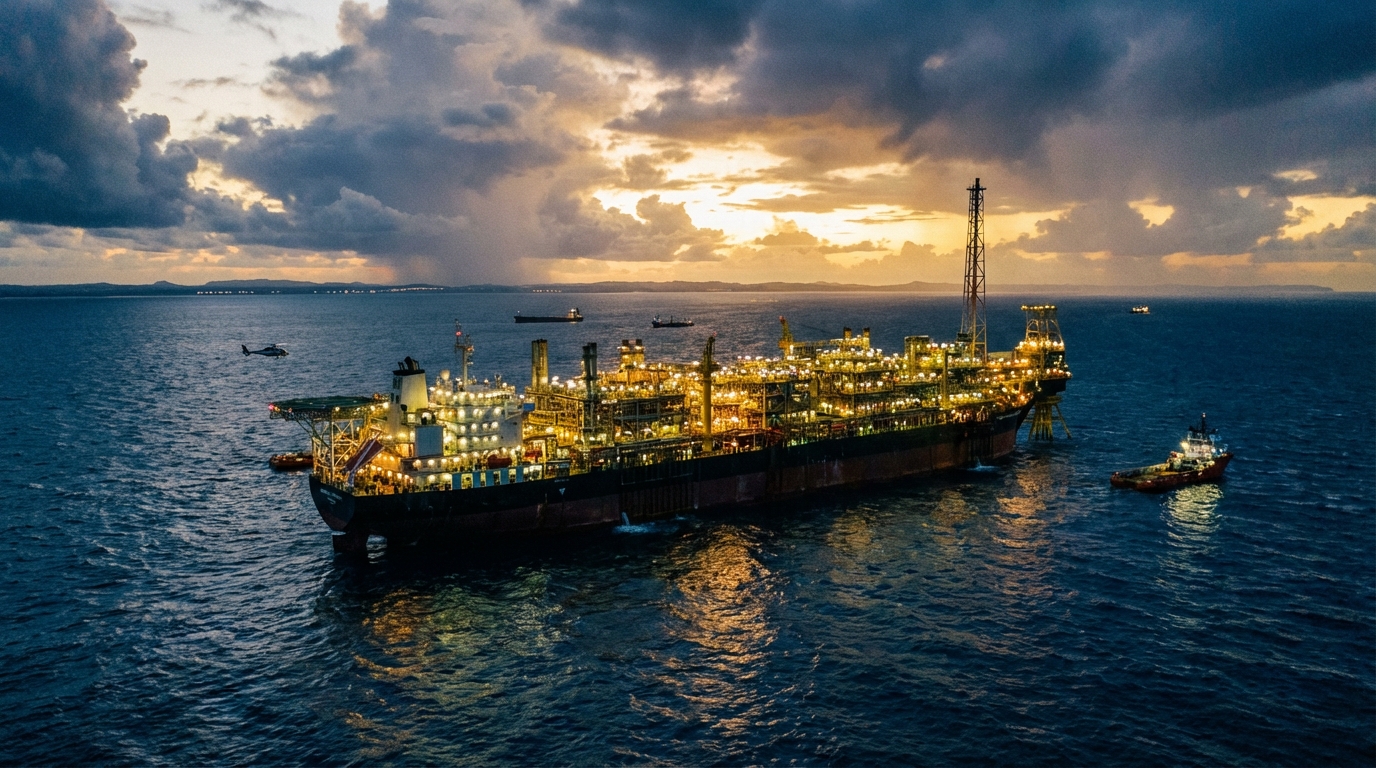
Created in silence in the middle of the ocean, a Brazilian startup developed technology that predicts failures in oil platforms before they occur, and now ExxonMobil and Equinor are competing for its contracts.
-
Big techs plan US$ 635 billion in AI data centers by 2026, but the crisis in the Middle East threatens investments, and Brazil is betting on natural gas to attract megacomplexes of up to 1,500 MW in Rio de Janeiro, Rio Grande do Sul, and Paraná.

Gigantic dimensions mark the nuclear structure
Initially, each stage of construction required complex operations, with cranes taking days to position parts of the arch.
Additionally, the structure reached a height equivalent to a 35-story building, while its width was comparable to that of an aircraft carrier.
Consequently, the outer covering spans approximately 84 thousand square meters, forming a robust barrier against radiation.
Therefore, the project has come to be considered one of the greatest structural challenges ever executed in a contaminated environment.

Advanced materials ensure insulation and resistance
First, the exterior of the arch was built with stainless steel, a material chosen for its corrosion resistance and durability.
Moreover, inside, a layer of rock acts as insulation, reinforcing the containment of radiation.
Meanwhile, the roof completes the system, forming a highly complex structural composite.
Thus, this combination was designed to drastically reduce any radioactive leakage over time.
Accident history reinforces the urgency of containment
Previously, in the early morning of 1986, around 1:30 AM, an explosion destroyed the nuclear reactor, marking the beginning of one of the greatest disasters in history.
Subsequently, residents of the city of Pripyat were hastily evacuated and never returned, according to historical accounts.
Furthermore, the region remains uninhabitable, with estimates indicating that it may stay that way for up to 20 thousand years.
Therefore, the installation of the new structure aimed to prevent wider areas from facing similar consequences.
Structure was designed to withstand extreme events
On the other hand, the dome was designed to withstand intense fires, earthquakes of magnitude 6.0, and class 3 tornadoes.
Still, the greatest challenge was in the phase of positioning the structure over the reactor.
Initially, the arch remained about 300 meters from the final location before being moved.
Innovative system allowed moving 36 thousand tons
However, due to the total weight of 36 thousand tons — about six times the weight of the Eiffel Tower — the use of wheels was discarded.
Thus, engineers developed an unprecedented solution to enable movement.
In this way, the structure was moved over 116 steel bases, which slid over Teflon panels, a material known for its low friction.
Additionally, this same material is used in non-stick surfaces, which facilitated the controlled sliding of the arch.
Meanwhile, specialized teams monitored each step, ensuring precision during the movement.
Operation consolidated a milestone in nuclear containment
Finally, the arch was positioned directly over the reactor and the old sarcophagus, completing one of the most critical stages of the project in 2016.
Consequently, it became possible to advance in the removal of radioactive materials accumulated since 1986.
Thus, the structure began to significantly reduce the environmental risks associated with the site.
Therefore, this operation represents one of the greatest feats of modern engineering in extreme environments, as reported by international teams involved in the project.
In light of this scenario, even with the containment already in operation since 2016, will the structure be sufficient to maintain control of radiation over thousands of years?







Seja o primeiro a reagir!