





 Portuguese
  English
  Spanish
  5 min of reading
  8 comments


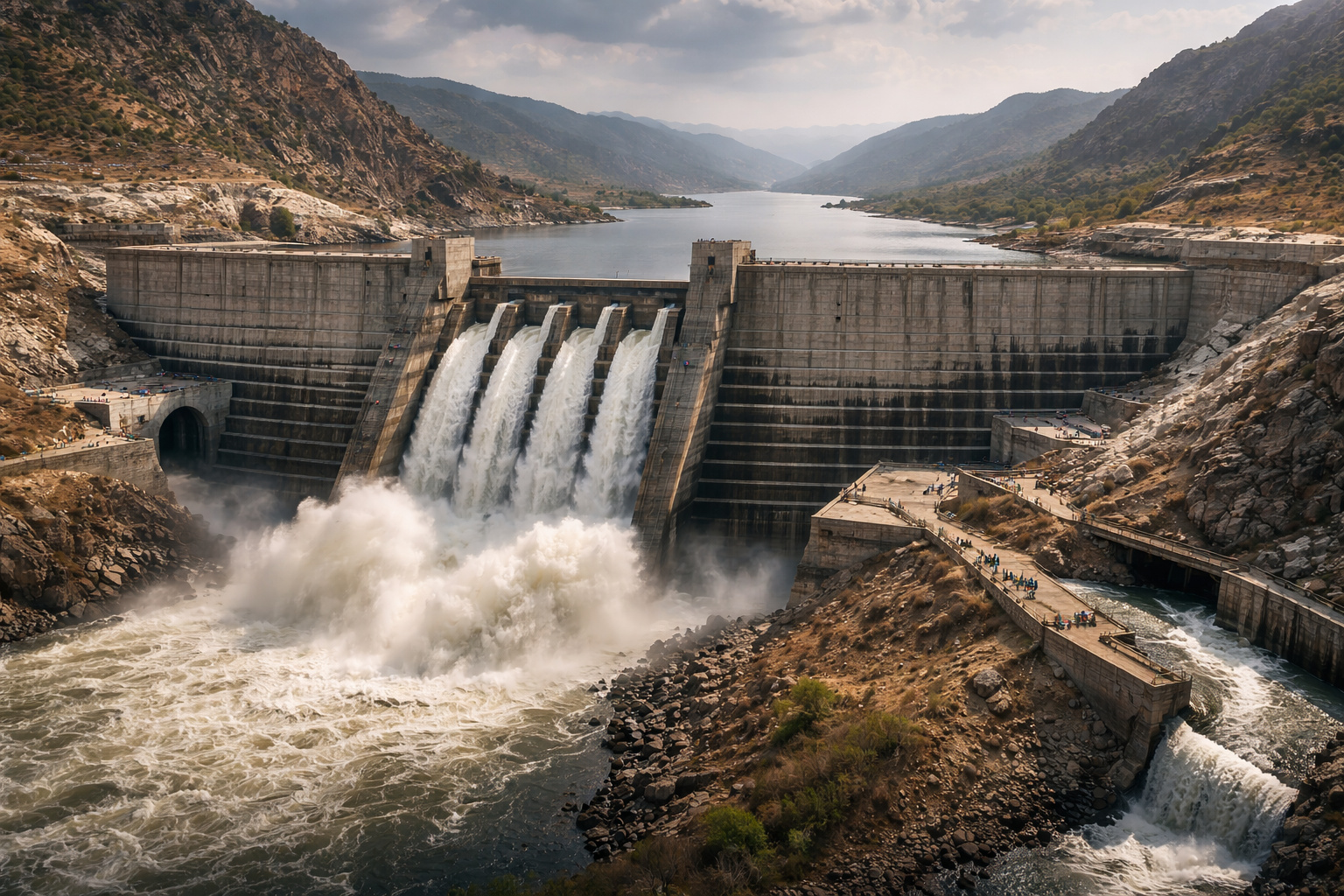


A Grand Ethiopian Renaissance Dam On The Blue Nile Hides A Gigantic Construction: River Diversion, 1.8 Km Dam, 74 Billion M³ Reservoir, And Spillways Capable Of Controlling 14,700 M³/S Of Water.
The Grand Ethiopian Renaissance Dam (GERD) is one of the most impressive infrastructure projects ever undertaken in Africa. Intended to be the largest hydroelectric power plant on the continent with an installed capacity of 5,150 MW, the project transformed the course of the Blue Nile and required temporary river diversions, excavation of valleys, construction of a massive concrete dam, and spillway systems designed to release up to tens of thousands of cubic meters of water per second without destroying the banks.
Construction began in April 2011 and the first turbines started generating power in 2022, with the official completion and inauguration occurring in September 2025 after more than a decade of continuous work.
The Challenge Of Taming The Blue Nile
The Blue Nile is one of Africa’s natural arteries — responsible for about 59% of the total flow of the Nile river — and has a highly seasonal regime, with flow peaks at the end of the rainy season. To erect the GERD over this river, engineers first needed to temporarily divert the flow through conduits and provisional channels while excavating the foundation of the dam.
-
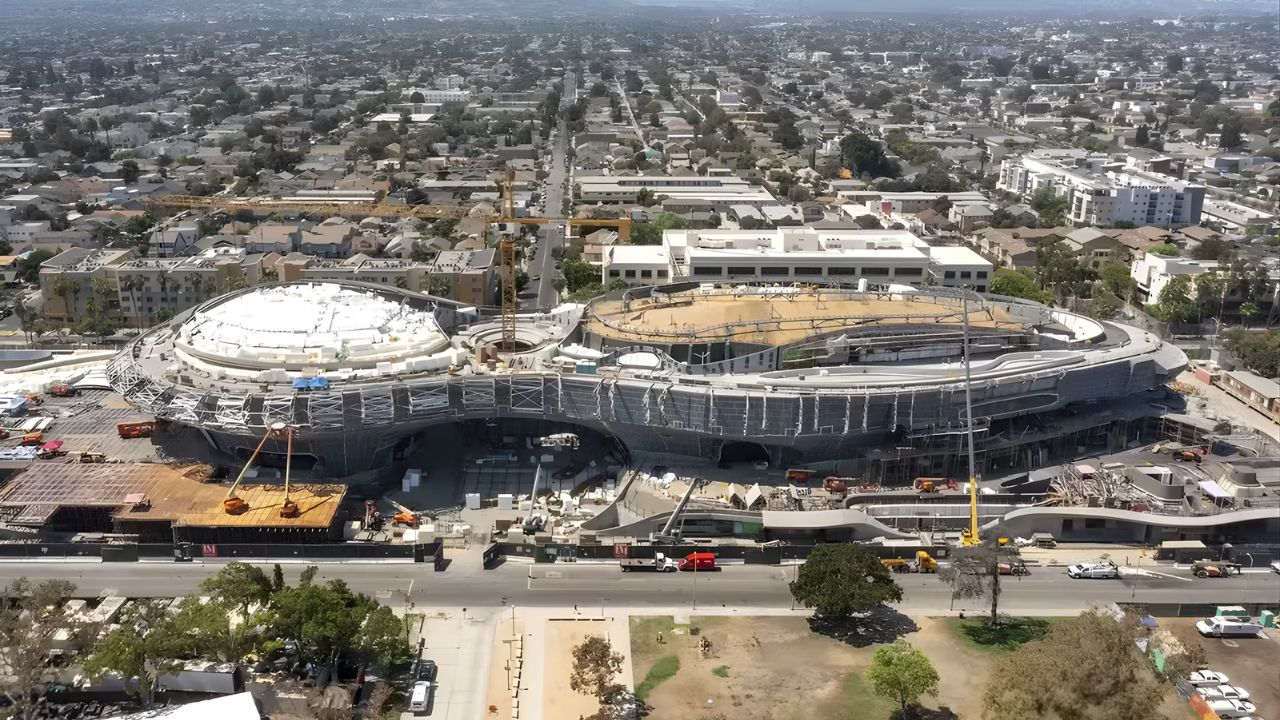
Created by George Lucas with over $1 billion, a futuristic museum in the shape of a spaceship with 1,500 curved panels is about to open in Los Angeles and will house one of the largest private collections of narrative art in the world.
-
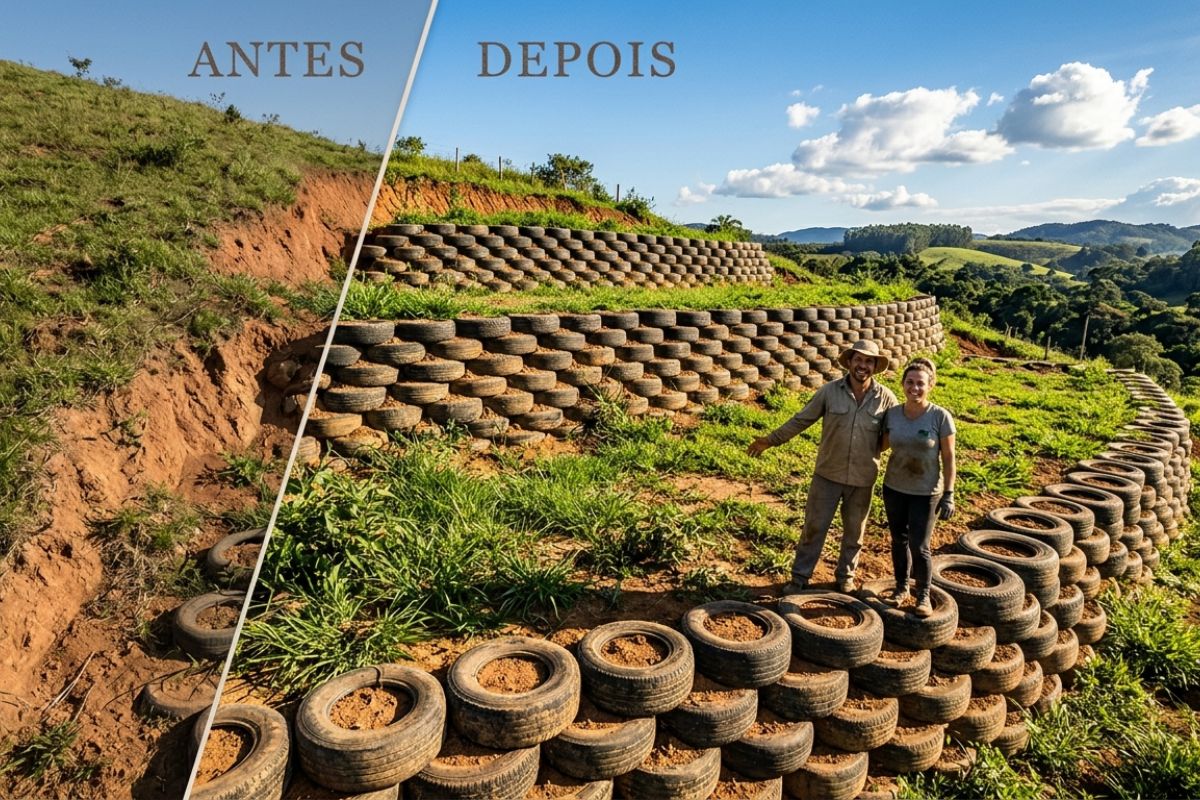
Couple shows how they built a retaining wall on their property using 400 old tires: sloped land turned into plateaus, tires are aligned, filled, and compacted with layers of soil, with grass helping in support and at almost zero cost.
-
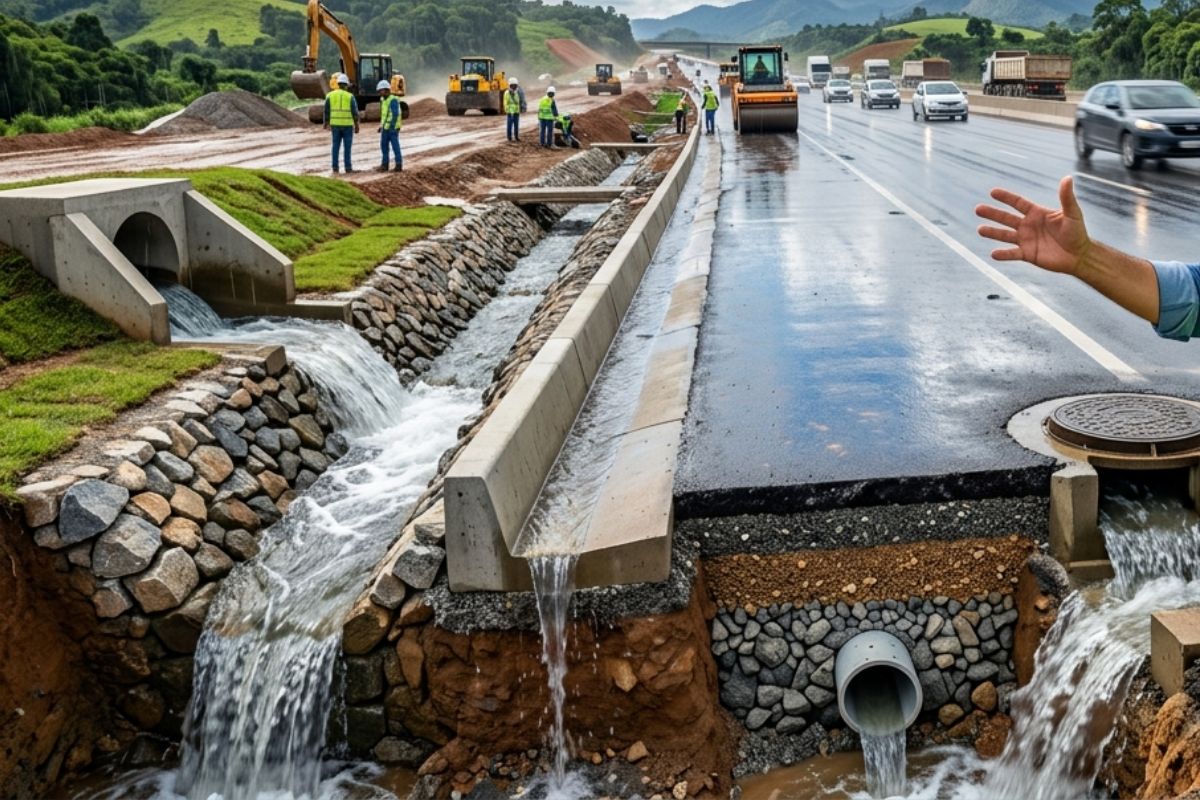
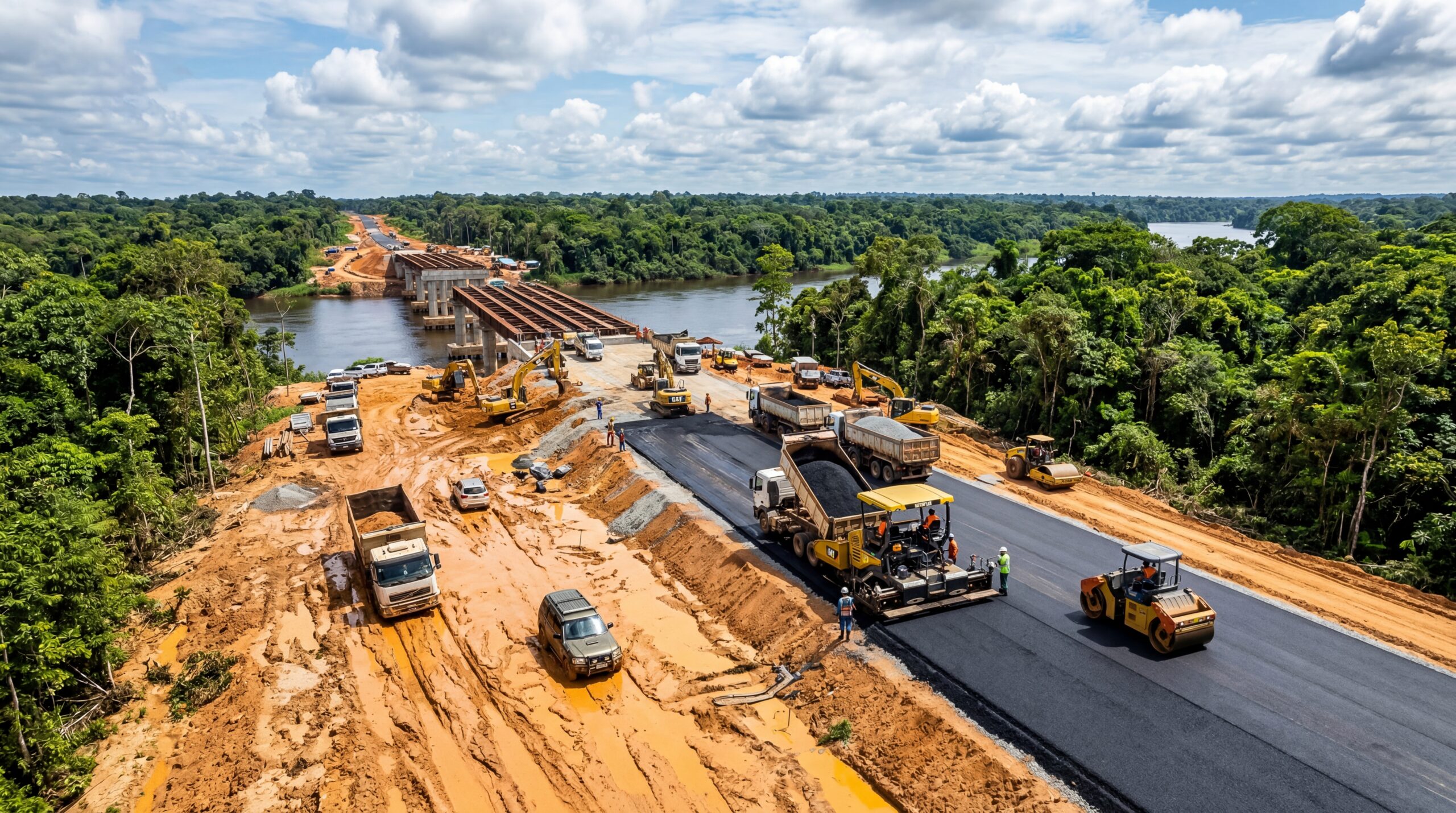
Engineer explains drainage during the rainy season: the difference between surface water and deep water, ditches, gutters, and water outlets on the road, as well as drains and drainage mattresses, to prevent erosion, aquaplaning, and flooding at the construction site today.
-
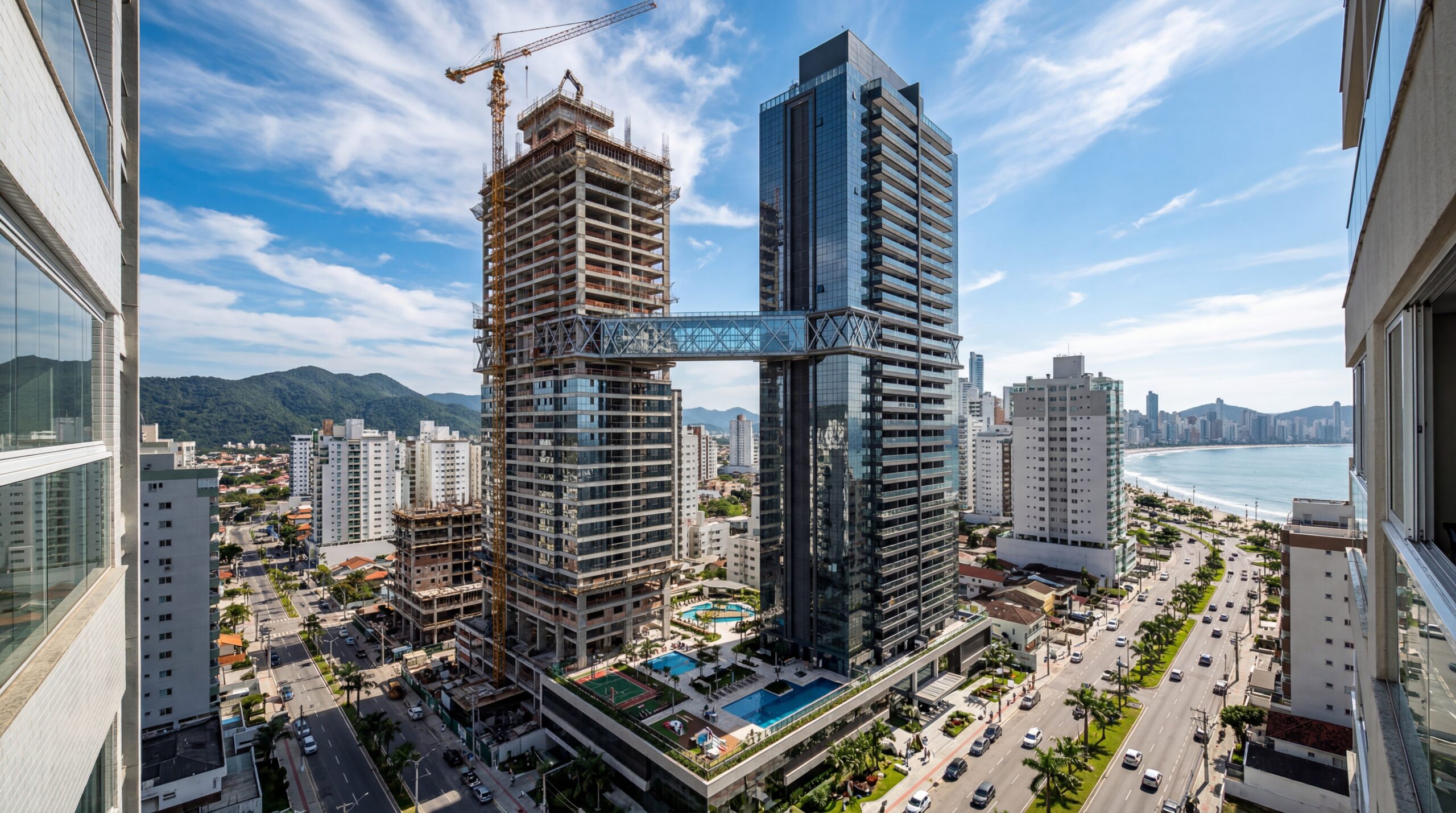
With 55 floors, 177 meters in height, a 15-meter walkway between the twin towers, ventilated facade, and 6,300 m² of leisure space, Ápice Towers already has one tower completed and another nearly at the top.

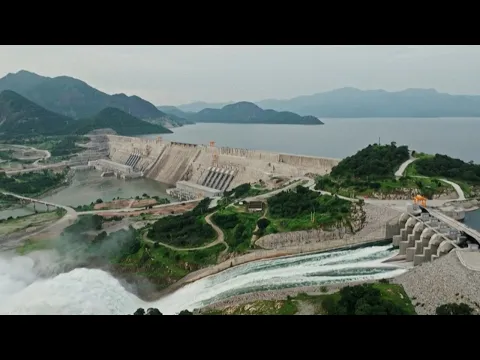

This diversion was essential. Without it, the construction of the foundation and central walls of the dam would not have been possible, as the flowing water of the Nile would have prevented the concrete from settling. The process required managing significant volumes of water and monumental logistics to ensure the continuity of work even during seasonal floods.
The Concrete Wall That Transforms A Valley Into An Energy Engine
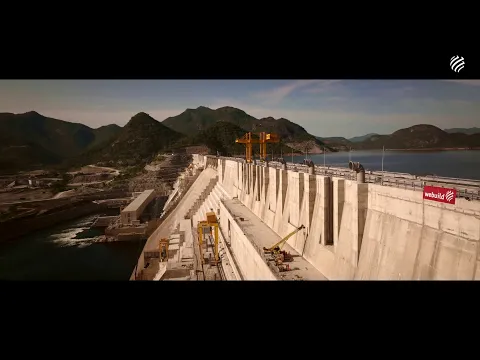
The most visible element of the GERD is the dam itself, a roller compacted concrete (RCC) gravity structure extending 1,780 meters in length and reaching 145 meters in height above the riverbed.
This type of dam is constructed with layers of highly dense concrete, allowing for fast and solid construction, capable of withstanding the immense pressures exerted by the reservoir that forms behind the structure. In the case of the GERD, this means a gigantic artificial lake of 74 billion cubic meters of water, covering about 1,874 km² at maximum operational level.
The amount of concrete used in the project is simply colossal: over 10 million cubic meters of RCC were placed during construction, making it one of the largest dams by volume of material ever constructed in the world.
Spillways And Flow Control: Thousands Of M³ Per Second Organized
One of the major concerns when building any dam is how to deal with extreme flow events, especially in rivers with variable regimes like the Blue Nile. The GERD was designed with a robust spillway system capable of discharging large volumes of water without damaging the structure or the downstream riverbanks.
The main spillways, combined with sector gates and auxiliary systems, can accommodate flows reaching up to 14,700 m³ per second, handling potential floods that, without proper control, could cause severe erosion and threaten the stability of the dam itself.
This flow management is not just a technical issue — it is critical for the hydraulic safety of downstream regions, such as Sudan and Egypt, which rely on relatively stable flow patterns for agriculture, urban supply, and navigation.
Giant Turbines And Energy Power For Millions
The hydroelectric project of the GERD includes two external powerhouses, each equipped with large Francis turbines, totaling 13 units with an aggregate capacity of 5,150 MW. A configuration that places it not only as the largest hydroelectric power plant in Africa, but also among the most important in the world in terms of installed capacity.
This level of electrical generation represents a dramatic leap for Ethiopia, which has historically suffered from chronic energy deficits and dependence on expensive fossil fuels. The energy generated helps electrify rural areas, sustain industries, and pave the way for electricity exports to neighboring countries in East Africa.
Reservoir And Geographical Impact
With a total capacity of 74 billion m³, the reservoir of the GERD is greater than many natural African lakes and was created by flooding a vast stretch of the Blue Nile valley.
This gigantic body of water serves as a buffer for seasonal flows, allowing energy generation to be stabilized throughout the year, rather than relying solely on rain peaks during the wet season.
The manner in which the reservoir was filled — in carefully planned phases over the years — was also crucial to avoid significant downstream impacts, an issue that has been the subject of intense diplomatic debates among Ethiopia, Sudan, and Egypt since the beginning of the project.
Geopolitical And Diplomatic Challenges
From the beginning, the project has generated regional diplomatic tension. Egypt, which relies on more than 90% of its freshwater from the Nile, has expressed ongoing concerns about potential flow reductions during periods of drought or reservoir filling.
Ethiopia maintains that the GERD was designed to minimize negative impacts and that all Nile Basin countries can eventually benefit from greater flow regulation and flood mitigation. The geopolitical dynamics surrounding the project continue to be debated in regional and international forums, reflecting the vital importance of water for security, development, and regional stability;
Economic Transformation And Legacy On The Continent
The Grand Ethiopian Renaissance Dam is, in many ways, the most transformative structure in Africa in the 21st century. By combining issues of engineering, geography, economy, and politics, the project not only elevated Ethiopia to a new level of electrical capacity but also highlighted the importance of large-scale infrastructure for sustainable development in historically marginalized regions.
With thousands of cubic meters of concrete, spillways capable of managing massive water flows, and turbines that produce gigawatts of energy, the GERD represents the future of hydraulic works on the continent — a future in which colossal projects like this make entire countries capable of generating their own energy, controlling their water resources, and shaping their economic trajectory.









With the large reservoir and generators, it may allow them to use it as a battery and compliment solar in the future. When there is rain and solar is poor it can go well, and when sunny, solar can work hard during the daylight, and the hydro can fill the morning and evening and higher power prices and get maximum value from the water available
Great acheivement for the people there and for many people to come
É uma grande obra de engenharia entre tantas já construídas no Continente como a de Assuan, no Nilo.
A comentarista usa o termo “transformar” em profusão por desconhecer o significado.
O curso de um rio se muda e não se transforma. Em obras de barragens e praxis “desviar” o curso do rio por meio de ensacadeiras. Finda a construção da barragem a ensecadeira é dinamitada e o rio volta ao seu leito histórico.
Leia História e Filosofia da Ciência.