





 Portuguese
  English
  Spanish
  4 min of reading
  1 comment


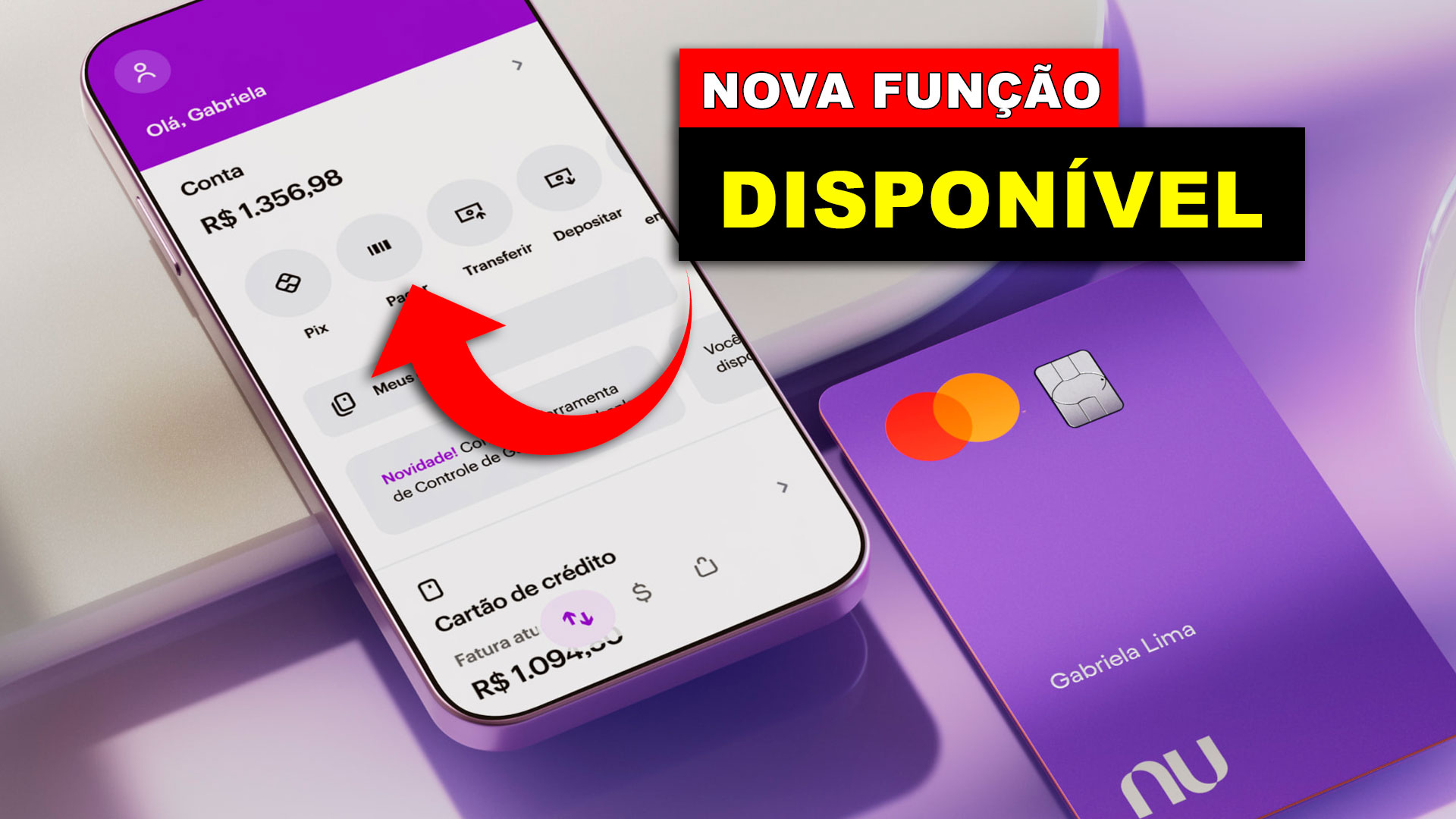


Up to 12x Using the Credit Card Limit, Pix in Credit Pays the Recipient Instantly. Understand How It Works, What the Fees Are, When It’s Worth It, and What Changes with the Arrival of the Central Bank’s Installment Pix.
Nubank has begun offering the option to make Pix transfers using the credit card limit, with payment upfront on the invoice or in up to 12 installments. For recipients, nothing changes: the amount is credited immediately, just like any Pix.
For payers, the charge appears on the invoice, with interest and costs disclosed before confirmation in the app. This functionality expands the range of payment options in emergency situations or to take advantage of discounts offered for Pix payments. According to Nubank itself, the experience was designed to keep spending control in one place.
How Pix in Credit Works at Nubank


In practice, the process resembles a traditional Pix. When starting a transfer in the app, the customer selects the payment method “Credit” instead of “Account Balance”. The app then transparently shows the total cost, the option to pay upfront on the invoice or in installments, and the amount of each installment. Everything is displayed before confirmation so that the customer can decide securely.
-
Lula responds directly to Trump and says that Pix is from Brazil and will not change under pressure from anyone, after a report from the United States pointed out the Brazilian payment system as an American trade barrier.

-
Amazon has just announced a new fee on all deliveries, and your online purchases will become more expensive starting April 17, including for those buying from the United States here in Brazil.

-
He sold his share for R$ 4 thousand, saw the company become a giant worth R$ 19 trillion, and missed the opportunity of a lifetime.

-
Elon Musk’s Starship megafrocket puts $8 billion at risk, raises alarms in the market, and could affect technology, mining, and space internet startups in the coming years.


Nubank informs that the money is credited instantly for those receiving it, just like any Pix. This is a significant difference from credit card purchases, which can take days to settle for the merchant. With Pix in credit, the merchant enjoys immediate liquidity and the payer gains cash flow by consolidating spending on the invoice.
Another recent feature that complements this experience is Proximity Pix within the app, which allows users to bring their phone close to point-of-sale machines with Pix enabled and choose whether the payment will come from their balance or credit. It’s a way to maintain the speed of Pix with the flexibility of a card.
Fees, Installments, and Caution with Interest
It’s important to understand the costs. In traditional Pix, the amount is deducted from the account balance and there is no fee for individuals. However, in Pix in credit, there are interest and charges because it involves using the card limit. The fees are variable and are displayed in the app before completion.
Recent surveys show that, depending on the number of installments, the cost can increase significantly. In a simulation cited by iDinheiro, a transfer of R$ 50 in 12 installments at Nubank could incur over R$ 50 just in interest, highlighting that the resource should be used with planning.
It is always advisable to compare the effective total cost with other alternatives and consider installment prepayments, when available, to reduce interest.
In summary, Pix in credit is useful in emergencies, for organizing monthly cash flow, or taking advantage of Pix discounts when there’s no balance available, but it is recommended to avoid long installments. The practical rule is simple: check the numbers in the app, simulate scenarios, and only confirm if it makes sense for your budget.
What Changes with the Central Bank’s Installment Pix
In addition to banks’ solutions, the Central Bank is expected to launch Installment Pix by September 2025, creating a market standard that may intensify competition with credit cards, as the merchant receives payment upfront while the payer divides the amount over time.
The Reuters agency reported that the new feature aims to expand the use of Pix for higher-value purchases and serve consumers with limited access to credit. Fitch Ratings evaluates that Installment Pix is likely to be the biggest evolution of Pix since 2020, putting pressure on the card ecosystem.
In practice, this means that offers like Nubank’s Pix in credit coexist with a standardized framework from the Central Bank, possibly with different rules, costs, and infrastructure. For consumers, the message remains the same: compare fees, read the screens carefully, and use installment payments responsibly.
When It’s Worth Using
Use Pix in credit to resolve unexpected expenses without hindering monthly cash flow, to centralize expenditures on the invoice, and when there are discounts for Pix that offset the charges. For larger amounts, simulate in the app both upfront and installments and check for cheaper alternatives, such as a personal loan with lower interest or traditional Pix when there’s balance. Transparency on the screens and planning are the keys to avoiding debt.
Ultimately, the combination of instant payment with the credit option is likely to gain even more traction with the Central Bank’s Installment Pix, reshaping retail and Brazilians’ relationship with payment methods. Merchants gain immediate liquidity. Consumers gain flexibility. The cost, however, remains the decisive factor.
We want to hear from you: does Pix in credit make life easier or encourage indebtedness by allowing the installment of everyday transfers? Would you use it to take advantage of Pix discounts or only in emergencies? Leave your opinion in the comments.










Eu usaria em emergência e se tiver um desconto no pagamento no pix em cartão de crédito.