





 Portuguese
  English
  Spanish
  4 min of reading
  0 comments


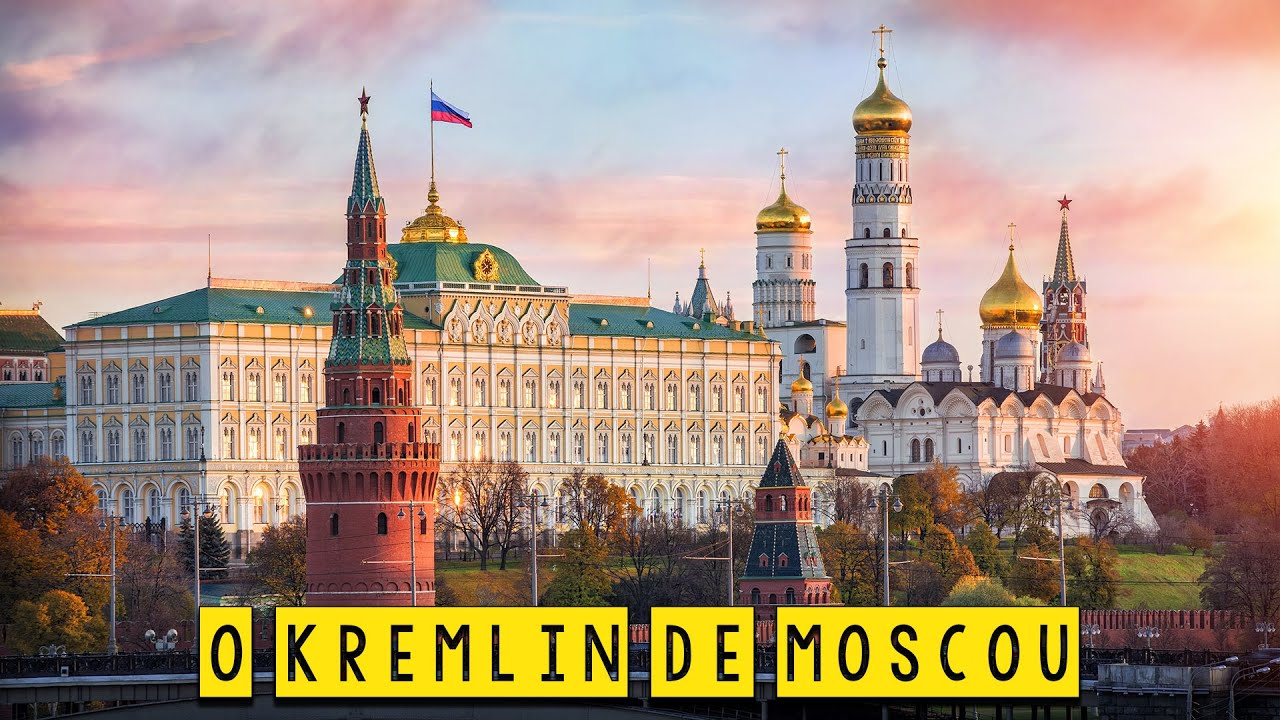
With 280,000 m², Walls of 2.2 km and Five Palaces, the Moscow Kremlin Is a Monumental Fortress That Has Concentrated Russian Power for Over 500 Years and Guards Treasures of World History.
In the heart of Moscow, along the banks of the Moskva River, stands one of the most imposing and emblematic architectural complexes of modern civilization: the Kremlin. With an area of 280,000 square meters, walls that stretch for 2.2 kilometers, and 20 towers, the site is more than a fortress — it is the ultimate symbol of Russian power, the stage for decisions that shaped global geopolitics and the guardian of some of humanity’s greatest cultural and historical treasures.
A City Within a City
The Kremlin effectively functions as a fortified city within Moscow. Its red brick walls surround five palaces, four cathedrals, squares, gardens, and government offices that together tell over five centuries of history.
Since the 15th century, the site has hosted the center of Russian power, first of the czars, then of the Soviet leaders, and today of the modern government of the Russian Federation.
-
Home environment can influence the brain, mood, and well-being: studies indicate an increase of up to 15% in productivity, a reduction of 12% in stress with plants, and a direct impact of the circadian rhythm on the 24 hours of the day.

-
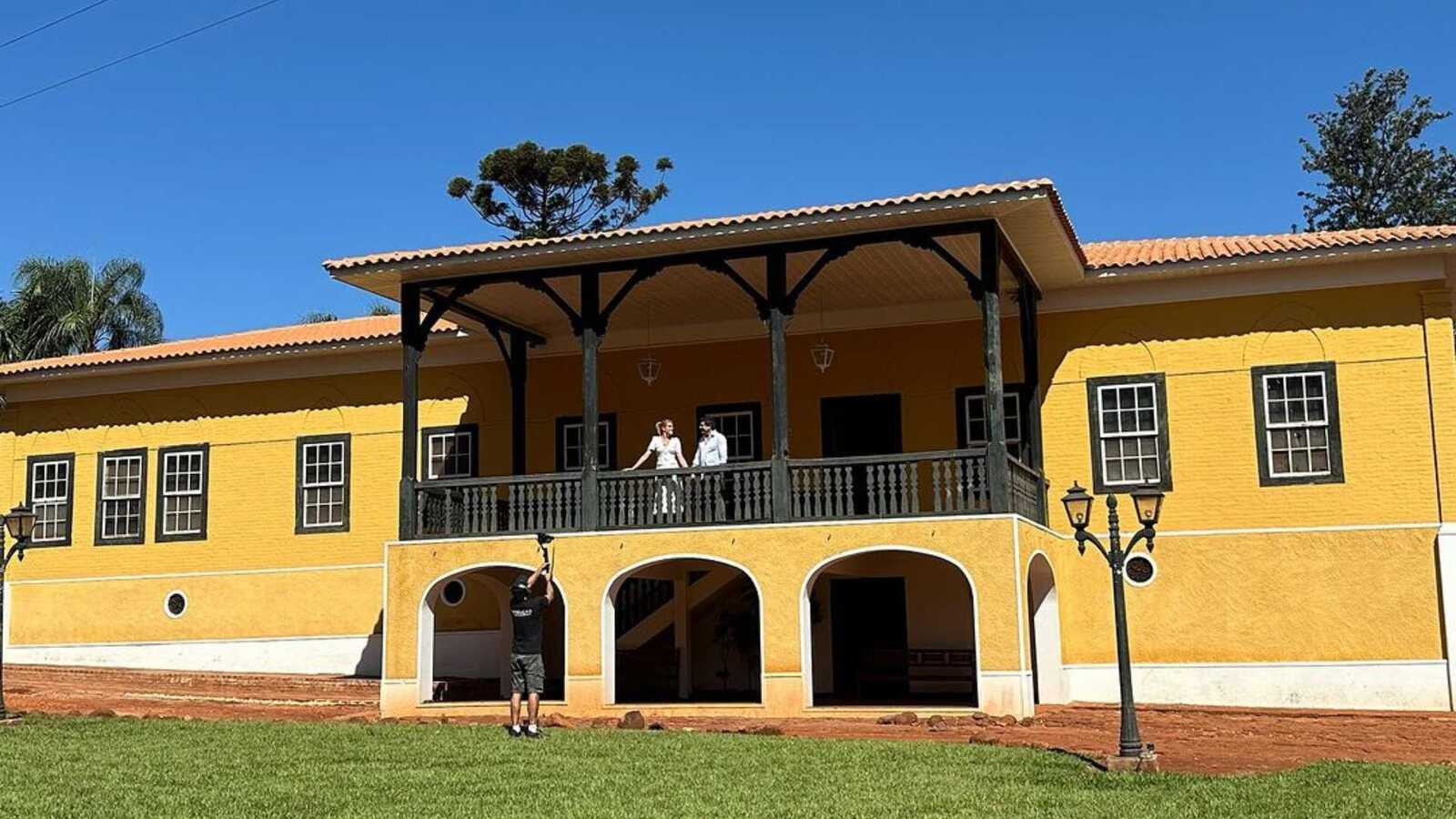
A Brazilian millionaire couple restores a farm over 150 years old in the interior of São Paulo and transforms the historic property with Portuguese tiles, antique furniture, and new spaces into a refuge that blends tradition, comfort, and sophistication.
-
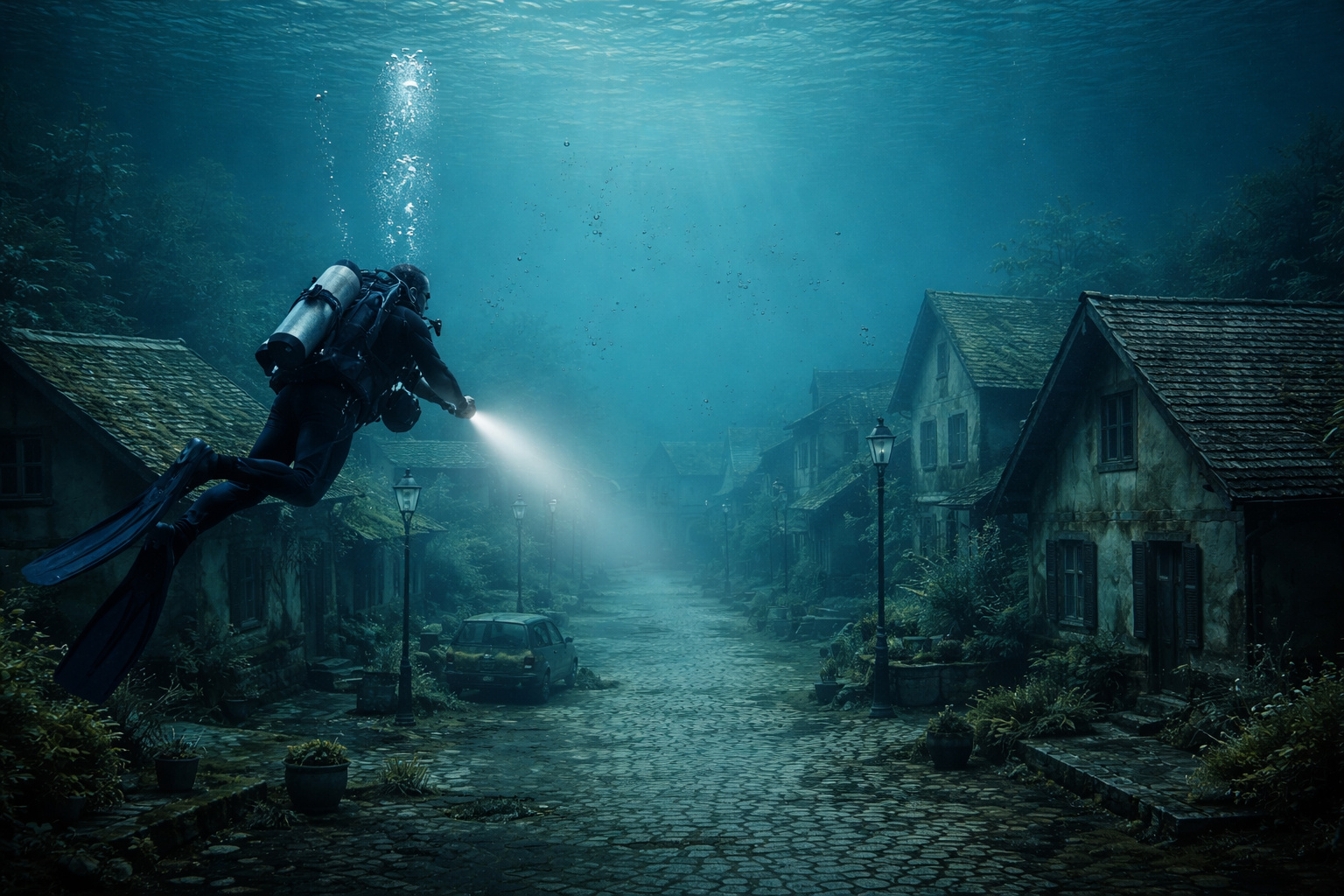
Submerged city in a lake in Minas reveals intact streets, preserved vehicles, and houses after more than 60 years, impressing divers.
-
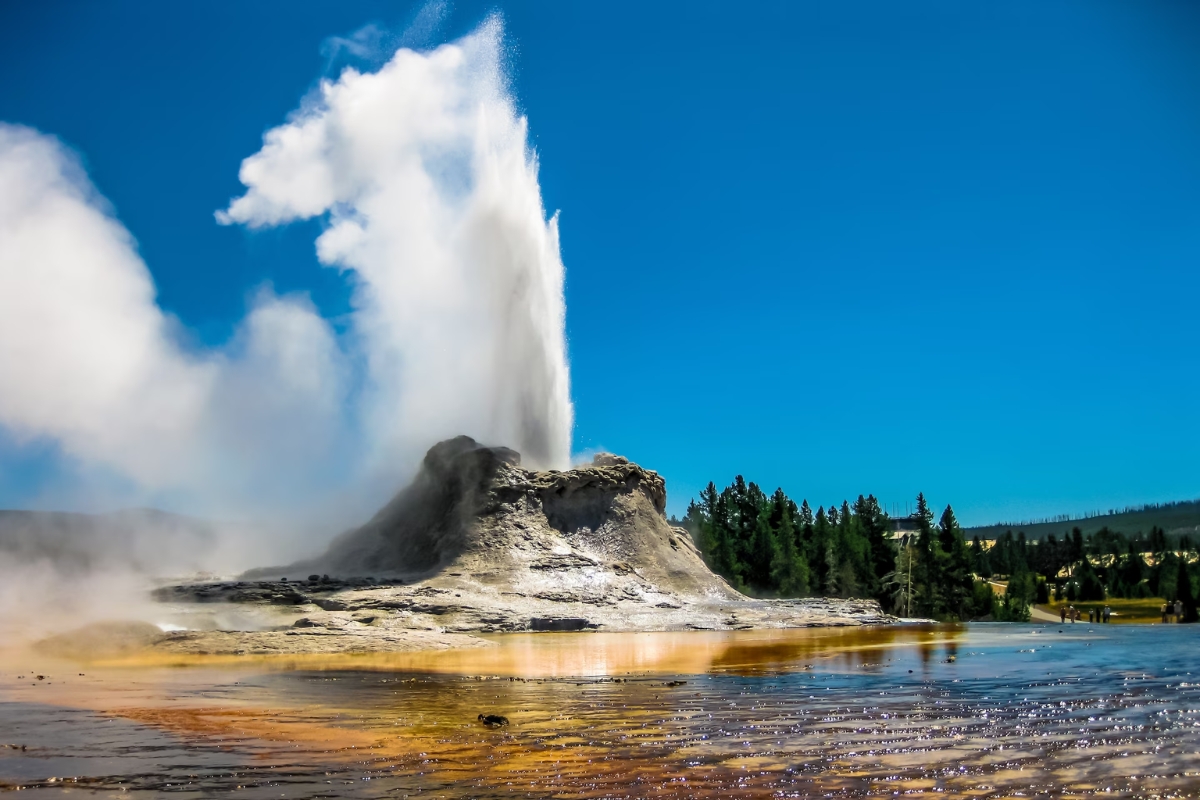
Yellowstone has started to rise again in an area of the caldera, and the movement rekindles fears surrounding the U.S. supervolcano, as scientists monitor the deformation and try to understand what is happening underground.

Originally built of wood in the 12th century, the Kremlin took on its current appearance during the reign of Ivan III (Ivan the Great), between 1482 and 1495. Italian architects were hired to rebuild it in stone, bringing Renaissance techniques and creating one of the most sophisticated ensembles in medieval Europe.
The Political and Spiritual Heart of Russia
For over 500 years, the Kremlin has been the epicenter of Russian power. Here are the official offices of the President of Russia, state meeting rooms, and spaces where official ceremonies, state leader visits, and national celebrations take place.
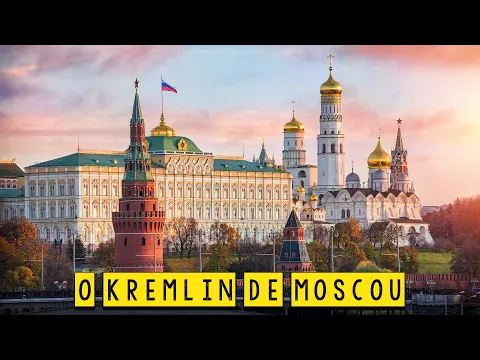

But the Kremlin is also a spiritual space. Its historical cathedrals, such as the Cathedral of the Assumption and the Cathedral of Archangel Michael, have been the site of coronations, royal weddings, and burials of princes and Orthodox patriarchs. Each of them holds centuries of sacred art, with Byzantine icons, golden murals, and gleaming domes that shine under the Moscow sky.
Walls, Towers, and Defense Engineering
The Kremlin walls are a masterpiece of medieval military engineering. Standing 19 meters high and stretching 2.2 km, they are punctuated by 20 towers, each with a strategic function. The most famous is the Spasskaya Tower, built in 1491, with its immense golden clock — the “Kuranty” — that continues to mark the time for official Russian ceremonies.
Another striking structure is the Ivan the Great Bell Tower, standing at 81 meters, which was, for centuries, the tallest building in Russia. From its top, sentinels watched for possible invasions and signaled important events such as coronations and battles with bells.
The Palaces and Treasures of the Kremlin
Among the five palaces of the complex, the grandest is the Grand Kremlin Palace, covering about 25,000 m². Built between 1837 and 1849 by architect Konstantin Thon, it served as the official residence for the czars and is currently used for diplomatic receptions and state events.
The Arsenal Palace, built in 1701, houses historical weapons, cannons, and military trophies from the Napoleonic era. Meanwhile, the Congress Palace, erected during the Soviet era, stands out for its modern style and hosts conferences, performances, and international meetings.
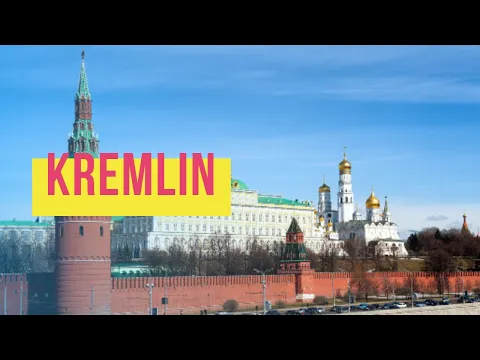
Inside the Kremlin is also the Armory Chamber Museum, considered one of the most valuable in the world. Its collection includes Russian crown jewels, imperial thrones, gold crowns, carriages, scepters, and Fabergé eggs — true works of art that tell the story of the Romanov dynasty.
The Kremlin as a World Heritage Site
Recognized by UNESCO as a World Heritage Site since 1990, the Kremlin is regarded as the largest historical and political complex still in operation in the world. Along with Red Square, it forms a unique architectural ensemble that represents the fusion of temporal and sacred power, between imperial past and modern present.
In addition to its symbolic importance, the Kremlin is also a vibrant cultural center. Thousands of tourists visit its premises every year, exploring museums, squares, and monuments. Among the most sought-after attractions are the Czar Bell, weighing 200 tons, and the Czar Cannon, weighing 39 tons — both created in the 16th century as demonstrations of power and technology.
Today, the Kremlin is not only the heart of the Russian state but also a mirror of human history — a place where kings, generals, artists, and leaders have left their marks. Its walls have witnessed invasions, wars, revolutions, and cultural renaissances.
Over 500 years after its construction, the complex remains operational, illuminated day and night, as if time there has learned to coexist between the past and the present.
The Moscow Kremlin continues to be the most powerful symbol of Russia: a monumental fortress, an architectural gem, and a reliquary of the power that shaped empires and still influences the modern world.







Seja o primeiro a reagir!