





 Portuguese
  English
  Spanish
  4 min of reading
  24 comments


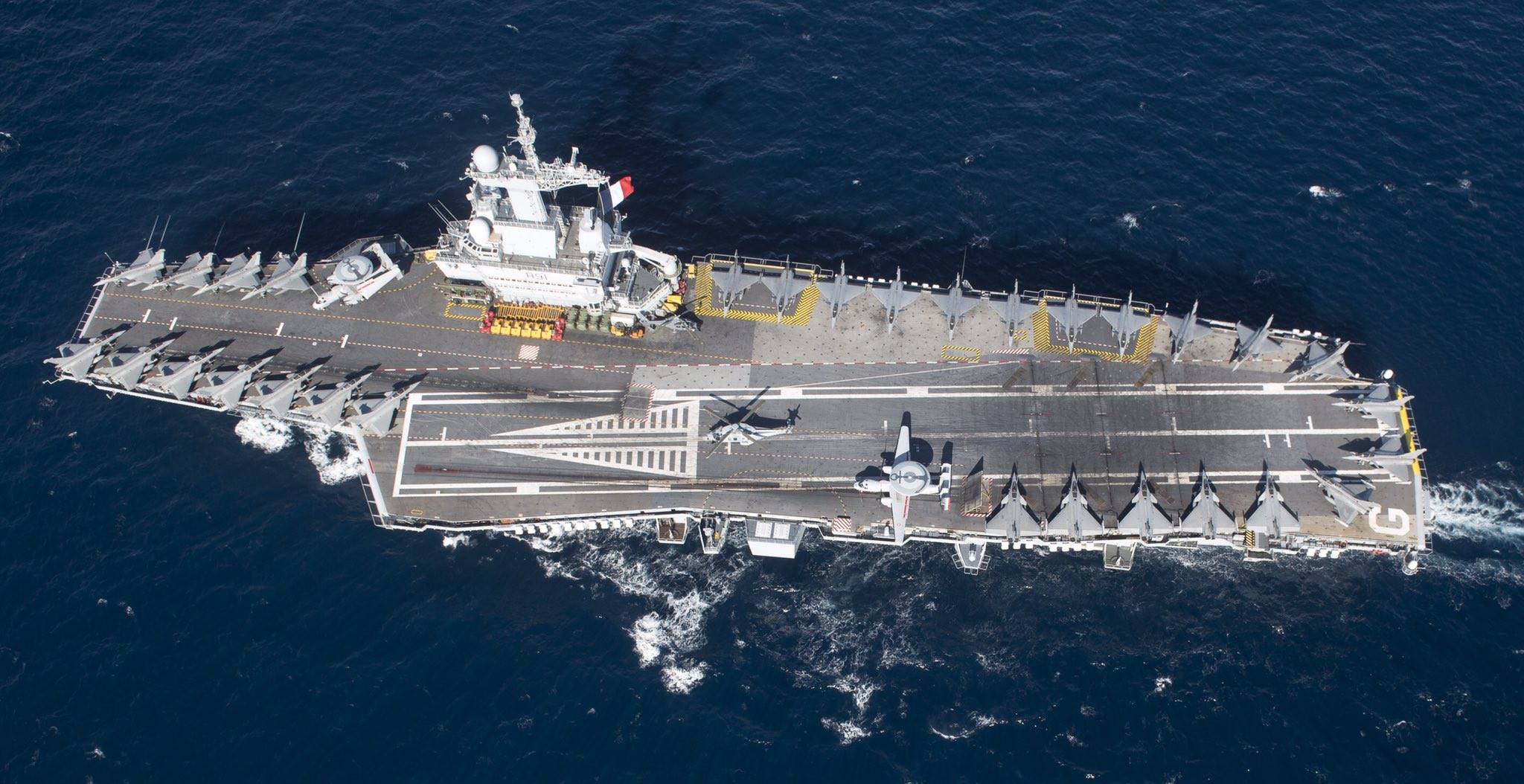


With 42,500 Tons and Nuclear Propulsion, the Charles de Gaulle Is the Only Atomic Aircraft Carrier Outside the U.S. and Has Strategic Autonomy to Cross Oceans Without Fuel Replenishment.
The Charles de Gaulle holds a unique position in modern naval engineering. With a full load displacement of 42,500 tons, it is the only nuclear-powered aircraft carrier in operation outside the United States Navy. Since entering active service in 2001, it has become France’s primary instrument of naval power projection.
Unlike conventional ships powered by diesel or gas turbines, the Charles de Gaulle is equipped with two PWR (Pressurized Water Reactor) nuclear reactors, which are responsible for generating the power required for propulsion, electrical systems, and aircraft launch catapults.
This feature gives the ship an unusual strategic autonomy in the global naval landscape.
-
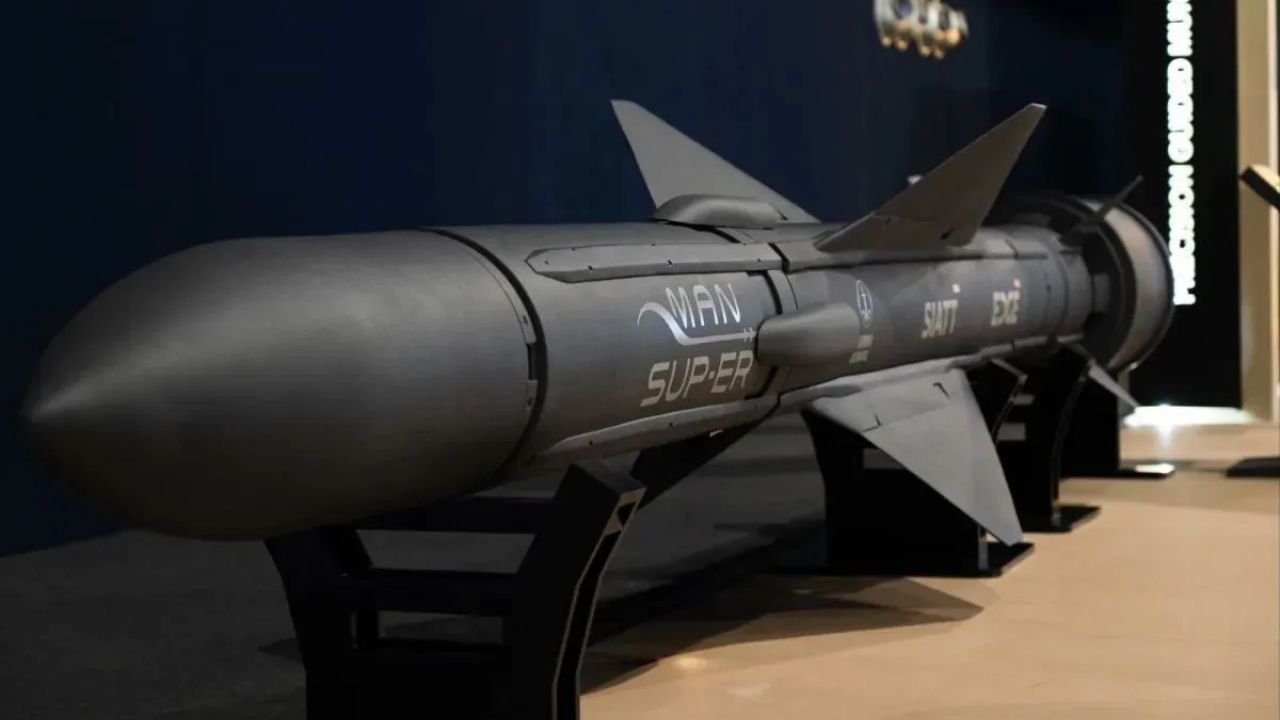
Brazil accelerates the evolution of the MANSUP missile, designing an air-surface version with a range exceeding 200 km, advanced guidance, and precision strike capability against land and naval targets, paving the way for a new generation of national armaments with global potential.
-
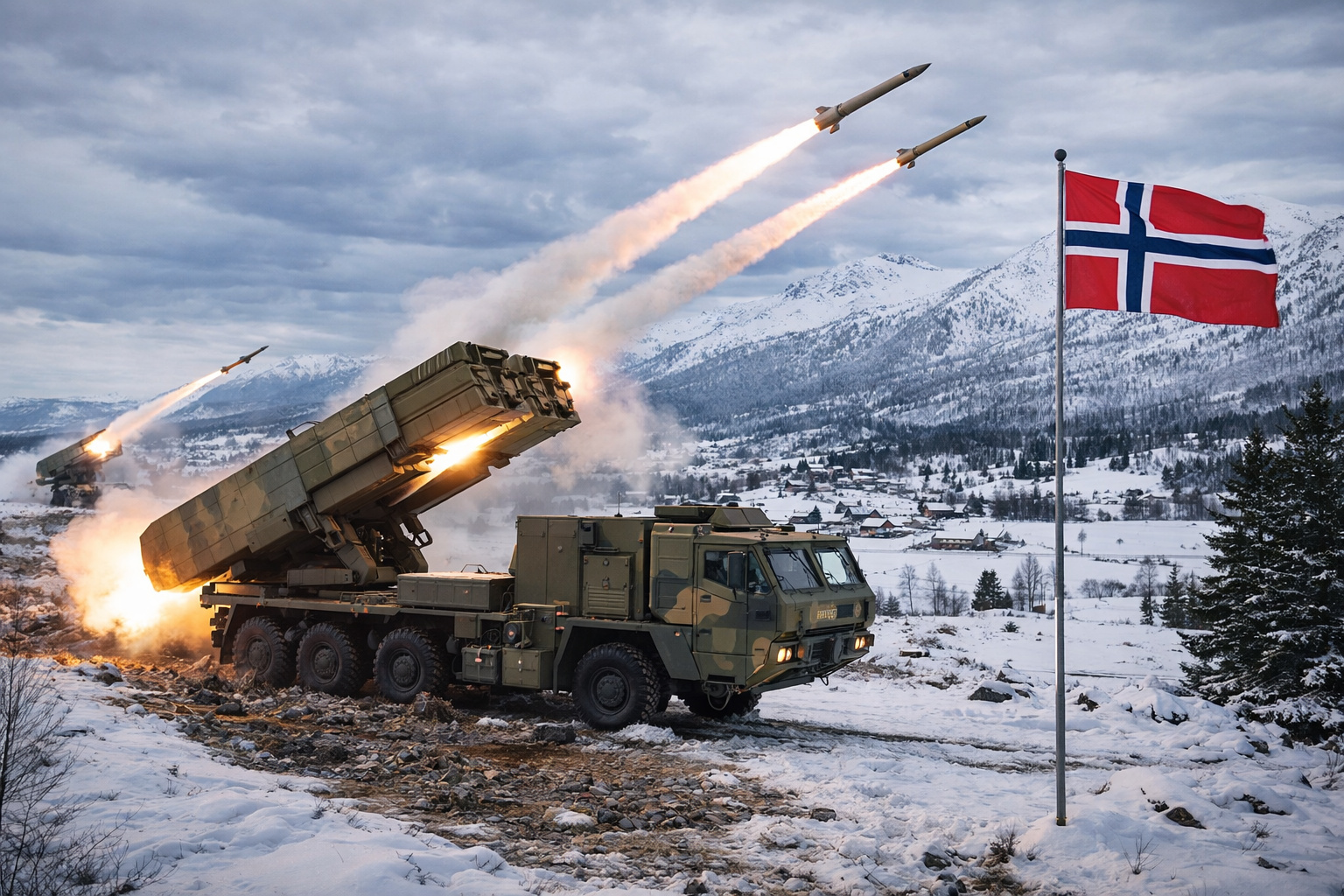
South Korea signs a $922 million deal with Norway, bringing Chunmoo launchers capable of firing guided missiles up to 290 km with an accuracy of 15 meters to Europe and turning the system into a key component of the new global race for precision artillery.
-
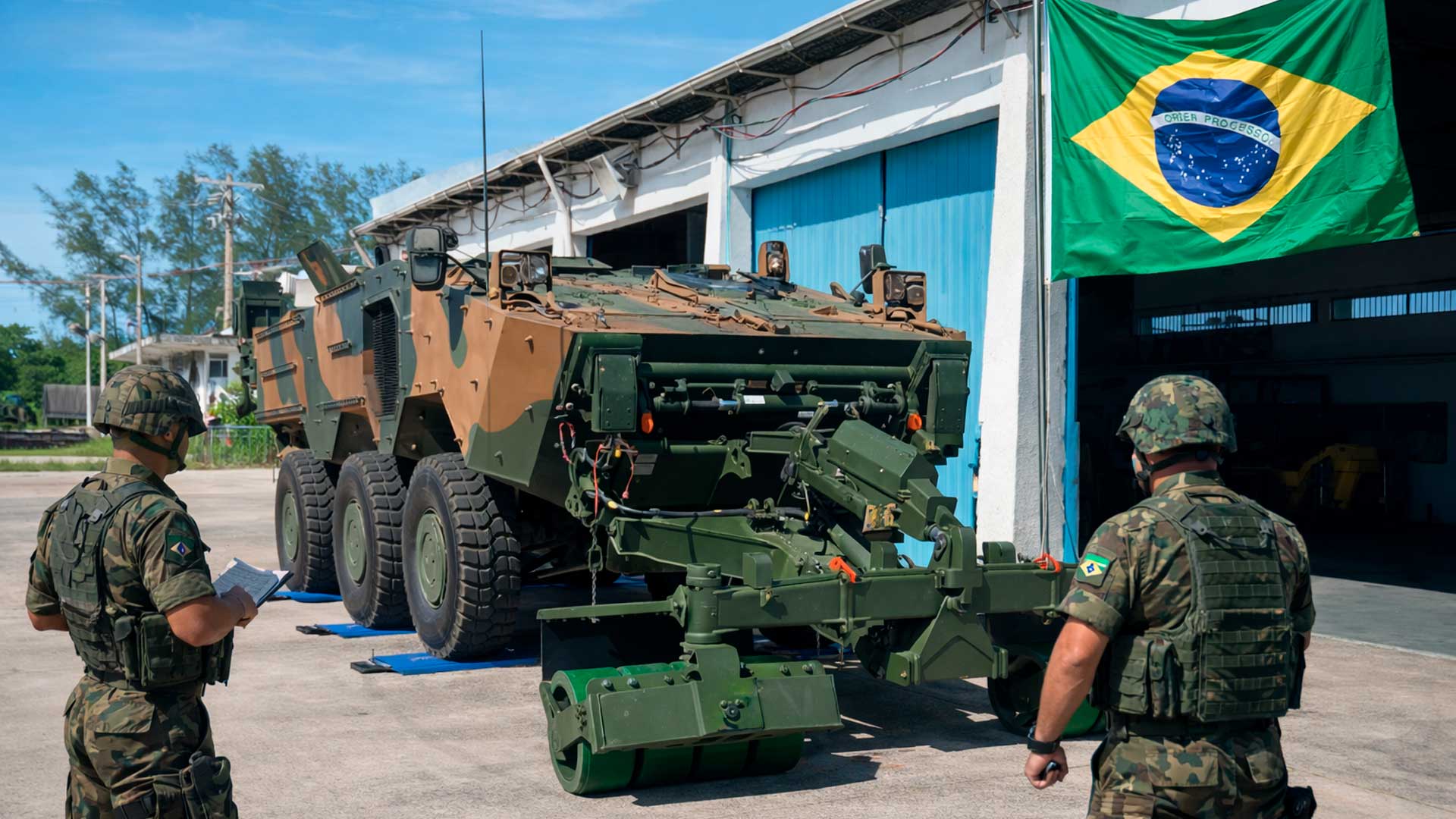
Brazil advances with decisive tests until June, the 6×6 Guarani armored vehicle with engineering equipment enters the most important phase and can enhance the operational capability of the Army.
-
Furnas Airport is handed over to the Navy and becomes a strategic base with complete military operations, attack drones, and international mobilization at Furnas Lake.
Nuclear Propulsion and Strategic Autonomy
The onboard nuclear reactors allow the ship to operate for long periods without the need for fuel replenishment for propulsion. While conventional ships must interrupt missions for frequent refueling, the Charles de Gaulle can cross oceans while maintaining a constant operational speed.

The reactor’s energy autonomy is measured in years before needing nuclear replenishment at a specialized shipyard. This does not mean total absence of logistics — supplies, munitions, and parts still need to be replenished — but it eliminates the constant dependence on fossil fuel.
This differentiator significantly enhances strategic flexibility in long-duration operations.
Dimensions and Operational Capacity of the Charles de Gaulle Aircraft Carrier
The ship is approximately 261 meters long and can carry about 30 to 40 aircraft, including Dassault Rafale in the naval version (Rafale M), as well as E-2 Hawkeye early warning aircraft.
Its maximum speed exceeds 27 knots (approximately 50 km/h), a performance compatible with intensive air operations.
The aircraft launch system uses steam catapults, allowing assisted takeoff with a full load of armaments and fuel.
The Only Nuclear Aircraft Carrier Outside the United States
The uniqueness of the Charles de Gaulle lies in the fact that only the United States operates multiple nuclear aircraft carriers, such as the USS Gerald R. Ford and the Nimitz class.
France has become the only other country to master the technology of nuclear propulsion onboard an operational aircraft carrier.
This technological mastery involves:
- Engineering of onboard compact reactors
- Naval nuclear safety systems
- Energy integration for combat systems
It represents an industrial level achieved by only a few powers.
Power Projection and Real Operations of the Charles de Gaulle Aircraft Carrier
Since its entry into service, the Charles de Gaulle has participated in operations in the Middle East, Mediterranean, and Indian Ocean. The ship has been employed in missions against Islamic State targets and in high-intensity exercises with NATO forces.

Its ability to operate far from French territory for extended periods reinforces France’s deterrence policy and global presence.
The combination of embarked aviation and nuclear autonomy allows for continuous air coverage in distant operational theaters.
Logistical Limitations and Nuclear Maintenance
Although the reactor allows prolonged operation without refueling, the ship still relies on replenishment of:
- Food
- Munitions
- Replacement parts
- Medical supplies
Additionally, nuclear reactors require periodic maintenance cycles at a shipyard, which can last for months. These periods are planned in advance and are part of the normal operational cycle.
Nuclear autonomy does not eliminate logistics — it reduces energy dependence.
Comparison with Conventional Aircraft Carriers
Conventional aircraft carriers depend on fossil fuel for both propulsion and electrical generation. This limits range and continuous time on mission. In the case of the Charles de Gaulle, nuclear energy ensures:
- Longer time on station in operational areas
- Reduced logistical vulnerability
- Rapid response capability without immediate energy support
This feature is strategic in international crisis scenarios.
Naval Engineering and Technological Sovereignty
The construction of the Charles de Gaulle represented a milestone for the French shipbuilding industry. Developing and operating a nuclear aircraft carrier demands simultaneous mastery of naval engineering, nuclear technology, and embarked aviation. The ship symbolizes not just military capability but also technological autonomy.
France has already announced plans to replace it in the coming decades with a new advanced generation nuclear aircraft carrier, reinforcing the continuity of this strategy.
Energy Autonomy as a Strategic Differentiator
With 42,500 tons and two onboard nuclear reactors, the Charles de Gaulle remains one of the most sophisticated naval platforms outside the United States Navy.
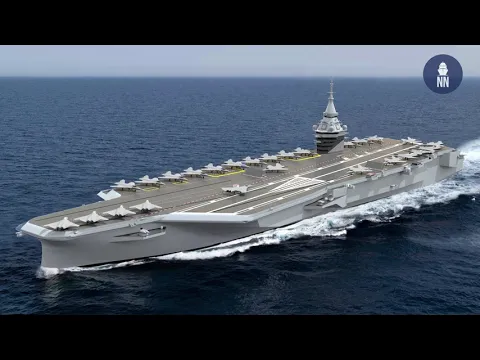

Its ability to cross oceans without the need for conventional fuel replenishment expands France’s strategic reach and consolidates its position among the few powers with complete mastery of naval nuclear propulsion in aircraft carriers.
In a global scenario where energy autonomy and power projection are decisive factors, the Charles de Gaulle continues to be one of the clearest symbols of high-level naval engineering in the 21st century.










Não tem no Brasil porque não temos essa tecnologia somos muito inteligente ó povo e não termos
Infelizmente essa informação não procede, um porta aviões, só com 42.500 toneladas. Nunca!! Trabalhei em um navio, que só de combustível ele cheio era 250.000 litros de óleo diesel, navio pequeno, imagine um cargueiro.
mas a imformação procede, dá uma pesquisada
Nunca que um porta avião terá ou tem 42.500, essa informação não procede.