





 Portuguese
  English
  Spanish
  6 min of reading
  0 comments


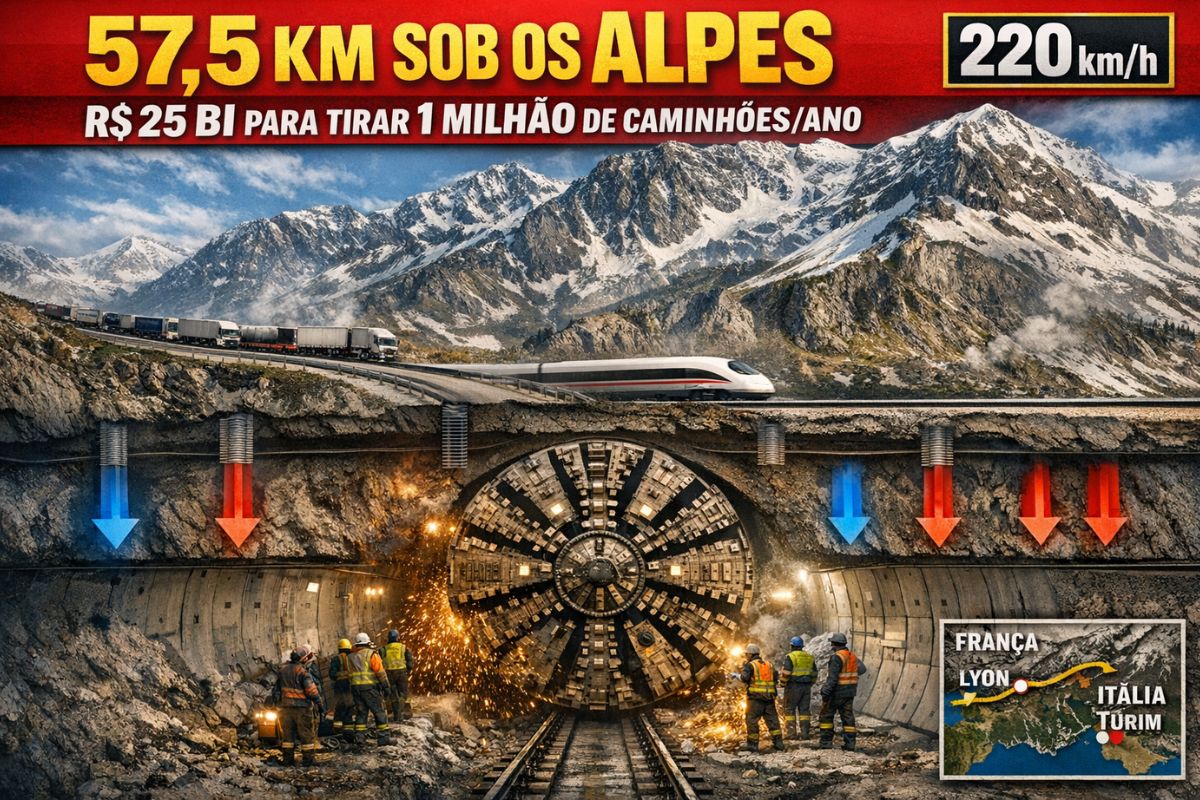
Under 57.5 Km of Rock in the Alps, the Mont Cenis Base Tunnel Costs 25 Billion Euros, Promises Trains at 220 Km/h, and Was Designed to Take 1 Million Trucks off the Roads Per Year Between France and Italy
With 57.5 km excavated under billions of tons of Alpine rock, the Mont Cenis base tunnel is one of the most ambitious projects in modern engineering. Hidden in an environment of heat, extreme pressure, and total darkness, it was designed to connect Lyon, France, to Turin, Italy, on a new high-capacity railway axis that promises to, in practice, take 1 million trucks off the roads per year and redesign logistics between two of the largest economies in Europe.
More than a record length, the Mont Cenis tunnel emerges as a response to an exhausted system. The old line from 1871, with summit tunnels full of curves and steep gradients, forces freight trains to climb the mountain using up to three locomotives to push about 2,000 tons, consuming excess energy and wearing out tracks and rolling stock. In a scenario where 92% of goods still cross the Alps by truck, the new tunnel becomes not just a showpiece but a necessity.
Why the Old Model Became a Dangerous Bottleneck

The historic crossing of the Alps between France and Italy has long been a symbol of technological achievement. When the old tunnel went into operation in the 19th century, it was regarded as a wonder. Today, however, that same infrastructure has become a burden. The current line winds through the mountain like a twisted thread, featuring many tight curves and steep inclines that are direct enemies of freight trains.
-
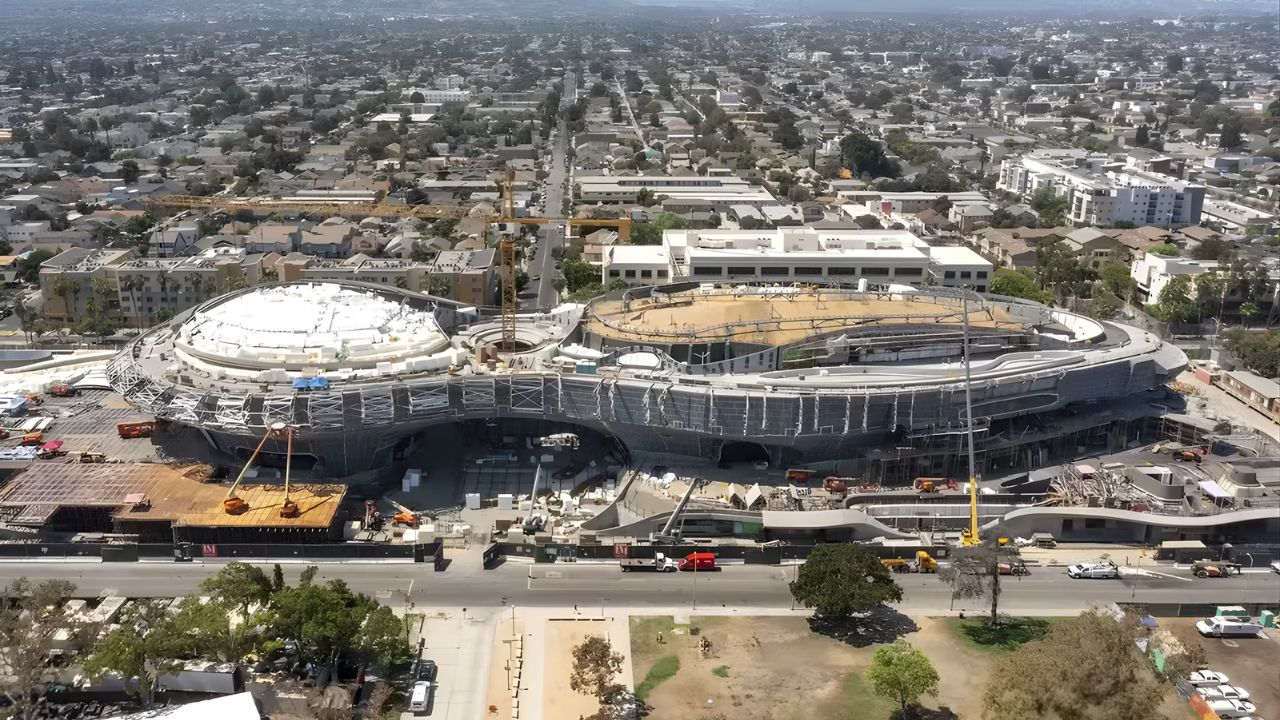
Created by George Lucas with over $1 billion, a futuristic museum in the shape of a spaceship with 1,500 curved panels is about to open in Los Angeles and will house one of the largest private collections of narrative art in the world.
-
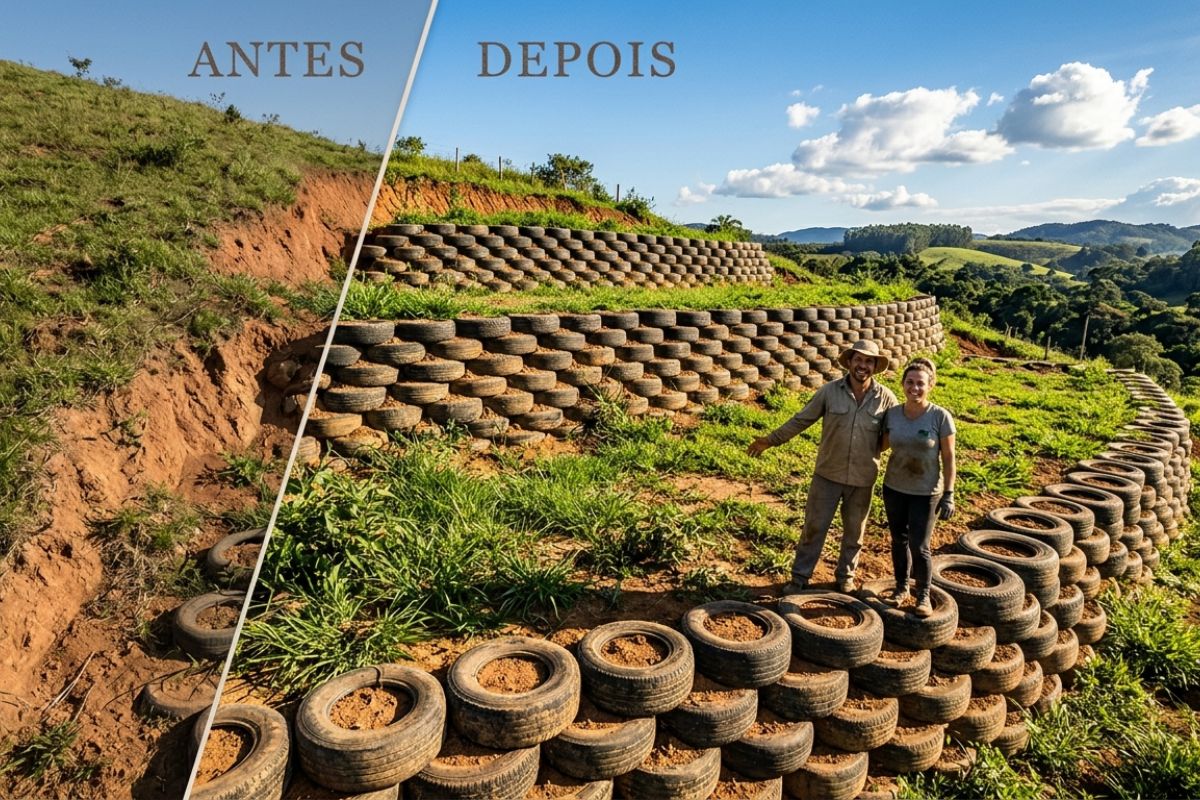
Couple shows how they built a retaining wall on their property using 400 old tires: sloped land turned into plateaus, tires are aligned, filled, and compacted with layers of soil, with grass helping in support and at almost zero cost.
-
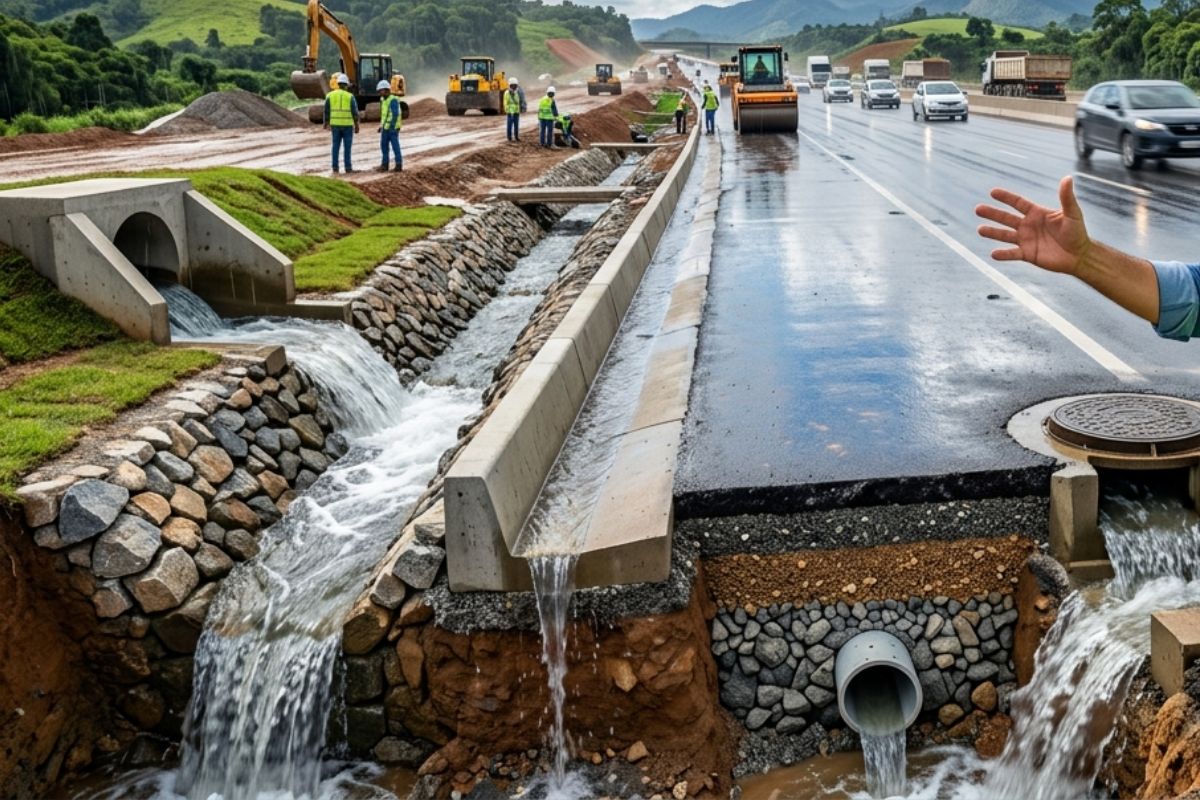
Engineer explains drainage during the rainy season: the difference between surface water and deep water, ditches, gutters, and water outlets on the road, as well as drains and drainage mattresses, to prevent erosion, aquaplaning, and flooding at the construction site today.
-
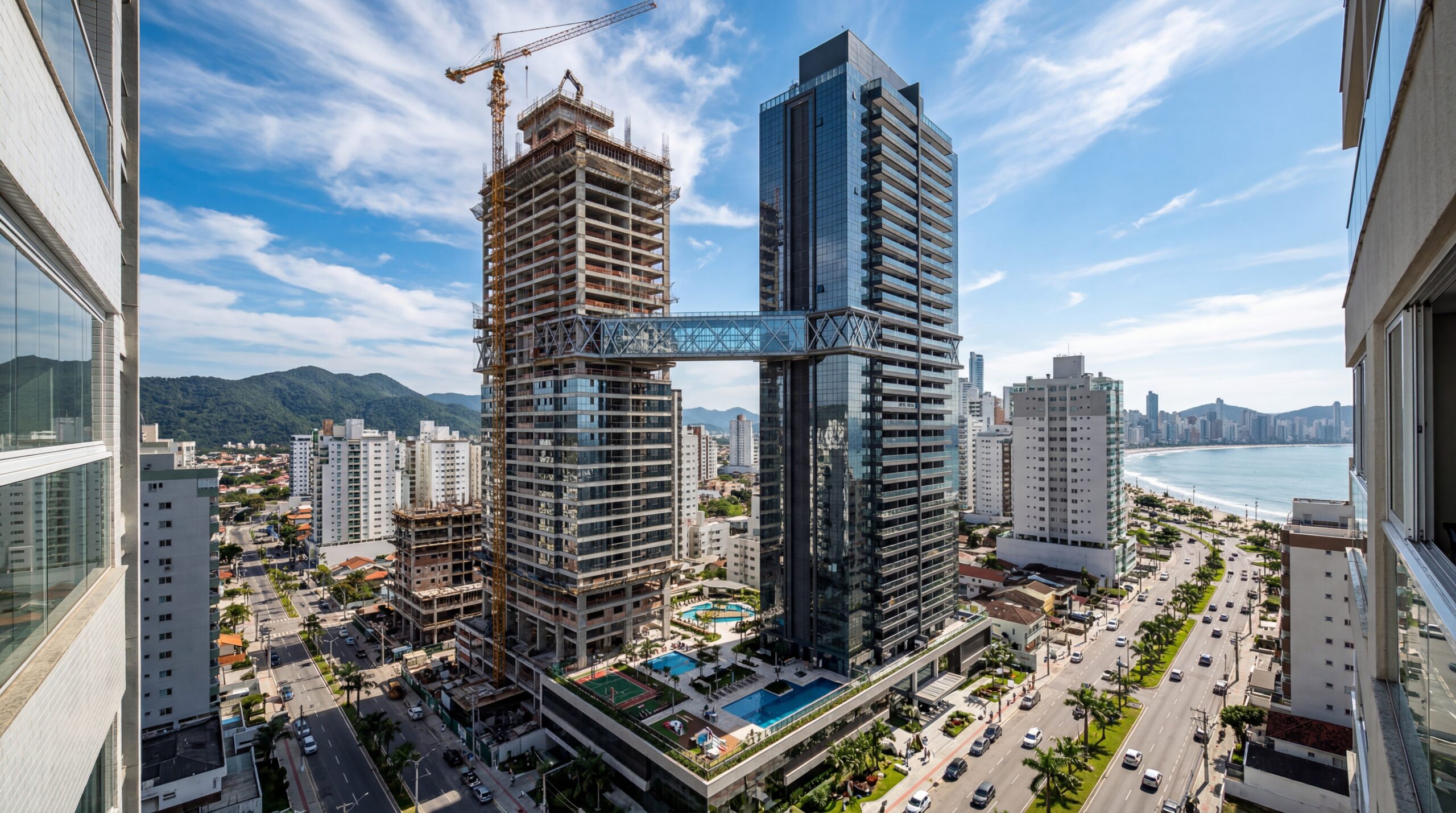
With 55 floors, 177 meters in height, a 15-meter walkway between the twin towers, ventilated facade, and 6,300 m² of leisure space, Ápice Towers already has one tower completed and another nearly at the top.

In practice, this means huge energy consumption, limited speed, and restricted transport capacity. This fragility was made clear in 2023 when a major landslide closed the line for almost 18 months.
In a matter of hours, France and Italy were separated by a barrier of collapsed rock, forcing even more trucks onto the Alpine highways. The message was clear: the old system is no longer safe or sustainable.
What Changes with a Base Tunnel Under the Alps


The major shift of the Mont Cenis tunnel lies in the concept of a base tunnel. Instead of making trains climb to high altitudes to cross the mountain at the top, the project starts the line at lower ground and continues almost straight underneath the massif. Trains no longer have to climb the mountain and instead cross the Alps almost in a straight line, with less incline and much more operational stability.
This changes everything for freight: the same locomotive can pull many more cars, the average speed increases, energy consumption decreases, and considering these variables, the total railway capacity can triple compared to the old line.
This is how, on paper, it becomes feasible to take 1 million heavy trucks off the roads per year, transferring tons of cargo from highways to rails.
A Geological Battleground of 57.5 Km
Building a tunnel that is 57.5 km under the Alpine massif is nothing like digging a hole in flat ground. In many sections, the tunnels are about 2,000 meters below the mountain top, in an environment where the rock pressure is colossal and any slight mistake can compromise the stability of the entire structure above.
Engineers face extremes within just a few meters: blocks of extremely hard granite and gneiss followed by soft clay, fractured rocks, and water-saturated fault zones.
No single technology solves all problems. Every meter excavated is a different challenge, requiring a combination of tunnel boring machines, explosives, and rapid reinforcement techniques for the massif.
Giant Tunnel Boring Machines, Controlled Explosives, and Shotcrete
In the most stable sections, TBM tunnel boring machines come into play, true mobile factories around 300 meters long and weighing about 2,000 tons. These machines excavate, remove debris, reinforce the walls, and install the final concrete lining simultaneously, in a continuous underground production line.
The cutting head, equipped with tungsten carbide discs, adjusts pressure, speed, and force according to the hardness of the rock in real time. In areas with pockets of water or weak rocks, the TBM slows down, changes the operating mode, and increases control to avoid collapses. Behind the cut, robotic arms install pre-cast concrete segments, with flexible rubber joints that ensure sealing and durability.
When the geology becomes too unpredictable, TBMs must stop. In such sections, the advancement goes back to the classic method of drilling with controlled explosives.
Robots open dozens of holes calculated by geotechnical software, detonating only the necessary section and seismic sensors monitor each explosion. Shortly afterward, shotcrete with steel fibers is applied directly to the rock to lock the massif before it moves again.
Ventilation, Extreme Heat, and Vertical Shafts as Lungs
Excavation is only half the problem. At depths where the rock can reach 40 or 50 ºC, the tunnel would become an oven without massive ventilation.
To deal with this, engineers adopted reverse drilling techniques, creating large-diameter vertical shafts connecting the inside of the tunnel to the mountain top.
First, a pilot drill descends almost perfectly from the surface until it meets the tunnel below. Then, a giant cutting head is installed inside the tunnel and pulled back up, widening the hole to form a complete shaft. These shafts function as true lungs of the system, allowing fresh air to be pushed down and expelling hot air, dust, and gases out of the mountain.
In emergencies, the same shafts serve as vertical escape routes and quick access for rescue teams, with stairs, communication, and safety equipment distributed along the way.
Taking 1 Million Trucks off the Roads and the Climate Impact

The most repeated logistical and environmental objective of the project is clear: to take 1 million trucks off the roads per year, replacing tons of carbon emissions with electric trains that cross the Alps at 220 km/h.
Today, the overwhelming majority of goods between France and Italy are transported by road, causing wear on highways, congestion, and millions of tons of carbon dioxide released into the atmosphere.
With the Mont Cenis tunnel integrated into the Mediterranean corridor of the trans-European transport network, the idea is to create a continuous rail flow that can connect, for example, Spain to Hungary with less dependence on trucks on critical stretches.
From this perspective, the tunnel stops being just a Lyon–Turin connection and becomes a central piece in a network designed to reduce emissions on a continental scale, while maintaining the circulation of goods in crisis situations like landslides or roadblocks.
The Cost of 25 Billion Euros and Local Controversies
A project of this scale, however, does not emerge without resistance. The estimated cost of 25 billion euros fuels criticism regarding public investment priorities.
In the Susa Valley, Italy, movements against high-speed trains fear the destruction of natural areas and the spread of asbestos dust during excavation, as well as long-lasting impacts on the local ecosystem.
From a global perspective, advocates remind us that the same project that generates impacts on the scale of a valley promises to reduce climatic impacts across an entire continent by taking 1 million trucks off the roads each year of operation. The debate in practice pits the tranquility of an Alpine region against the need for a cleaner and more resilient transport grid for all of Europe.
What It Means to See a Train Crossing the Alps at 220 Km/h
When the first train crosses the Mont Cenis tunnel at 220 km/h, it will carry more than just passengers and containers. It will carry with it decades of engineering experience under extreme conditions, difficult political decisions, and the bet that it is possible to use heavy technology to reduce emissions and ensure safety on a route that has already shown its limits.
For the engineers working far from daylight, amid rock dust, heat, and constant noise, every meter advanced is part of a future where long-distance transport relies less on trucks and more on electric rails. And for those watching from the outside, the tunnel raises an inevitable question.
After learning about the story of the Mont Cenis tunnel and the promise to take 1 million trucks off the roads per year, do you think that this type of mega project is a necessary cost for cleaner transport or too high a price for the local environment to pay?








-

-

-

-

5 pessoas reagiram a isso.