





 Portuguese
  English
  Spanish
  4 min of reading
  0 comments



With A Rare Mutation In The FAAH-OUT Gene, 65-Year-Old Woman Lives Pain-Free, Feels No Anxiety, And Heals Quickly, In A Groundbreaking Discovery From University College London.
In 2019, researchers from University College London (UCL) and University of Oxford revealed one of the most intriguing findings in modern genetics: the case of Jo Cameron, a Scottish woman who lived over 65 years without feeling physical or emotional pain, without anxiety, without fear, and with accelerated healing ability, thanks to a groundbreaking mutation in the FAAH-OUT gene.
The discovery, published in the British Journal of Anaesthesia and reported by outlets such as BBC, The Guardian, and National Geographic, opened a new chapter in pain science by demonstrating that a small alteration in a little-studied gene can completely rewrite how the brain interprets suffering, stress, and danger.
A Lifetime Without Realizing She Was Different
Jo Cameron spent her childhood and adult life believing that “feeling little pain” was common. She only sought medical help at 65 when she realized that:
-
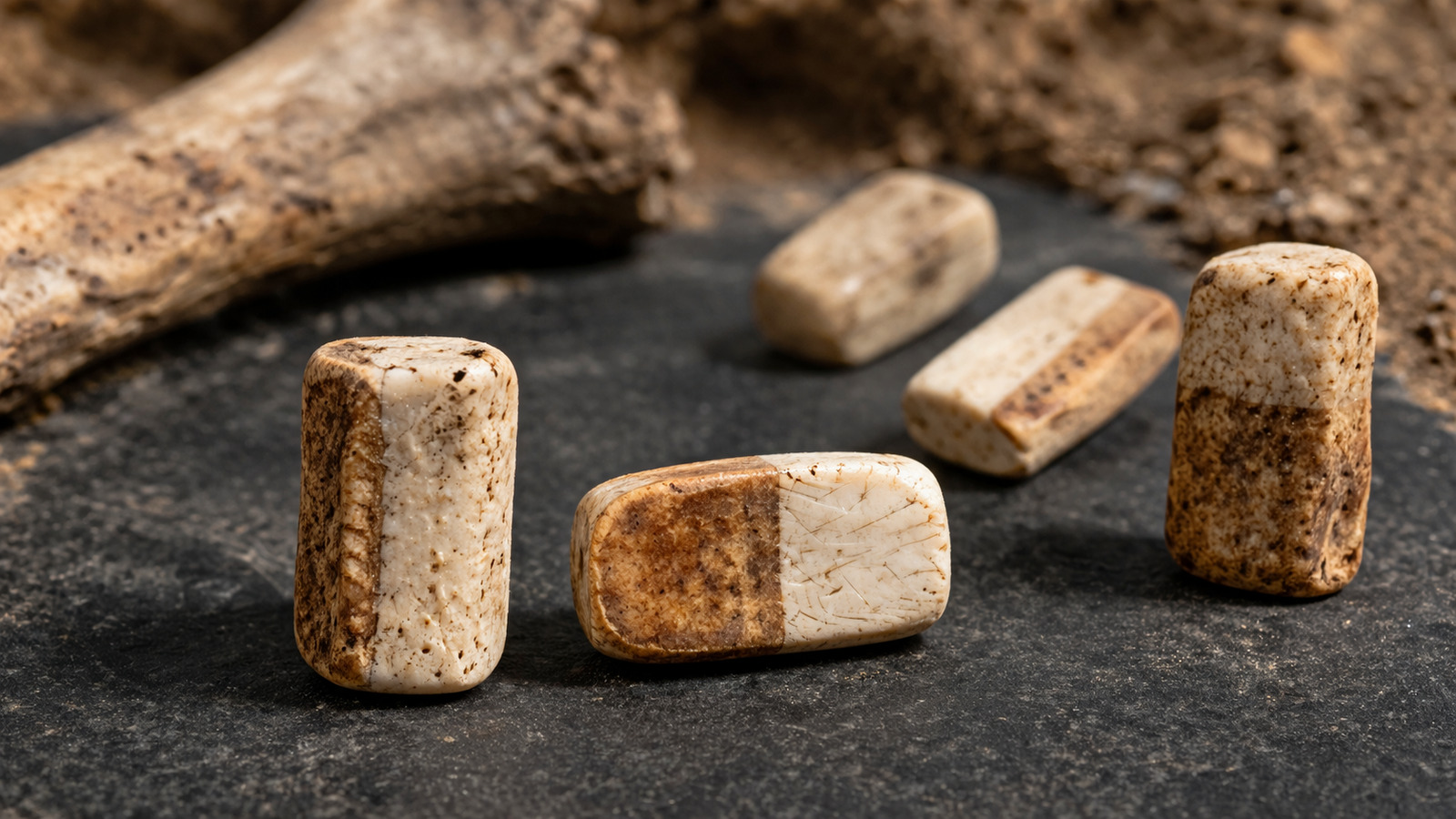
They seemed like common bones, but scientists were surprised to find a relic over 12,000 years old that dates back to before the Bronze Age.
-
With an almost perfect ring of 70 km visible from space, known as the “Eye of Quebec” and over 100 km in length, the Manicouagan Crater in Canada reveals the colossal mark left by a giant asteroid and has become one of the most impressive formations ever identified on the Earth’s surface.

-
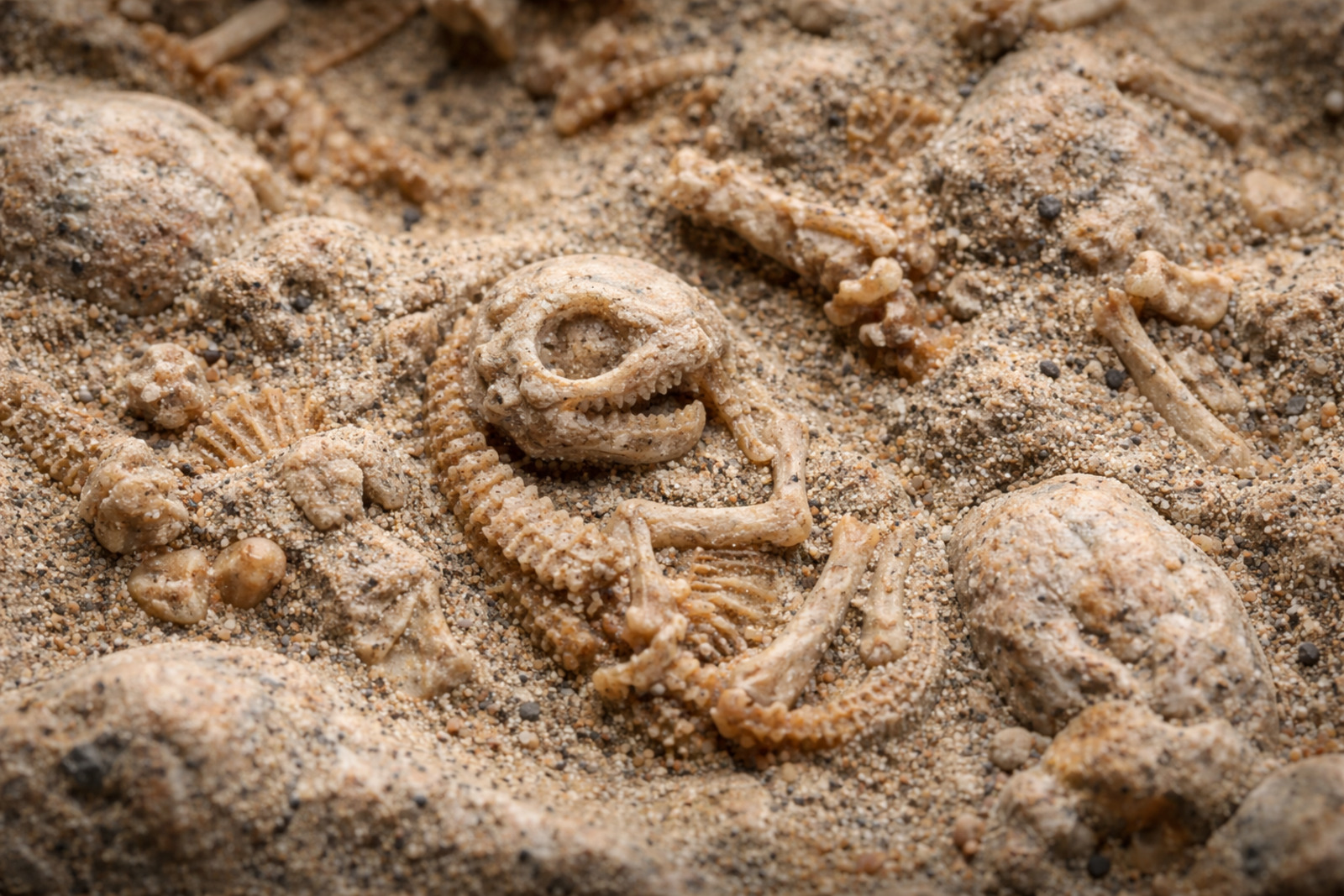
Scientists have found in China dinosaur embryos dating back 190 million years in various stages of development, and the discovery still preserves traces of extremely rare proteins in the bones, something that could change what is known about life before hatching.
-
The CEO of Honor in Spain says that smartphones will change with AI, foldables, and even robot phones; the component crisis is making cheap models more expensive in 2026 and shifting the focus to premium.

- she felt no pain even after surgeries;
- had never used painkillers;
- burns, cuts, and fractures caused her no discomfort;
- rarely felt fear or worry;
- had never experienced anxiety;
- her skin healed faster than normal.


The alert came when, after hand surgery, doctors were perplexed by her complete lack of pain, even after invasive procedures. It was this episode that led her to extensive genetic research.
The Genes That Change Everything: FAAH And FAAH-OUT
The study revealed two simultaneous changes:
- A mutation in the FAAH-OUT gene, previously considered “non-functional”.
- A variation in the FAAH gene, responsible for metabolizing endocannabinoids — substances involved in pain sensation, mood, and emotional memory.
The mutation drastically decreased FAAH enzyme activity, leading to elevated levels of natural molecules related to pleasure and stress relief, such as anandamide, known as the “happiness molecule.”
The result: an organism that does not interpret pain, does not develop anxiety, and does not form traumatic memories in the same way that most people do.
Why Is This So Rare?
Geneticists explain that FAAH-OUT is a “silent regulatory” gene, meaning that small faults in it can alter deep processes without producing visible mutations. The rarity of the case is such that:
- no other person with identical mutations has been found;
- FAAH-OUT has been re-studied in several laboratories;
- the case has become a global reference in pain genetics.

The study has even shifted the focus of pharmaceutical research towards the development of new painkillers and treatments for anxiety.
Accelerated Healing: The Other Mystery
Another point that caught doctors’ attention was Jo Cameron’s unusual healing ability. Deep cuts, surgical wounds, and burns closed quickly and left minimal marks. Scientists associated this with:
- increased endocannabinoids in the blood;
- reduced local inflammation;
- modulated immune responses;
- hyper-regeneration of epithelial tissues.

Today, researchers are studying how the mutation could inspire treatments to accelerate post-surgical recovery.
The Emotional Life Of Someone Who Feels No Fear Or Anxiety
The absence of physical pain is only half the story. Studies indicate that Jo lives in an extremely rare emotional state:
- feels no fear in risky situations;
- almost never experiences stress;
- reports constant happiness;
- her emotional memory does not register traumas;
- anxiety levels are practically nonexistent.
For psychiatrists, this is especially relevant because the FAAH gene is also linked to the regulation of neurotransmitters associated with disorders such as depression and generalized anxiety.
The case has reignited debates about the ethical limits of genetic modification and potential future therapies for emotional disorders.
What Medicine Has Learned From Jo Cameron
Since the study was published, scientists around the world have begun investigating:
- new painkillers based on blocking FAAH;
- gene therapies for people with chronic pain;
- medications for anxiety linked to FAAH-OUT;
- mechanisms of accelerated healing;
- natural stress modulation.
Despite the advances, researchers emphasize that artificially replicating such a complex phenomenon is extremely difficult and involves risks.
The Social And Scientific Impact Of The Case
Jo Cameron’s story is not just a genetic curiosity and has opened doors to:
- neuroscience research on emotional memory;
- the use of endocannabinoids in medications;
- new studies on neuropathic pain;
- advances in post-operative treatments;
- revisions in pain control protocols.
What once seemed like an isolated episode has become a scientific foundation influencing laboratories in the UK, USA, and Europe.
A Phenomenon That Continues To Be Studied
Even after years of research, scientists still do not fully understand how a single mutation can alter so many aspects of human behavior.
The case continues to be studied and will likely serve as a starting point for new discoveries in regenerative medicine and treatments for anxiety.
A Body That Rewrote The Science Of Pain
Jo Cameron’s story is a watershed moment. Not only for revealing a woman who lives without pain but because her genetics provide clues about future treatments capable of alleviating the suffering of millions of people.
The research indicated that the human body possesses unknown mechanisms — and that a single mutation can redefine everything medicine believed to know about pain, fear, anxiety, and healing.







Seja o primeiro a reagir!