





 Portuguese
  English
  Spanish
  7 min of reading
  0 comments


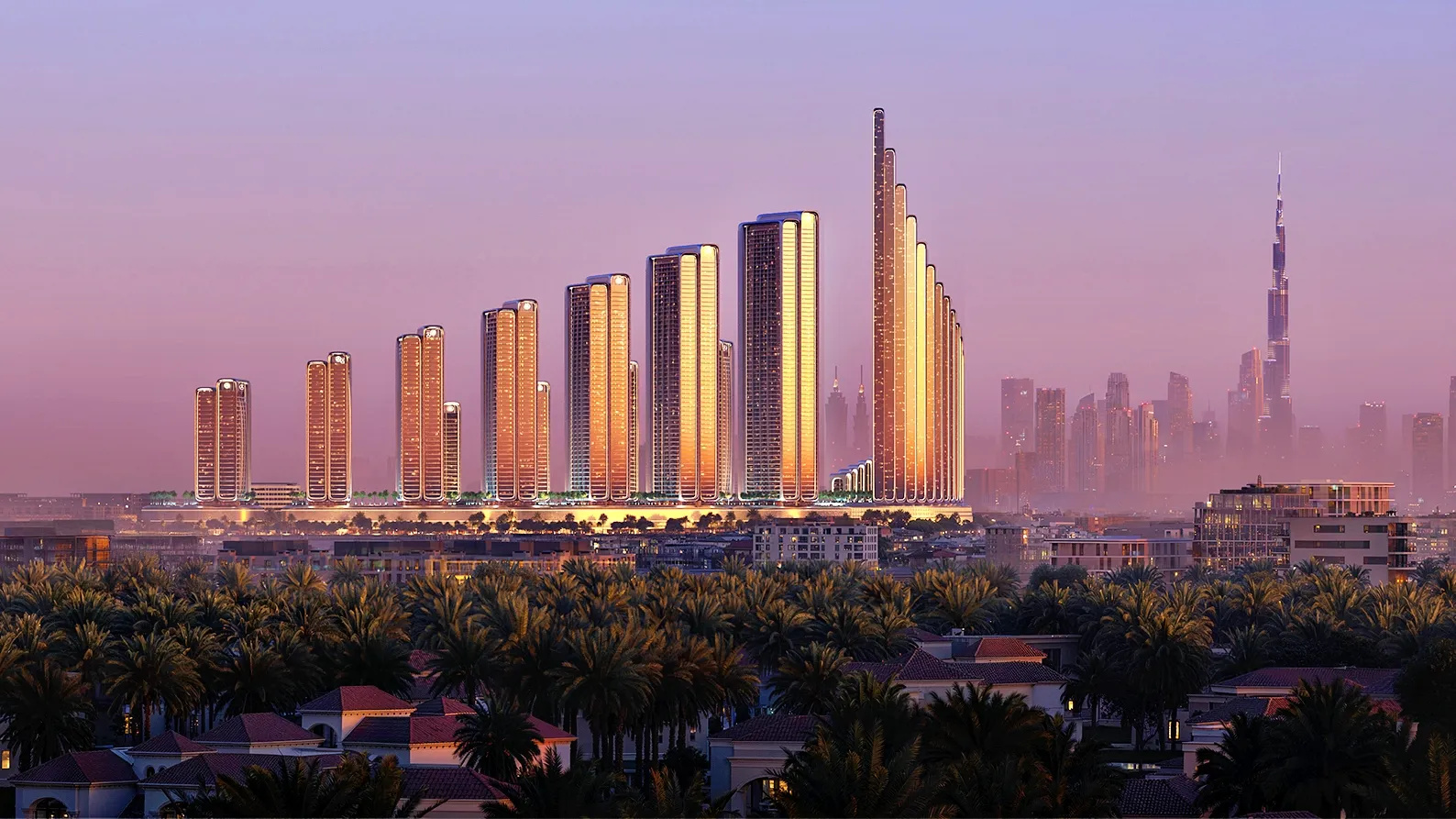
With 836 Thousand M², Mercedes-Benz Joins Binghatti to Create a “City Within a City” in Dubai, Uniting Luxury, Sustainability, and High-Standard Urban Planning.
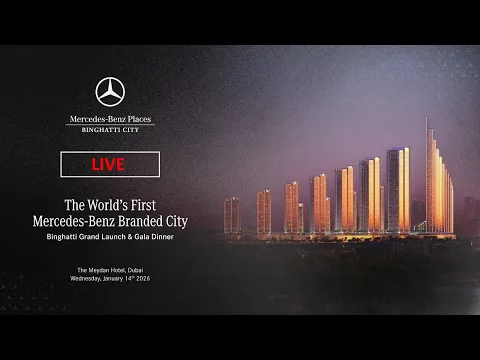
Mercedes-Benz’s decision to associate its name with an urban development of 836 thousand square meters, featuring high-end residences, commercial areas, environmental solutions, and its own architectural identity, marks a rare strategic inflection in the history of the automotive industry. In partnership with the developer Binghatti, the German brand announced the Mercedes-Benz Places | Binghatti City, a megacomplex located in Meydan, one of the most valued expansion vectors in Dubai. More than a real estate project, the initiative was conceived as a “city within a city”, capable of integrating housing, work, leisure, commerce, and sustainability under the same urban ecosystem.
This movement is neither isolated nor casual. It reflects a growing trend among major global brands seeking to expand their symbolic capital beyond their traditional products, transforming values such as design, performance, exclusivity, and technology into permanent urban experiences. In the case of Mercedes-Benz, the bet is even bolder: to bring to the physical territory of the city the same principles that define their luxury automobiles.
Mercedes-Benz’s Entry into Urban Planning as a Global Branding Strategy
For over a century, Mercedes-Benz has built its reputation around precision engineering, technological innovation, and status. By deciding to enter the high-end real estate market, the brand is not simply diversifying investments but repositioning its identity. Mercedes-Benz Places emerges as a natural extension of contemporary luxury logic, which has moved beyond mere objects to encompass lifestyle, space, and experience.
-
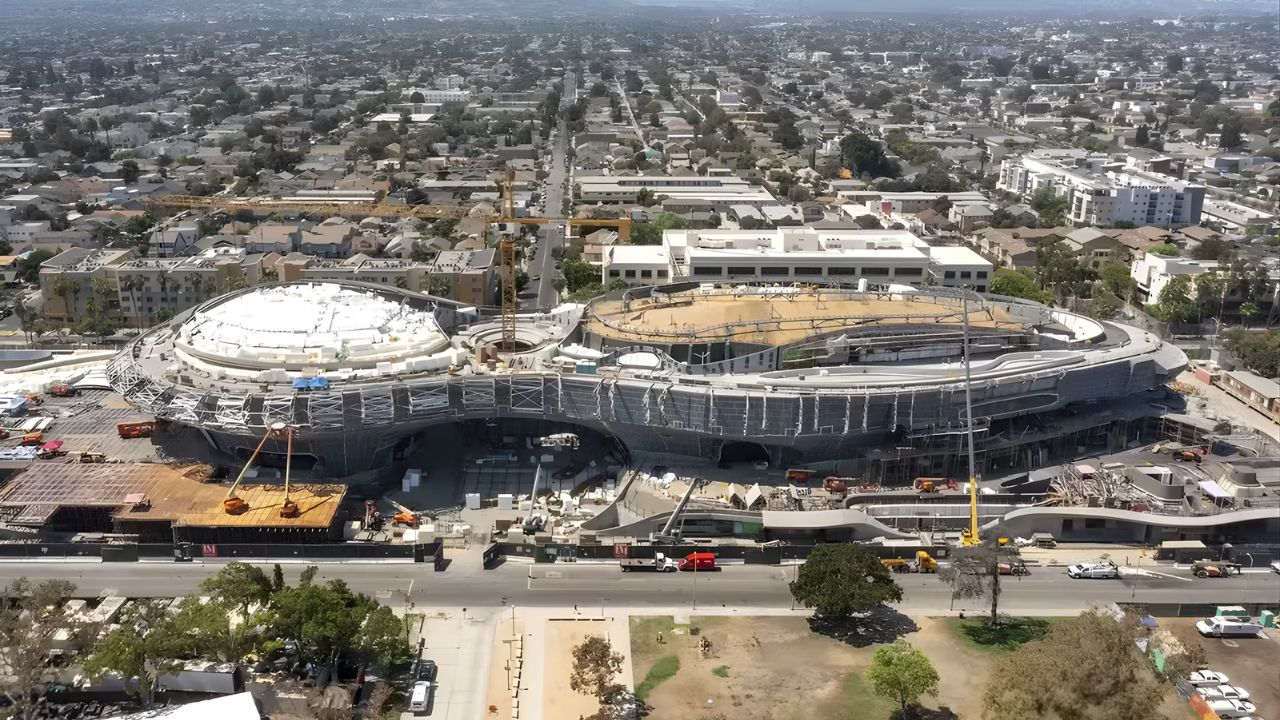
Created by George Lucas with over $1 billion, a futuristic museum in the shape of a spaceship with 1,500 curved panels is about to open in Los Angeles and will house one of the largest private collections of narrative art in the world.
-
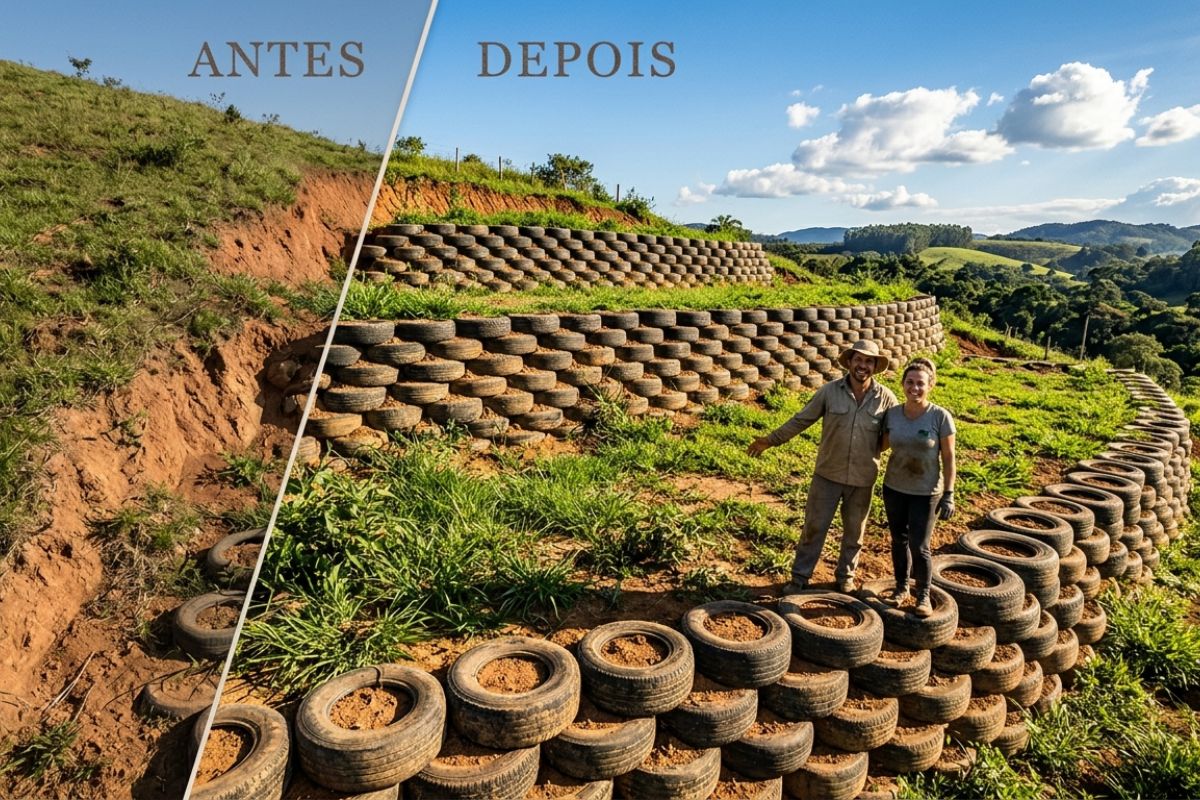
Couple shows how they built a retaining wall on their property using 400 old tires: sloped land turned into plateaus, tires are aligned, filled, and compacted with layers of soil, with grass helping in support and at almost zero cost.
-
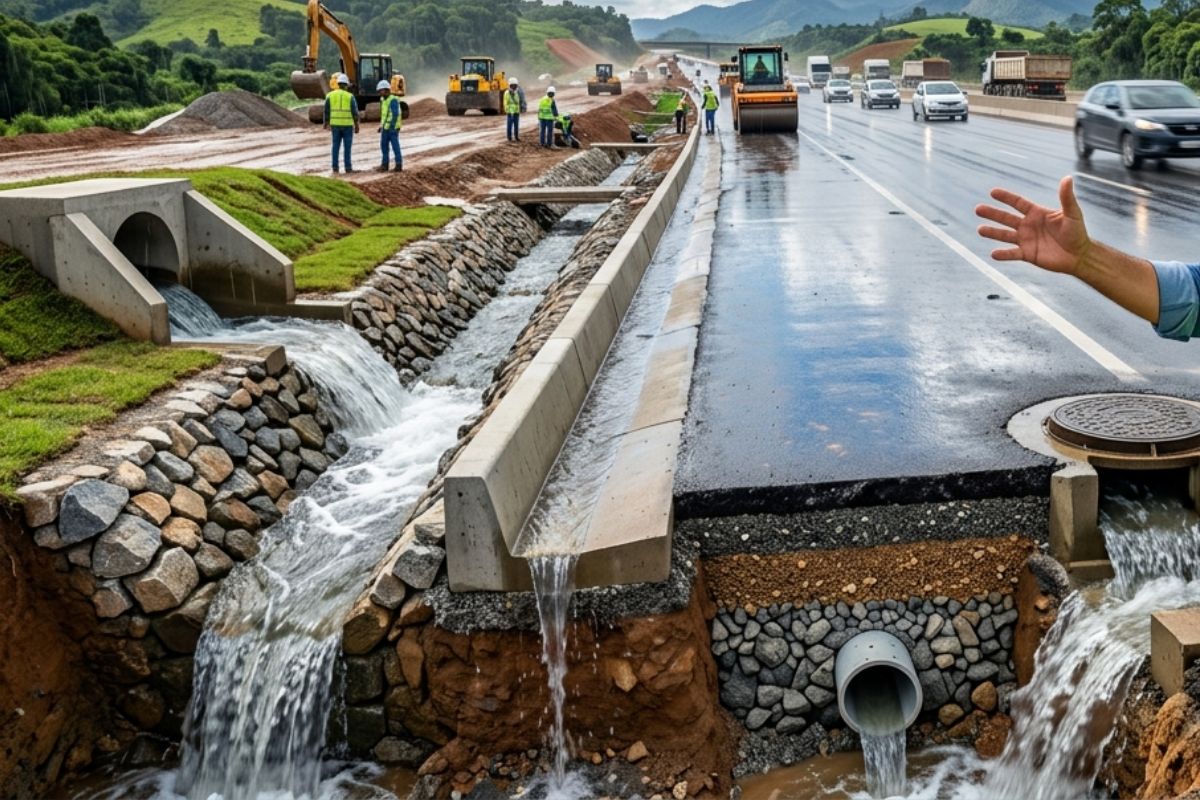
Engineer explains drainage during the rainy season: the difference between surface water and deep water, ditches, gutters, and water outlets on the road, as well as drains and drainage mattresses, to prevent erosion, aquaplaning, and flooding at the construction site today.
-
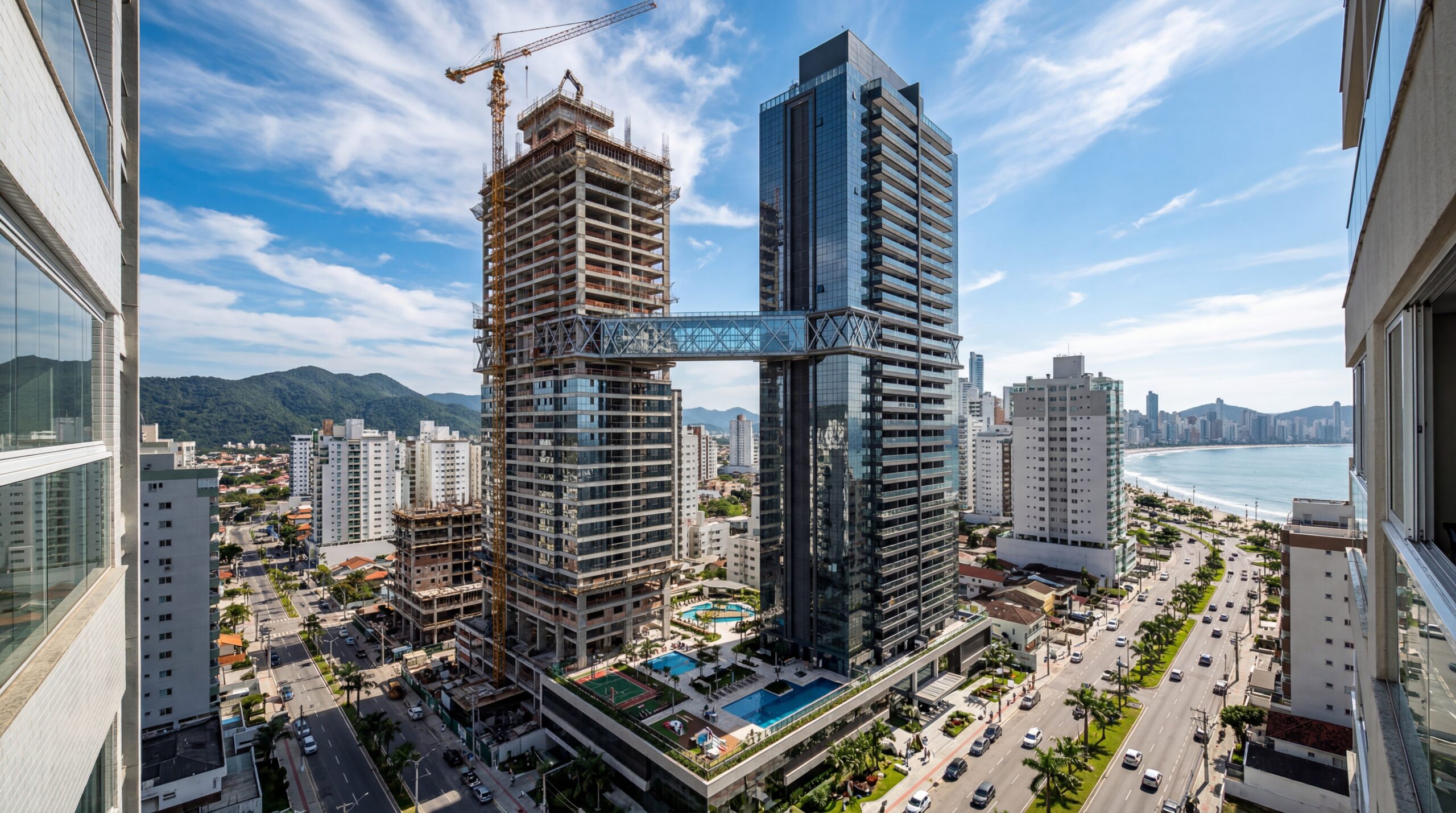
With 55 floors, 177 meters in height, a 15-meter walkway between the twin towers, ventilated facade, and 6,300 m² of leisure space, Ápice Towers already has one tower completed and another nearly at the top.


Instead of just selling cars, the company now aims to design environments, neighborhoods, and urban landscapes. This creates a deeper relationship with consumers, who no longer interact with the brand solely while using a vehicle but experience its values daily in the space where they live, move, and consume.
This type of strategy already appears in hotels, iconic buildings, and branded residences, but rarely on an urban scale. The Mercedes-Benz Places | Binghatti City breaks this barrier by proposing a complete urban complex, not just a single building or tower.
Meydan: The Chosen Territory to Host a “Branded City”
The choice of Meydan as the project location is a key element of the initiative. The region is known for housing some of Dubai’s most ambitious urban projects, including premium residential areas, financial centers, and large-scale leisure spaces.
Strategically located, Meydan quickly connects to central city axes, such as Downtown Dubai and Business Bay, and is also equipped with infrastructure planned for vertical growth and high-density qualification.
By settling in this territory, Mercedes-Benz Places enters into a urban environment designed for the future, where architectural innovation, smart mobility, and sustainability are already part of basic planning. This allows the project to operate not as an isolated enclave, but as an active hub of urban transformation, engaging with the rest of the city.
836 Thousand M²: Urban Scale That Exceeds the Traditional Condominium Concept
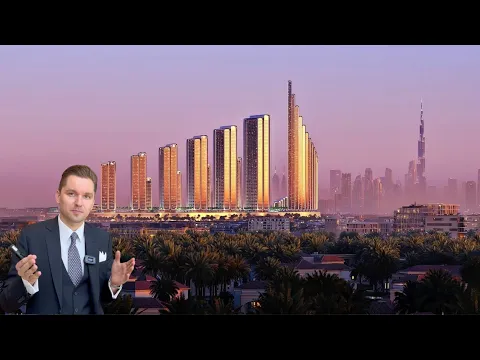
The number is impressive: 836,000 square meters of total area. In practical terms, this is equivalent to the size of entire neighborhoods in many capital cities around the world. This scale allows the project to go well beyond the classic luxury condominium model, offering:
- residences distributed in iconic towers, with unique design;
- commercial areas integrated into residents’ daily lives;
- public and semi-public spaces designed for community interaction;
- own infrastructure for services, leisure, and mobility.
The concept of a “city within a city” materializes precisely in this capacity to reduce the need for long commutes, concentrating essential urban functions in a single territory. For Dubai, which has historically developed with a strong dependency on automobiles, this model represents a significant evolution in urban design.
Architecture as an Extension of Mercedes-Benz’s Automotive Identity
One of the most explored differentiators of the project is the promise of architecture that reflects Mercedes-Benz’s aesthetic values. Fluid lines, elegant surfaces, and intensive use of glass, steel, and high-performance materials directly reference the brand’s automotive design.
More than just aesthetics, architecture aims to translate concepts such as aerodynamics, efficiency, and technological sophistication into residential and commercial buildings. The towers are not conceived merely as livable volumes, but as urban icons, capable of becoming new visual landmarks on Dubai’s skyline.
This approach reinforces the idea that the development is not merely licensed by the brand but co-created from its design philosophy, something that adds symbolic value and differentiation in a highly competitive real estate market.
Sustainability as a Central Element of the Urban Project
Despite the focus on luxury, Mercedes-Benz Places | Binghatti City incorporates sustainability as one of its structural pillars. The project was conceived to integrate environmental solutions from the outset, rather than as an afterthought.
Among the announced principles are the rational use of energy, smart climate control systems, water reuse, integration of green areas, and encouragement of less polluting transport options.
In a desert environment like Dubai, these solutions are not only desirable but strategic for the long-term viability of the project.
Sustainability, in this context, also plays a symbolic role: it associates the Mercedes-Benz brand with a vision of the future in which luxury and environmental responsibility are not opposites but complementary.
Commerce, Leisure, and Services Integrated into Urban Daily Life
Another aspect that differentiates the project is the strong integration between residential and commercial areas. Mercedes-Benz Places was not designed as an exclusively residential space, but as a multifunctional urban ecosystem.
Shops, restaurants, cafes, cultural spaces, and essential services will be strategically distributed, creating an environment that stimulates active urban life throughout the day. This mix of uses is essential for ensuring urban vitality, safety, and continuous enhancement of the space.
For investors and residents, this translates into greater economic attractiveness, as mixed-use areas tend to show greater resilience to market cycles and increased property appreciation over time.
The Role of Binghatti in Making the Megaproject Possible
Binghatti’s participation is crucial to turning the concept into reality. The developer is one of the most active in Dubai’s high-end segment and has experience in bold architectural projects with a strong visual identity and large-scale execution.
By combining Binghatti’s local expertise with Mercedes-Benz’s global brand power, the project gains robustness from both a technical and commercial perspective. This synergy reduces risks, accelerates processes, and increases the confidence of international investors, who view the partnership as a seal of quality and solidity.
A New Model of Urban Luxury in the Middle East
Mercedes-Benz Places | Binghatti City emerges at a time when the concept of luxury is being redefined. It is no longer solely about square footage, finishing, or exclusivity, but about integrated quality of life, urban experience, and alignment with contemporary values.
In the context of the Middle East, and especially Dubai, this model represents a step beyond traditional high-end residential skyscrapers. It proposes a systemic vision of the city, where living, working, and enjoying life merge in a single planned territory.
This approach is likely to influence future projects in the region, serving as an urban laboratory for new forms of premium real estate development.
Real Estate Branding and the Transformation of Cities into Branded Products
By signing a “city,” Mercedes-Benz participates in a growing phenomenon: real estate branding on an urban scale. Cities and neighborhoods are now being conceptualized as products, with a clear identity, unique narrative, and defined target audience.
This movement raises debates about the future of cities, the symbolic privatization of urban space, and the role of global brands in shaping territory. At the same time, it addresses a real demand for more organized, efficient urban environments aligned with specific lifestyles.
In the case of Dubai, this logic finds fertile ground, as the city has established itself as a space for urban experimentation, where extreme concepts are tested before spreading to other parts of the world.
Why Dubai Became the Global Laboratory for These Urban Megaprojects
Dubai has unique conditions to host developments like Mercedes-Benz Places. Centralized governance, availability of capital, appetite for innovation, and a clear strategy for global positioning make the city an ideal testing ground for new urban models.
Furthermore, the emirate constantly seeks to diversify its economy, reducing dependence on oil and betting on tourism, services, technology, and high-end real estate. Projects that unite global brands, iconic architecture, and sustainability fit perfectly into this strategy.
The Expected Impact on the Luxury Real Estate Market
The arrival of Mercedes-Benz Places | Binghatti City is likely to raise the bar for the premium real estate market in Dubai. Developments signed by global brands tend to attract international buyers, investment funds, and clients willing to pay a significant premium for exclusivity and the associated symbolic value.
This effect is not limited to the project itself. It typically radiates appreciation to neighboring areas, redefining quality expectations and pressuring competitors to raise their standards. On an urban scale, this can accelerate processes of qualified transformation and densification.
A City That Does Not Sell Just Properties, But a Complete Lifestyle
Ultimately, Mercedes-Benz Places | Binghatti City does not merely sell apartments or square meters. It sells a narrative of the future, where design, technology, sustainability, and luxury merge into a single urban space.
By bringing its brand into the territory of the city, Mercedes-Benz transforms urban planning into an extension of its identity, creating a powerful precedent for other global brands.
If the project fulfills its promises, it could become an international reference for how contemporary luxury ceases to be an isolated product and begins to materialize in the very design of the city.









-

-

-

-

17 pessoas reagiram a isso.