





 Portuguese
  English
  Spanish
  3 min of reading
  7 comments




While the Brazilian Army demonstrates capability to fight low technology drones with existing systems such as the RBS70 NG and the Gepard, the lack of long and medium altitude anti-air defenses exposes vulnerabilities against more advanced drones, highlighting the urgency of technological upgrades and adoption of electronic warfare for effective protection of Brazilian territory.
In a world where military technology is advancing rapidly, the use of drones in combat has become a reality that imposes new challenges for global armed forces and for the Brazilian Army. In the country, the concern with the ability to intercept and neutralize military drones is growing, especially considering the recent technological developments and acquisitions of neighboring countries, such as Argentina with its Israeli kamikaze drones.
The Brazilian Army, through various analyses and tests, has been working to adapt its strategies and defense systems to face this modern threat. According to an article by Captain Bruno Trentini from the Military Academy of Agulhas Negras, the Brazilian anti-air defense already has systems capable of combating low radar cross-section drones, known as “category 1”. Among the equipment, the RBS70 NG missile system and the Gepard Anti-Air Combat Armored Vehicle stand out, which have demonstrated effectiveness in recent tests.
Brazilian Army Still Lacks Long and Medium Altitude Anti-Air Defense Systems


However, the Brazilian Army still lacks long and medium altitude anti-air defense systems, which could be a weak point against more advanced drones. The good news is that negotiations are underway for the acquisition of a medium-range missile system from India, which could significantly strengthen the country’s defense capability.
-
Historic bankruptcy of Centauro shocks the market, and the century-old company puts more than 500,000 products, machines, and complete infrastructure up for online auction.

-
New shoe factory in Ceará is expected to create 400 jobs and strengthen the local economy.

-
No one imagined it, but a mixture of sawdust with a mineral that fights fires surprises scientists with a result that changes the course of fire-resistant construction.

-
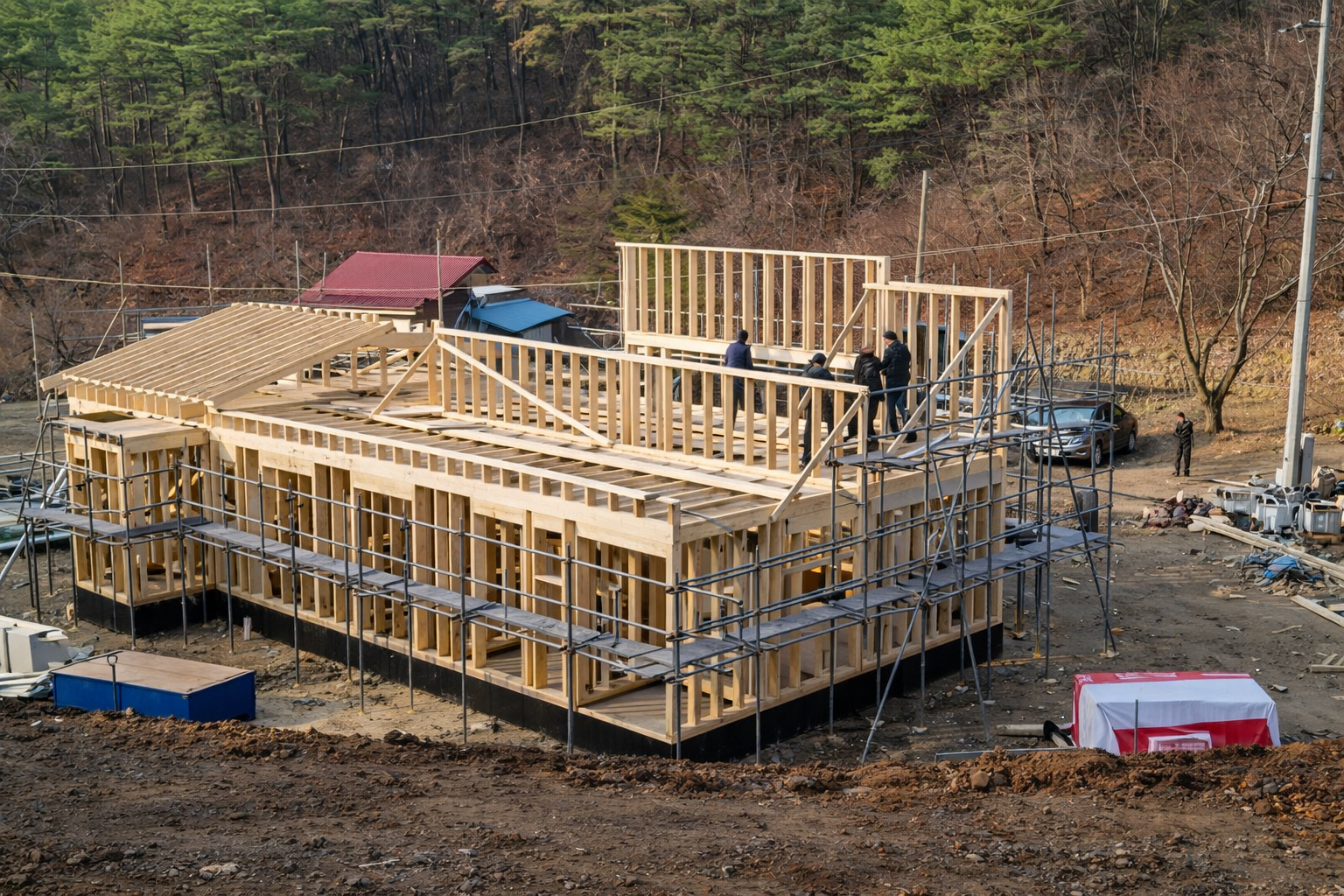
From empty land to a high-end house, wooden construction uses a lightweight system, metal structure for the foundation, ventilated ceramic cladding, and special windows to create an efficient and comfortable living space throughout the year.

In addition to missile and armament technology, Brazil is also exploring the use of electronic warfare, a technique that allows interruption of communication between drones and their operators and deactivation of GPS signals. This method, while effective, requires careful implementation to avoid interference with the country’s own defense systems.
Brazilian Military Doctrine Is Also Evolving to Include the Maintenance of Surveillance Posts
The Brazilian military doctrine is also evolving to include the maintenance of surveillance posts, which have proven effective both in the early detection of drones and in complementing radar systems, especially in situations where drones are not detected until it is too late.
In summary, while the Brazilian Army has some effective means to combat certain types of drones, there is an urgent need to update and expand these capabilities to face more sophisticated threats. The continuous development of defense technologies, accompanied by a robust and adaptive military doctrine, will be crucial to ensuring the security of Brazilian territory against drone attacks in the future.









Com esse governo **** e com os generais melancias de marighella, o país tá ferrado…
Infelizmente as MMAA melancias armadas estão mais interessadas em adquirir tinta e rolos de pintura, e o azuzinho kkkkkkkkkkk
As FA, tem a função constitucional da defesa da soberania e do território. Porem, o avanço do crime organizado e sua ousadia , ,aperfeiçoamento, se faz
necessário ampliar essa função.