





 Portuguese
  English
  Spanish
  3 min of reading
  22 comments


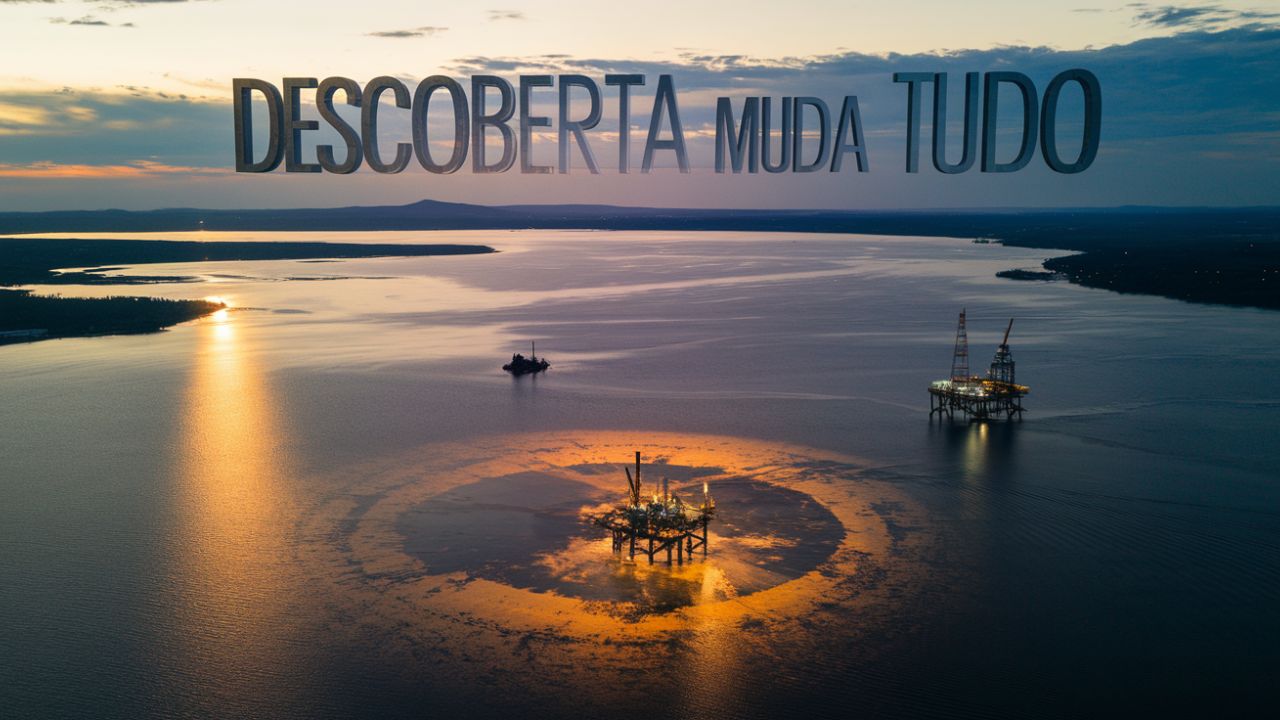


Rwanda Announces Major Discovery of 13 Oil Reservoirs in Lake Kivu, with Basins Up to 3.5 km Thick Filled with Hydrocarbons, Promising to Transform Its Economy, Reduce Fuel Imports, and Stand Out Among the Largest Exporters in Africa.
The oil discovery in Lake Kivu, Rwanda, marks a significant milestone for the country’s economy. This achievement not only opens new economic opportunities but also symbolizes a decisive step in Rwanda’s efforts to diversify its revenue sources, historically centered on agriculture and tourism. But what does this “major discovery” really mean for the country and the region?
The Major Discovery in Lake Kivu
Rwanda officially announced the identification of 13 oil reservoirs along the border with the Democratic Republic of the Congo. Located in Lake Kivu, these reservoirs lie within a basin approximately 3.5 kilometers thick, containing large quantities of hydrocarbons. This discovery not only puts the country on the map as a potential oil producer but also aligns it with neighbors like Uganda and the DRC, known for their reserves in the Albertine Rift system.
This “major discovery” marks Rwanda’s entry into an elite group of African countries that export oil, such as Egypt and Nigeria. The expectation is that this new natural wealth will reduce the country’s dependence on fuel imports and transform its economy.
-
Petrobras surprises the world again by announcing a new discovery in the pre-salt with excellent quality oil.

-
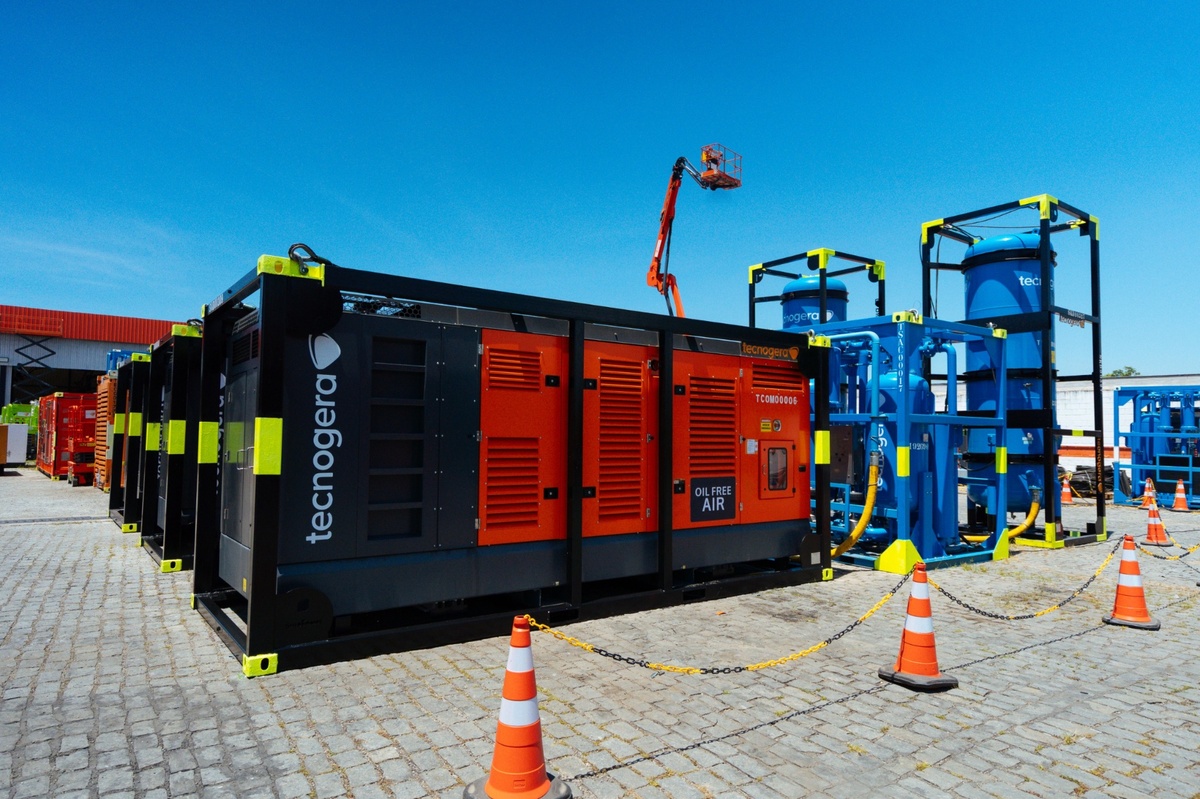
Offshore industrial demand in Macaé skyrockets with the recovery of oil and gas and could grow by up to 396% by 2026 in the Campos Basin.
-
Offshore industrial demand in Macaé surges with the recovery of oil and gas and could grow by up to 396% by 2026 in the Campos Basin.
-
Brazilian giant expands borders in the Southeast: Petrobras confirms new oil discovery in ultra-deep waters in the pre-salt of the Campos Basin.


Economic Impact of the Discovery

The economic impact of this discovery promises to be revolutionary. Currently, the extractive industries contribute only 2% to the country’s GDP, but this could change dramatically. Oil has the potential to broaden this share by attracting international investments and fostering internal growth.
Rwanda can follow the example of African oil-producing countries that have used this wealth to finance infrastructure, health, and education. However, the challenge lies in balancing economic development with responsible resource management.
Opportunities and Challenges for the Future
While the opportunities are immense with this discovery, exploring these reserves presents considerable challenges. Rwanda will need to invest in infrastructure to extract, process, and transport the oil. There is the issue of sustainability. How can these riches be exploited without compromising the ecosystem of Lake Kivu or harming local communities?
Experience from other African countries shows that poor management of natural resources can lead to instability. Therefore, Rwanda must proceed with caution, ensuring transparency and effective governance.
Global Contributions of Rwanda Beyond Oil
Rwanda is already globally recognized for its relevance in the minerals market. In 2022, the country accounted for 31% of global tungsten exports and 14% of tin. Its gold exports, for example, generated more than half a billion dollars. Entering the oil sector with the major discovery only reinforces Rwanda’s position as a significant player in the global arena.
This market diversification is essential for ensuring sustainable economic growth. Oil may be the initial engine, but other industries, such as technology and services, must be fostered to sustain long-term progress.
Oil as a Driver of a New Era for Rwanda
The discovery in Lake Kivu is more than an economic opportunity; it is a catalyst for a new era in Rwanda. Growth projections indicate that the country could achieve unprecedented levels of regional development. This achievement serves as an example for other emerging economies in Africa, demonstrating how natural resources can be used strategically for progress.









E abre às portas para o terr0rismo
Espero sinceramente que essa descoberta os faça abandonar a ganância que os faz promover instabilidade e guerras em outros paises e agora se foquem apenas e explorar os recursos que seu pais dispõe.
O povo que se lasque, continuará na pobreza. Os que se dão bem são os governantes e quem explora.