





 Portuguese
  English
  Spanish
  3 min of reading


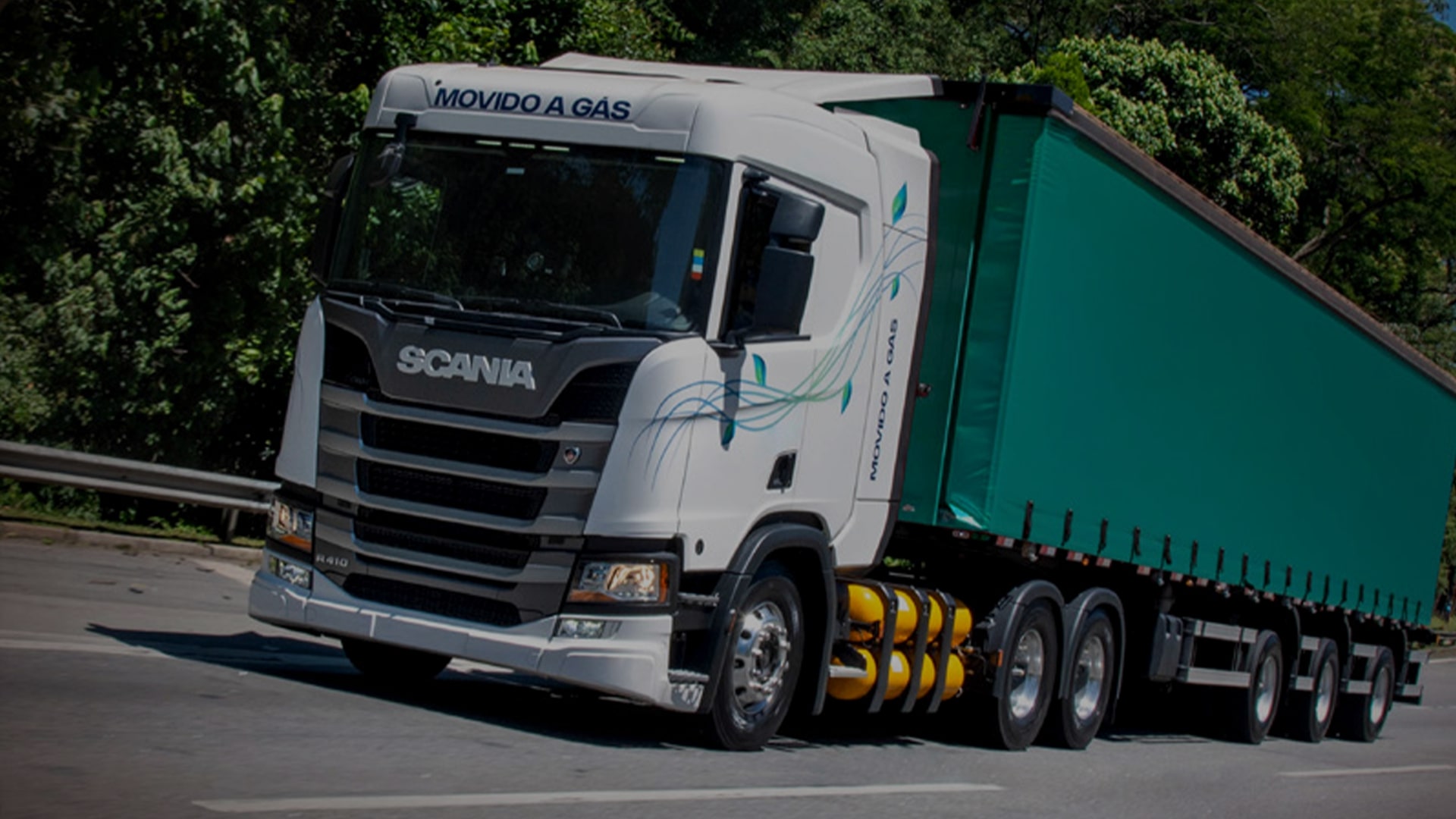
Major Automotive Brands, Such as Scania and Iveco, Are Supporting the Use of Gas Instead of Diesel
Gas is becoming an important alternative to diesel, including in the transport sector. In just the last 15 months, the price of oil has increased by 49.7%. According to NTC&Logística, fuel represents 46.08% of the operating cost of a truck. However, there are significant challenges ahead. Read this news: Transport Company Begins Using Natural Gas-Powered Trucks for Chemical Product Transport
- Grupo Moura Develops System Capable of Using Solar Energy at Night
- Pre-Salt Hits Record Oil and Gas Production, Surpassing All Accumulated Production in Onshore Fields Since 1941
- Radix Wins Eneva Contracts to Develop the Gavião Belo Natural Gas Production Station Project; Field Has Potential to Be the Second Largest in the Parnaíba Basin
- Neoenergia and PicPay Form Partnership Offering Up to 40% Cashback on Energy Bills
- Startup Develops Renewable Fuel from Wood Chips Capable of Revolutionizing the Maritime Industry
Iveco Plans Gas Truck Production in Brazil
Iveco, a manufacturer of heavy vehicles, trucks, buses, and light utilities, is betting on gas-powered trucks. The company emphasizes that there are already about 36,000 trucks with this technology operating worldwide, with a good portion in Europe. However, the Italian brand is also focusing on markets such as Chile and Argentina. According to the newspaper Estadão, the manufacturer does not confirm this information, but everything indicates that production will start soon.
In Brazil, Iveco celebrates strong sales results. Therefore, there is high anticipation for the launch of gas trucks in the country. According to the company, the new option is already in testing. However, the company has not revealed details about the models. According to Iveco’s leader for South America, Márcio Querichelli, there are already interested parties in the new truck. But the brand opted to launch the novelty in neighboring countries due to more developed infrastructure.
-
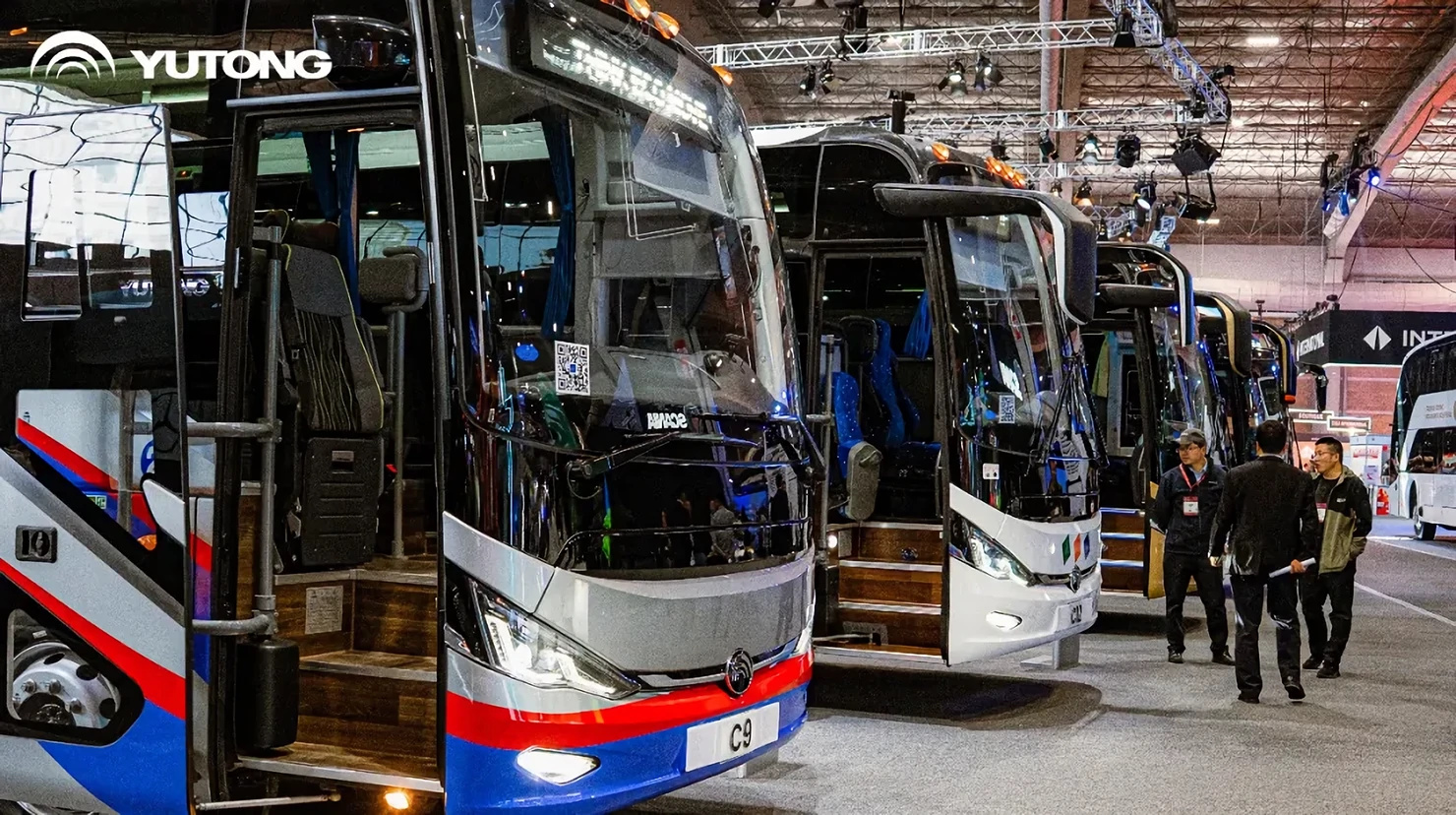
China advances into Mexico’s transportation with an electric bus that has a range of up to 530 km, bringing a complete line to the country in 2026 and transforming its partnership with Yutong into one of the most strategic in Latin American mobility.
-
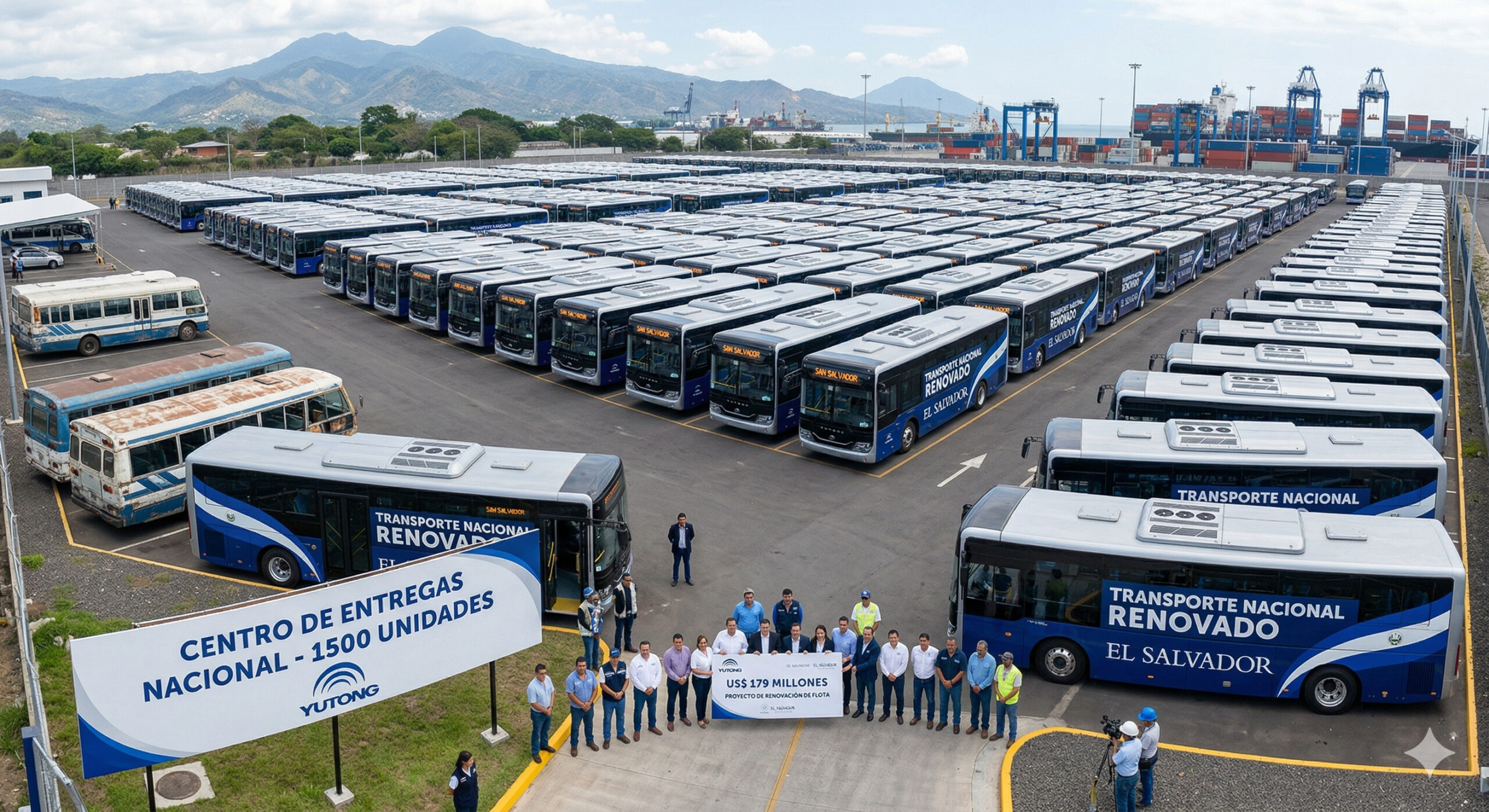
With 1,500 new buses financed by an international agreement, El Salvador is preparing the largest renewal in the history of its public transportation, a plan of $179 million with vehicles from the Chinese company Yutong that could replace practically the entire fleet of the country.
-
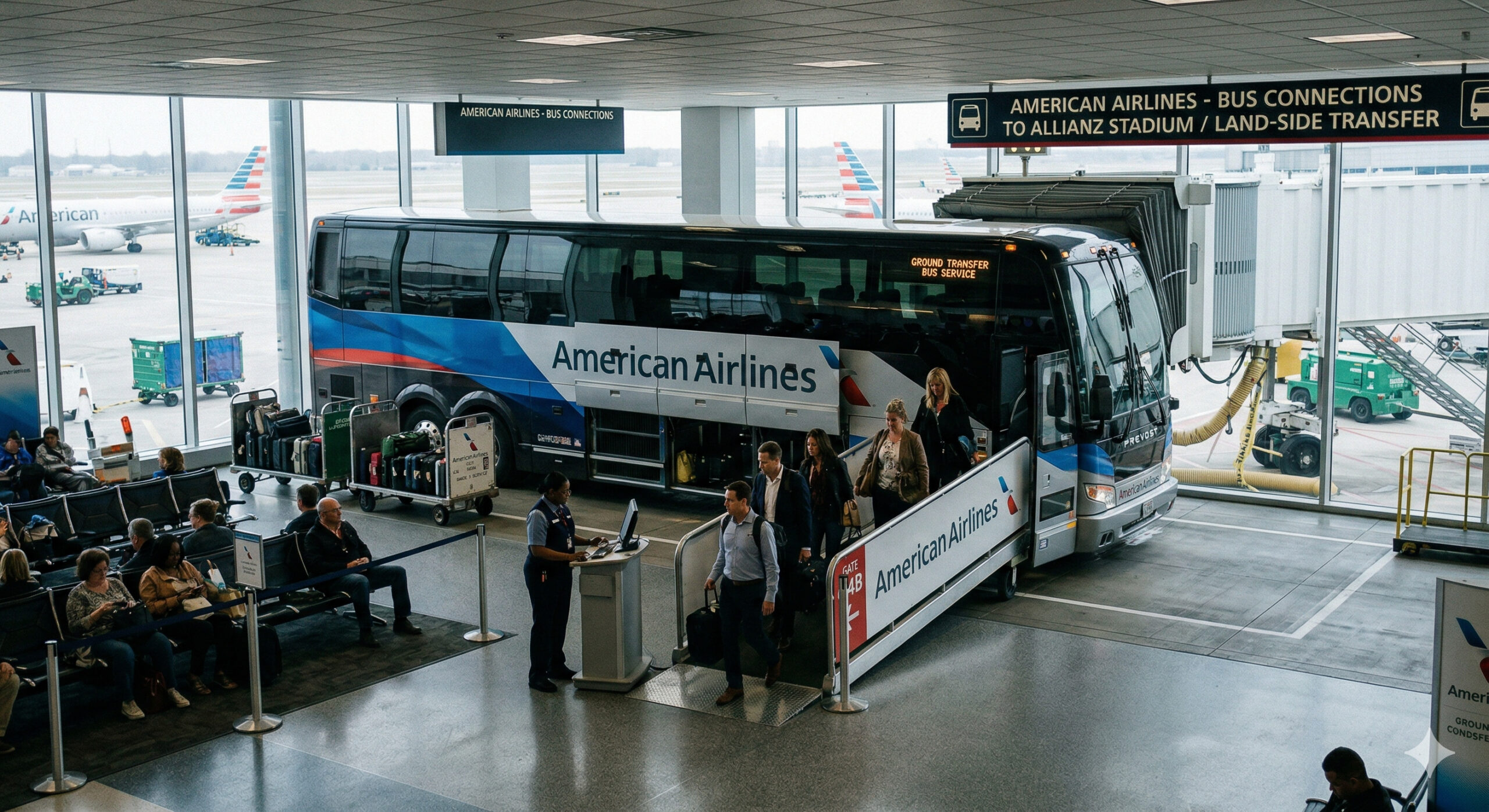
American Airlines starts selling trips as if they were flights, with check-in and baggage check at the airport, but on short routes, passengers board luxury buses connecting cities to major hubs in the U.S.
-
São Paulo surprises the world with a colossal railway network project that promises over 1,000 km of tracks, R$ 194 billion in investments, and 40 projects connecting the capital to the interior with fast and sustainable trains.
“We plan to introduce our entire portfolio of vehicles that we have in Europe,” says Querichelli. According to him, the models will be adapted for the Brazilian market. The launch depends on infrastructure and incentives. It is important to remember that gas trucks are more expensive than diesel ones. For example, in the Brazilian market, where the only option of this type is from Scania, prices are about 30% higher compared to equivalent models with a diesel engine.
Recently, Scania Sold Another Fleet of Trucks That Use CNG
The transport company Reiter Log purchased 124 gas-powered trucks from Scania. According to the Swedish manufacturer, the transport company based in Nova Santa Rita, in the state of Rio Grande do Sul, is investing over R$ 100 million. Thus, the company aims to meet customer goals in ESG policies. That is, Environmental, Social, and Corporate governance, which includes reducing pollutant emissions.
According to Scania, the 124 trucks are R 410 tractors. According to the expected schedule, the first deliveries will occur in the last quarter of 2021. Therefore, all models will be in operation throughout 2022. According to Silvio Munhoz, the sales director of solutions at Scania in Brazil, this is a “very” significant logistics operator. “And it is joining shippers in the pursuit of a more sustainable sector. A serious commitment that guides all the company’s actions,” he states.
According to Reiter Log, with the acquisition of the new gas-powered trucks from Scania, actions aimed at using alternative energy began in 2014. Thus, the investment goes beyond the purchase of gas trucks. That is, among the measures is the acquisition of larger road implements. This way, it increases the load carried by the trailers. “We have made a commitment to offer a new way of transporting,” says Reiter Log’s CEO, Vinícius Reiter Pilz. According to him, among the objectives is to reduce the sector’s impact on the environment.








Seja o primeiro a reagir!