





 Portuguese
  English
  Spanish
  5 min of reading
  0 comments


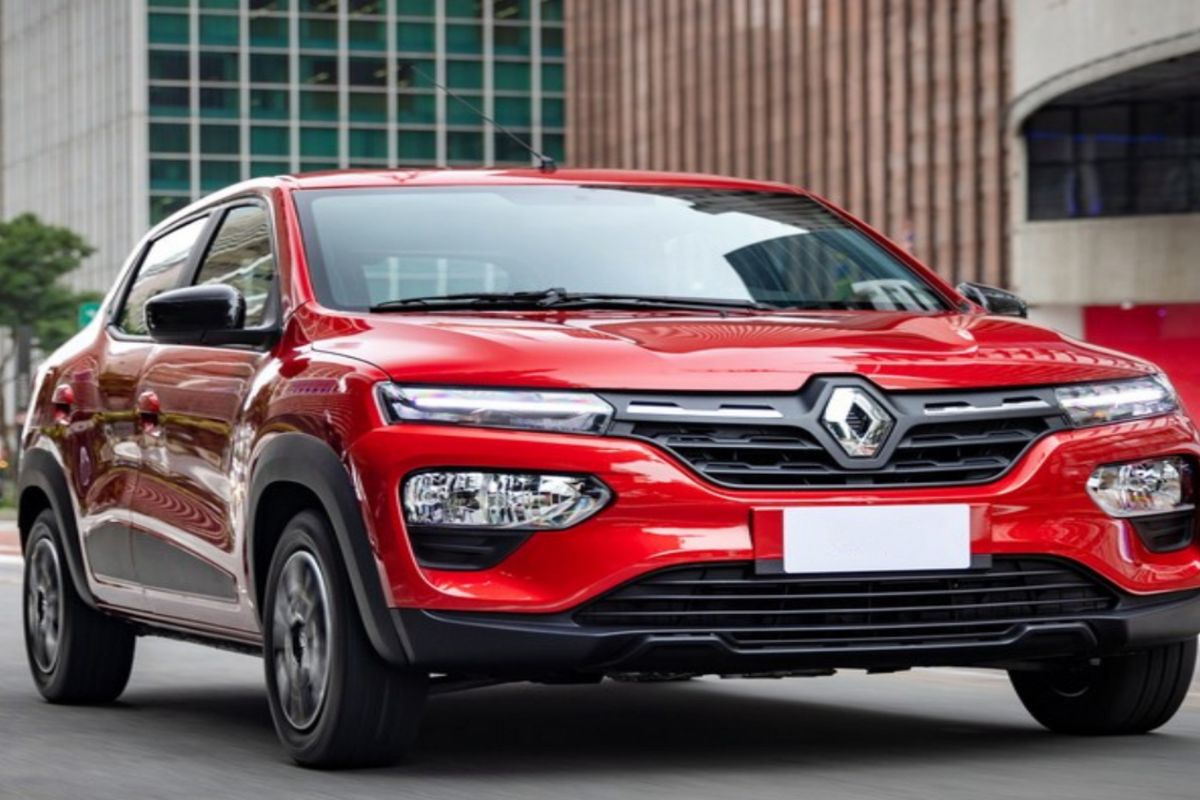
Economical Hatch Gives Up to 15 Km Per Liter, Controls Fuel Spending, and Becomes a Real Weapon Against Inflation in Brazil
With expensive gasoline and tight budgets, the economical hatch is no longer just an entry-level car but a strategic tool for drivers who want to drive more while spending less. With models that approach 15 km per liter in the city and also offer low maintenance costs, this segment is gaining traction as a concrete alternative to face rising prices.
In a scenario where every fill-up counts at the end of the month, the economical hatch stands out for combining reduced consumption, efficient 1.0 engines, and more predictable workshop costs. Instead of focusing only on power or design, more and more Brazilians are evaluating urban consumption, parts basket, insurance costs, and the impact on IPVA before deciding which car to take into the garage. The result is simple: those who choose the economical hatch wisely tend to feel the effects of inflation less in their monthly car expenses.
Why the Economical Hatch Became an Ally Against Inflation

With gasoline prices at a high level, small efficiency gains make a real difference in the budget.
-
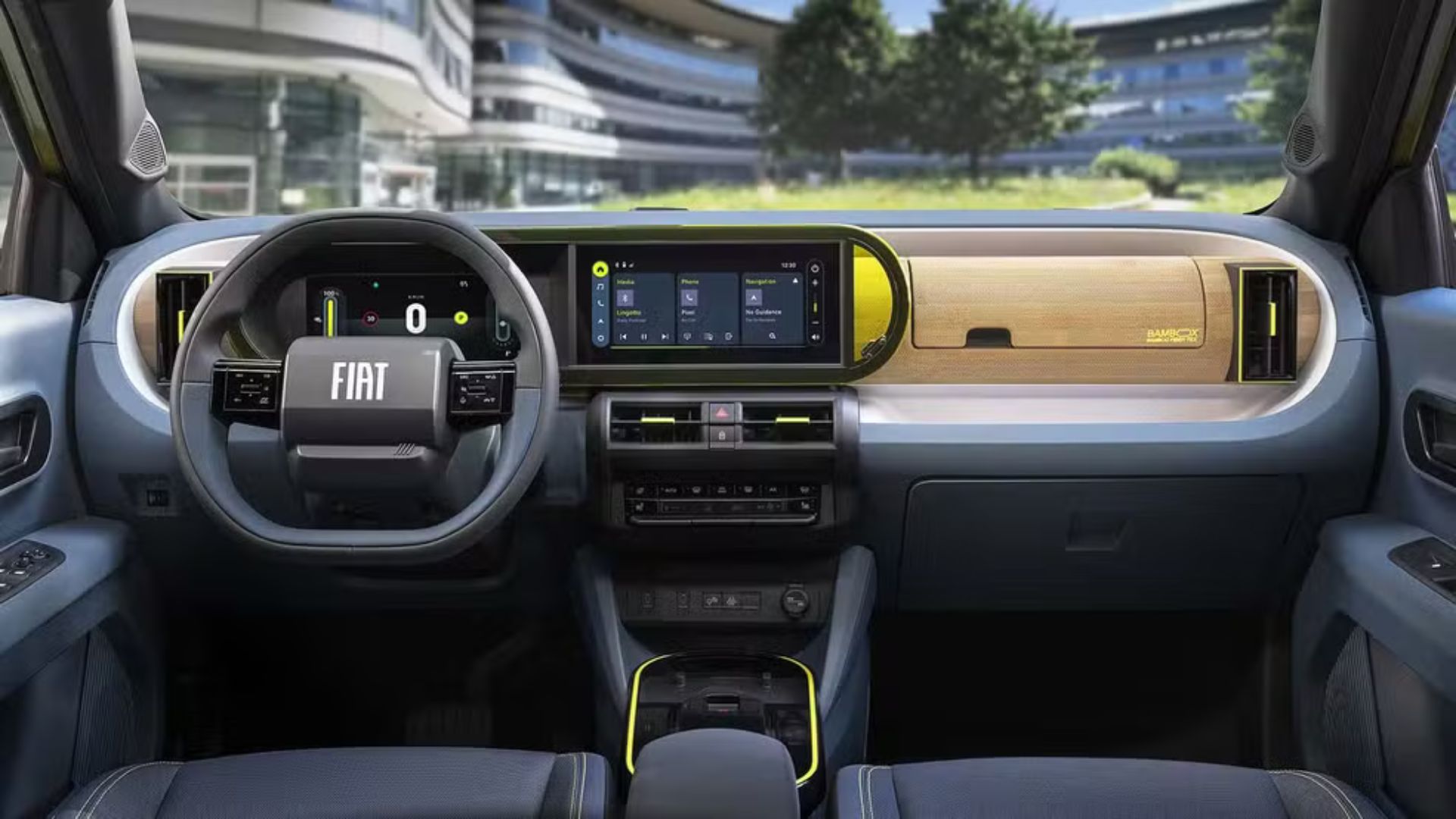
Fiat is preparing an offensive with a 7-seater SUV larger than the Fastback, debuting in October 2026 with the Smart Car platform, electric versions with up to 400 km of range, turbo hybrid, new pixelated LEDs, and an advanced ADAS package.
-
OMODA 7 transforms the car into a global aesthetic expression by combining automotive design and fashion in London.

-
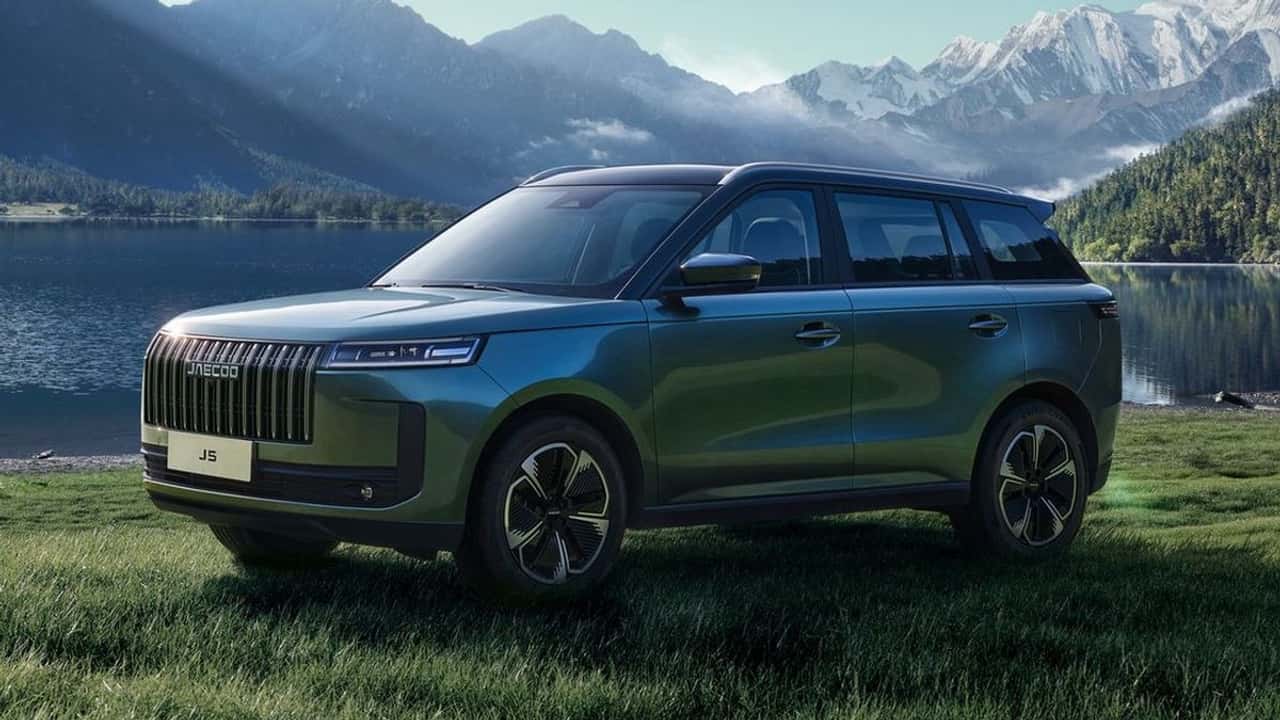
JAECOO takes the lead in global strategic markets and accelerates its trajectory to become a “global blockbuster maker” in the automotive industry.
-
OMODA redefines global aesthetics and elevates the OMODA 7 to a multicultural fashion icon, uniting design, technology, and international identity.


An economical hatch that drives more kilometers per liter of fuel reduces the number of trips to the gas station and, in practice, acts as a brake on the increase of monthly expenses.
Furthermore, the profile of these cars directly relates to urban life.
They are compact, easy to maneuver, and made to face heavy traffic without requiring large, thirsty engines.
Energy efficiency and accessible maintenance have become known as “rational luxury”, especially for those who depend on the vehicle for work or face long daily commutes.
Who Leads Consumption Among Economical Hatches

Among small models, the competition for the title of most efficient economical hatch is fierce.
In urban consumption data with gasoline, several names stand out:
Renault Kwid maintains its lead among subcompacts, with about 15.3 km per liter in the city, according to official measurements. That’s why it became a favorite among app drivers and fleets that need to operate all day.
Fiat Mobi comes very close, with 15.0 km per liter, betting on a simple and robust mechanical set to handle the stop-and-go of heavy traffic.
Chevrolet Onix 1.0 surprises by combining interior space and efficiency, delivering 14.3 km per liter in urban use with a six-speed manual transmission.
Volkswagen Polo Track, with a 1.0 MPI engine and consumption around 13.7 km per liter, takes over the role of the Gol and maintains its focus on economy and low maintenance cost.
These numbers help explain why the economical hatch has established itself as a rational choice: practically, each extra kilometer per liter represents less money leaving your pocket throughout the month.
Efficient 1.0 Engines and the Role of Engineering
One key to the success of the economical hatch lies in the evolution of 1.0 engines.
Instead of solely focusing on maximum power, automakers are working to deliver torque at low revs, precisely where urban traffic demands it most.
The Fiat Mobi, for instance, features a set designed to react well in stop-and-go situations, reducing engine strain and saving fuel.
Meanwhile, the Onix 1.0 uses six-speed manual transmission to keep revs lower at cruising speed, which also improves efficiency.
In the Polo Track, the MPI engine prioritizes robustness and controlled consumption, especially on highways.
In all cases, engineering and electronic calibration work to ensure that the economical hatch delivers the maximum kilometers with the minimum fuel, without sacrificing drivability or basic comfort.
Affordable Maintenance Weighs as Much as Consumption
Economy is not limited to what comes out at the fuel pump. An economical hatch that consumes little fuel but has expensive parts can become a financial trap.
That’s why looking at the maintenance basket is just as important as checking urban and highway consumption.
Models like the Hyundai HB20 stand out by offering competitively priced parts, helping to control expenses on services and potential repairs. The logic is simple:
More accessible basic maintenance relieves the annual budget
Abundant and moderately priced parts reduce the impact of unforeseen events
A history of reliability decreases the risk of unexpected visits to the workshop
Before choosing your economical hatch, it’s worth considering: average service costs, price of commonly replaced parts (brake pads, shock absorbers, filters), and insurance costs.
It’s this complete package that defines the real cost per kilometer driven, not just the consumption figures listed in the catalog.
Urban Consumption Comparison Among the Main Models
Standardized consumption data help to see the difference between competitors in a technical way. In 2025, the urban scenario with gasoline among the main hatches looked like this:
Renault Kwid | 15.3 km/l | 5-Speed Manual
Fiat Mobi | 15.0 km/l | 5-Speed Manual
Chevrolet Onix 1.0 | 14.3 km/l | 6-Speed Manual
Volkswagen Polo Track | 13.7 km/l | 5-Speed Manual
In practice, all fit into the category of economical hatch, with a clear focus on contained consumption.
The difference is that some prioritize extreme compact size, while others provide more interior space and a “larger” car feel, still within the efficiency proposal.
Hybrids: The Next Step in Hatch Economy
Light hybrid technologies are starting to enter the world of the economical hatch.
12V or 48V systems assist the combustion engine in starting and acceleration, reducing strain and, consequently, consumption.
Although the purchase price is higher, those who drive long daily distances tend to notice a return in the medium term.
The additional fuel savings can offset the difference in financing installments or the upfront cost, especially in a scenario of high fuel prices and inflation pressuring the budget.
Still, the calculation needs to be rational: comparing the total cost of the hybrid with the monthly gasoline expense of the traditional economical hatch is essential before making a decision.
Technology can be an ally, but it is only worth it if your daily use truly justifies the extra investment.
How to Choose the Ideal Economical Hatch for Your Profile
When looking at the current market, there are plenty of economical hatch options with consumption below 15 km/l in the city and maintenance at accessible levels. To avoid mistakes, it’s worth following some basic criteria:
Check real urban consumption, not just highway
Analyze maintenance costs and the price of the most commonly replaced parts
Consider the insurance value for your driver profile
Evaluate interior space and comfort according to your family’s routine
Estimate how many kilometers you drive per month to gauge the impact of the savings
In the end, the economical hatch is no longer just the “cheapest car on the list” and has become a strategic tool to protect budgets amid high gasoline prices and persistent inflation.
And you, which economical hatch has helped – or would help – you keep your fuel expenses in check in your daily life?










-

-

7 pessoas reagiram a isso.