Portuguese
  Spanish


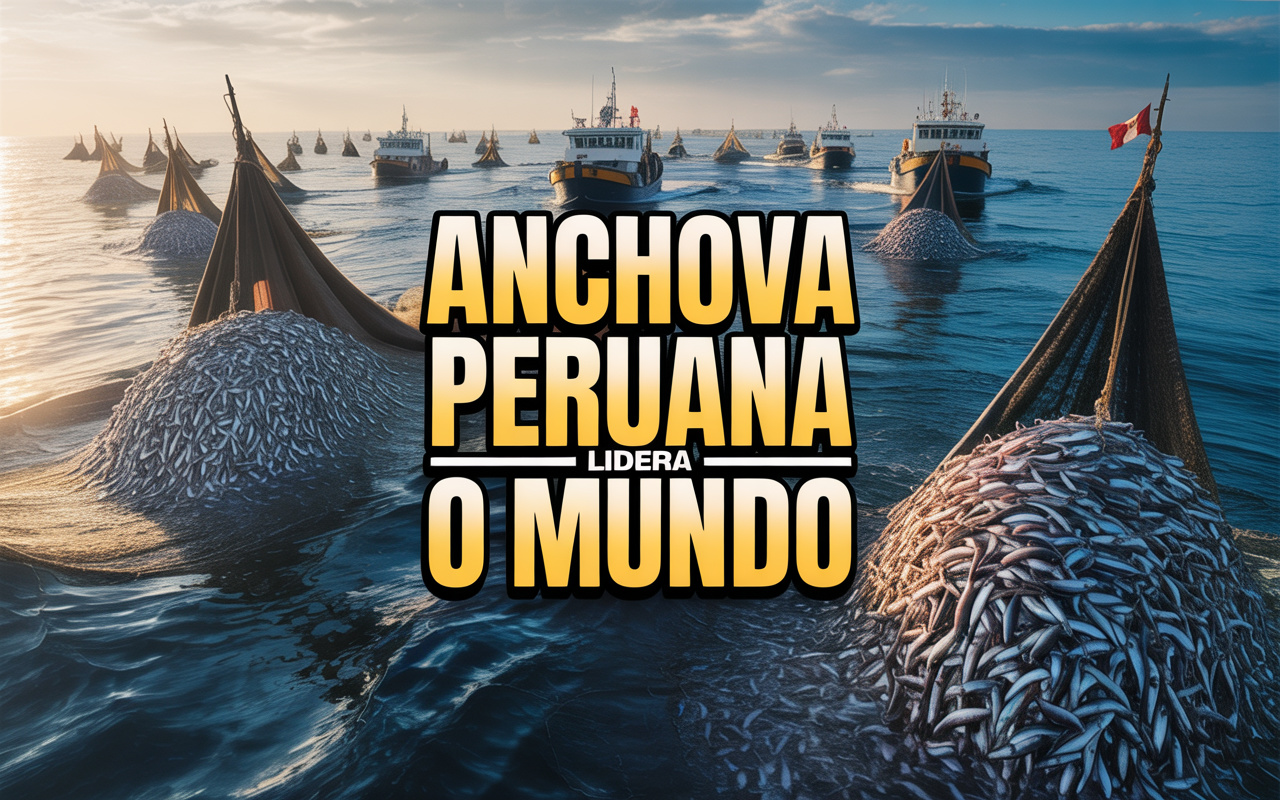


Peruvian Anchovy Can Reach Up to 6 Million Tons Per Year, Dominates the Global Fish Meal Market, and Becomes the Species That Most Influences the Price of Fish on the Planet. Just as the Dollar Influences Commodities and Entire Markets, the Peruvian Anchovy Regulates the Global Price of Fish Through the Meal That Feeds Global Aquaculture.
Few consumers know, but the species that most influences the price of salmon, shrimp, tilapia, pangasius, and practically all global aquaculture is not a supermarket fish. It is not sold as fillets, does not appear in premium packaging, and rarely reaches the tables. It is the peruvian anchovy (Engraulis ringens), a small, abundant, and highly nutritious fish that, behind the global food chain, supports one of the most powerful industries on the planet.
With a production that can reach 6 million tons per year, the anchovy dominates the west coast of South America, especially Peru, which alone accounts for 70% to 85% of global production. In years without severe interference from El Niño, the country establishes itself as the largest individual power in catching a single species of fish in the entire planet.
The Humboldt Current: The Most Productive Environment in the World for Anchovy
The explanation for the extraordinary abundance of the anchovy is not only in the biology of the species but in one of the most important oceanographic phenomena on Earth: the Humboldt Current, also known as the Peruvian Current.
-
India’s Sugar Export Cuts and Ethanol Shift Amid El Niño Threat Could Impact Global Prices and Stocks

-
Quarantine Pest Threatening Palm Trees Puts Brazilian Authorities on Alert, Prompts Monitoring at University of Taubaté and Potential Control Measures Across São Paulo
-
Global Alert: Report Finds 159 Pesticides in Coffee Beans Sold in Europe, Posing Serious Risks to Millions of Farm Workers
-
Low-Demand Brazilian Beef Offal Gains Popularity Abroad: Indonesia Purchases $19.5 Million, Boosting Revenue and Reducing Waste



This cold current that rises from the Antarctic carries massive amounts of n<strongutrients that feed phytoplankton, the base of the entire marine food chain. Few regions in the world have comparable conditions, and this transforms the Peruvian coast into a zone of unprecedented biological productivity.
The anchovy, with its highly dense schooling behavior and accelerated reproductive cycle, finds in this environment the ideal combination to thrive. In some years, biomass estimates reach 20 million tons, a number that no other commercial fish species consistently achieves.
90% of Production Becomes Fish Meal and Oil: The Key Piece of Global Aquaculture
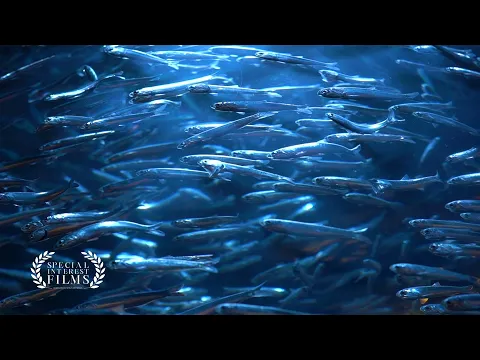

Unlike sardines, mackerels, or tunas, the anchovy does not sustain its importance by direct consumption. What makes it vital is its transformation into:
- fish meal, with superior purity and protein content
- fish oil, rich in omega-3
These two products are the pillars of the feed that feeds nearly all global aquaculture.
The norwegian saliculture, for instance, would not have reached global scale without Peruvian anchovy meal. The same goes for:
- Asian shrimp
- Chilean trout and salmon
- Brazilian tambaqui
- Chinese and Egyptian tilapia
- Vietnamese pangasius
Each of these chains depends directly on the protein supply provided by the anchovy. Therefore, when Peruvian production declines, the global price of fish skyrockets.
Peru: The Global Power That Controls the Fate of the Anchovy
The catch of the anchovy is one of the most important economic activities in Peru. The country operates one of the most rigorous fishing management systems in the world, because it knows that its economy and part of the global food system depend on this resource.
Among the measures adopted by the Peruvian government, the following stand out:
- highly controlled fishing seasons
- annual quotas based on scientific studies
- satellite monitoring of the fleet
- total halt of activity when biomass is at risk
- assessments by IMARPE (Institute of the Sea of Peru) to ensure sustainability

The country takes this management seriously because it has learned over the decades that the abundance of the anchovy is fragile and directly depends on oceanic conditions.
The Impact of El Niño: When Climate Decides the Global Price of Fish
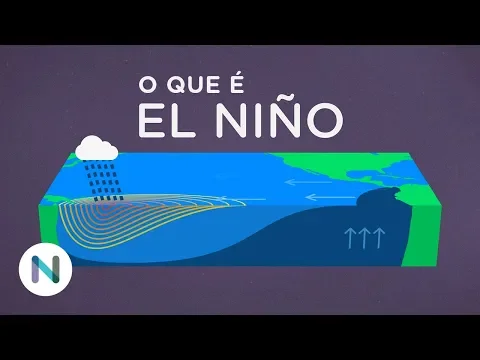
The vulnerability of the anchovy to rising water temperatures makes fishing extremely sensitive to the El Niño phenomenon. When the climatic event is strong, the surface waters warm, and the nutrient-rich upwelling decreases drastically.
The effect is immediate:
- schools move to deeper waters
- biomass decreases
- fishing is halted
- the global price of fish meal skyrockets
In intense El Niño events, such as those in 1998 and 2015, production dropped by more than 80%, impacting the entire aquaculture industry and drastically raising the price of salmon, shrimp, and farmed fish in general.
This direct relationship makes the anchovy the most influential fish in the world, although few consumers are aware of this.
A Small Fish with a Giant Impact: The Global Effect of the Peruvian Anchovy
The global fish economy depends on a complex chain: without anchovy → no fish meal → no aquaculture at scale → no global supply of marine-origin proteins.
This is why the Peruvian anchovy occupies a strategic role among the most captured species on the planet. It sets prices, supports billion-dollar industries, influences fishing policies, and directly affects food security in dozens of countries.
The anchovy is, therefore, one of the invisible pillars of the global economy. Its production, management, and vulnerability shape much more than the Peruvian market: they shape the global supply of fish.
And while the world discusses global warming, climate change, and overfishing, one question remains central: How can we ensure that the small fish that sustains the entire system will continue to be abundant in the coming decades?