





 Português
  Inglês
  Espanhol
  6 min de leitura
  0 comentários


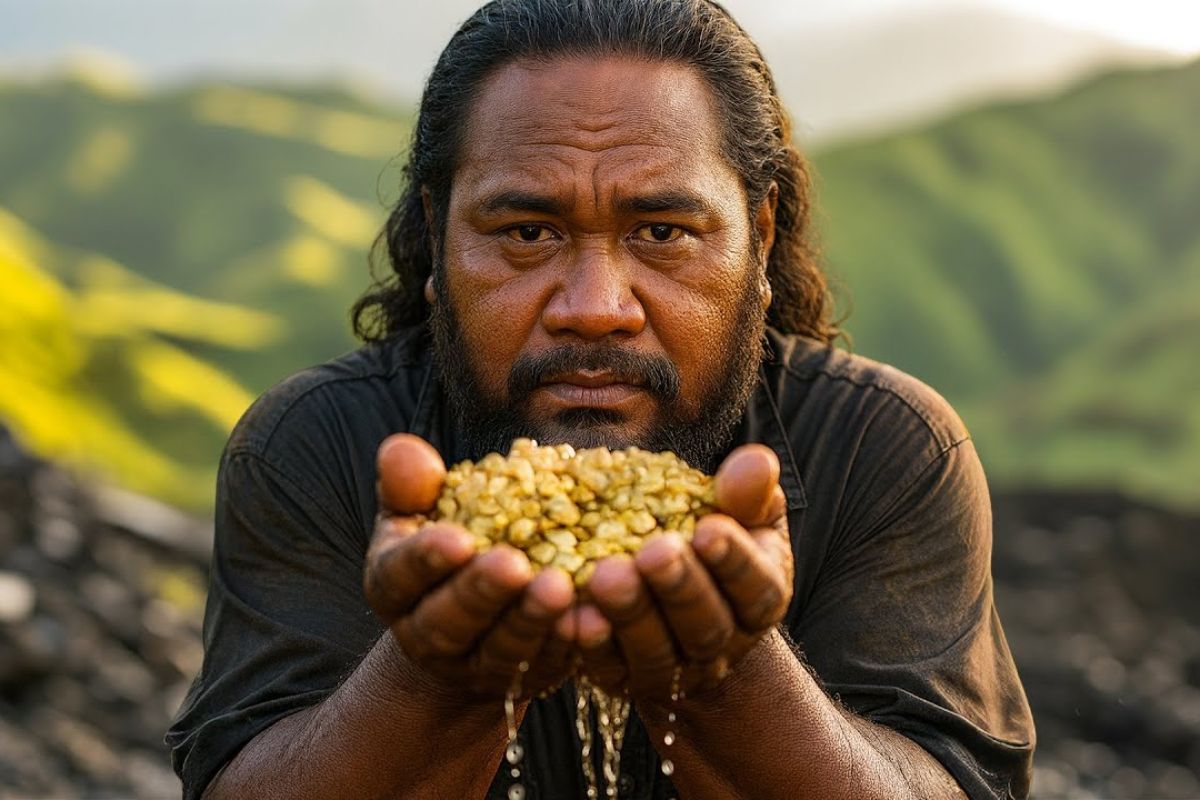
In Gold Ridge, in the Mountains of Guadalcanal, Miners from the Solomon Islands Dig for Gold with Shovels, Feet in the Mud, and Almost No Machines, Exchanging Formal Education for Up to US$ 3,000 a Day and an Exhausting Routine in Isolated Villages Surrounded by Humid Tropical Forest and a Strong Sense of Wealth
On a remote slope in the Solomon Islands, a group of miners has turned a gold discovery into a means of survival and opportunity. Without tractors, excavators, or industrial structures, they climb the mountain every day, set up simple camps, and rely solely on shovels, hoes, and mud puddles to separate the ore from the gravel that carries gold.
While most of the approximately 600,000 inhabitants of the archipelago live off small-scale agriculture, the gold rush in Gold Ridge has created a parallel economy, concentrated in just a few dozen meters of hillside. There, what separates an ordinary day from an exceptional day is the number of grams of gold that each group can extract from the soaked ground.
Where Gold Ridge Is and How Gold Has Changed the Region

Gold Ridge is located inland on the island of Guadalcanal, about 22 kilometers from the capital Honiara, in a mountainous area covered by tropical rainforest.
-
With an unusual prize, Japan transforms office chairs into a resistance race on the streets, ISU-1 Grand Prix grows, fills stages, and pays 90 kilograms of rice.

-
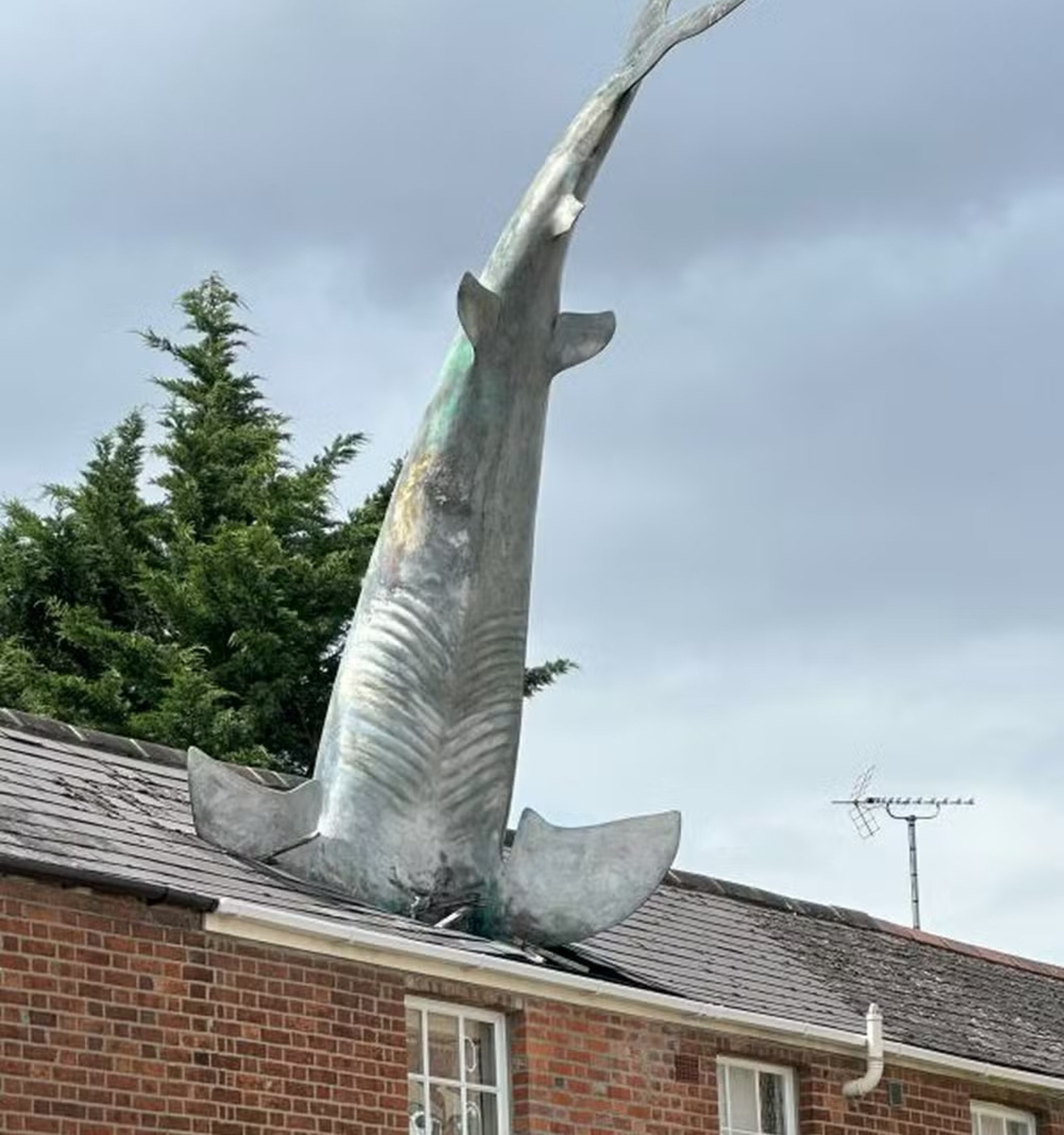
House in England with a 7.6-meter shark embedded in the roof attracts attention worldwide and becomes a curious attraction in Oxford.
-
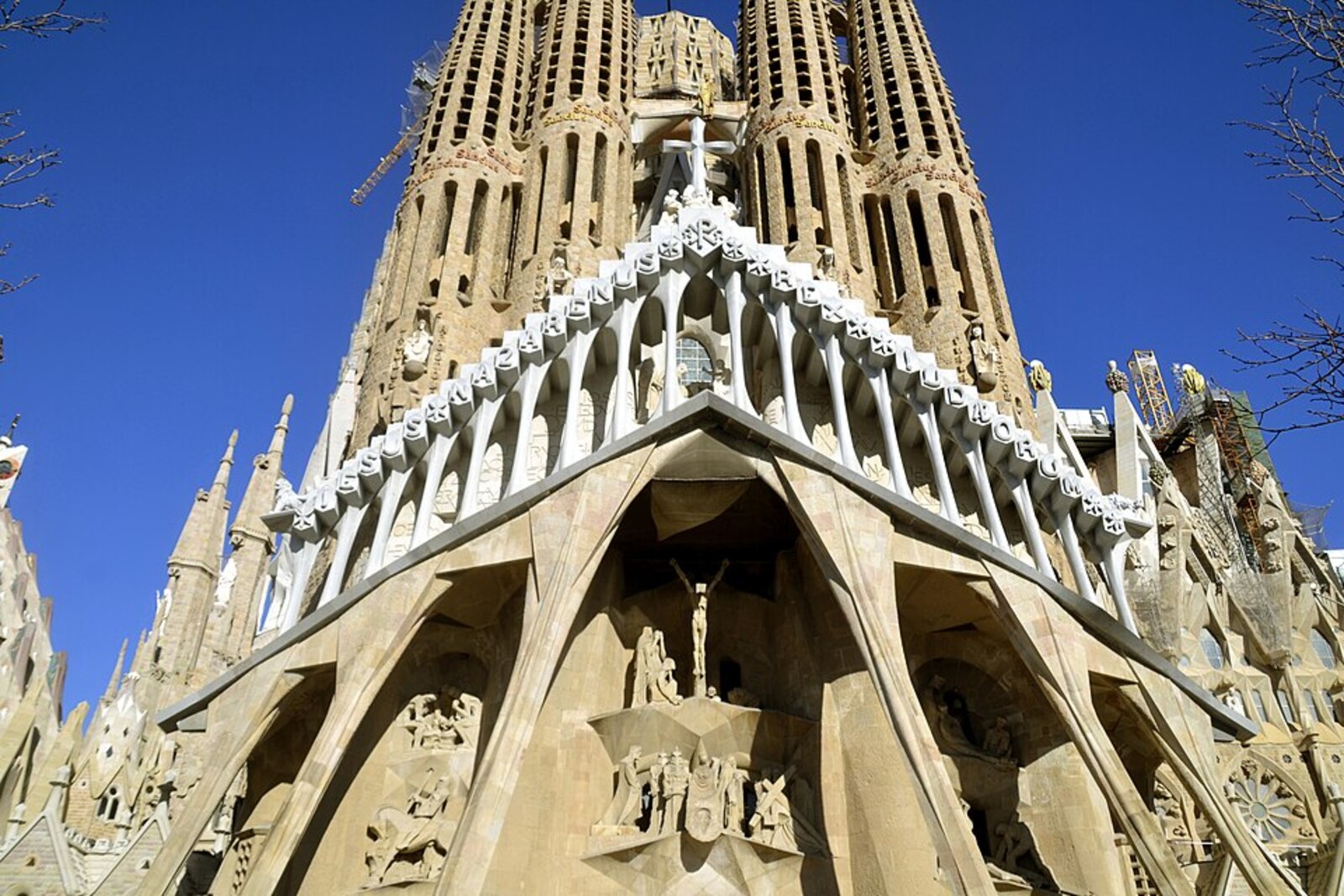
Masterpiece in Spain, under construction since 1882, receives 4.8 million visits in a year and impresses with its gigantism and architecture.
-
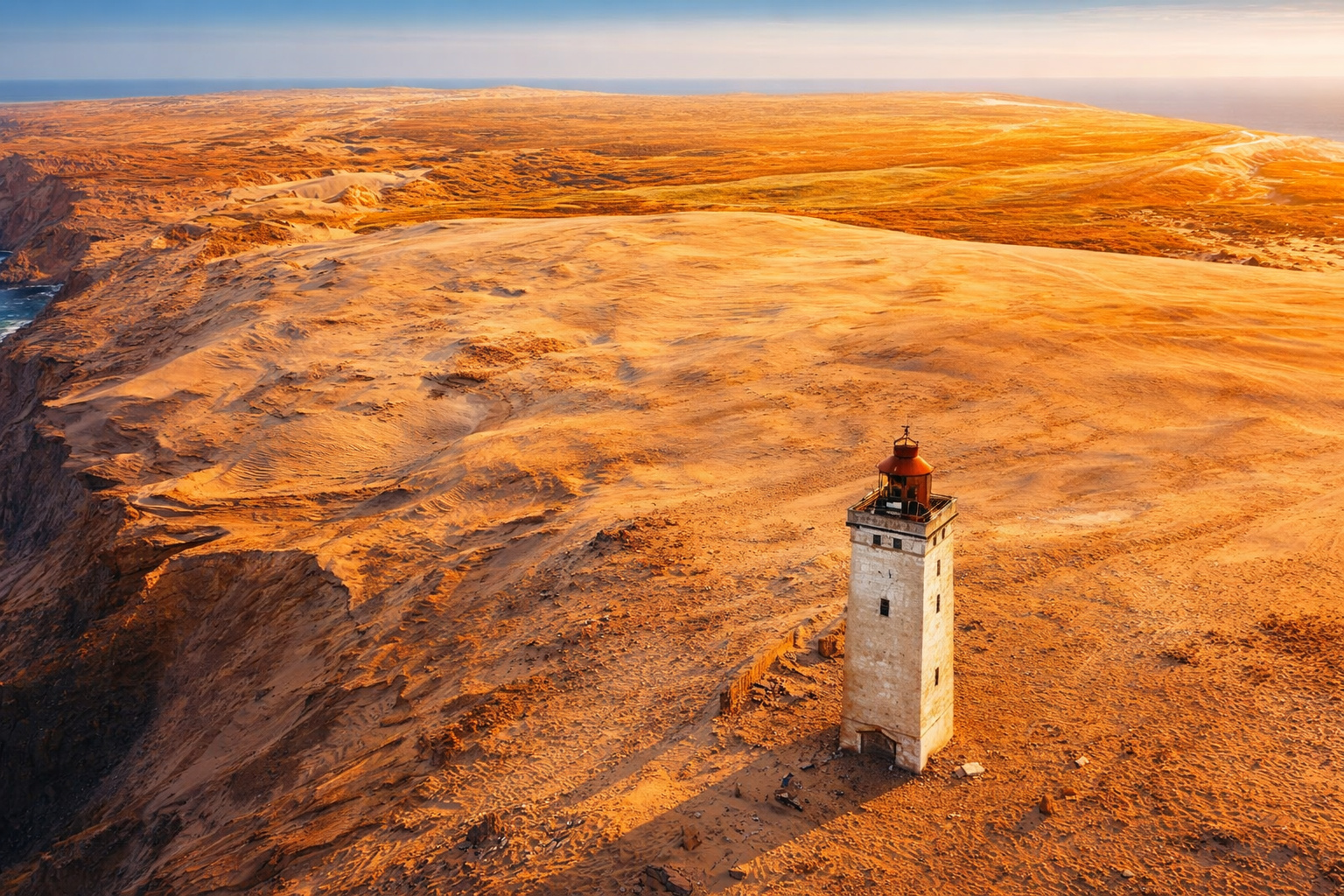
Attracting around 250,000 people a year, a lighthouse 200 meters from the sea, on a 60-meter high cliff, on the North Sea coast in Denmark, becomes one of the most impressive examples of how nature can threaten historical buildings.

For centuries, the economic base was subsistence planting, in small coastal villages and communities scattered throughout the forest.
In 1997, the discovery of a large mine, estimated to contain 1.4 million ounces of volcanic gold, changed the local landscape.
In a territory that was previously discreet in the world geopolitics, around 3,000 inhabitants became experienced miners, developing their own techniques for manual mining on steep slopes, always under intense heat and high humidity.
Miners’ Routine: Mud, Physical Effort, and Little Rest

The workday starts early, when miners climb the hills to the mining sites.
They set up small camps throughout the island’s center, build simple shelters, and spend hours digging the soil in search of richer veins of gold.
Without sophisticated equipment, the entire process is done in the mud.
The ore is removed with shovels, carried in buckets or pans, and washed in puddles of water, where the lighter material is washed away and the heavier gold particles remain at the bottom.
It is repetitive work that requires constant physical strength, attention, and the willingness to stay covered in mud from head to toe.
Even with this precariousness, the potential gains are high on lucky days.
In certain stretches, a group can reach 100 to 200 grams in a single day, in a context where gold is valued at hundreds of dollars per gram.
Not surprisingly, there are reports among workers of daily earnings reaching US$ 3,000, reinforcing the perception that the reward compensates the effort.
School, Formal Education, and the Choice to Work in Mining
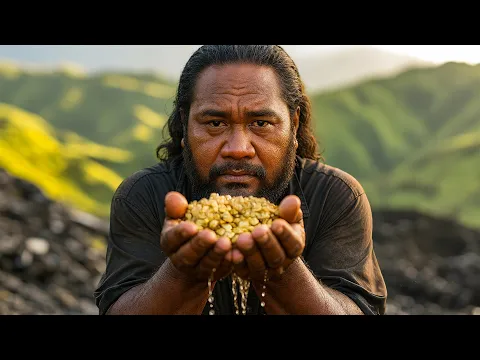

One of the most visible effects of this gold rush appears in the relationship of young people with school.
Many miners report that attending class is seen as a waste of time in light of the opportunity to earn money every day in mining.
For those who see peers returning from the mountain with gold in hand, formal education seems more like a detour than a long-term investment.
In practice, this means that teenagers and young adults abandon or postpone studies to dedicate full time to manual extraction.
The logic is simple and straightforward: a day away from the mining site is a day without income, while a productive day can guarantee an amount that, in local perception, exceeds what many formal jobs would pay over longer periods.
This decision, however, is not based on complex planning or career calculations.
It arises from a combination of immediate need, the example of neighbors, and an environment where gold is the main source of liquidity.
The knowledge becomes that of the practice of digging, washing, negotiating, and circulating among buyers, rather than that of the classroom.
Manual Techniques and Absence of Machines in Gold Extraction
The miners of Gold Ridge operate with methods considered basic by industrial mining.
They do not have excavators, conveyors, centrifuges, or chemical separation systems.
Everything is done with simple tools, such as shovels, buckets, and metal containers used to wash the material.
The main technique consists of removing layers of earth, gravel, and stones, taking this material to water puddles, and performing successive washings.
The gold, being denser, remains at the bottom while the rest is washed away by the current.
The result is a slow, physically exhausting process with very low entry costs, allowing entire families to participate, even on a shift basis throughout the day.
This absence of heavy machinery reduces the financial barrier but also limits the scale of operations.
Each advance depends directly on the available labor force and the conditions of the terrain.
During periods of heavy rain, the volume of water helps with washing but increases the risk of landslides and makes work even more exhausting.
High Income, Simple Life, and Use of Money in Daily Life
Despite reports of high earnings on some days, the living structure in the villages of Gold Ridge remains simple.
The miners comment that a significant portion of their income goes to food and basic consumables.
In some cases, money is used to buy vehicles, facilitating transportation between the village and the mining sites or to the capital.
Houses generally adhere to modest standards, often linked to resettlement programs or traditional structures of the region.
Wealth, when it appears, does not automatically translate into large constructions or ostentatious signs of luxury, but into a greater ability to buy food, supplies, and possibly even equipment that makes work easier.
In the view of many of these workers, the main benefit is the ability to earn in a few days the equivalent of months of earnings from agricultural activities.
This reinforces the option for manual mining, even amid constant mud, heat, and humidity.
A Discreet Mining Operation in a Country Little Visible on the Map
The Solomon Islands largely remain off the radar of the international public.
Even so, the Gold Ridge mining shows how intense economic phenomena can develop in areas considered discreet, directly impacting education, community organization, and residents’ relationships with the future.
In an environment of tropical forest, isolated villages, and steep paths, miners have created their own system, combining traditional techniques of physical effort with a logic of income based on the price of gold.
With each day of work, the feeling reinforces that the mountain holds the chance for an exceptional gain, even if this outcome comes with extreme fatigue and constant uncertainty.
In the end, Gold Ridge has become a symbol of how a single discovery can reorganize expectations around work, study, and social mobility in a small country.
And at the same time, it exposes the contrast between the promise of quick wealth and the harsh reality of mud, heat, and the absence of machines.
And you, in light of the routine of these miners in the Solomon Islands, do you think it would be worth exchanging years of study for the chance to earn a lot of money in just a few days of work in the mud?







-

-

-

-

-

-

46 pessoas reagiram a isso.