





 Portuguese
  English
  Spanish
  6 min of reading
  0 comments


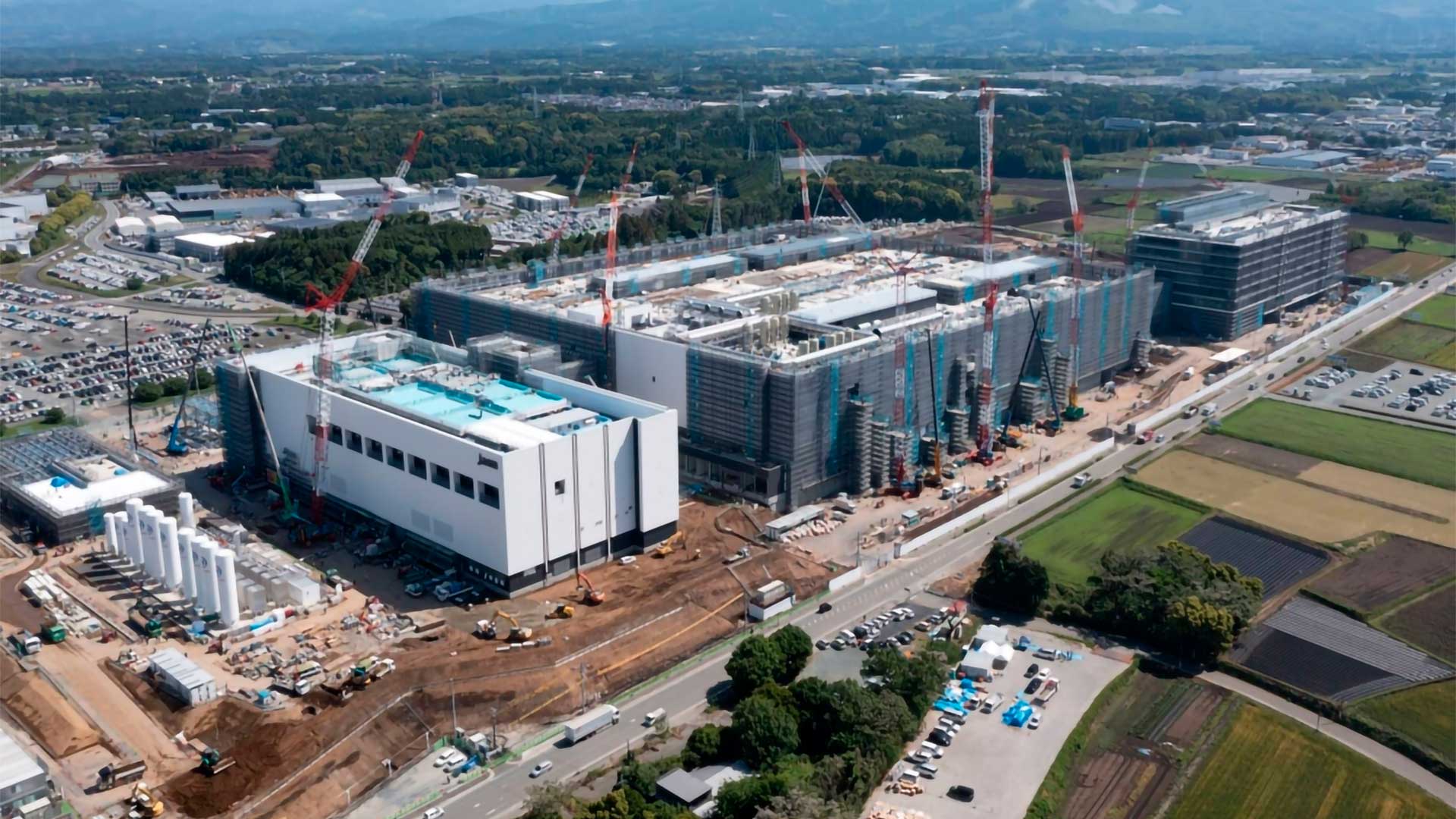
The Arrival of TSMC in Kikuyo Accelerates Japan’s Race for Semiconductors, Creates Jobs, and Raises Regional Costs, While Billion-Dollar Public Subsidies Fund Expansion
Japan has decided to treat semiconductors as a strategic sector and is effectively using public funds to attract chip production and reduce vulnerabilities in the supply chain. The most visible symbol of this policy is in Kumamoto Prefecture, in the southern part of the country, where the presence of TSMC has been changing the routine of a rural area and repositioning Kyushu as an industrial hub.
The factory opened by TSMC in Kumamoto operates through Japan Advanced Semiconductor Manufacturing, known as JASM, and includes participation from Japanese companies linked to sectors such as automotive and electronics. TSMC itself reported that, following the announcement of expansion, the corporate structure envisions the Taiwanese company as the majority shareholder, alongside Sony Semiconductor Solutions, Denso, and Toyota.
The movement is not just industrial; it is political and economic. The Japanese government has been advocating for incentives to ensure local production and provide predictability to segments that depend on chips, such as cars, sensors, industrial equipment, and consumer products.
-
Scientists found hidden within the plants a DNA archive that survived intact for more than four hundred million years.

-
NASA astronauts have captured from the International Space Station rare lightning that shoots upwards instead of falling to Earth, like the giant jet photographed in 2025 by astronaut Nichole Ayers, high-altitude electrical phenomena almost impossible to see from the ground.

-
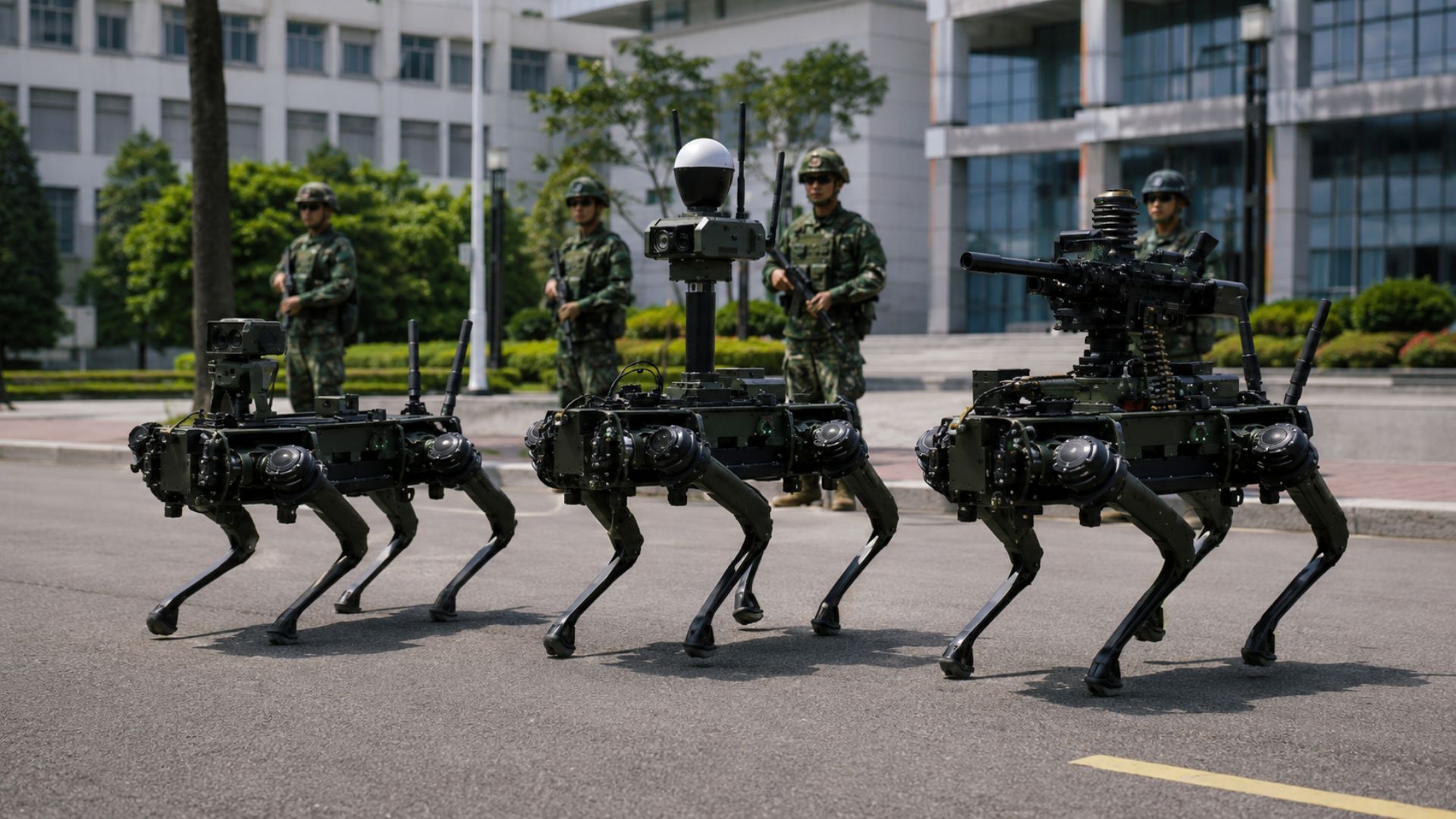
Amid fears of a Chinese invasion, Taiwan unveiled war robot dogs in three versions: one for reconnaissance, one for surveillance, and an armed one for fire support. The military has already shown interest, although no formal purchase has been made so far.
-
With no boss around, no traffic, and more comfort at home, remote work has gained millions of fans, but now a study links the model to a worrying increase in mental suffering.



The results are starting to appear in the regional economy but also in the cost of living and infrastructure, already pressured by traffic and the competition for housing. Local reports indicate that the boom attracts companies and workers while residents feel the effects of a transformation too rapid for the capacity of the surrounding cities.
Japan Places Semiconductors at the Center of Industrial Policy and Economic Security

The Japanese bet occurs in a scenario where chips have become a critical input for competitiveness and, at the same time, for resilience against external shocks. The pandemic, global shortages, and geopolitical tensions have reinforced the view that relying too much on production concentrated outside the country can stall entire industries.
At the same time, the country is trying to regain relevance after decades of losing ground in the global market. The U.S. government’s trade guide notes that Japanese companies accounted for more than half of the global market in the 1980s, before losing leadership over time.
Today, the effort is to combine public capital, industrial coordination, and attraction of global players to accelerate domestic production capacity. Documents from Japan’s Ministry of Economy, Trade, and Industry show a policy line based on subsidies and projects to strengthen manufacturing and development.
TSMC and JASM in Kumamoto Raise Investment Above US$ 20 Billion and Push for a Second Factory
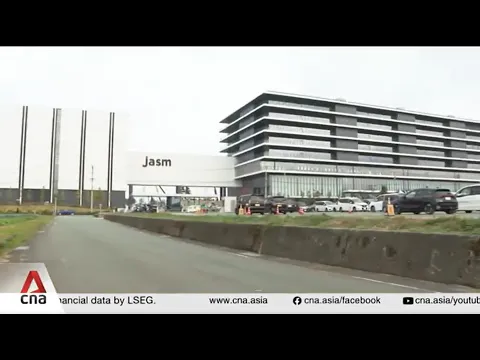

TSMC has scheduled the opening of its first unit in Japan for February 2024 in Kumamoto, with JASM operating the complex in Kikuyo. The expansion has become an international topic because it connects Japan’s reindustrialization plan with the global strategy of the world’s largest contract semiconductor manufacturer.
To make this leap possible, the Japanese government approved subsidies on an uncommon scale by national standards. A public document from METI lists support of up to 476 billion yen for the initiative linked to JASM, while Reuters reported an additional package of up to 732 billion yen to support the second factory.
TSMC itself announced that the expansion in Kumamoto involves participation from Japanese companies and anticipates a significant increase in capacity and productive scope. In the announcement, the company detailed the arrangement with Sony Semiconductor Solutions, Denso, and Toyota as part of the growth plan in the region.
At the same time, the timeline for the second unit has been closely watched by residents and the market. Channel News Asia reported that construction of the second project is underway, but local media mentioned pauses to consider design adjustments, a sign that the strategy may be recalibrated.
Kikuyo and Kyushu Gain Jobs, Training, and New Services with the Chip Hub
In practice, the factory has become a magnet for companies and labor. The governor of Kumamoto stated that the plant has triggered a semiconductor boom, attracting around 70 companies and generating over 6,000 jobs, according to a report by Channel News Asia.
With the race for vacancies, centers have emerged to train professionals more quickly, even for those switching careers. Nisso describes its technical center in Kumamoto as an intensive training program, with structure focused on practice and simulation of industrial environments, which helps meet the demand for skilled workers.
This type of training has a direct impact on local dynamics because it shortens the path between unemployment, migration, and re-employment. The report shows workers leaving areas like logistics and trying to enter the sector in search of stability and more competitive salaries in the chip industry.
The pressure spreads to services outside the factory, such as education. The same report points to the growth of an international school in the region, with classes in Japanese, English, and Mandarin and plans for expansion to accommodate families attracted to the new hub.
With more companies and residents, the fiscal side also changes. In Kikuyo, estimates indicate a significant increase in property tax revenue for the fiscal year 2025, while the local economy tries to keep pace with the acceleration of the real estate market.
Land Prices Rise, Cost of Living Tightens, and Traffic Becomes the Bottleneck of Transformation
The growth comes at a cost that first appears in people’s wallets. In Kikuyo, commercial land prices rose nearly 31 percent in a year, according to official data mentioned by Channel News Asia, a sign that the semiconductor hub in Kumamoto is repricing the region.
This pattern is not isolated and is already appearing in broader surveys about Japan. Reuters reported that land prices in the country grew at the fastest pace in decades, with gains also in areas that received investments linked to chip factories, including Kikuyo.
The most visible bottleneck, however, is infrastructure. Reports and interviews cite complaints about congestion and construction that have not kept pace with industrial growth, a factor that could affect timelines and expansion costs and ultimately tests the patience of those living near the new technology corridor.
What Is at Stake in the Global Chip Race and Japan’s Chance to Regain Ground
Behind the construction site lies a long-term national objective. Japan aims to reduce external dependence, ensure supply for strategic sectors, and regain weight in an industry it once led, something often recalled when comparing the peak of the 1980s with the current level.
The choice of TSMC as an anchor has industrial logic but also fuels public debate. Subsidies of this magnitude raise the question of how much the country should pay to attract foreign production capacity, even if this helps to rebuild a local ecosystem with suppliers, universities, and training.
At the same time, the expansion in Kumamoto has become a showcase for the rest of the world about the competition for capacity and technology. News about possible project adjustments and even changes in technological ambitions for the second plant show that the plan is dynamic, influenced by demand, logistics, and corporate decisions.
In the short term, the concrete fact is that the rural area of Kumamoto is no longer just agricultural; it is integrated into a global chain. The big question is whether Japan will manage to balance industrial gains with affordable housing, urban mobility, and quality of life for those not working in the chip sector.
If you live in a region that has changed rapidly because of major construction projects, does that seem like progress or invasion? Should Japan spend hundreds of billions of yen to subsidize a foreign giant while local living costs rise? Share your thoughts in the comments.








-

3 people reacted to this.