





 Portuguese
  English
  Spanish
  5 min of reading
  0 comments


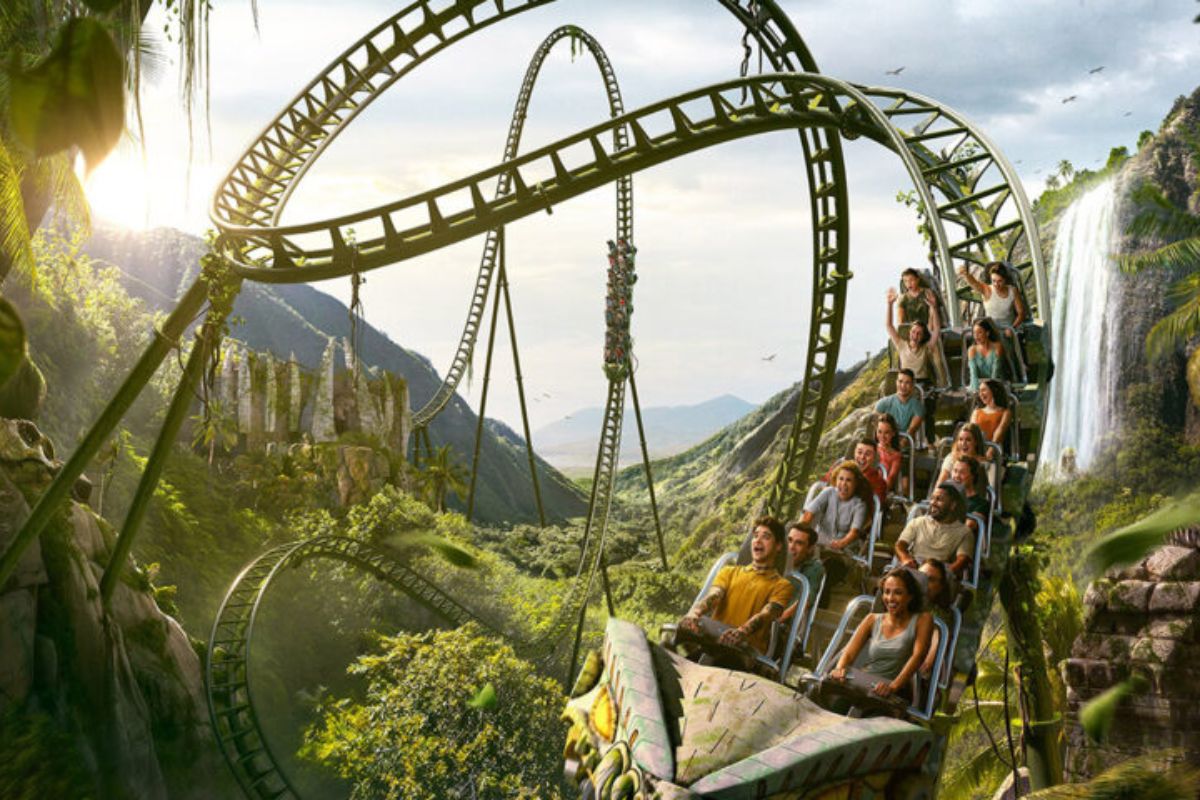
The Explosion of Construction Projects Involving Mega Parks, Integrated Resorts, and Urban Infrastructure Places Brazil in a New Phase of Themed Entertainment with Billion-dollar Investments, Beto Carreiro Expansion, Emergence of Cacau Park in Itu, and Transformation of the Old Olympic Park
Brazil is undergoing a profound transformation in the themed entertainment sector driven by dozens of construction projects that promise to alter the national tourism map. Mega parks, integrated resorts, and urban complexes are beginning to emerge in different regions with billion-dollar investments and long-term operational plans.
In this movement, developments such as Cacau Park in Itu, the structural expansion of Beto Carreiro World in Santa Catarina, and the Imagine complex in Rio de Janeiro symbolize a new economic strategy. The construction projects aim to keep visitors on-site for longer, increasing consumption, accommodation, and experiences.
The New Model of Mega Parks Emerging in Brazil

For decades, Brazil operated theme parks within a relatively simple model.
-
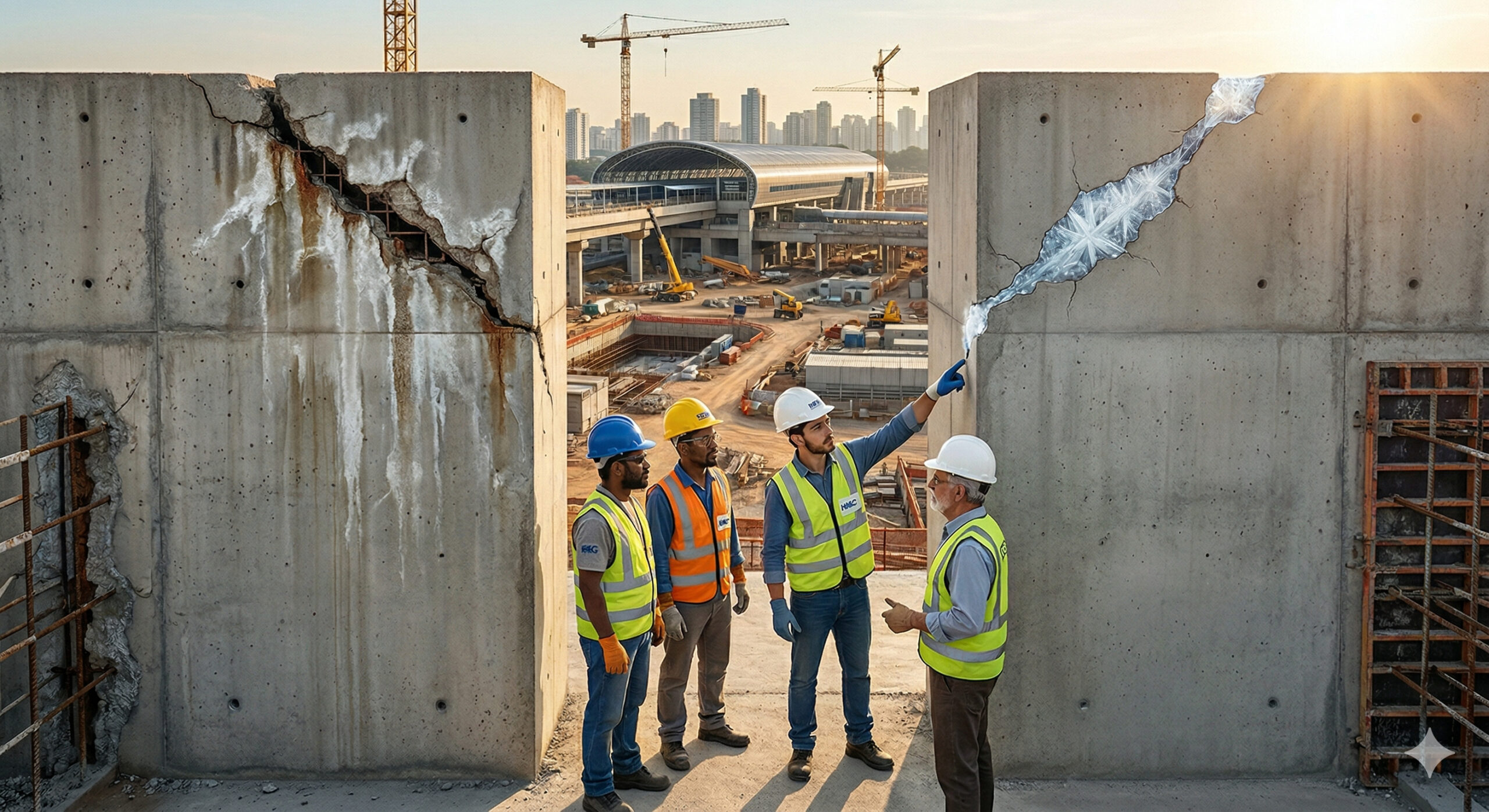
With a lifespan of up to 60 years and a cost up to 30% higher than conventional concrete, self-healing concrete is already being used in Brazil to eliminate leaks, reduce maintenance, and is changing the real cost of construction projects.
-
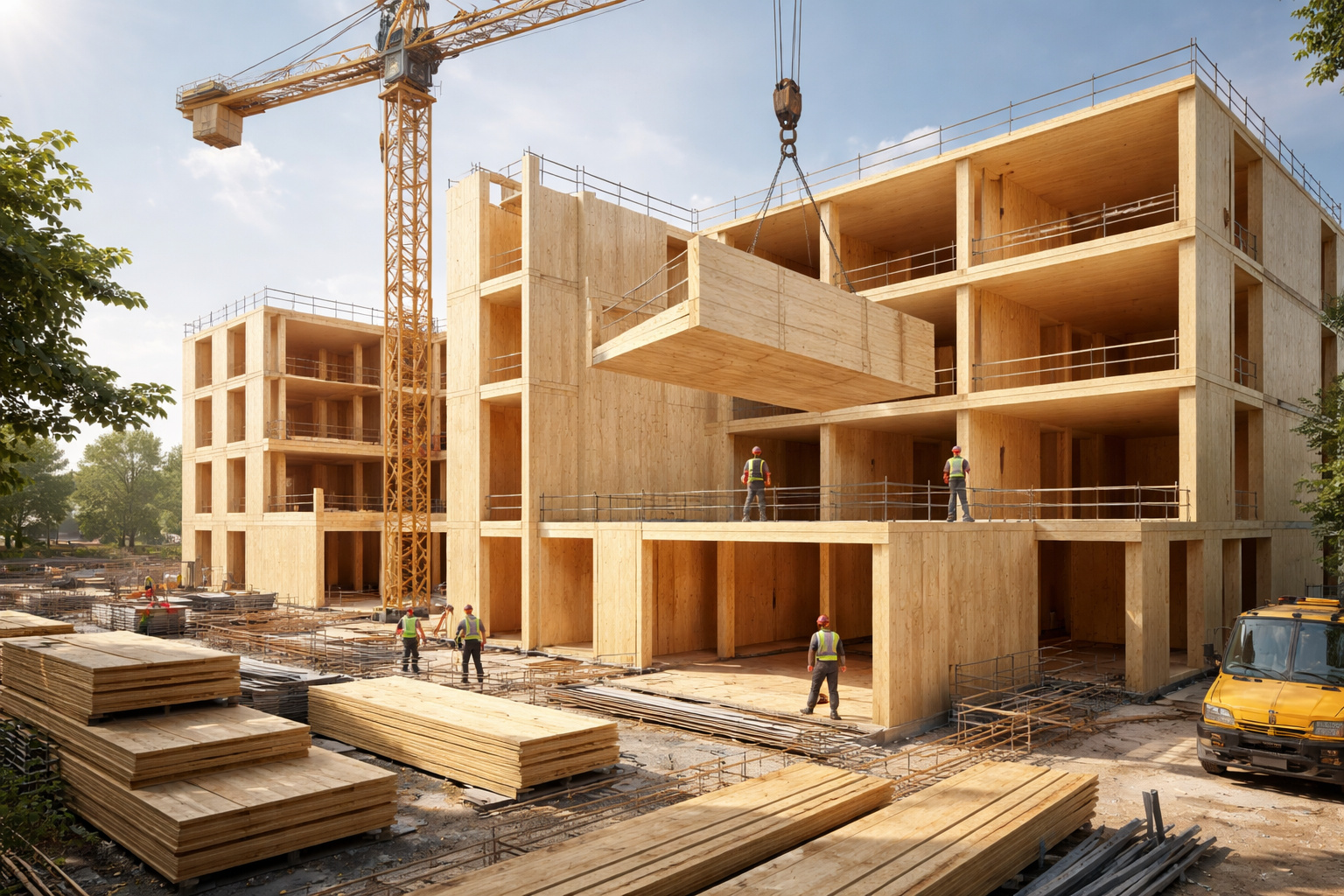
Engineered wood CLT challenges steel and concrete and promises construction that is up to 2x faster with a lower environmental impact in modern civil engineering.
-
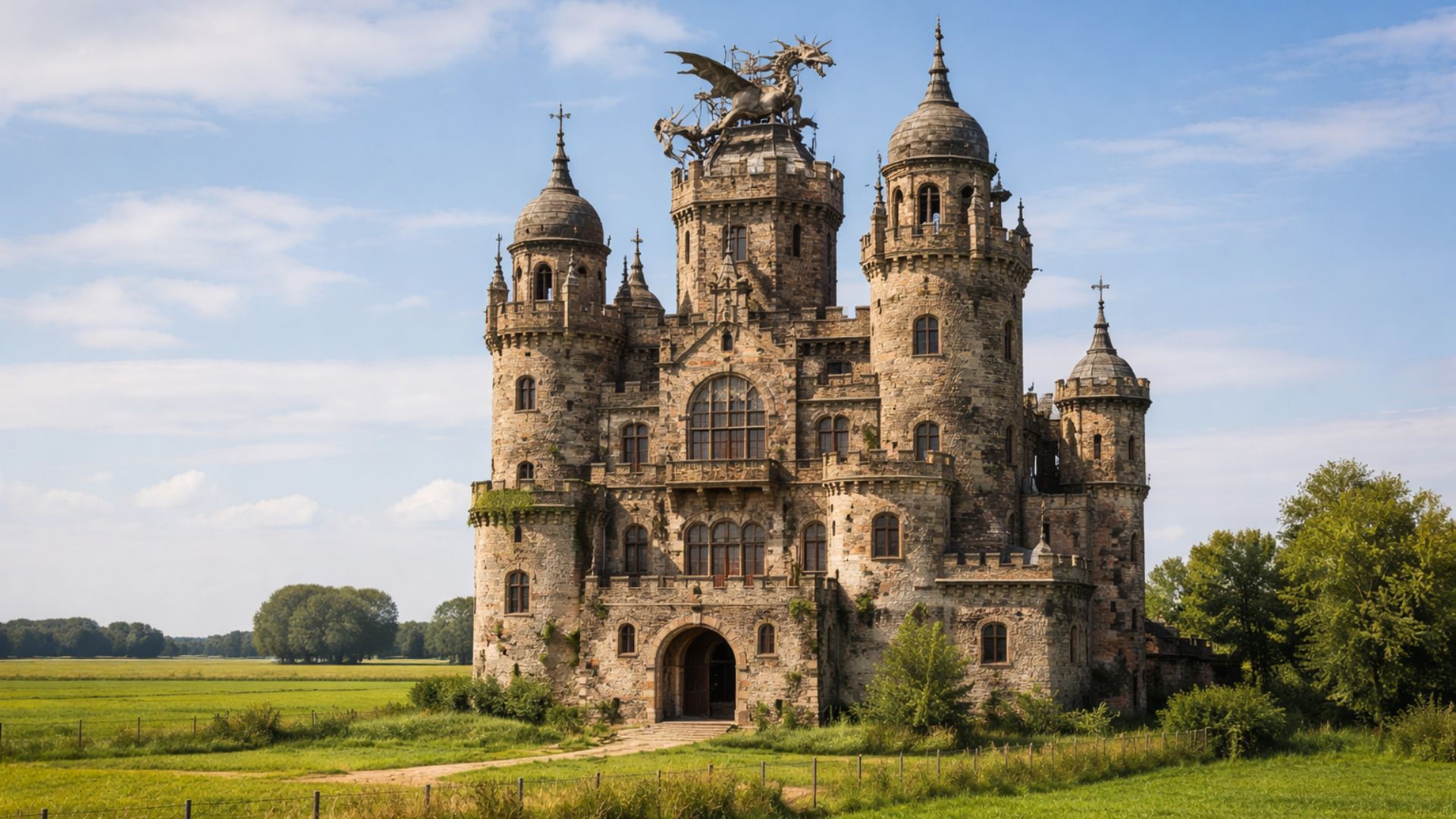
Video: Retiree builds 26-meter Roman castle in his backyard with pieces from dozens of countries, ornamental grates from Libya, and a dragon made of recycled metal.
-
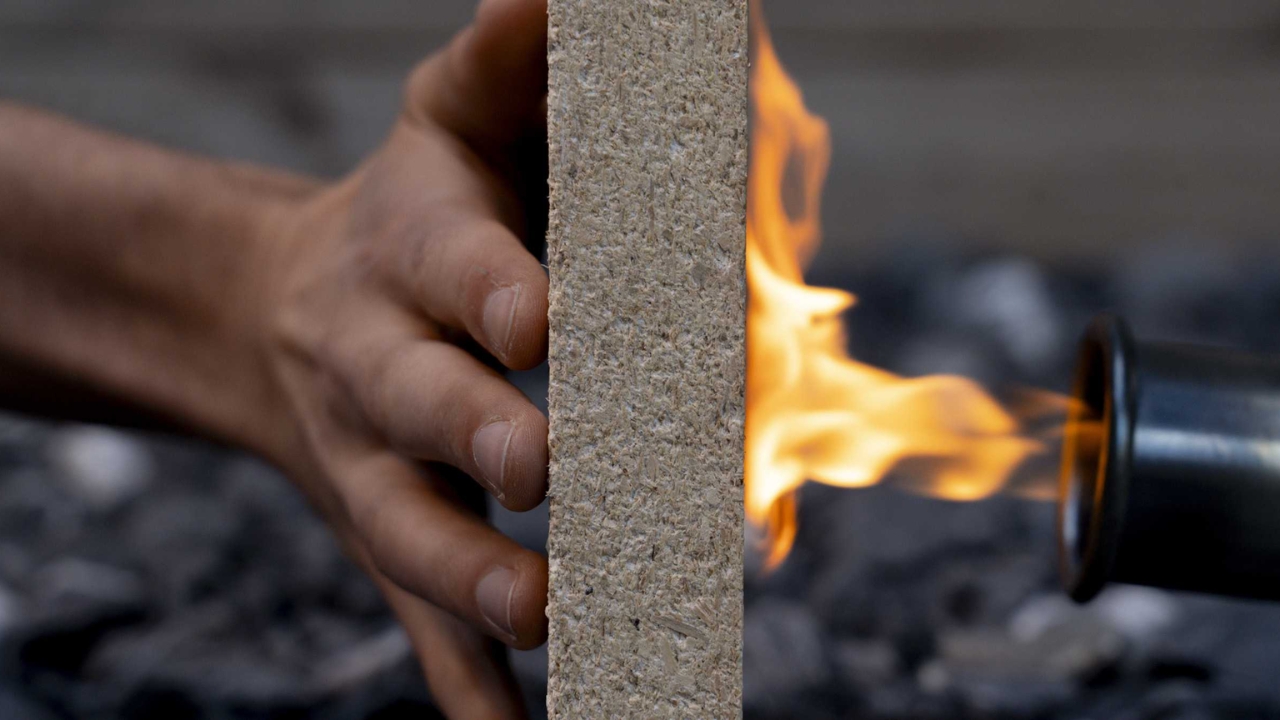
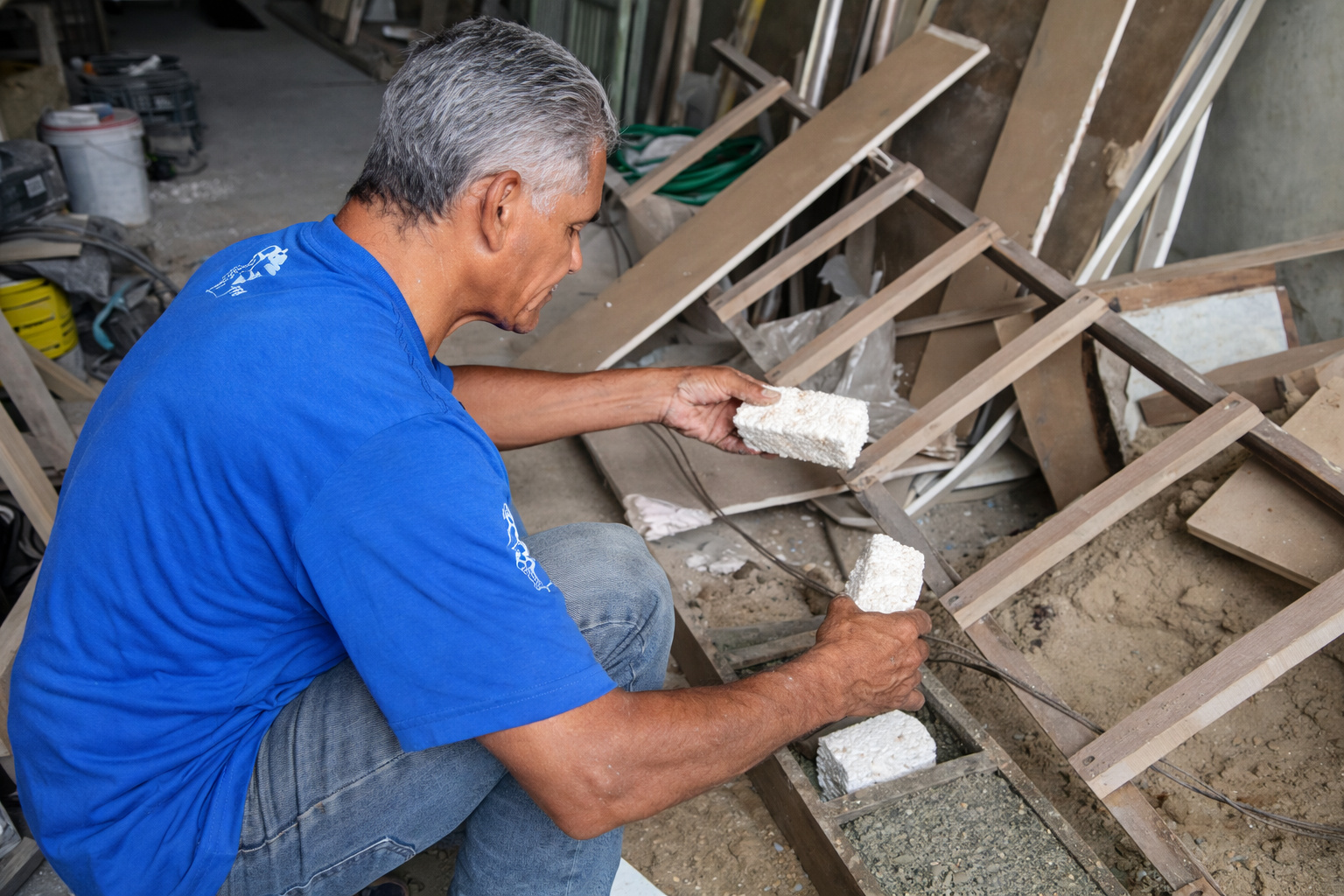
Bricks made with recycled Styrofoam and cassava glue cost R$ 0.40 and insulate walls, reducing internal temperature by 6°C using a technique that produces 50 units with just one 50 kg bag of cement.


The predominant logic was that of a single-day visit, where tourists would arrive in the morning, spend a few hours at the attractions, and then return to nearby cities for sleeping or consuming other services.
The emergence of large construction projects indicates that this model is being replaced by a much more complex strategy.
Inspired by major international entertainment hubs, the new developments are conceived as complete ecosystems that integrate theme parks, hospitality, commerce, and their own infrastructure.
This shift completely alters the financial and operational engineering of the sector, as the average stay for visitors changes from a few hours to several days within the same complex.
The Journey That Transformed Beto Carreiro Into a Reference
To understand the emergence of these construction projects, it is necessary to observe the evolution of Beto Carreiro World.

Opened in 1991 in the municipality of Penha, Santa Catarina, the venture began as a regional bet and established itself over decades as the largest theme park in Latin America.
The original proposal combined live shows, imported mechanical attractions, and settings inspired by popular culture.
Over time, the structure underwent significant technical expansions, including reinforcement of foundations to support larger rides, expansion of parking facilities, and modernization of the electrical network.
Even with this evolution, the traditional isolated park model presented clear limits.
A large portion of tourist spending occurred outside the venture, especially in accommodation and nightlife entertainment in nearby cities such as Balneário Camboriú and Itajaí.
The strategic response was to create new construction projects within the complex itself, including hotels integrated into the park and new themed areas capable of extending visitors’ stays.
Cacau Park and the Construction of a Planned Complex from Scratch
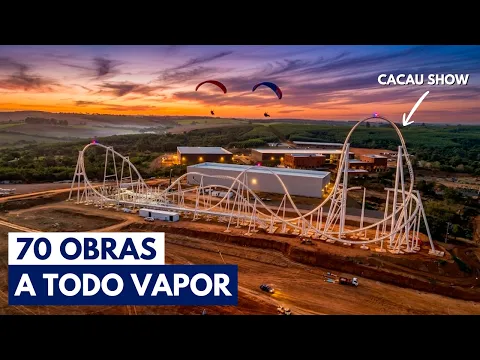

Among the large construction projects in the country, Cacau Park represents one of the most ambitious examples.
The project is being implemented in Itu, in the interior of São Paulo, occupying a total area of approximately 16 million square meters.
The first phase foresees about 7 million square meters dedicated to the theme park, hotels, and technical infrastructure.
The complex has been planned from the start as an integrated resort, eliminating common limitations found in parks built on old structures.
The master plan divides the park into five independent themed areas, each requiring specific engineering solutions.
Among them are complex scenic settings, drainage systems, and reinforced foundations to support large attractions.
Another relevant aspect of these construction projects is the adoption of industrial construction methods, such as the Steel Frame system, which uses pre-manufactured galvanized steel profiles assembled on-site, reducing execution time and increasing structural accuracy.
Imagine and the Transformation of the Olympic Park of Rio
Another significant example of construction projects is the Imagine complex, planned for the former Olympic Park of Barra da Tijuca in Rio de Janeiro.

The proposal envisages converting an area that was used during the Olympic Games into a permanent hub for entertainment and events.
The project involves billion-dollar investments and employs an urban concession model that allows for area management for decades.
The region will undergo deep structural interventions, including retrofitting existing buildings and adapting spaces originally intended for media and sports broadcasting.
These structures will be converted into event arenas, immersive spaces, and environments focused on interactive experiences, expanding the capacity to host large audiences.
In addition to architectural interventions, the construction projects associated with the complex include significant urban improvements, such as transportation systems and restructuring regional mobility.
Urban Infrastructure and the Impact of Mega Parks
The expansion of these construction projects poses challenges that go far beyond building the parks.
A mega entertainment complex can receive tens of thousands of visitors in a single day, requiring road networks, public transportation, and compatible urban infrastructure.
In the case of the Imagine complex, for example, major interventions are planned to increase circulation capacity in the Barra da Tijuca region.
The planning includes mobility solutions aimed at reducing bottlenecks and facilitating access to the complex.
The logic behind these works is simple: a modern park needs to function like a small city, with its own energy, water, drainage, and transportation systems.
This type of urban planning is beginning to appear more frequently among new construction projects, showing that the entertainment sector is becoming a relevant engine of urban transformation.
Technology, Franchises, and New Attractions
Another factor driving construction projects in Brazil is the competition for intellectual properties and high-impact technological attractions.
Modern theme parks increasingly depend on high-performance attractions, such as magnetic launch roller coasters, immersive simulation systems, and large-scale scenic environments.
These technologies require complex technical infrastructure, including deep foundations, high-capacity electrical networks, and advanced control systems.
Each new attraction becomes a high-precision engineering project, involving international suppliers and sophisticated technological solutions.
The adoption of this technical standard brings Brazil closer to global entertainment hubs and places the country within an international circuit for the development of theme parks.
A New Phase of Entertainment in Brazil
The set of construction projects spread throughout the country indicates that the theme park sector has entered a new phase of growth and sophistication.
The combination of integrated resorts, large attractions, and planned urban infrastructure suggests that Brazilian parks can evolve into complete tourist destinations, capable of competing with international complexes.
More than just amusement parks, these ventures are beginning to function as cities dedicated to entertainment, with direct impacts on tourism, regional economies, and urban engineering.
In light of this race for mega parks and integrated resorts, a crucial question arises: is Brazil truly entering the era of large entertainment complexes capable of competing globally, or do these construction projects still face structural challenges to consolidate?






-

-

-

-

-

16 pessoas reagiram a isso.