Portuguese
  Spanish





UN Humanitarian Convoys Use Modular Armor, Ballistic Glass, and Run-Flat Tires to Cross War Zones Unarmed and Ensure Vital Deliveries.
In 2025, as conflicts continue to devastate entire regions of Africa, the Middle East, and parts of Asia, essential humanitarian operations rely on a very particular type of logistics: convoys that must travel through areas at extreme risk without using weapons. This is the rule that guides the actions of the World Food Program (WFP), UNHCR, UNICEF, and UNDSS, responsible for delivering food, vaccines, generators, medicines, and survival items to populations trapped by civil wars, insurgencies, and terrorist attacks.
International law and humanitarian codes are clear: UN operators cannot carry lethal weapons, as this would compromise their neutrality and could make them military targets.
But if they cannot shoot, they need to survive. And that’s where sophisticated engineering comes in — civil armor, tires designed to continue rolling even after being shot at and hit, multilayered glass, encrypted communication, and risk sensors.
These convoys represent one of the most delicate operations currently existing: delivering aid without threatening anyone, traversing roads where ambushes, gunfire, and improvised explosives can emerge at any turn.
-
18-Year-Old Student Designs Modular Microhouse from Fiberglass and PET to Combat Homelessness in Brazil, Plans to Live in Prototype for a Year to Demonstrate Quick Assembly

-
The Frenchman Who Brought the World Cup to Life: Overcoming Resistance and Crossing the Atlantic with the Trophy to Create Football’s Biggest Tournament

-
Archaeologists Reexamine 4,500-Year-Old Tombs in Ancient Mesopotamia, Suggesting Some Early Kings May Have Been Powerful Women
-
The North Face Co-Founder Donates Vast South American Lands to Create National Parks in Patagonia, Turning Private Wealth into Environmental Legacy



Modular Armor: The Invisible Shield of Vehicles Crossing War Regions
Humanitarian vehicles used by the UN and its agencies are modified civilian models with modular armor.
This armor can be quickly replaced, reducing maintenance days to just a few hours, which is essential in areas where every day stalled can mean delays in food or vaccines for thousands of people.
The armor includes:
- Ballistic steel capable of withstanding rifle shots from Kalashnikovs;
- Composite ceramic that fragments projectiles and dissipates energy;
- Internal panels made of aramid fiber that retain shrapnel.
This combination allows for resistance against light weapon fire, shrapnel from explosions, and direct impacts that would be fatal in regular vehicles.
Multilayered Glass That Remains Intact Even When Cracked
The glass used in the convoys has between 5 and 12 layers, combining:
- laminated glass,
- ballistic acrylic,
- high-density polycarbonate.
Even when hit by rifle projectiles, it doesn’t shatter but instead fractures internally, preserving the integrity of the cabin and preventing the entry of fragments. This technology was initially developed for diplomatic missions and is now standard for humanitarian vehicles in conflict zones.
Run-Flat Tires: When Stopping Means Dying
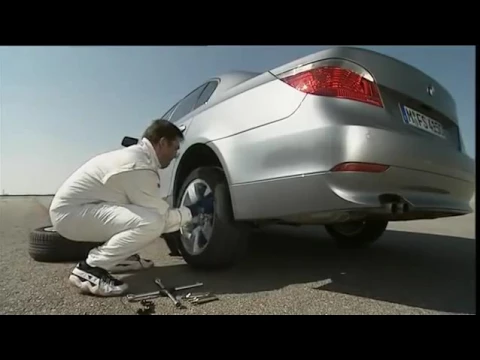

If an ambush occurs and the vehicle loses its tires, it becomes vulnerable. Therefore, the convoys use run-flat tires, which have reinforced inner rings capable of supporting the weight of the vehicle even after being punctured.
They allow for:
- traveling between 40 and 60 kilometers without air;
- maintaining drivability;
- ensuring escape routes even under attack.
The goal is clear: never allow the vehicle to stop until reaching a safe zone.
Weaponless Technology: Sensors, Encrypted Communication, and Evasive Routes
As weapons are prohibited, the focus of defense is on detection of dangers before they reach the convoy.
The systems include:
- IR sensors that detect human heat or concealed vehicles;
- short-range mini-radars that detect rapid approaches;
- GPS with programmed alternative routes for immediate diversion;
- encrypted radio that prevents interference;
- infrared signalers for allied observation drones to monitor the convoy.
The principle is not confrontation but evasion.
Regions Where These Convoys Operate Under Extreme Risk
The riskiest operations in the world include:
- South Sudan – ambushes and attacks on convoys occur weekly.
- Democratic Republic of the Congo – armed militias control key routes.
- Syria and Iraq – remnants of jihadist groups complicate movement.
- Somalia – fragmented territory with the presence of groups like Al-Shabaab.
- Yemen – conflicts between Houthi rebels and Arab coalitions.
In those scenarios, humanitarian vehicles are often the only safe transport for isolated populations.
Driver Training: Evasive Driving and Risk Reading
UN drivers are trained by the Department of Safety and Security (UNDSS) and undergo rigorous courses that include:
- high-speed evasive maneuvers;
- landmine identification;
- unarmed escape techniques;
- driving on unstable terrains;
- combat first aid;
- coded communications.
The driver is the key piece: they need to read signs of danger seconds before any attack.
What These Convoys Transport and Why Every Minute Counts
Humanitarian cargo includes:
- temperature-sensitive vaccines;
- essential foods;
- medical kits;
- shelter and thermal tarps;
- hygiene products;
- drinking water and purifiers;
- school supplies for refugee camps.
In conflict-blocked regions, delaying a delivery means leaving families without food, children without vaccines, and hospitals without basic supplies.
Humanitarian convoys represent one of the greatest expressions of engineering applied to preserving life. They are vehicles not designed to win battles, but to save civilians.
Not to impose force, but to withstand chaos.
Not to attack, but to ensure that the world reaches where war prevents it from entering. And all of this without firing a single shot.