





 English
  Francês
  Alemão
  Italiano
  Japonês
  Norueguês
  Portuguese
  Spanish
 6 min of reading


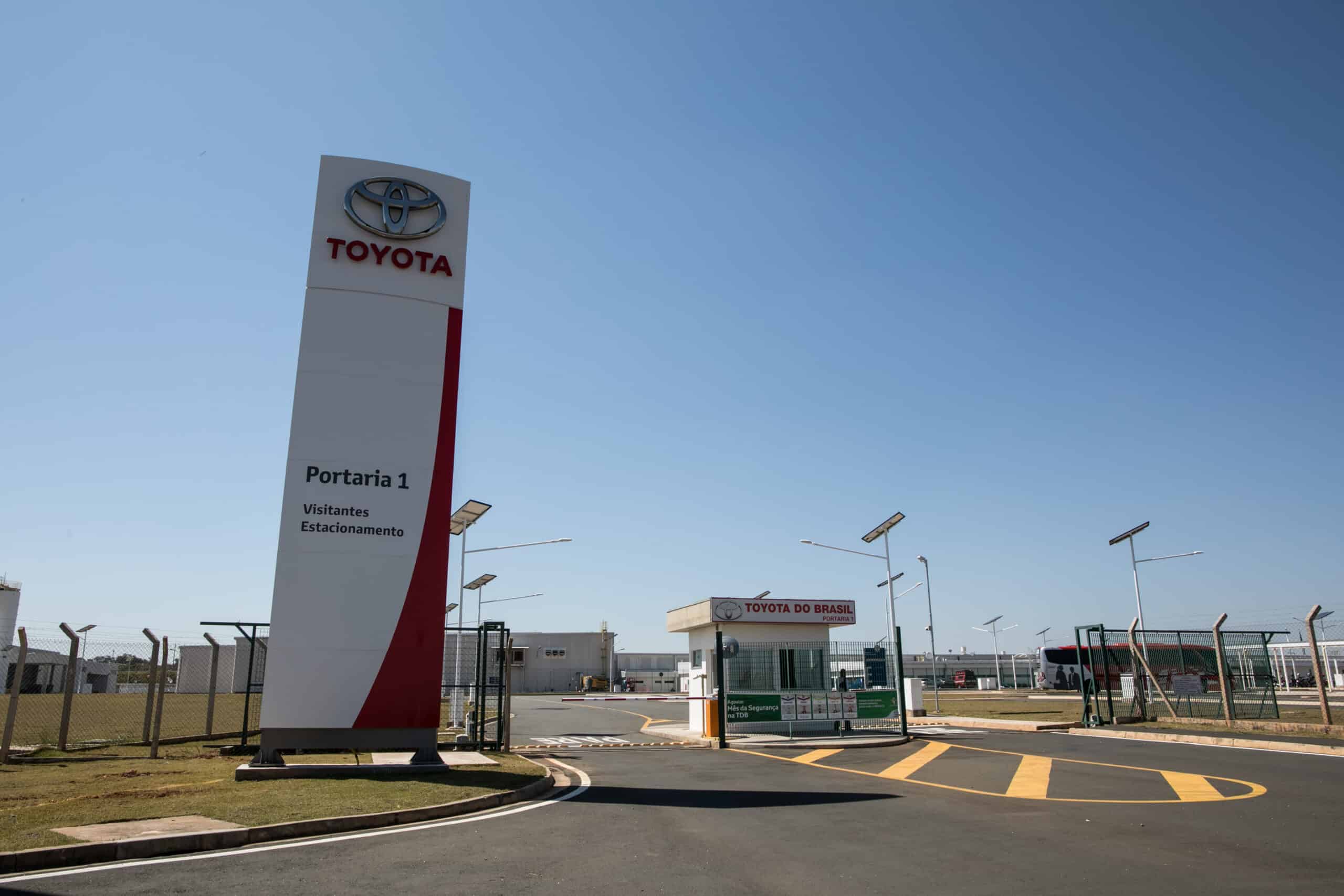
Toyota Factory in Porto Feliz Becomes the First Operation Outside Asia to Produce TNGA Platform Engines and Nearly Doubles Its Production Capacity with the Arrival of the New Corolla
The multinational vehicle manufacturer Toyota do Brasil celebrates the fifth anniversary of its plant in Porto Feliz (SP), the only factory of the brand in Latin America and the Caribbean to produce engines. Vital to the sustainable growth plan in the region, it currently supplies the assembly lines in Sorocaba (SP), where the Etios (export only), Yaris, and Corolla Cross models are manufactured, as well as in Indaiatuba (SP), where the Corolla sedan line is located.
Read Also
- End of Flag Loyalty at Fuel Stations and Direct Sale of Ethanol from Mills Approved; Measures Promise to Stimulate Competition and Curb the Rise in Gasoline Prices
- 117 Free Courses with Certificates from Bradesco Foundation in the Areas of Administration, Accounting, Education, Technology, and Much More
- Niobium Instead of Lithium Revolutionizes and Becomes a Solution to Increase the Capacity and Lifespan of Electric Car Batteries
- After Halting Vehicle Production and Closing its Factories in Brazil, Ford Sees Hundreds of 0 Km F-150 Pickups Being Destroyed in a Train Accident
- Scania, Global Leader in Heavy Truck, Bus, and Engine Production, Just Implemented 40 Electric Lithium-Ion Forklifts at its São Paulo Facility, Responsible for Storing and Supplying Replacement Parts for All of Latin America
- After Volkswagen, Ford, and Fiat, the Multinational Chevrolet Suspends Production at its SP Plant and Chevrolet Onix, Onix Plus, and Spin Will Not Be Manufactured Until August 3
- After Volkswagen, Ford, Chevrolet, Fiat, and Yamaha, the Multinational General Motors Suspends Production at its SP Factory and Negotiates, on This Day 26, the Suspension of Work Contracts
In this half-decade of operations, the unit has been responsible for developing 20 environmental activities, which included a 56% reduction in waste, 32% in CO2 emissions, and 42% in water usage in the production process. These initiatives earned international recognition from Toyota Motor Corporation, which pointed out Porto Feliz as the cleanest plant in the Group, contributing to the global strategy to neutralize carbon by 2035.
Toyota Plant in Porto Feliz (SP) Has a Production Capacity of Approximately 170 Thousand Engines per Year
With a production capacity of approximately 170 thousand engines per year, the unit follows the same ecofactory concept used at the Sorocaba (SP) factory. The principle consists of annually reducing the emissions of generated waste, volatile organic compounds (VOCs), and CO2 emissions, as well as maximizing the reuse of rainwater and preserving the native forest area.
-
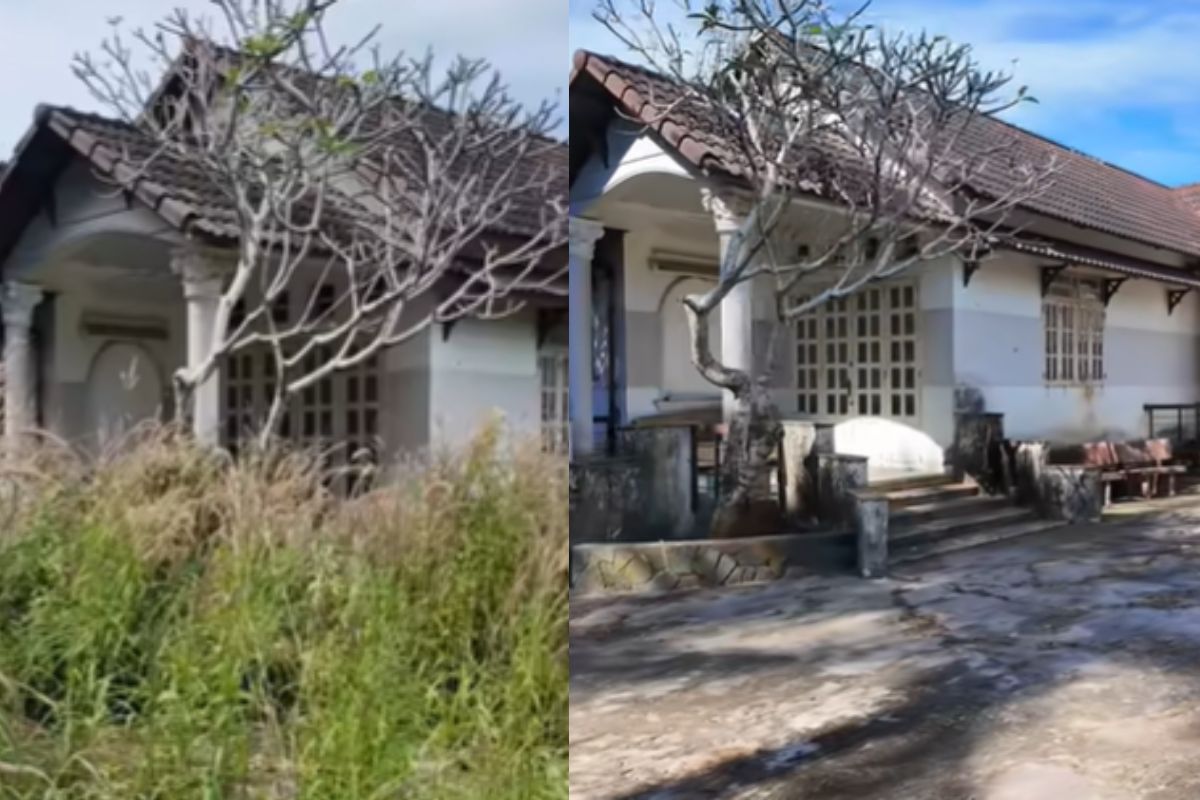
Abandoned house for 15 years disappears in the woods, shocks owner with unrecognizable scenery and is reborn in an intense transformation after almost 90 hours of work in just 10 days.
-
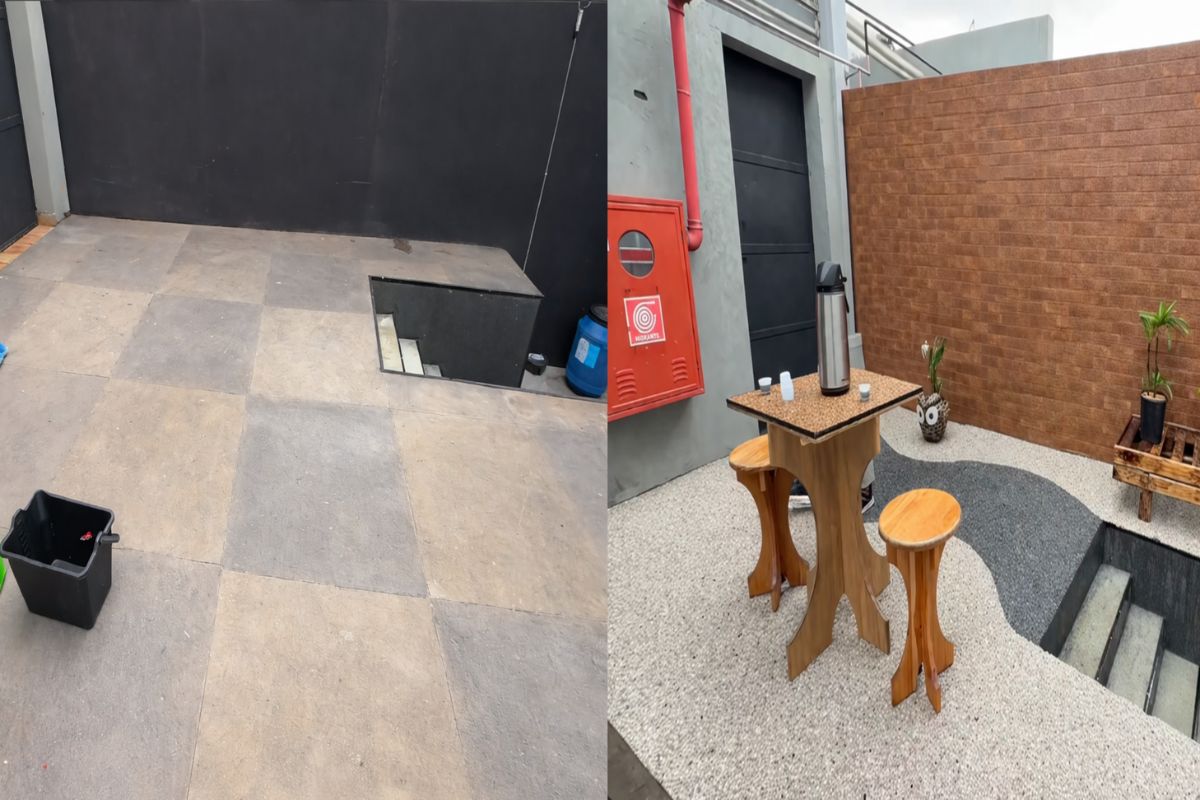
In just three hours, a natural stone floor transforms the entrance of the house with an organic effect, immediate drainage, and a sophisticated non-slip finish that doesn’t puddle water, dries quickly, and impresses with the final result.
-
‘Interlocking brick’ made of earth arrives in the construction industry with cost reductions of up to 40% on the project.

-
Espírito Santo will receive the largest engineering project in its history with the duplication of BR 262, which will have 50 viaducts, 28 bridges, and 2-kilometer tunnels cutting through the most challenging mountainous region of the entire state.

“Porto Feliz is an example of how we are committed to the carbon neutrality process, even while expanding our production activities,” says the plant’s general manager, Gilberto Paulino.
As a result of an initial investment of R$ 580 million, the productive unit has already undergone expansion and modernization, with an investment of R$ 600 million, for the production of Toyota’s most recent launch, the 2.0L Dynamic Force engine, mounted on the TNGA platform, which equips the new Corolla Cross and the Corolla. In its short history, the unit has become a milestone in Toyota’s Latin American operation, gathering attributes from the company’s most modern, productive, and sustainable plants around the world.
The skill of the more than 400 employees at the unit has allowed Toyota to overcome various stages in the challenge of sustaining the growth of the portfolio in such a challenging period. The unit started production with 1.3L and 1.5L Dual VVTi engines for the compact Etios, which was then still marketed in Brazil, as well as Argentina, Paraguay, Peru, and Uruguay.
With the Arrival of the New Corolla in 2019, Toyota Factory in Porto Feliz Nearly Doubled Its Production Capacity
With the introduction of the Yaris in mid-2018, which uses the same technology employed in the Etios, an increase in production on the line to cover the supply was natural. With the arrival of the New Corolla in 2019, which added a new platform to the lineup, the TNGA, Porto Feliz nearly doubled its production capacity and diversified its product line.
“From 2016 to today, we have overcome the obstacles of a very challenging period for the industry and all of Brazil. With our long-term plan, we added new projects to our line, even amid consecutive crises over the past four years, because we are equipped with high tech in production and a skilled team to meet the growth of Toyota’s portfolio in Brazil,” points out Paulino.
Paulino describes that in Porto Feliz, Toyota possesses the most advanced and innovative technology in production processes, as well as a high degree of industrial automation, encompassing extremely precise machines within each stage of the assembly line, utilizing groundbreaking laser technology for high-strength material electrodeposition on the installation of the Dynamic Force engine’s valves.
To ensure quality at the end of the process, it has devices for performing tests with simulations on 100% of the engines and an advanced laboratory for performance and durability analysis. All these elements ensure superior quality for the produced engines. Additionally, it is one of the first Toyota manufacturing units to include all three industrial processes in one location (foundry, machining, and assembly).
Production and Export
Porto Feliz has become the first operation outside Asia to produce TNGA platform engines, which equip the Corolla sedan and the Corolla Cross SUV. In addition to the new platform, flex-fuel and gasoline engines, Dual VVTi, of 1.3L and 1.5L, are also produced for the Yaris and Etios models, both hatch and sedan. In total, more than 630 thousand engines have been produced since the plant’s inauguration.
With the ability to deliver 100% locally manufactured vehicles to the market, Toyota has been able to develop its growth and expand its presence in Argentina, Chile, Peru, Paraguay, Uruguay, Ecuador, among other countries in Latin America and the Caribbean.
Toyota Temporarily Suspends Production at Sorocaba SP Factory
Toyota do Brasil announces that it will temporarily suspend production at its Sorocaba factory, where the Yaris (hatch and sedan), Corolla Cross, and Etios (export only) models are produced, between August 18 and 27, 2021. The Porto Feliz unit, responsible for producing the 1.3L and 1.5L engines for the Yaris and Etios, as well as the 2.0L TNGA engine for the Corolla and Corolla Cross, will also be partially affected.
Despite all the efforts we have made over time to manage the shortage of supplies affecting the global supply chain caused by the Covid-19 pandemic, at this moment a stoppage is inevitable.
The employees affected by the stoppage will enter collective vacation during this period, with a return to activities scheduled for August 30. The other Toyota units in Brazil, located in São Bernardo do Campo and Indaiatuba, will continue their normal activities.
Toyota do Brasil has been present in the country for over 60 years. It has four production units located in the cities of Indaiatuba, Sorocaba, Porto Feliz, and São Bernardo do Campo and employs more than 5,000 people. In 2020, it launched Kinto, its new mobility company, to offer services such as car rental and fleet management for a transforming society. It also reinforced its Gazoo brand through initiatives that challenge the excellence of its vehicles. Its mission is to produce happiness on a large scale, and to achieve this, it is committed to developing better and safer cars, as well as advancing mobility solutions. The company contributes to society through its business, with actions aimed at reducing the risk of accidents, improving vehicle traffic, and increasing the use of renewable energies, and as a good corporate citizen. Together with the Toyota Foundation of Brazil, it has initiatives that resonate with the 17 Sustainable Development Goals. More information on the company’s website
.






Seja o primeiro a reagir!