





 Portuguese
  English
  Spanish
  4 min of reading
  0 comments


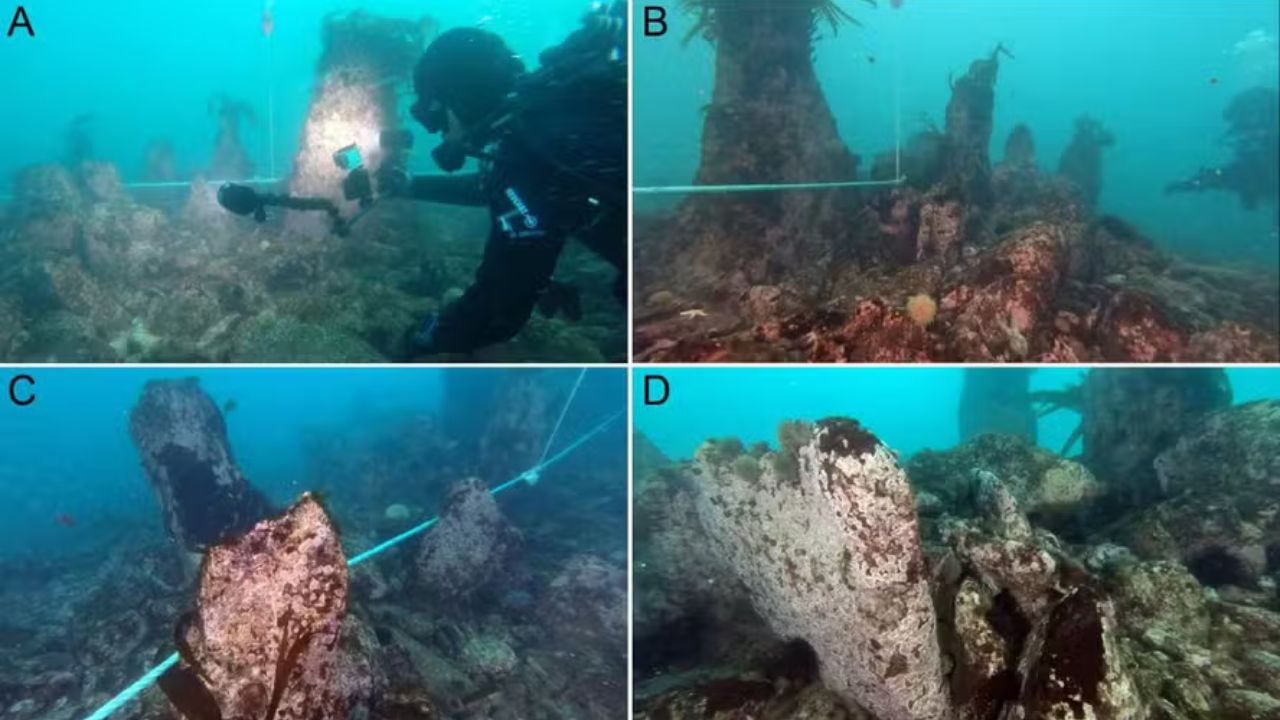
Submerged Wall With 120 Meters And Over 7 Thousand Years Is Discovered Off The Coast Of France And Reveals How Prehistoric Societies Occupied Areas Now Covered By The Sea.
A major scientific underwater discovery is helping to rewrite important chapters of European prehistory. Archaeologists have identified a submerged wall about 120 meters long, built over 7 thousand years ago, currently located off the western coast of France. The find, considered exceptional due to the level of preservation, was revealed in a report from the portal Adventures in History and detailed in a study published in the International Journal of Nautical Archaeology.
The structure was located near the Île de Sein in the Brittany region, an area now entirely submerged, but which in the past was part of an extensive habitable coastal zone.
Where Is The Submerged Wall And How Was It Discovered
The first hint of the existence of these constructions emerged back in 2017, when retired geologist Yves Fouquet was analyzing seabed maps obtained through laser scanning technology. The data revealed unusual geometric alignments that were inconsistent with natural formations.
-
A man renovated a caravan spending less than R$15,000, transforming the vehicle into a small and functional trailer using wood, wheels, metal plates, and wall installation, and surprises with the perfect result.

-
Children from emotionally cold homes reveal a shocking secret: early independence may hide deep traumas and silently and durably impact adult life.

-
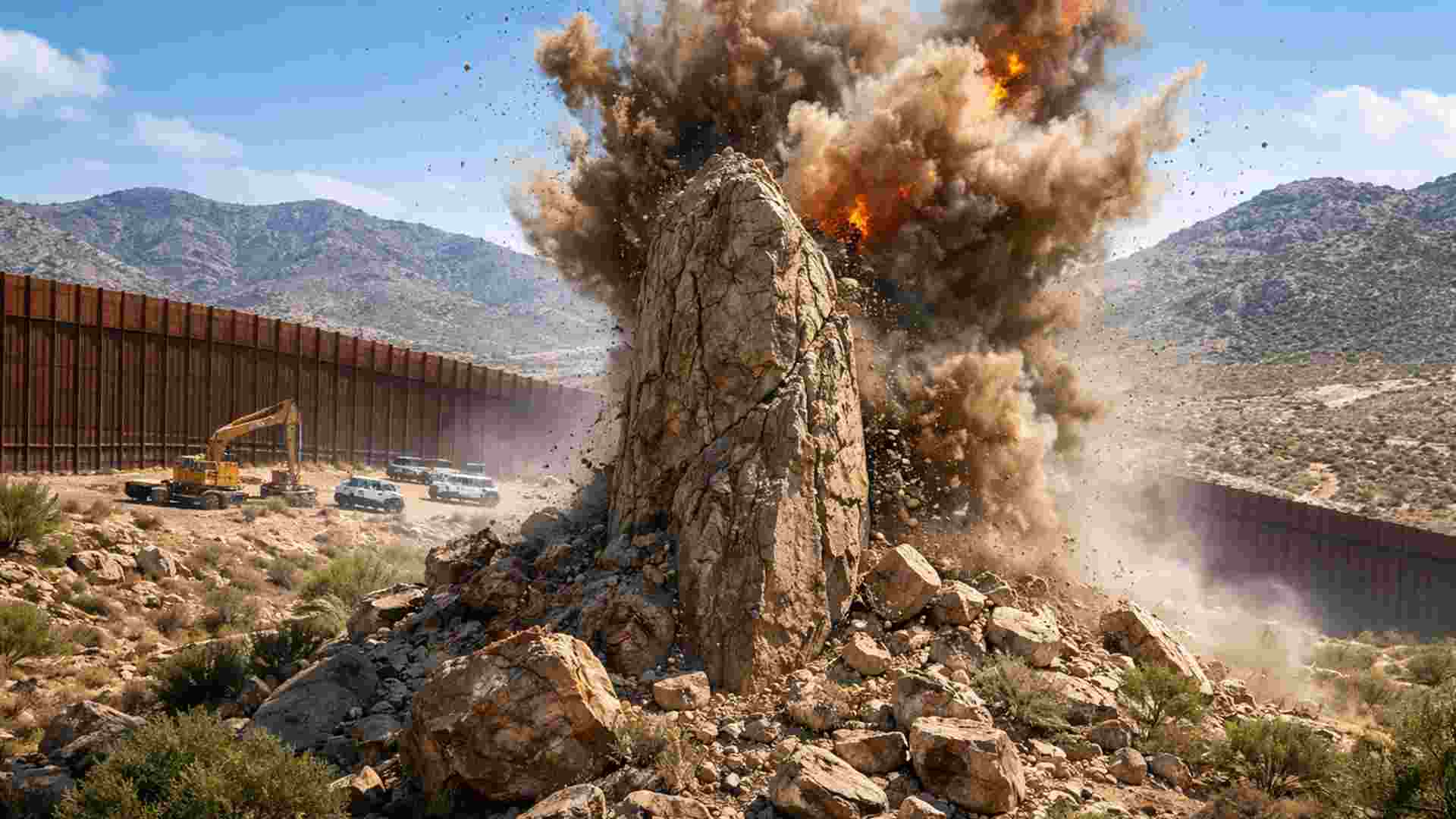
The United States damages a millennia-old archaeological site with explosives to build the wall at the border.
-
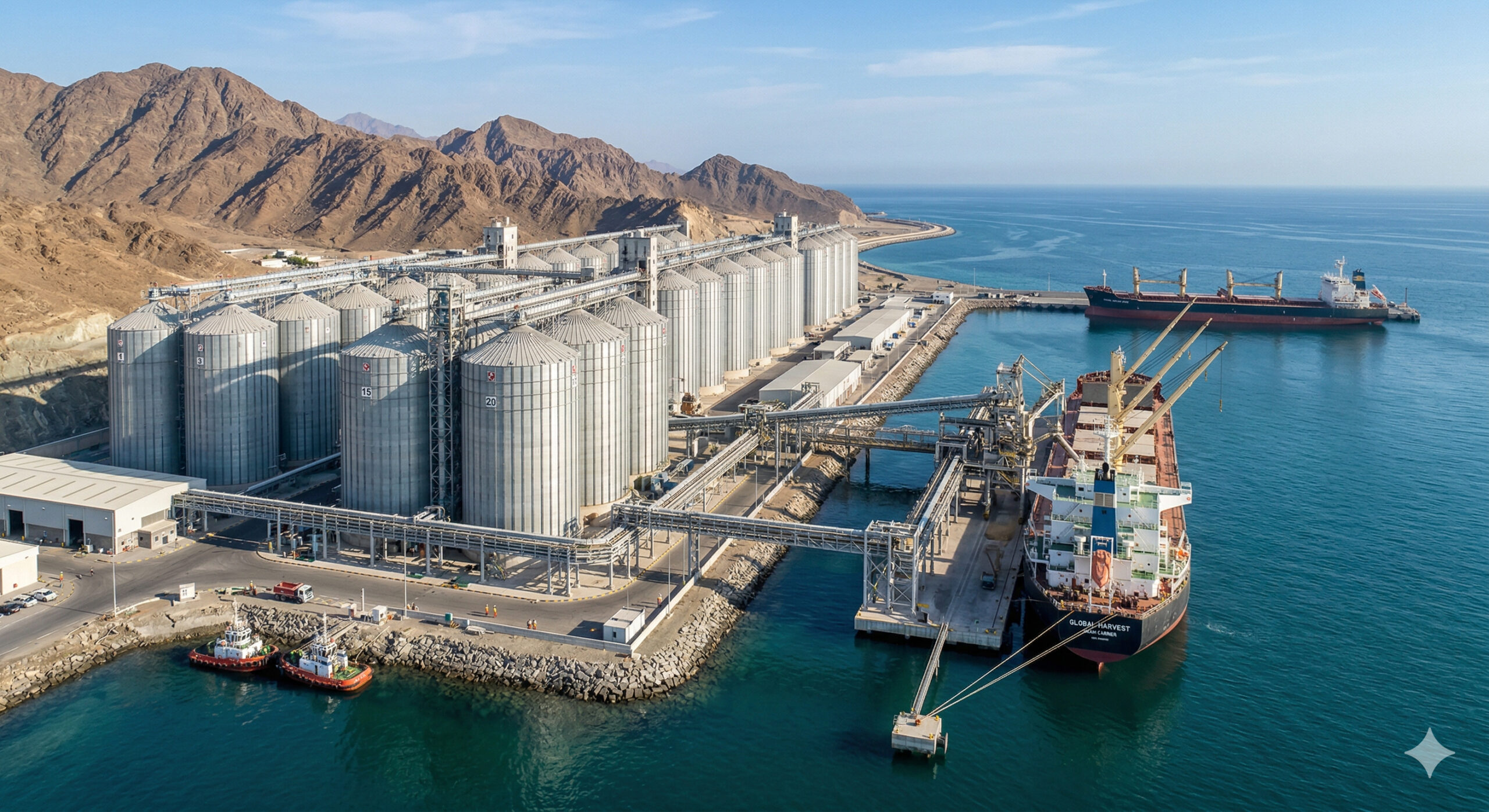
Giant silos with a capacity of 300,000 tons have been erected outside the Strait of Hormuz to safeguard the supply of the Gulf; this megainfrastructure transforms Fujairah into one of the most strategic food vaults on the planet in times of crisis.
Between 2022 and 2024, teams of divers specialized in underwater archaeology conducted direct inspections of the site, confirming the presence of walls and granite structures about nine meters deep. According to Fouquet, what surprised researchers the most was the state of preservation: “we did not expect to find such well-preserved structures”, he stated in an interview with AFP.
A Construction Raised When The Sea Was Lower
According to researchers, the structures were built between 5800 and 5300 BC, a period when the sea level was significantly lower than it is today. This means that when the wall was built, the area was not submerged but part of the territory occupied by human communities during the Neolithic period.
The research suggests that the gradual rise of waters over the Holocene eventually engulfed these constructions, preserving them under layers of marine sediments.
What Was The 120-Meter Wall For
Archaeologists are working with two main hypotheses regarding the function of the structure. The first suggests that the wall may have been used as a fishing trap, taking advantage of the tidal movements to capture fish in shallow areas. The second hypothesis points to a possible <strongRetaining Wall, built as an attempt to protect against the progressive rise in sea level.
In both cases, the work reveals a high degree of environmental knowledge and a remarkable capacity for adaptation to natural changes.
Technical Skill Comparable To Megalithic Monuments
One of the most impressive aspects of the discovery is the technical capability of the Neolithic communities responsible for the construction. Data indicate that these groups were able to extract, transport, and position granite blocks weighing several tons, requiring coordination, planning, and division of labor.
According to researchers, this skill is comparable to that used centuries later in the construction of megalithic monuments in Brittany, such as stone alignments and monumental structures that marked the prehistoric European landscape.
The study also points out that these techniques precede by several centuries the first officially known megalithic constructions in the region, suggesting that complex forms of social organization existed much earlier than previously thought.
What The Discovery Changes In European Archaeology
For Professor Yvan Pailler from the University of Western Brittany and co-author of the study, the find represents a turning point. “This is a very interesting discovery that opens new perspectives, helping us to better understand how coastal societies organized themselves”, he stated to AFP.
The discovery reinforces a growing line of research suggesting that vast areas now submerged may hide fundamental archaeological sites, capable of revealing how prehistoric populations dealt with climate change, rising seas, and territorial reorganization.
A Chapter of Human History Hidden Beneath The Ocean
The submerged wall off the French coast is not just an archaeological curiosity. It represents concrete evidence that the seabed holds entire chapters of human history, erased from the terrestrial landscape by the advance of waters, but preserved by time.
As mapping and diving technologies advance, researchers believe that similar new discoveries may emerge, revealing how ancient societies faced environmental challenges that, thousands of years later, continue to concern modern humanity.







-

-

-

-

15 pessoas reagiram a isso.