





 Portuguese
  English
  Spanish
 5 min of reading
  4 comments


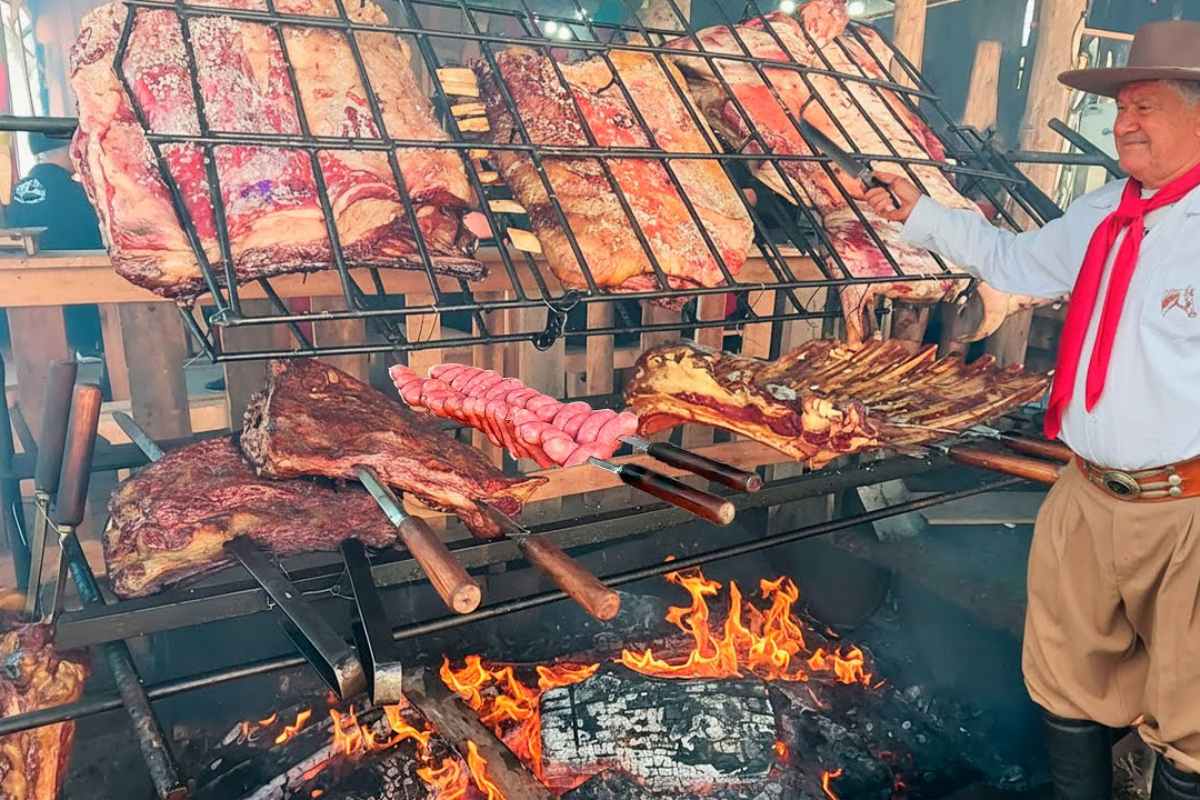


With More Than 200 Piquetes, Costelao Roasting Day And Night, Linguica Campeira Made On The Spot And Bombachas On All Sides, The Largest BBQ Party In Brazil Transforms The Parque Harmonia Into A Scenographic City Of Gaucho Tradition In Porto Alegre Attracting Families, Tourists, BBQ Enthusiasts, Children Also In Love With Meat
The Acampamento Farroupilha in Porto Alegre makes the largest BBQ party in Brazil feel like a parallel city set up in the heart of the gaucho capital. In an area of about 100 thousand square meters in Parque Harmonia, more than 200 piquetes host stoves, costelao, linguica campeira, steaming pots, and circles of conversation that stretch through the day and night. In 2025, there were 20 days of programming, from September 1st to 21st, with a flow of over 1.5 million people moving through the sheds.
Behind each fire on the ground is a story of family, a group of friends, or a traditionalist entity that treats the camp as an annual commitment. Many return to the same piquete for decades, repeating rituals, recipes, and schedules. At night, music, dance, and balls fill the spaces, while at noon, the smell of meat on the grill dominates Porto Alegre and reinforces the image of the event as a gigantic collective shed under the open sky.
A Giant Shed Of Tradition In Porto Alegre

During the largest BBQ party in Brazil, Parque Harmonia ceases to be just a leisure area and turns into a small themed city.
-
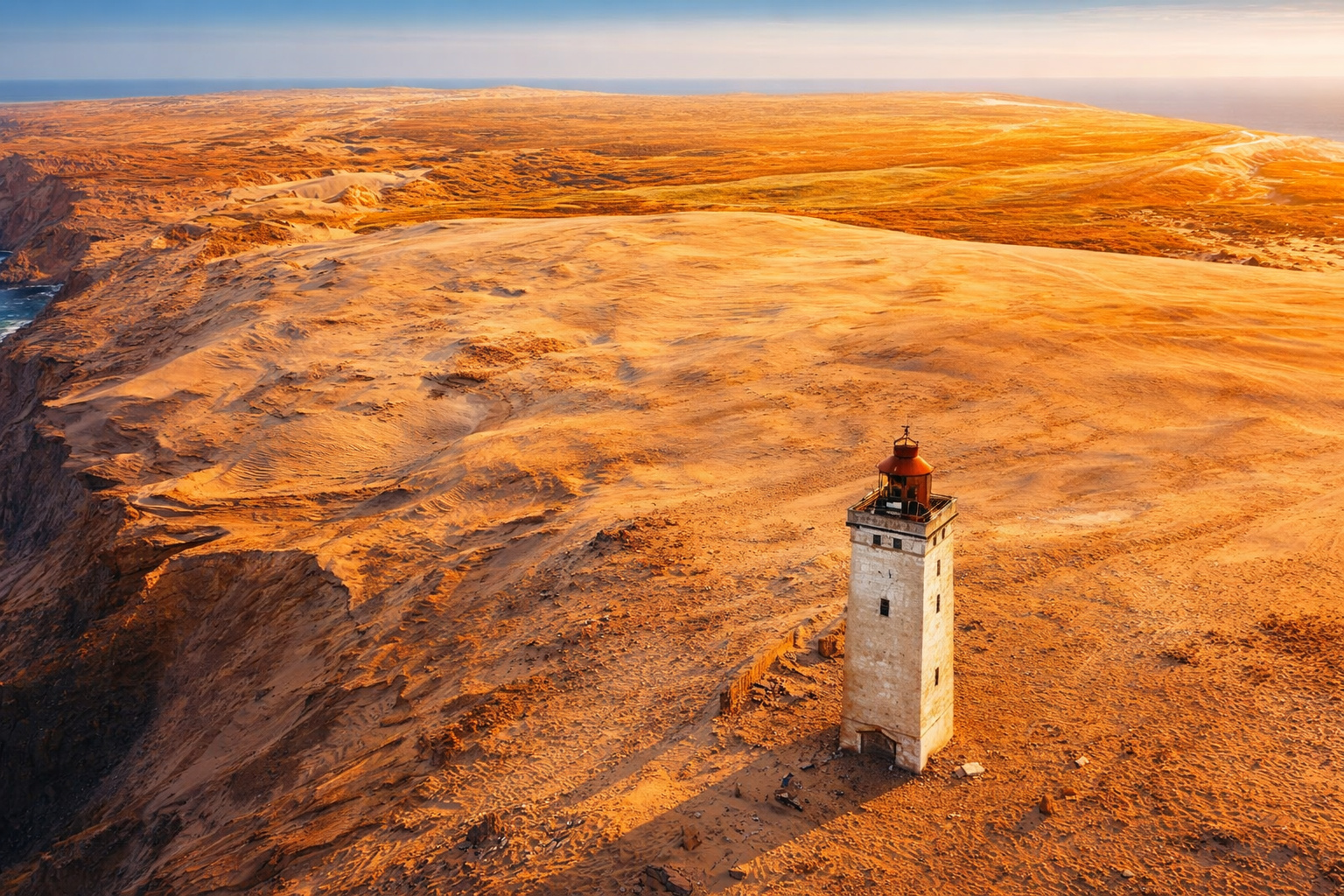
Attracting around 250,000 people a year, a lighthouse 200 meters from the sea, on a 60-meter high cliff, on the North Sea coast in Denmark, becomes one of the most impressive examples of how nature can threaten historical buildings.
-
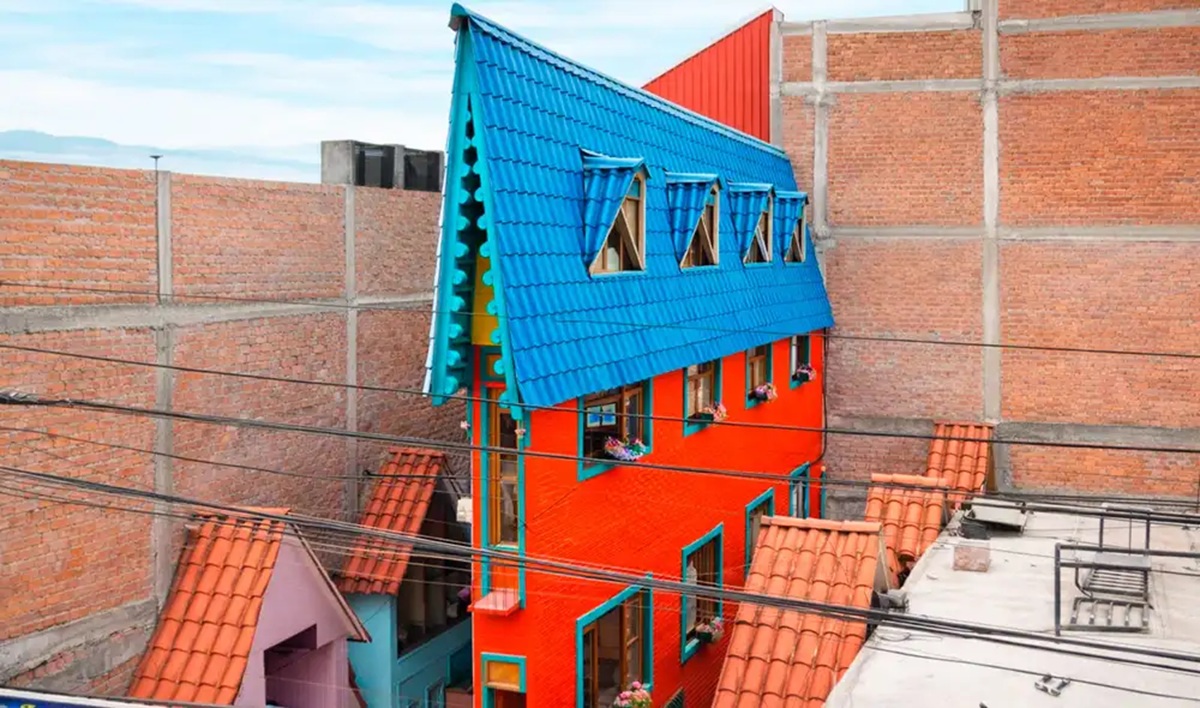
The narrowest house in the world is only 63 centimeters wide, but inside it can accommodate a bathroom, kitchen, bedroom, office, and even two staircases.
-
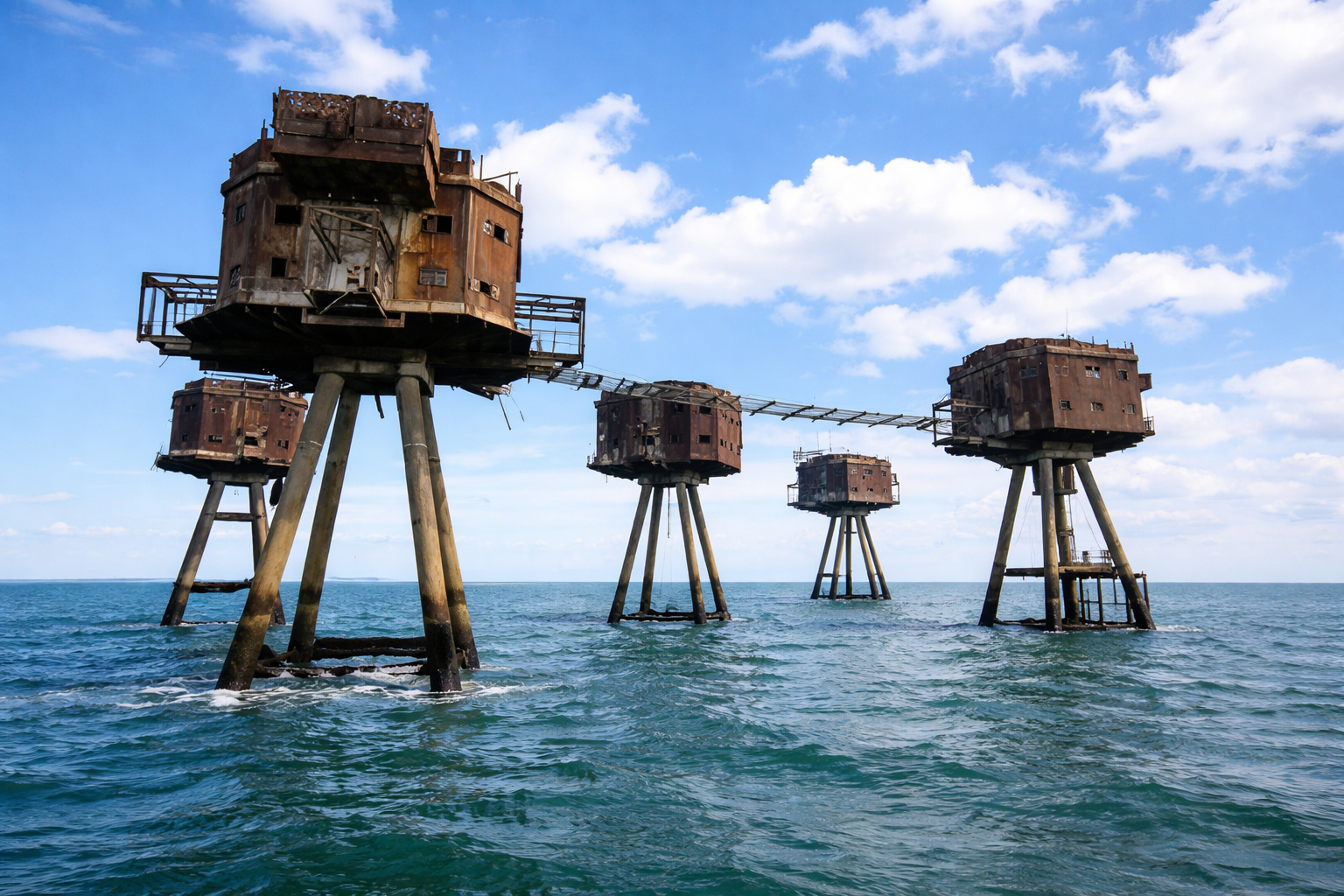
In the middle of the sea, these enormous concrete and steel structures, built by the British Navy to protect strategic maritime routes, look like they came straight out of a Star Wars movie.
-
For years, no one could cross a neighborhood in Tokyo because of the tracks, but an impressive solution changed mobility and completely transformed the local routine.

There are dirt streets, fences, clotheslines, flags, horses, chimarrão passing from hand to hand, and grills lit in practically every corner.
The more than 200 piquetes function as temporary rustic homes.
There, entire families organize to cook, host guests, offer lunch to visitors, and maintain a routine of rehearsals, performances, and gatherings.
For those walking through the park, the feeling is like entering a giant single shed, where the boundaries between one kitchen and another blur with the constant sounds of guitar, accordion, and conversation.
Costelao, Linguica Campeira And The Menu That Doesn’t Stop

The heart of the largest BBQ party in Brazil is fire.
In many piquetes, the costelao starts roasting early in the morning, on iron racks or improvised structures, to reach the right point around noon.
There are entire teams dedicated solely to turning the meat, tending to the fire, and ensuring that no cut is overcooked.
In other spaces, the star is the linguica campeira made on the spot, with pork shoulder, bacon, garlic, salt, pepper, and green seasoning, stuffed right there into meters of pork casing prepared in advance.
Stirred beans, carreteiro, vazio, salsichão, and pork meat complete the typical menu, served on generous plates at prices considered affordable by attendees.
For those who prefer a more structured environment, there are also restaurants and establishments serving typical food scattered throughout the park, but it is in the piquetes that visitors feel up close the routine of camping barbecue.
Piquetes That Span Decades
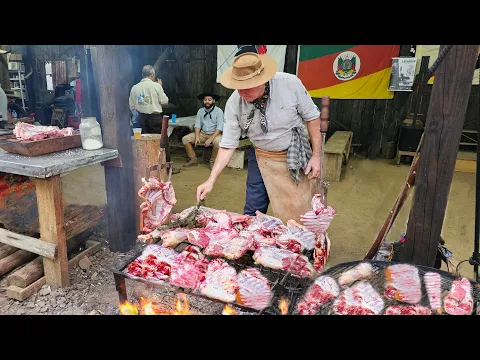

Among the piquetes, some names are already an inseparable part of the event’s identity.
Groups like Lida Campeira report that they have been gathering for 33 years to roast costelao and host friends at noon, repeating recipes and methods learned from parents and grandparents.
Others, like the piquete Flores da Cunha, lot 150, have accumulated 39 years of presence and reach the mark of four decades of camping, becoming one of the oldest at Harmonia.
These groups carry the memory of the time of the canvas camp, tents, and taquara, long before the current structures.
Each wooden shed is a kind of time capsule, preserving ways of speaking, serving barbecue styles, traditional music, and stories of those who came from the countryside to keep the custom alive in Porto Alegre.
Economy, Work, And Intense Movement In The City
Although it is a cultural event, the largest BBQ party in Brazil also drives the local economy.
The daily volume of attendees over the 20 days generates constant demand for suppliers of meat, firewood, charcoal, ice, drinks, and kitchen supplies.
Seamstresses, artisans, and small businesses selling traditional clothing and accessories take advantage of the period to boost sales.
Taxi drivers, ride-share drivers, hotels, and inns in the region feel the direct impact of the increase in visitors, both from other cities in Rio Grande do Sul and neighboring states.
At the same time, the camp creates temporary jobs in cleaning services, security, setup of structures, and service.
With each edition, Porto Alegre reorganizes itself around a mechanism that mixes barbecue, tourism, and tradition.
Gaucho Identity In Meat, Coals, And Dance
More than just a gastronomic festival, the largest BBQ party in Brazil functions as a concentrated showcase of gaucho identity.
In the same space where the public tastes costelao and linguica campeira, there are dance performances, shows, and celebrations of Semana Farroupilha, with protocols, tributes, and rituals that reinforce the historical memory of the region.
Visitors can simply choose a shed to eat, but they can also interact with those who have been camping there for decades, hear family stories, learn recipes, and observe the care with the fire, the choice of firewood, and the doneness of the meat.
For many residents of Porto Alegre, participating in the camp is less of an outing and more of an annual commitment, almost a symbolic return to the countryside in the capital.
At the end of twenty days of barbecue, balls, and gatherings, the park returns to being just a park, but the smell of smoke seems to linger in the memory of those who passed through it.
And the countdown for the next edition practically begins the next day.
In the midst of so much fire, music, and tradition, what would be the first thing you would do upon arriving at the largest BBQ party in Brazil?





Realmente, as festas do meu Estado são lindas, alegres e tradicionalistas. É um dos maiores eventos, onde a verdade dos gaúchos e gaúchas se destacam em um só lugar. Oigale tchê!
Sou grata por ser daqui, amo meu Estado, não o troco por nenhum outro Estado do Brasil.
Sou gaúcha dos quatros costados, tchê!
Fantástica reportagem. O melhor das tradições gaúchas em um só lugar