





 Portuguese
  English
  Spanish
  5 min of reading
  0 comments



Goodbye Toyota Corolla Cross? New Renault Boreal Surprises in Consumption, Performance, and Technology. Who Will Dominate the SUV Market in Brazil?
Goodbye Toyota Corolla Cross? The Brazilian SUV market seems to be in a permanent war, and 2025 has only made this more evident. In the midst of this battle, a new name has decided to enter the ring in style: the Renault Boreal.
It arrives precisely to challenge the one that has reigned calmly for years, the Toyota Corolla Cross, one of the best-selling models in the country and a reference when it comes to tradition and reliability. The fight is on, and the numbers show that the French newcomer is not messing around.
Behind the scenes of the industry, experts are already commenting that the arrival of the Boreal is expected to “stir the pot” in the segment. As automotive consultant Fernando Miragaya stated to UOL Carros, “every SUV that tries to face the Corolla Cross needs to come with more space, more technology, and a competitive price. It seems that Renault has understood this.”
-
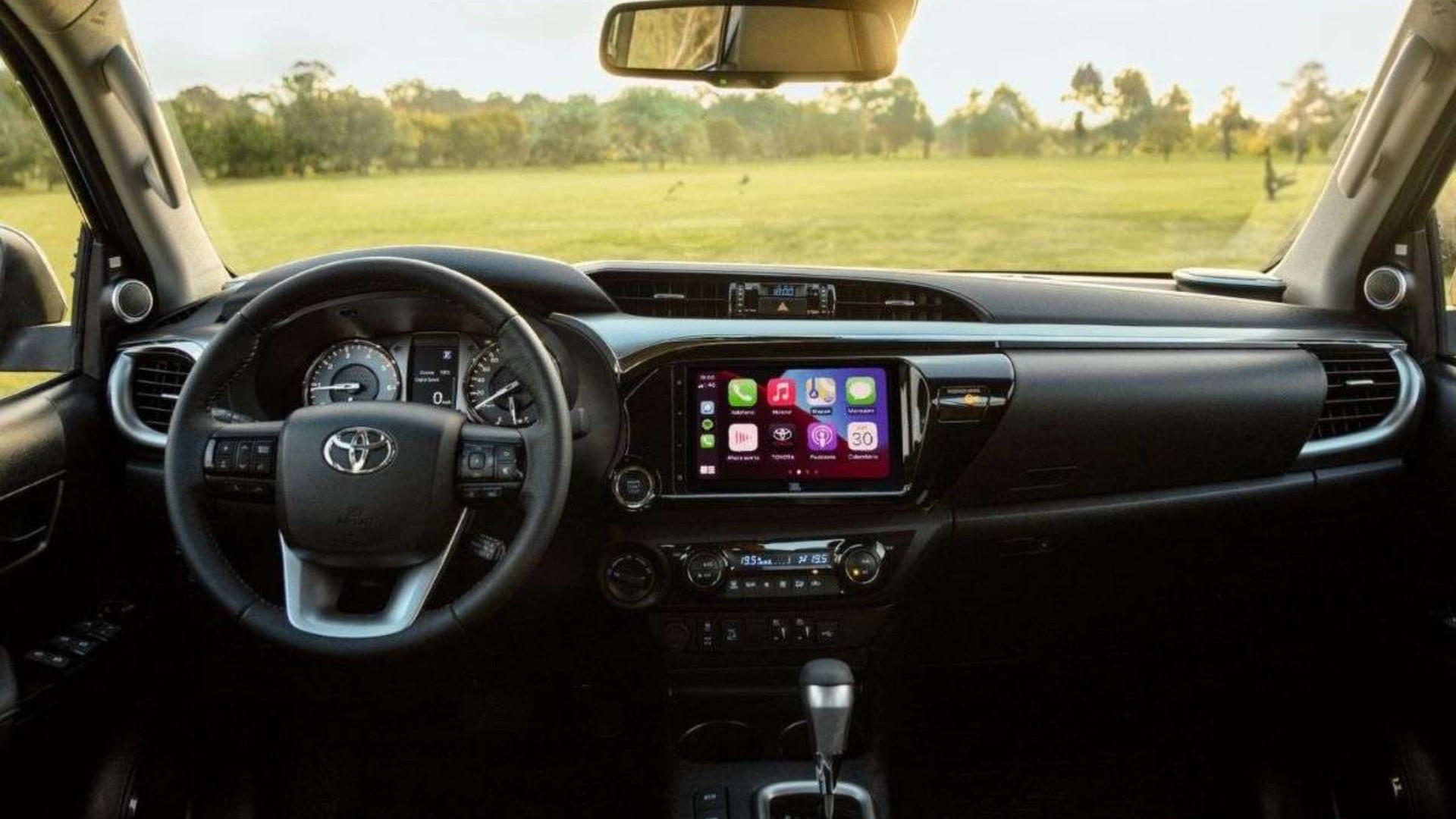
The Toyota Hilux is R$ 75.5 thousand cheaper and bets on the 2.8 turbodiesel engine with up to 204 hp and 50.9 kgfm to catch up with the VW Saveiro, which leads with 4,472 sales.
-
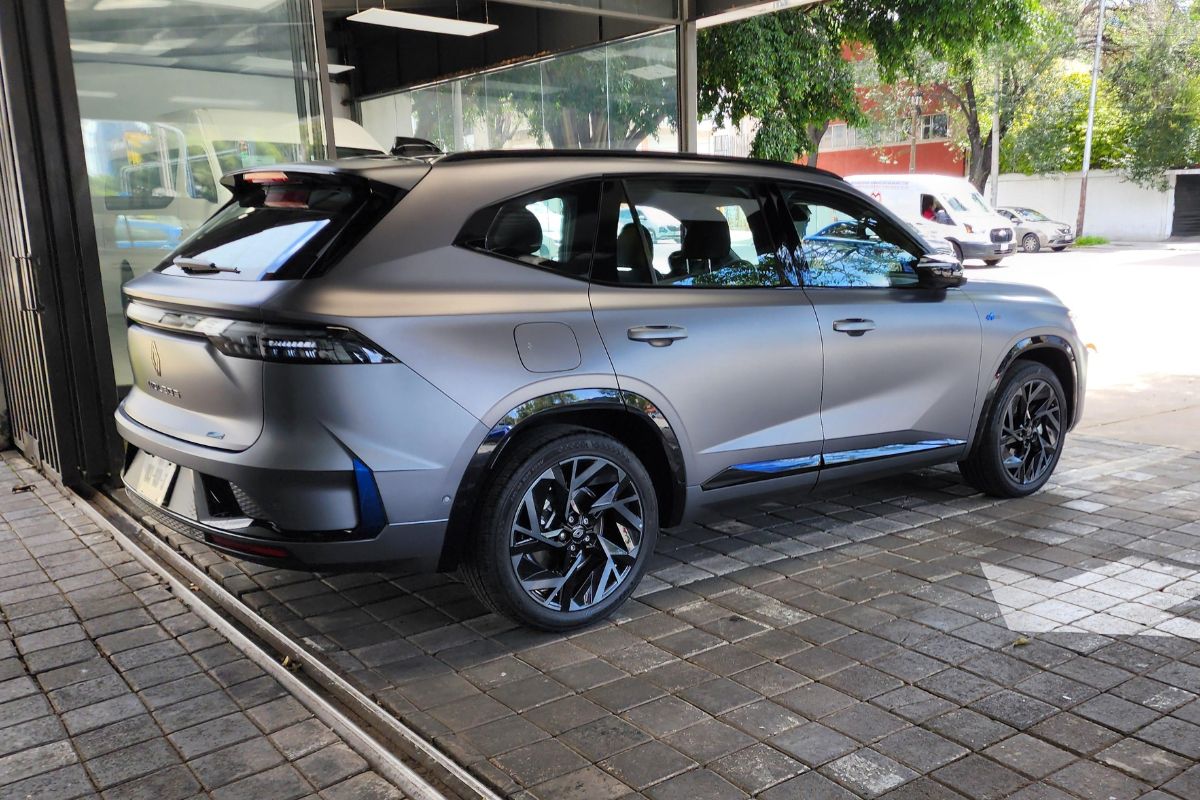
The new Renault Koleos has a screen exclusively for the passenger that is invisible to the driver, heated rear seats, and 29 assistance systems, but its Chinese competitors cost R$ 40,000 less and deliver more power.
-
The car stored for 38 years: when opening the barn door, what appears is breathtaking and looks like a scene from a movie!

-
Fiat works miracles in the Brazilian market, lowers the price of its 0 km hatch to R$ 69,990, reestablishes the model as the cheapest car in the country, and reignites the battle against Kwid and C3.



An SUV That Thinks Big: Internal Space, Trunk, and Overall Dimension
Renault did not come timidly for this showdown. The Renault Boreal, in its Iconic TCe version, is clearly larger than the Corolla Cross XRX. It measures 4,556 mm in length, compared to the rival’s 4,460 mm. The wheelbase follows the growth and delivers 2,702 mm, surpassing the 2,640 mm of the Toyota. This translates into real comfort in the cabin, especially for those traveling in the back.
When it comes to the trunk, the Boreal stands out completely among medium SUVs:
522 liters, according to the brand — a number that places it among the largest in the segment. For comparison, the Corolla Cross offers 440 liters.
This extra space makes a difference in daily life, especially for families traveling with luggage, strollers, or equipment. The public has already noticed this: according to Fenabrave, models with trunks over 500 L have been increasing their share in the SUV sector since 2023.
Additionally, the Boreal features a ground clearance of 213 mm, much higher than the 161 mm of the Corolla Cross. This helps on bumpy streets, dirt roads, and in daily use in Brazilian cities where the asphalt is often far from ideal.
Engine and Performance: Toyota Bets on Power, Renault Bets on Torque
Here the paths diverge. Each manufacturer follows its philosophy:
• Renault Boreal Iconic TCe → engine 1.3 turbo flex
• Toyota Corolla Cross XRX → engine 2.0 aspirated flex
Even though the Corolla Cross delivers 177 hp, versus 163 hp of the Boreal, the French model retaliates with 270 Nm of torque, well above the 209 Nm of the Toyota. This torque arrives earlier and greatly improves the sensation of power at low revs.
This, combined with the dual-clutch EDC transmission, gives the Boreal an advantage in acceleration:
0 to 100 km/h in 9.5 s, compared to 9.8 s for the Corolla Cross with a CVT with 10 simulated gears.
The Japanese CVT prioritizes smoothness and efficiency, while the Renault’s EDC offers quicker shifts — a feature appealing to those who like to drive with a bit more response.
Consumption and Price: Balanced Numbers, Different Strategies
Speaking of consumption, we have a technical tie:
Renault Boreal Iconic TCe
• City: 11.2 km/l
• Highway: 13.6 km/l
Toyota Corolla Cross XRX
• City: 11.7 km/l
• Highway: 13.0 km/l
The numbers are similar, and both deliver good performance for medium flex SUVs. In terms of price, the Boreal tries to position itself as “technology for a little more.” Its top version costs:
R$ 214,990, while the Corolla Cross XRX costs R$ 207,990. The difference is R$ 7,000, which puts the customer in front of a sincere decision: pay more for more technology or stick with Toyota’s solidity.
Toyota Corolla Cross Defends Its Crown With the Solidity That Marks Its Trajectory While Renault Bets on the Future
Here the duel becomes even more interesting.
Even before getting into the safety features, it is worth highlighting a feature that has drawn attention in initial tests: the Renault Boreal offers a front seat with a massage function in the more complete versions. It is an item practically nonexistent among medium SUVs in Brazil and positions the model as an SUV with a premium touch, elevating comfort on long trips and reinforcing Renault’s proposal to deliver a more sophisticated experience for the driver.
The Renault Boreal comes with a modern Level 2 Driving Assistance package (with Adaptive Cruise Control and Lane Keeping Assistance), in addition to features like safe exit alert and emergency stop assist.
In other words, a set that approaches technologies seen in higher-end SUVs.
However, the Corolla Cross defends its crown with the solidity that marks its trajectory:
• 7 airbags as standard, including a knee airbag
• Safety Toyota Safety Sense (TSS) package
• Mechanical reliability recognized worldwide
• In the XRX version, electric sunroof and more comfort items
Toyota emphasizes this point in various communications — including assessments on the brand’s own website and safety tests published by Latin NCAP
Boreal x Corolla Cross: Two SUVs With Strong Personalities
The Toyota Corolla Cross continues to be the rational choice for those who value durability, low maintenance costs, strong resale value, and a reputation built over decades.
The Renault Boreal, on the other hand, delivers:
• more space
• more torque
• more assistance technology
• larger trunk
• slightly better performance in daily driving
It’s the typical case where the consumer needs to decide between tradition and innovation.
As expert César Tizo from Auto Esporte said in a recent report:
“Those looking for brand security stick with Toyota. Those wanting a modern and connected experience tend to look at the Boreal.”
Which one would you take home? If you had to choose between the turbocharged performance of the Renault Boreal or the classic reliability of the Toyota Corolla Cross, which would be your bet? Leave your opinion in the comments and share this comparison with anyone else who is also eyeing a new SUV!










-

-

-

3 pessoas reagiram a isso.