





 Portuguese
  English
  Spanish
 8 min of reading
  19 comments


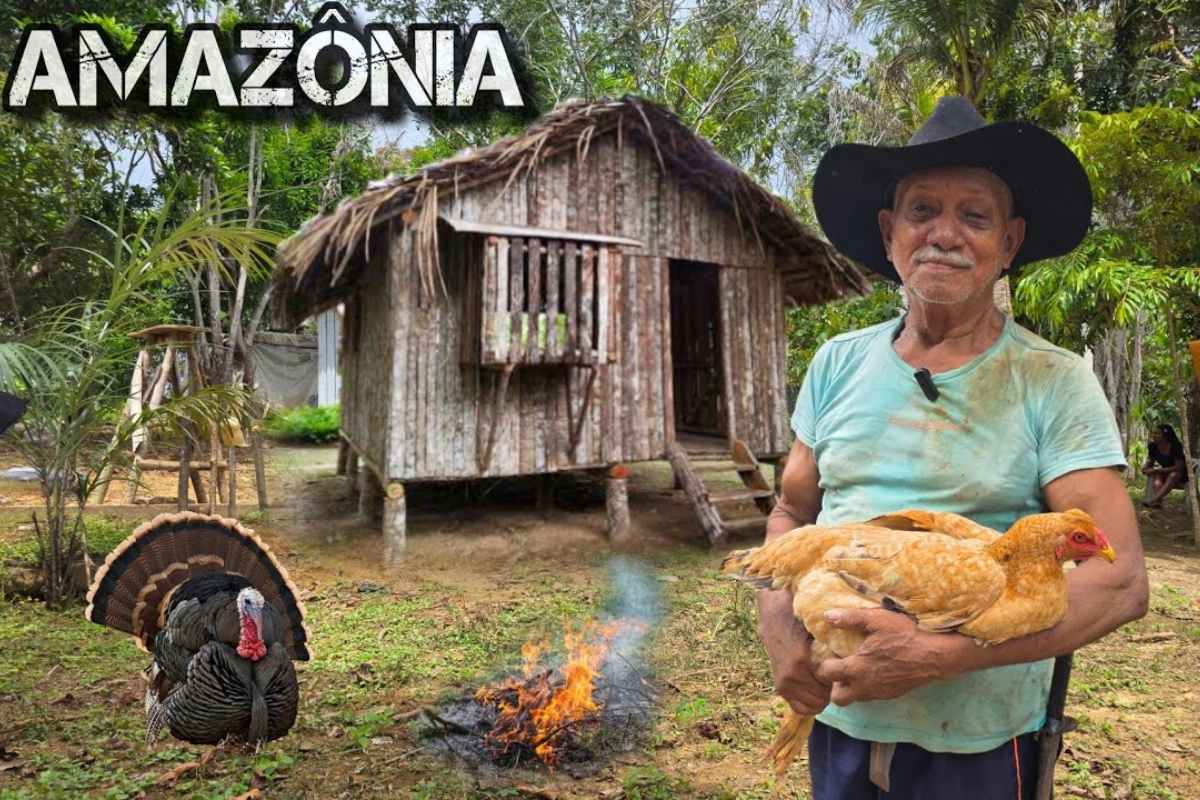


Without Electricity, Without Neighbors and With Difficult Access to the City, He Lives Isolated in the Amazon Jungle, Grows Rice, Beans, Manioc and Corn, Raises Chickens, Digs His Own Well, Receives Visitors and Keeps Harvesting, Fishing and Cooking Everything He Consumes on a Remote Island in the Amazon in the Interior of the State
At 83 years old, Mr. Antônio lives isolated in the Amazon jungle, on a remote island in the municipality of Presidente Figueiredo, surrounded by rivers, dense forest and a silence that is only broken by the singing of birds, the sounds of the forest and the engine of the boat when he needs to go to the village. Far from any urban comfort, he continues to wake up early, work in the field and take care of every detail of his own survival.
Alongside his wife, Dona Zenaide, 78, he transformed the piece of land surrounded by water into a small fortress of autonomy: they grow what they eat, raise their own animals and depend on fishing to complete the meal. It is a simple, hard and solitary life, but sustained by faith, discipline and a deep attachment to the riverine routine in the heart of the Amazon.
An Isolated River Dweller in the Amazon Jungle Who Chose to Stay

Far from the noise of the city and the modern hustle and bustle, Mr. Antônio leads a life that seems to have stood still in time.
-
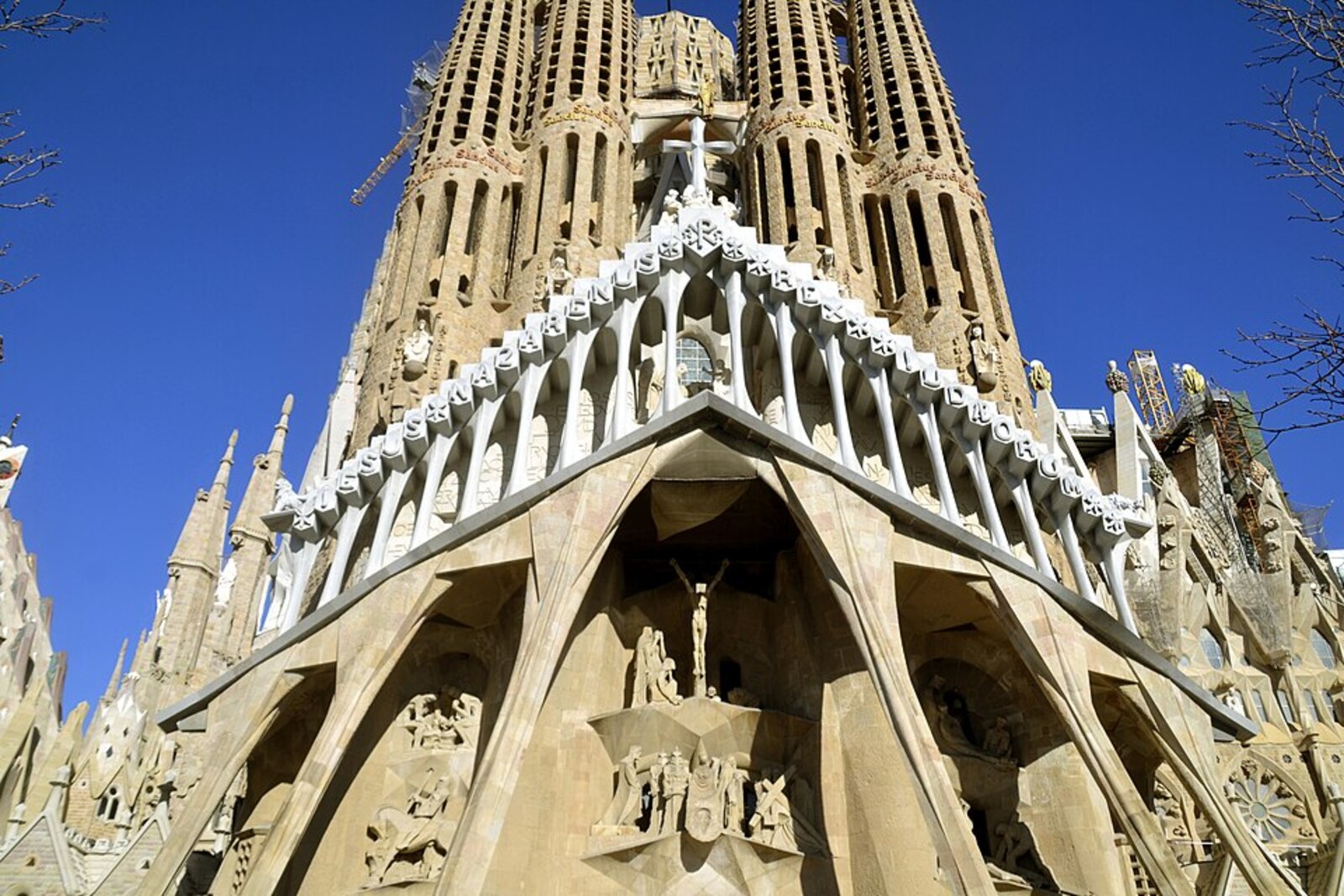
Masterpiece in Spain, under construction since 1882, receives 4.8 million visits in a year and impresses with its gigantism and architecture.
-
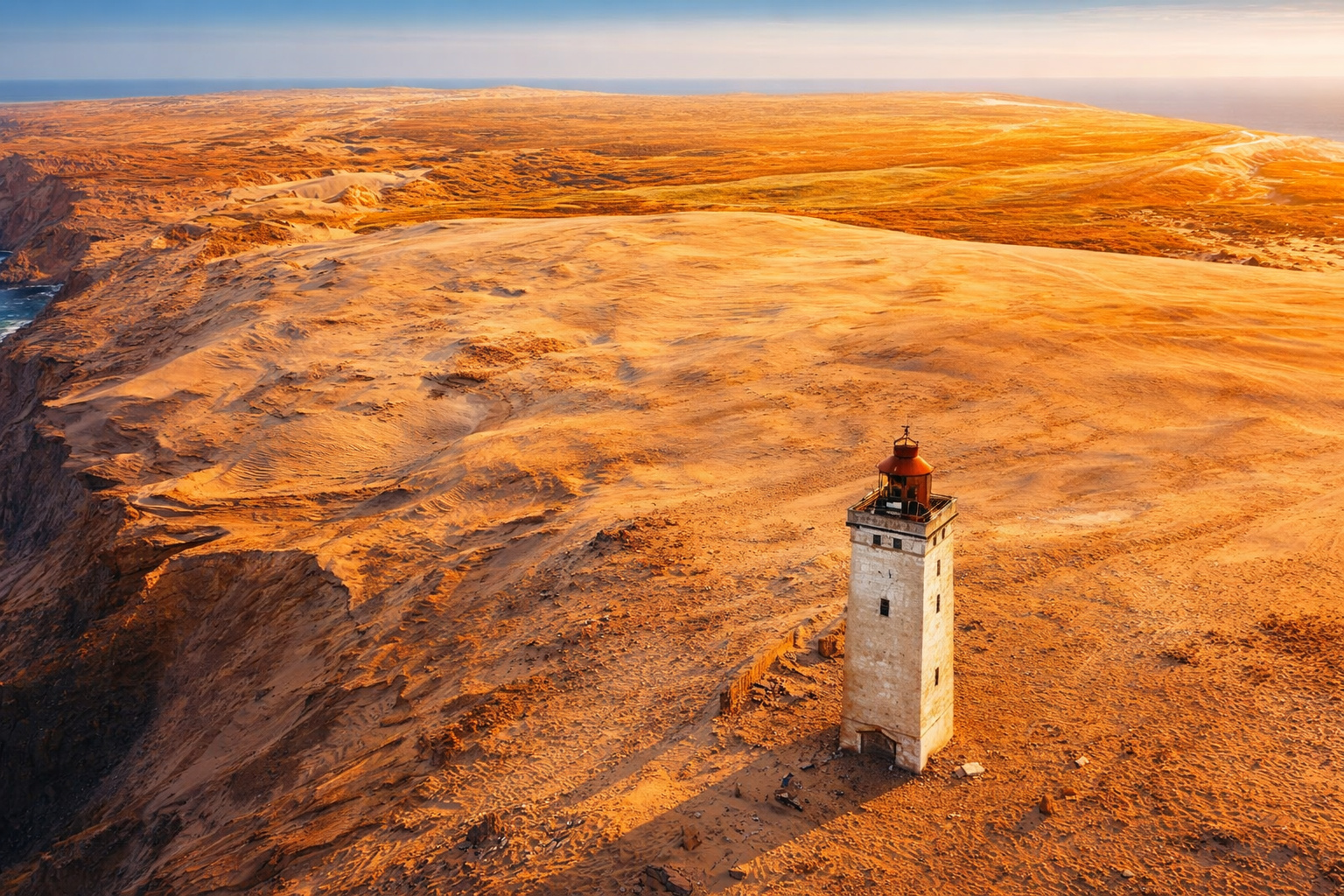
Attracting around 250,000 people a year, a lighthouse 200 meters from the sea, on a 60-meter high cliff, on the North Sea coast in Denmark, becomes one of the most impressive examples of how nature can threaten historical buildings.
-
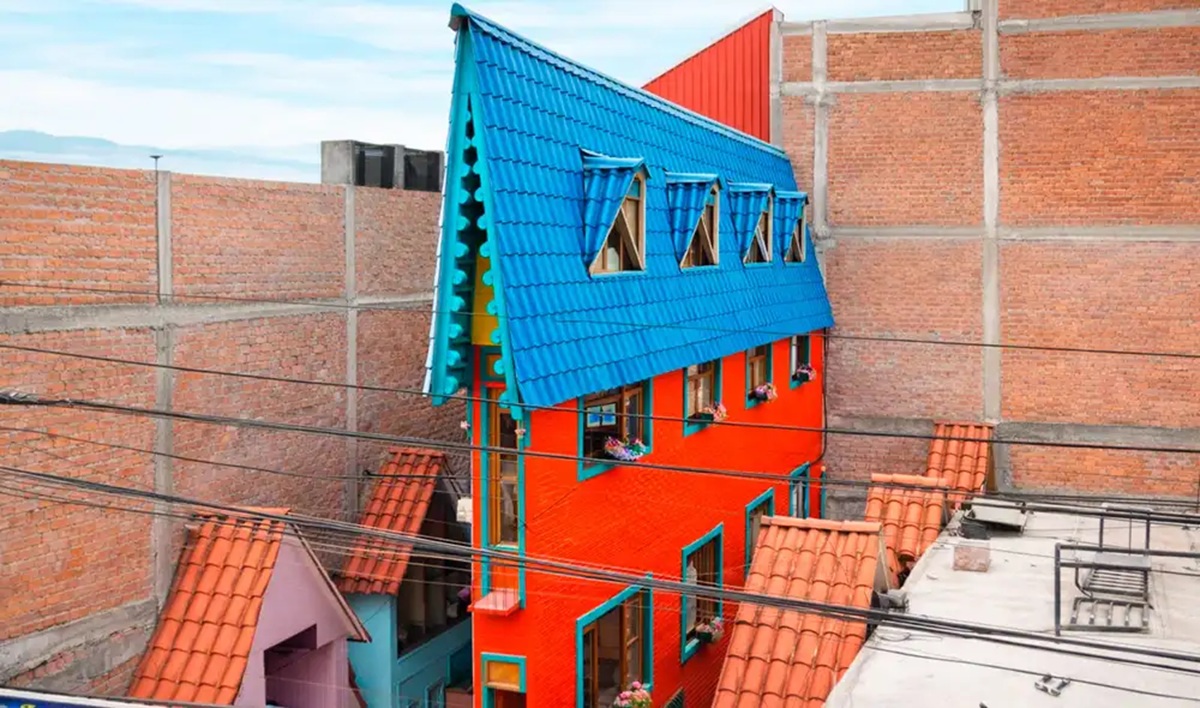
The narrowest house in the world is only 63 centimeters wide, but inside it can accommodate a bathroom, kitchen, bedroom, office, and even two staircases.
-
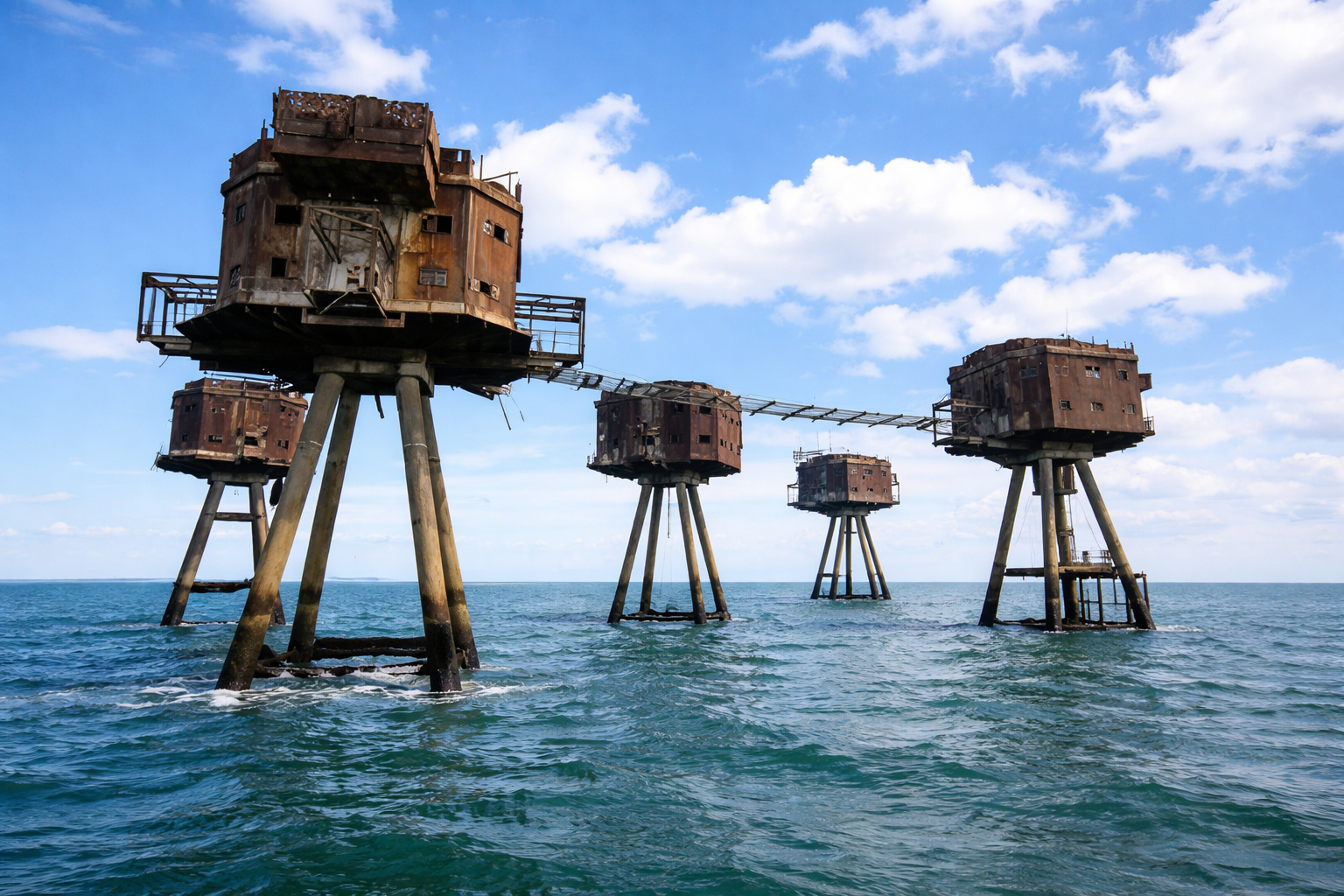
In the middle of the sea, these enormous concrete and steel structures, built by the British Navy to protect strategic maritime routes, look like they came straight out of a Star Wars movie.

He lives isolated in the Amazon jungle, in a simple wooden house, built on an island surrounded by rivers full of fish like Traira, Tucunaré, and Tambaqui.
Even at his advanced age, he works every day in the fields to ensure food on the table. There are no markets on the corner or delivery apps.
If he doesn’t plant, he doesn’t harvest. If he doesn’t fish, he doesn’t eat fish. The logic is direct, almost stark, and governs every step of the day.
The routine is tough: weeding, planting, harvesting, chopping wood, organizing the yard, caring for the animals, repairing what breaks.
And when he needs basic supplies, he battles the river to reach the nearest small village, facing the bad weather, heavy rain, and the unforeseen issues with the boat engine.
Small House, Big Plans and Animals as Company

Mr. Antônio’s house is small, improvised, with a few rooms: living room, bedroom, kitchen, and a cramped pantry where the most important things are kept.
No luxury, no excess. Even so, he is already thinking of expanding, adding another room, making everything a little more comfortable for the days of heavy rain or when the family comes to visit.
Next to the house, the chicken coop is almost a living savings account. Free-range chickens are raised with care, housed in small wooden houses where they lay eggs and, occasionally, become the special lunch.
Having chickens in the countryside is not a hobby, it is a survival strategy.
On the registered day, the choice of the “hen” for lunch was almost a ritual: surrounding the area, cornering the right chicken, carrying it for preparation, and transforming that animal into food for the family and visitors.
All with respect, calm, and the practice of someone who has grown up seeing this since childhood.
The few small birds in cages and the animals wandering the yard complete the scene of a place where animals are as much a part of the daily life as the forest itself.
Complete Crops: Rice, Beans, Manioc, Corn and the Fight Against Birds
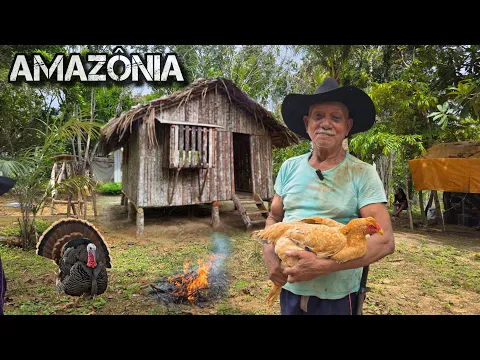

The basis of the food security of this family living isolated in the Amazon jungle lies in their crops.
There, Mr. Antônio plants rice, beans, manioc, corn, okra, and other crops that ensure variety on the plate.
Each plot has a function, every little piece of land has a story.
The rice stands out. Viewed up close, it looks like just a grass, but he explains each stage: first comes the ear, then threshing, then drying, and finally processing.
Sometimes, the rice is roasted and ground in a mortar, becoming an aromatic, strong food that pairs well with beans and okra. It is the rice from the fields, not the kind from the market package.
Nothing is simple: blackbirds, ducks, and all kinds of creatures attack the rice field.
Mr. Antônio improvises hanging bags, makes noise, observes the time the birds arrive, and tries to protect what he has planted.
Even so, the ground is covered with husks, proof that the struggle between man and nature is a daily occurrence. The beans are more recent, but already green, full of pods.
In manioc and cassava, he knows every detail, distinguishing by the color of the stem and the way they are used.
The corn also counts: it is used for boiled dishes, grilled, to make cakes, porridge, and also to feed the animals. Nothing is wasted, everything is used.
Scarce Water in the Heart of the Amazon and a Well Dug by Hand
It may seem strange to talk about water difficulties in a region surrounded by rivers, but for those who live isolated in the Amazon jungle, good drinking water is another story.
The water from the lake is not suitable for direct consumption, so the alternative was to dig a well manually.
Without machines, without tractors, without electricity, the well was dug by hand using a pick and a shovel.
The choice of the location was not by chance: Mr. Antônio observed the termite mound, followed the logic that termites do not build their homes in dry places, dug until he found the vein of water, and established the source for the house there.
Today, the well has a mouth, solid walls, and enough depth to ensure clean water. It is from there that the water for drinking, cooking, and bathing comes.
In the heart of the Amazon, access to drinking water relies on ancient wisdom and hard work.
A 62-Year Marriage, Faith and Roots Spread Across Brazil
The story of this river dweller isolated in the Amazon jungle does not begin on the island. Dona Zenaide was born in the interior of the former state of Goiás, in a small locality linked to Tocantinópolis.
Mr. Antônio came from Pedreiras in Maranhão, a region known for its small towns and strong inland culture.
She was 16 when they got together. Since then, it has been 62 years of marriage, eight children, three painful losses, and five living heirs spread across the country.
They bear the marks of time on their faces but also a quiet pride of having spent decades together.
Faith is also a central part of their routine. They give thanks before meals, ask for protection for work and the children who live far away.
For this couple, religion serves as an emotional anchor amidst the loneliness of the island.
Even living far from churches and urban centers, simple rituals maintain the feeling of belonging and purpose.
Country Kitchen, Cuxá in the Pot and Lunch with a Taste of Maranhão
In the kitchen, it is Dona Zenaide who takes charge, with help from her daughter.
The menu that day included everything that reminds one of the countryside: green beans with cuxá, okra, maxixe, rice from their own fields, free-range chicken, and pasta to reinforce the meal.
The cuxá, known in Maranhão, brings a pronounced sour flavor that pairs perfectly with the beans. There are green leaves, purple leaves, different types that she knows by touch and taste.
It is real food, made on the stove, stirred by hand, seasoned with garlic, salt, and experience.
The roasted rice ground in the mortar completes the meal.
The process is laborious: to roast at the right point, pound until the husks come off, blow to separate impurities.
But the result is an aromatic, hearty dish that brings the visitor back to memories of childhoods in the country and open kitchens, full of smoke and conversation.
Zero Energy, Lamp Lit and the Turnaround with the Arrival of Solar Power
Until recently, the nights of this river dweller isolated in the Amazon jungle were lit only by lamps.
Without the electricity grid and no forecast for official light, the way was to live with the weak illumination, the smell of kerosene and the natural limitations of any activity after sunset.
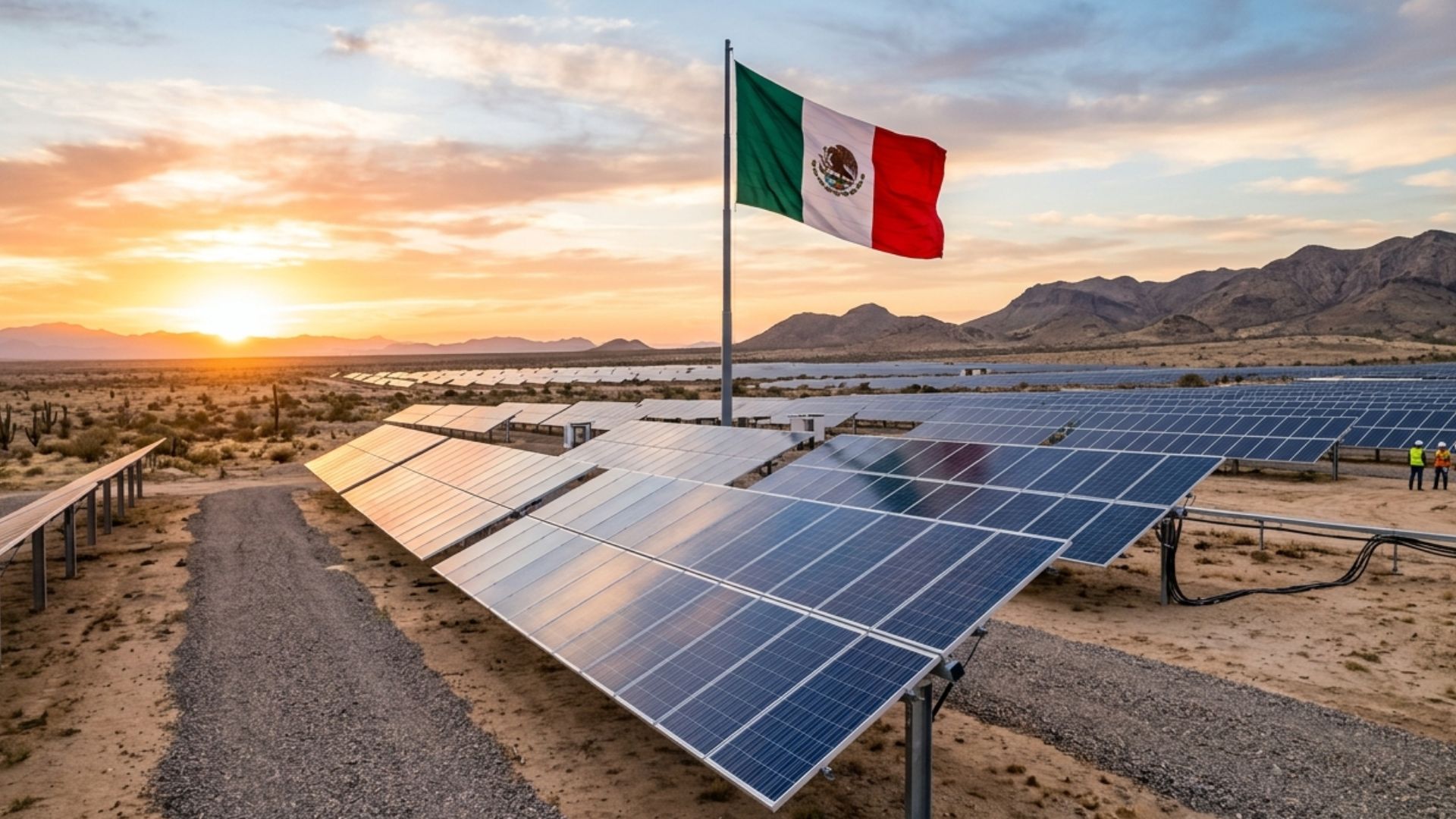
The change began when a team of visitors brought a portable energy station with a solar panel.
The equipment stores energy captured by the sun and releases it in the form of conventional outlets, allowing for the connection of lamps, electric tools, and small appliances.
In practice, this meant two revolutions at once.
The first was in safety: the house stopped depending on the flame of the lamp and started having lights powered by clean energy, illuminating the living room, bedroom, and outdoor area.
The second occurred in work: with the energy station, they were able to use electric tools to cut wood and make the well cover, something that would have previously required a lot more manual effort.
Seeing the house lit, with white light replacing the flickering flame, was a symbolic moment.
Mr. Antônio joked as he extinguished the lamp, aware that, on that island, the arrival of solar energy represented not just comfort, but also dignity and autonomy.
Between Giant Fish, Farming and Silence, A Choice of Life
The daily life of this river dweller isolated in the Amazon jungle is made up of small rituals: weaving fishing nets with calloused hands, descending the river to the village to buy supplies, returning to harvest corn, roasting rice, feeding the chickens, preparing the next crop.
Between one task and another, he catches Traira, Tucunaré, and Tambaqui, reinforcing the table with giant fish typical of the Amazon basin.
There is no traffic, no lines, no horns, or digital schedules.
In compensation, any slip-up can be costly: a lost planting, a well without a lid, an out-of-season heavy rain, a broken engine in the middle of the river.
It is a life where every mistake has immediate consequences, and every success turns into food, comfort, or security.
Even so, Mr. Antônio and Dona Zenaide remain steadfast, laughing easily, welcoming visitors with a full table and treating the island as part of who they are.
The jungle, which for many is a threat, for them is home, work, and daily companionship.
Could you live isolated in the Amazon jungle like Mr. Antônio, planting, fishing, and producing almost everything you consume, or would you not give up city life for anything?






Eles estão de parabéns pela garra,a união 😁 e humildade,eu não queria ,viver assim, Deus me defenda,tenho pavor,alergia e não dou conta de viver assim , não,amo a cidade, modernidade, carro, ônibus,sem bichos perigosos,meu apartamento é uma benção de Deus 🙌🏻😃, Jesus abençoe eles sempre 😘!!!!!
Que história linda , parabéns pela matéria , confesso que me emocionei, me coloquei no lugar do personagens seu Antônio, adorei a matéria.
Eu conseguiria de boa!