





 Portuguese
  English
  Spanish
  2 min of reading


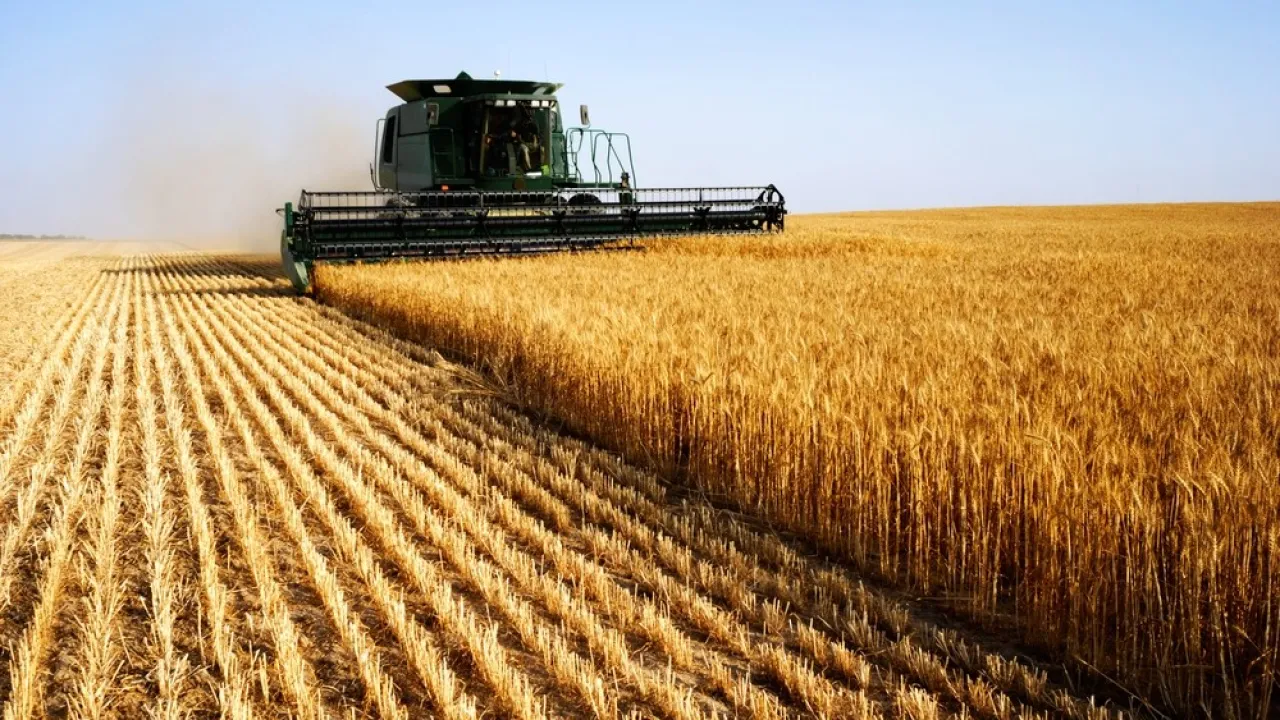
With a Market Producing Much More, Brazil Shows a Market with High Activity. This Is Because, in 2022, with the Movement of More Than 8 Million Tons Between Imports and Exports, or in Other Words, a Record Harvest, the Country Registers a Reduction in External Dependence on Wheat, Which Also Expanded Foreign Trade.
Regarding imports, in 2018, the country imported 6.8 million tons, and in 2022 the number reduced to 5.71 million, according to information from Secex, the Secretariat of Foreign Trade. In recent years, Brazilian production has grown by 76%. Currently, Brazil is the eighth-largest wheat importer in the world, but the expectation is that, in the coming years, this position in the ranking will change.
The export volume has been exponential compared to imports over the past five years, according to information from Conab, the National Supply Company. With a growth that represents triple the amount recorded in 2021, and nearly six times compared to 2020, it is evident that the country is producing more wheat, energizing the market. And if the dollar is high, it is clear that Brazil will want to sell more wheat abroad. A new record of 9.8 million tons is expected for 2023.
The increase in export market participation caused the Brazilian market, combined with imports, to reach a record movement in 2022. The sum of imports and exports registered 8.78 million tons, surpassing the movement of 2021, which was 7.34 million.
-
Brazilian city bets on the business environment to generate jobs and attract investments in the energy sector — secretary reveals strategy at Macaé Energy 2026.

-
50 viaducts, 4 tunnels, 28 bridges, and 40 kilometers of bike paths: BR-262 in Espírito Santo will receive 8.6 billion reais for the largest engineering project in the state’s history, inspired by the Immigrant Highway in São Paulo.

-
Brazil produces too much clean energy and doesn’t know what to do with it: over 20% of solar and wind capacity was wasted in 2025 while investors flee and 509 renewable generation projects were abandoned in the last year.

-
Piauí will produce a new fuel that replaces diesel without needing to change anything in the truck’s engine and reduces pollutant gas emissions by half: truck drivers from all over the Northeast are already celebrating the news that will arrive later this decade.


Experts assess that external factors influence this leverage of exports by Brazil. One of them consists of the drought that Argentina has been facing. Not to mention how the war between Russia and Ukraine, producers, and exporters of the grain, as well as fertilizers, has affected foreign trade. In less than ten days, the war will complete 11 months, and neither of the two Eastern European countries expected so much. And buying Russian wheat has become more expensive since the end of December.
Productivity of Crops
Before research intensified in Brazil, production in the country had low yield in cultivation, as there were no proper agricultural technologies, which made production incipient, with a productivity of 800 kg/ha (kilograms per hectare). With the research, yields improved, recording numbers above 3,000 kg/ha in 2022. An average growth of 3.5% from 1977 to 2022.
Being one of the most consumed foods worldwide, second only to milk and dairy products, it is well known that the more economically developed a country is, the more its population increases the intake of commodities. In the last five years, there has been a recorded 8% growth in global wheat consumption and a 4.6% growth in production from 2018 to now.








Seja o primeiro a reagir!