






 Portuguese
  Spanish


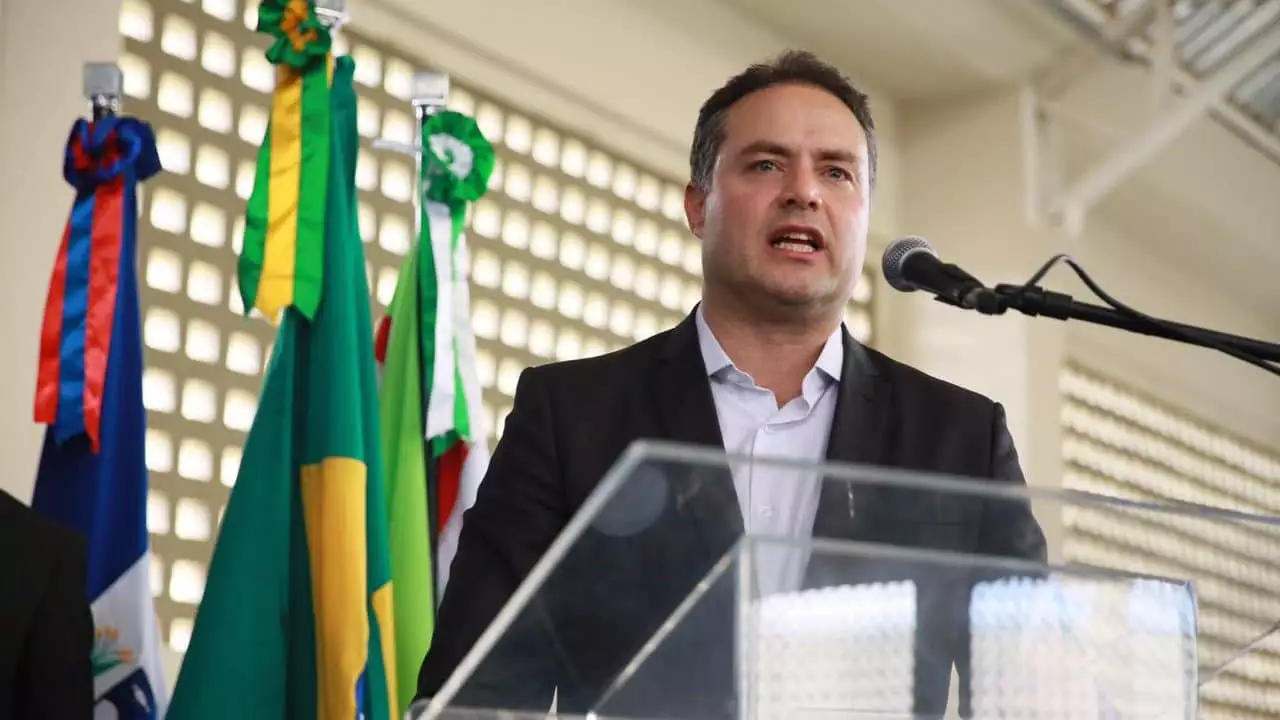

With 66% of the networks assessed as “regular, poor, and terrible,” as shown by a survey by CNT – National Transportation Confederation, the Minister of Transportation, Renan Filho, states that the main commitment of his department in this first year is to halt the destruction of roads in Brazil.
For Renan Filho, infrastructure works need to be rescued, and not to take resources and fragment them to build a countless number of projects. The ministry has already identified over 100 halted projects, or those progressing slowly, in the country this year, and aims to recover the transportation sector and improve logistics.
To this end, the Minister of Transportation announced on Wednesday (18) a package of five axes to be executed in the first four months of this year, namely. Revitalization, resumption, and intensification of highway and railway works; accident prevention to avoid deaths on the roads; measures for the grain harvest, which promises to break records since the beginning of 2023; immediate action for disaster prevention and response; and mechanisms to attract private investment.
With the construction of 92 kilometers of highways, revitalization of 572 kilometers of federal roads, the package also includes the signaling of roads, as well as the construction of bridges and overpasses, totaling 72. The forecast is that the package will capture R$ 1.7 billion from the budget in the planned period, for the delivery of 861 kilometers of constructed roads. An expenditure not seen since 2018.
-
The Port of Itaqui closes the best first semester in history with over 17 million tons and takes off as the locomotive of the Northern Arc.

-
Brazil’s North-South Railway to Auction Two Grain Terminals in Central Tocantins

-
AI-powered traffic cameras in São Paulo now issue fines for cellphone use and seatbelt violations around the clock

-
Free Upgrade to Professional Driver’s License Categories in Over 130 Locations in Brazil, Including Exams and Courses



By April, Renan Filho wants the highways in various federative units to have deliveries, including, in Roraima, BR-432; in Acre, BR-364, BR-116 in Ceará, Bahia, and Rio Grande do Sul; BR-101 in Sergipe and Alagoas; BR-080 in Goiás; in Minas Gerais, BR-3811; in Espírito Santo, BR-447; in Paraná, BR-163; and in Santa Catarina, BR-470.
The Minister of Transportation also explained that for the package to be executed, new contracts need to be signed for 2,876 kilometers; for more than 8,032 kilometers, bidding for new contracts; for 17,312 kilometers, new bids for revitalization, signaling, and construction; and for 1,469 kilometers, new expansion projects. In pursuit of sustainability, environmental studies and compensation planting actions are planned, as well as the recovery of degraded areas, which also requires conducting bids, specific contracts, and public hearings, although there is still no specific design for this.
Competitiveness and Safety
Renan Filho does not believe in modernization without investing in the rail modal. Therefore, the Minister of Transportation stated that the package also aims to increase participation in the sector by 40%, particularly in logistics, so that by 2035 we have a matrix with 60% participation. With this, there will be increased competitiveness and enhanced safety for those using the highways. The announced package received six thousand contributions from a popular consultation conducted by the Ministry of Transportation in the first half of January this year. Renan Filho promises to continue this practice.








