





 Portuguese
  English
  Spanish
  3 min of reading


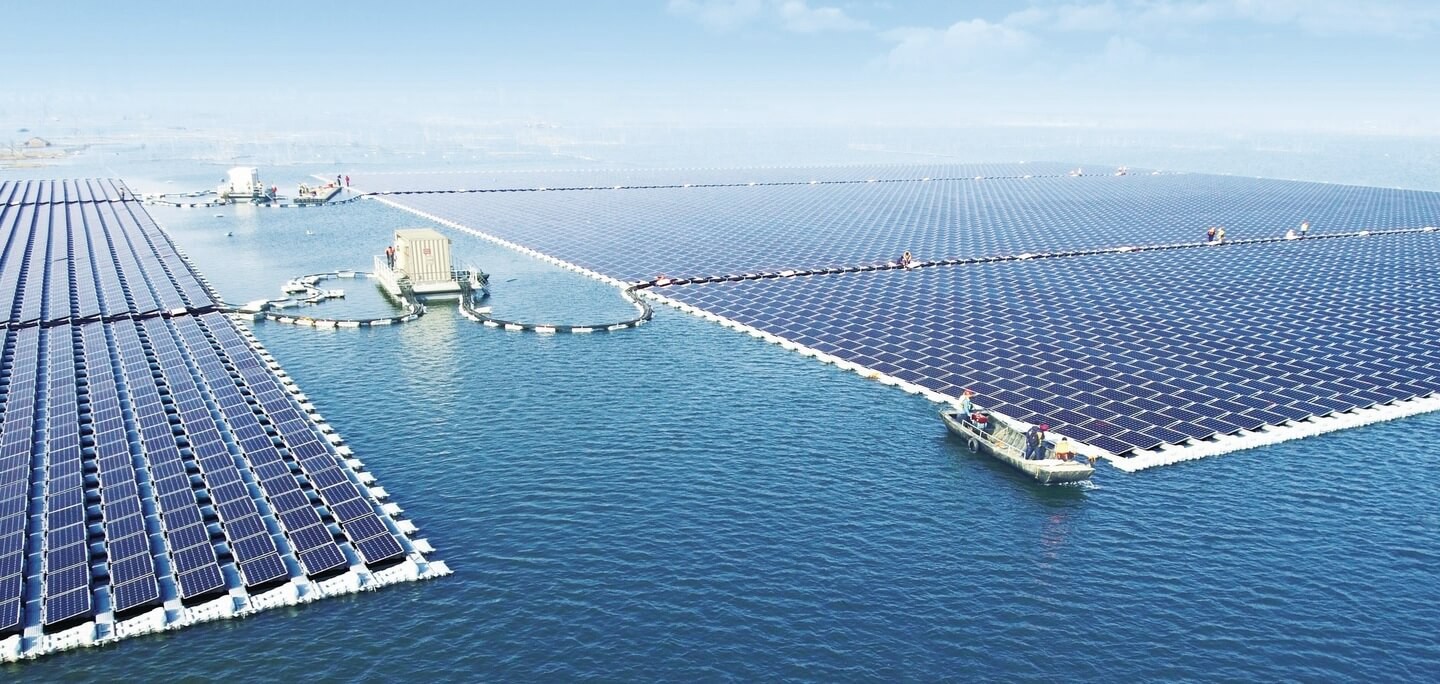
The New Floating Solar Power Plant in Fernando de Noronha Will Be Responsible for Bringing More Energy Efficiency and Sustainability to the Island. Neoenergia and Compesa Expect Good Utilization of the Renewable Resource Production.
In order to contribute even more to the sustainable energy development of the island of Fernando de Noronha, the Pernambuco Sanitation Company (Compesa) announced a new project in partnership with Neoenergia. This involves a floating solar power plant that will be built in the archipelago. As of this Monday, (31/10), the project is underway between the companies, aiming to bring more energy security and sustainability to this Brazilian environmental heritage.
Neoenergia and Compesa Invest in Sustainability and Energy Efficiency with Floating Solar Power Plant Project in Fernando de Noronha
The island of Fernando de Noronha Will Host Another Project of Extreme Importance for Sustainability and Energy Efficiency.
This time, Neoenergia and Compesa have joined forces to build a floating solar power production plant in the archipelago.
-
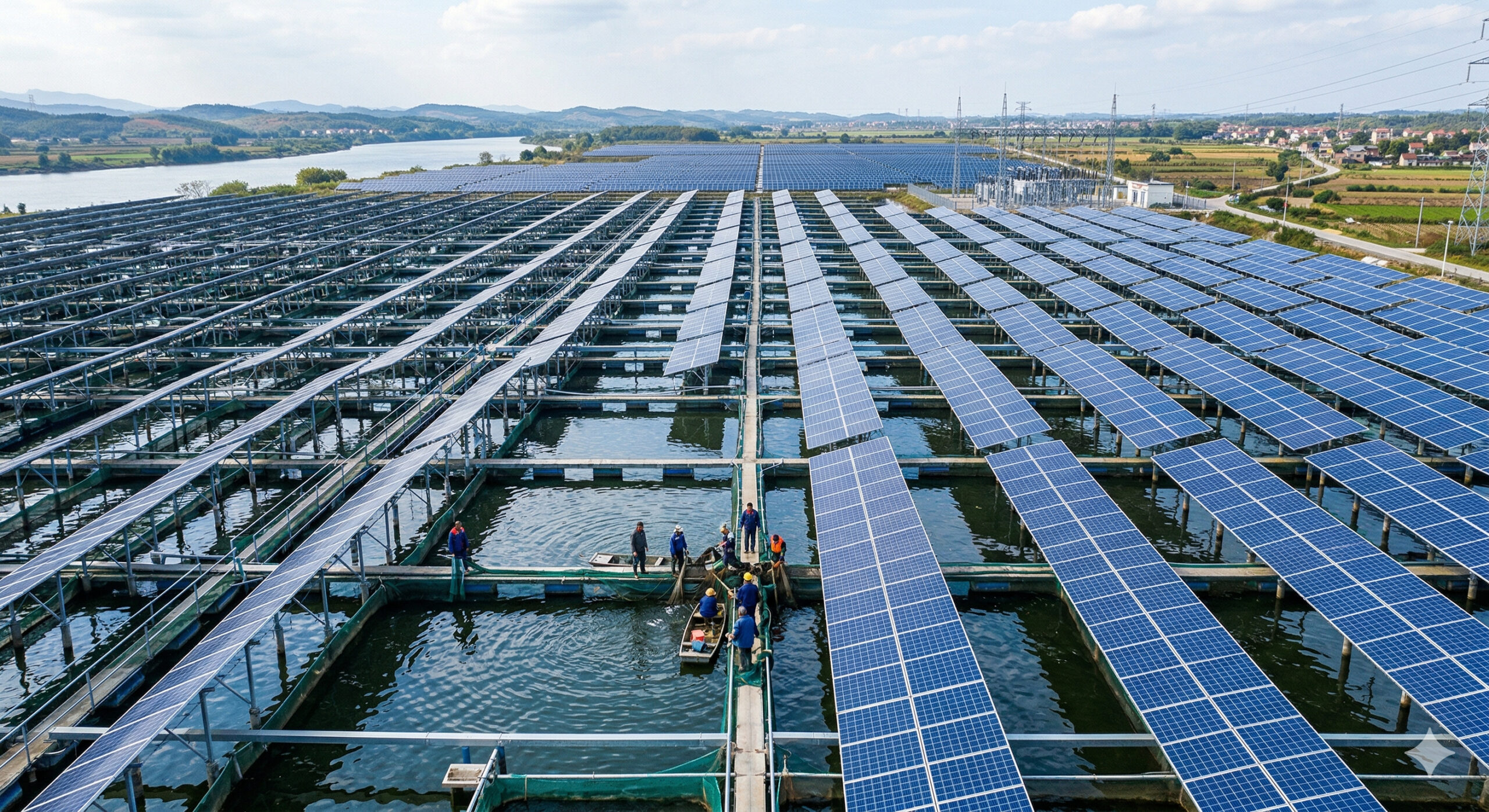
China bets on the Fishery-PV model and transforms fish farms into giant solar plants, covering ponds with panels that generate energy while utilizing the same space for large-scale aquaculture production.
-
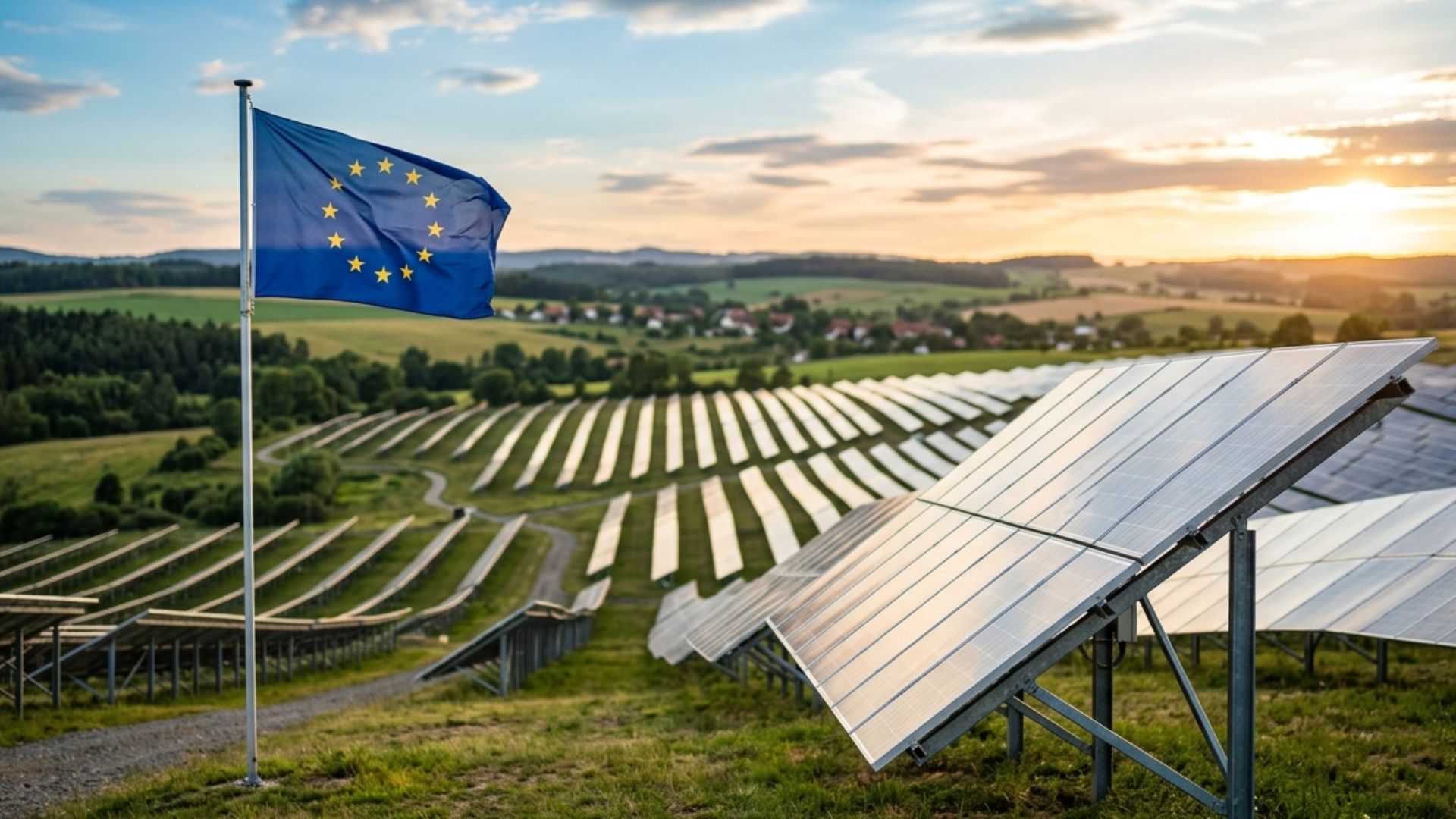
Europe records strong euro economy with solar energy in March and sparks curiosity about which country leads growth that redefines the energy market and reduces costs.
-
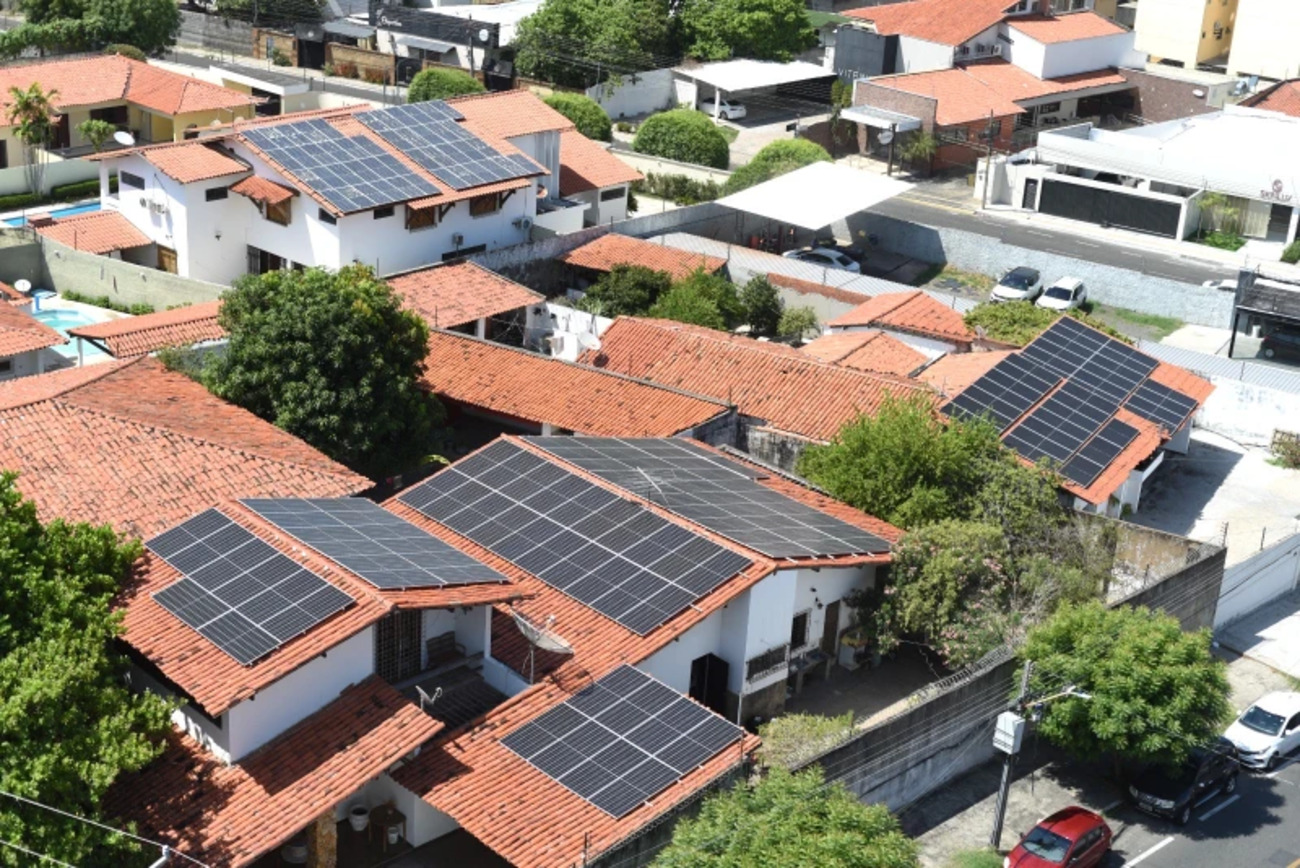
Piauí reaches a historic milestone in energy transition: State records nearly 160,000 households powered by solar energy and leads growth in the Northeast.
-
Argentina debuts its first 100% solar-powered highway and transforms an entire road into a showcase of clean energy.

The plant will be installed on the water surface of the Açude do Xaréu, an area of approximately 4,400 m².
The total investment for the project development is estimated at R$ 10 million, coming from the Energy Efficiency Program of Neoenergia Pernambuco, regulated by the National Electric Energy Agency (Aneel).
“The new energy efficiency project in Fernando Noronha adds to other renewable initiatives that Neoenergia develops in the archipelago. Thus, we reinforce our commitment to decarbonization, and highlight our potential for innovation, towards a more sustainable future,” said Ana Christina Mascarenhas, Superintendent of Energy Efficiency at Neoenergia.
The New Floating Power Plant in Fernando de Noronha Will Be Responsible for 50% of Compesa’s Production in the Archipelago, Says the Company
The data from Neoenergia and Compesa confirm the magnitude of the project for the island’s dimensions.
The floating solar power plant will have a capacity of about 630 kilowatt-peak (kWp) and an estimated generation of 1,238 MWh/year.
Thus, the plant will be responsible for more than 50% of the energy production of Compesa throughout the region of Fernando de Noronha.
Additionally, the generation through renewable sources will promote a reduction of 1,663 tons of CO2 emitted annually in the archipelago, recognized by Unesco as a Natural Heritage of Humanity.
This is yet another project of the Sustainable Energy Program Noronha, an initiative that aims to bring more sustainable energy development projects to the region of the archipelago.
Floating Solar Power Plant Joins the Vacaria Solar Plant to Contribute to Sustainability and Energy Production with Environmental Commitment on the Island
In addition to the floating plant, an important project for the island is the Vacaria Solar Plant, which is part of the Green Trail, Neoenergia’s electric mobility project.
It has an installed capacity of about 50 kWp, with an estimated generation of 75 MWh/year, thus ensuring even more energy security with sustainability on the island.
The solar power plant is, in fact, the first of two plants designed exclusively to supply electric vehicles that circulate in the archipelago.
By the end of the maximum resource production, they will have an installed capacity of 100 kWp, three times greater than the needs of the project’s vehicles.
All the remaining energy production will be directed to the electric distribution network of Fernando de Noronha, thereby contributing to sustainability on the island.
Now, Neoenergia and Compesa continue developing the floating plant to bring even more environmental commitment to the region.







Seja o primeiro a reagir!