





 Portuguese
  English
  Spanish
 3 min of reading


Nestlé Purina’s New Billion-Dollar Investment Unit in Santa Catarina Will Supply Brazil, United States, Europe, Asia, and Oceania’s Pet Food Market
Nestlé launched a new project for the Purina business unit in Santa Catarina on the 15th, which will focus on pet food production, with total investments of R$ 2.5 billion. The factory is expected to begin operations in the last quarter of 2023 and will be fully operational by the second quarter of 2024.
Also See:
- 1,600 scholarships worth R$ 3,600 are offered by Santander for Brazilian students
- 2,000 positions for free online courses in English and Spanish are offered by the Federal Institute IFSULDEMINAS
- Construction of new railways: Rumo and VLI, logistics companies, signed a contract to build a stretch between Uberlândia and Chaveslândia
Thanks to the new unit located in the city of Vargeão in Santa Catarina, the multinational Nestlé will begin exporting to Asia and Oceania. In addition, Purina’s unit in Santa Catarina will also supply the European and United States markets.
According to information from CNN Brasil, Nestlé announced that the inauguration of the Santa Catarina unit concludes the celebrations of 100 years of the Swiss company in this country and is the largest investment in constructing a manufacturing unit in five years.
-
With 74% of companies facing difficulties in hiring, technicians and engineers in renewable energy are becoming scarce in Brazil and are essential to support the expansion of solar, wind, and green hydrogen projects.

-
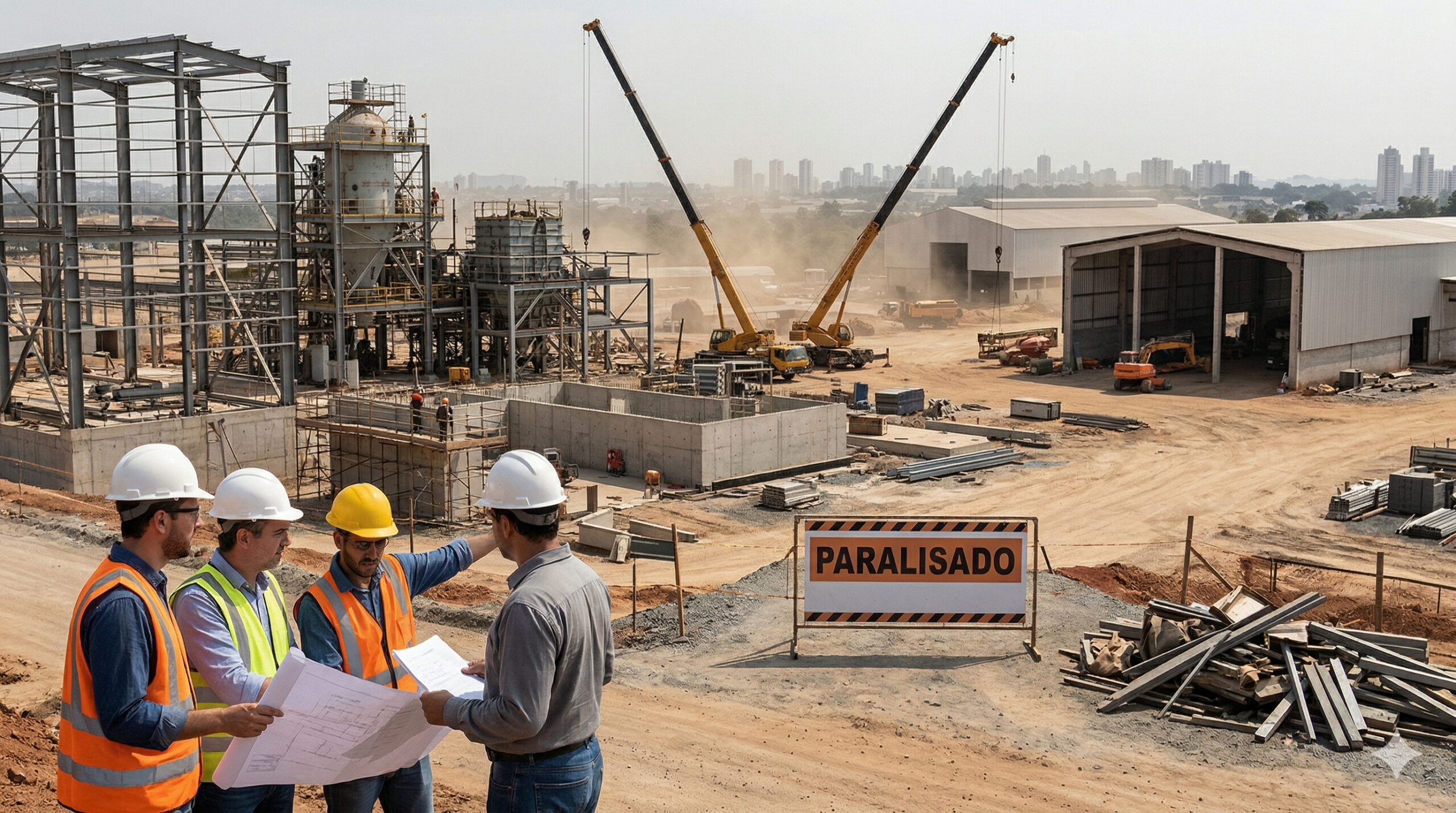
The lack of welders, electricians, and operators becomes a structural threat in 2025, with the construction industry and manufacturing already suffering from delays, cost pressures, and labor shortages in Brazil.
-
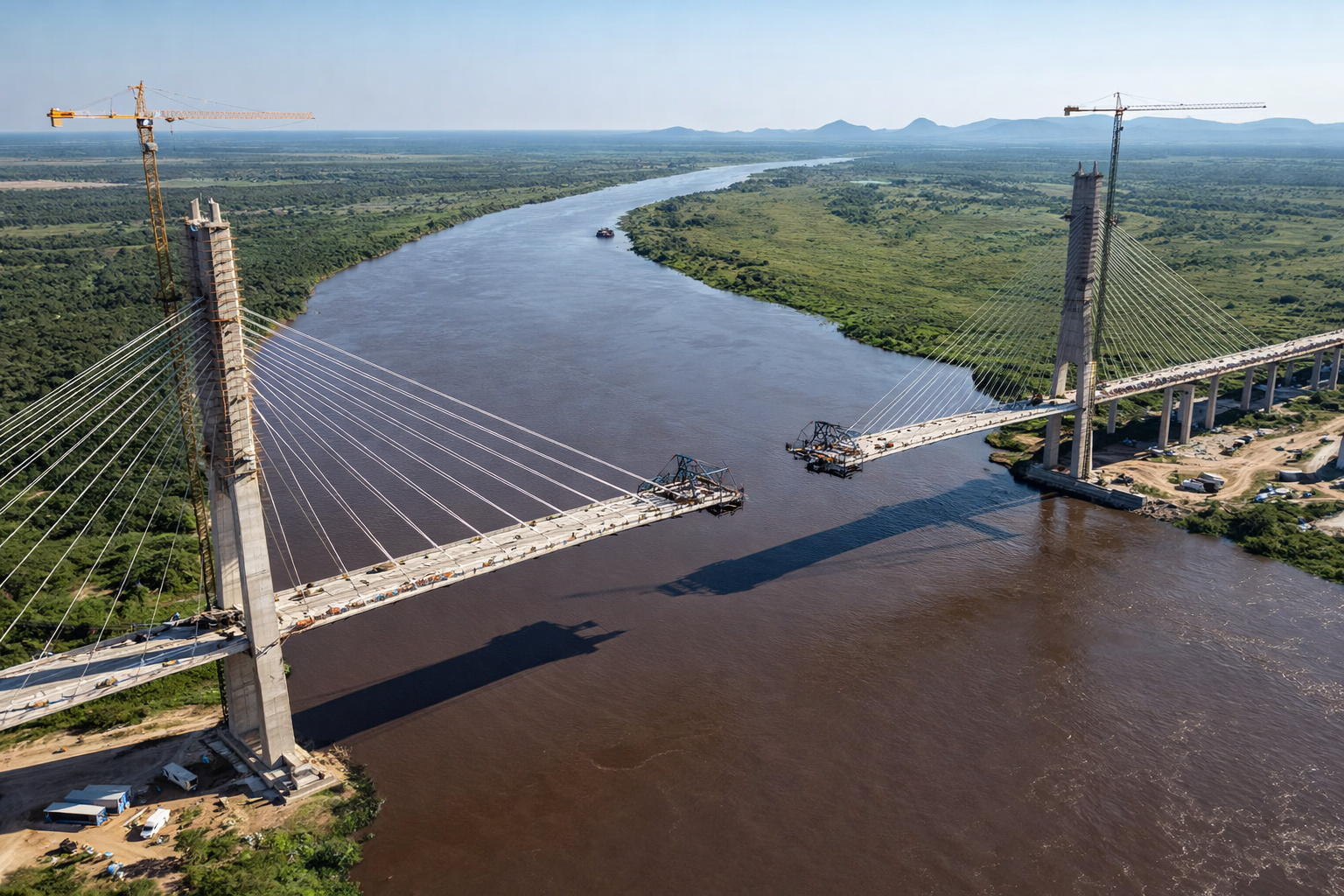
Brazil and Paraguay are just 46 meters away from a historic union on the bioceanic bridge that promises to revolutionize trade between the Atlantic and the Pacific.
-
With 55 km over the sea, a cost of US$ 20 billion, and enough steel to build 60 Eiffel Towers, China’s largest project has connected Hong Kong, Zhuhai, and Macau in a colossal bridge that defies the logic of engineering.


CEO of Nestlé Purina in Brazil, Marcel de Barros, is planning for investment in the pet sector, which grew by about 30% in 2021. According to estimates from the Instituto Pet Brasil, revenue last year was expected to approach R$ 47 billion.
“Despite the jump from 2020 to 2021, we understand that the acceleration will not continue at the same pace, but should keep growing in double digits, at least 10% a year,” says the CEO of Nestlé Purina Brazil.
Brazil: 3rd Country with the Most Investments in the Animal Market
Further boosted by the pandemic, the pet market has been significantly increasing. Nestlé Purina plans to meet the market’s projections from Euromonitor, which estimates that Brazil will have nearly 112 million pets by 2025. Brazil is already the third country making the most investments in the animal market, behind the United States and China.
The boost in this segment comes from the new status of pets in the family core, which are now receiving more care from their owners. “Everything that is launched for humans also reaches pets, such as healthier or even vegan foods. There is a stronger bond today,” highlights Marcelo Melchior, CEO of Nestlé.
One of Purina’s highlights is the cat food that helps with human allergies, launched in May 2021. “It is the first pet food developed for cats that reduces the natural production of allergen without harming the animal, and that reduces the impact on humans by 47%,” explains Barros.
This cat food is patented by Nestlé and the result of 8 years of research and investment, integrating the portfolio of patents created by the Purina Institute, which has an annual budget of US$ 300 million for investment in pet food technology.
The Nestlé Purina factory in Santa Catarina, which is expected to create 200 direct jobs, is designed as an industry 4.0 facility, with a high degree of automation in production. According to Nestlé, the plant in Santa Catarina will invest in renewable energy sources and lower water consumption, as well as not send waste to landfills.
“Our technology allows for the superiority of our products, both nutritionally and in terms of palatability and aesthetics—with different textures that increase attractiveness. Producing different textures in wet foods is complex. The plant will feature ‘state of the art’ technology, with less environmental impact, no waste, renewable energy generated from biomass, as part of the company’s commitment to zero gas emissions by 2050,” concludes Marcel de Barros. Source: CNN Brasil, by Ana Carolina Nunes.






Seja o primeiro a reagir!