





 Portuguese
  English
  Spanish
 6 min of reading
  4 comments


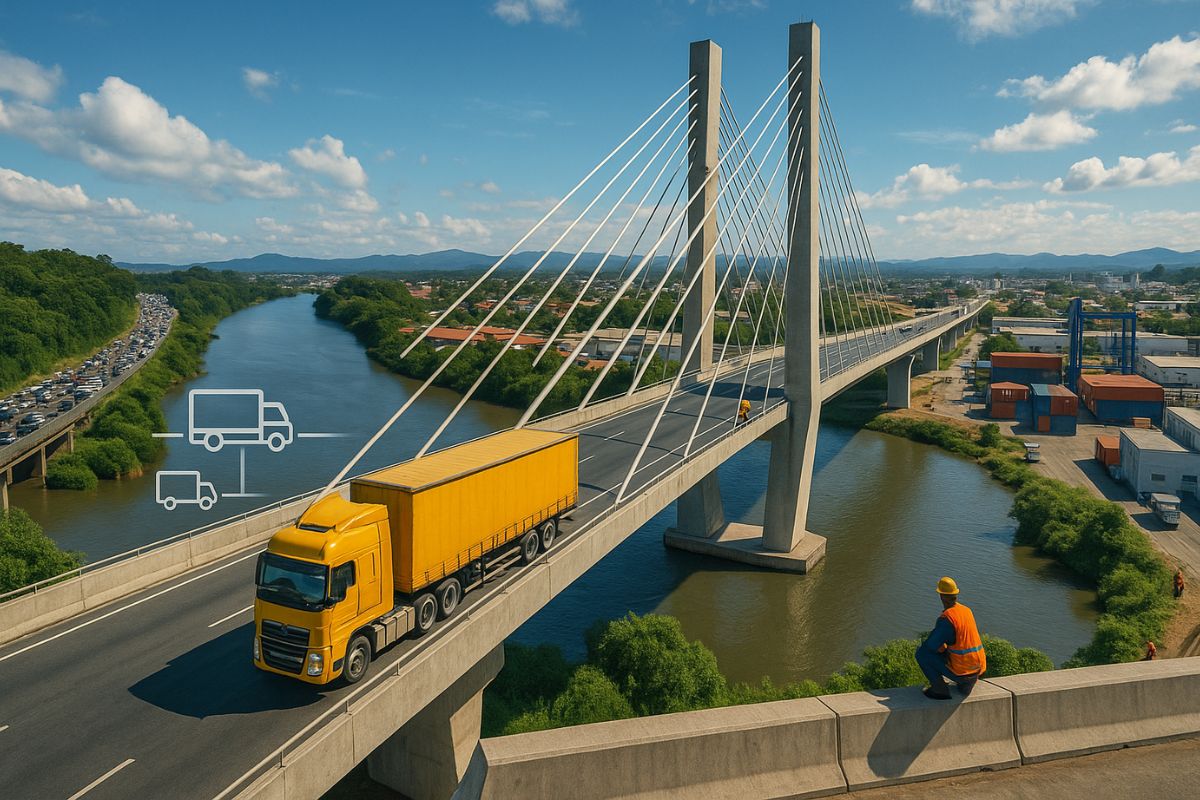


With The New Bridge Over The Parati River, Araquari Should Shorten The Route Between Vila Porto Alegre And The Center From 17 Kilometers To About 700 Meters, Reducing The Travel Time From 40 To 7 Minutes And Generating An Estimated Annual Savings Of R$ 32 Million In Logistics.
The new bridge over the Parati River Emerges As A Turning Point For The Mobility Of Araquari And Surroundings, At A Time When The Cost Of Time, Fuel, And Logistics Weighs More And More On The Budget Of Families And Businesses. By Shortening Distances And Better Organizing Flows Between The Neighborhood And The Center, The Project Tends To Reposition The Municipality On The Map Of Regional Integration, With Effects That Go Beyond The Construction Itself.
In The Economic Context, The Intervention Fits Into A Broader Infrastructure Agenda, In Which Road Improvements Are Starting To Be Viewed As Direct Tools For Competitiveness, Cost Reduction, And Attraction Of Investments. For Araquari, It Is About Aligning Mobility, Logistics, And Urban Development In A Single Engineering Solution, With Practical Reflections In The Daily Life Of Those Who Need To Access Health, Education, Commerce, And Employment On The Other Side Of The Parati River.
How The New Bridge Shortens The Path Between Vila Porto Alegre And The Center

Currently, Those Leaving Vila Porto Alegre Towards The Center Of Araquari Face A Route Of Approximately 17 Kilometers, With Longer Roads, Narrow Sections, Detours, And Increased Travel Time.
-
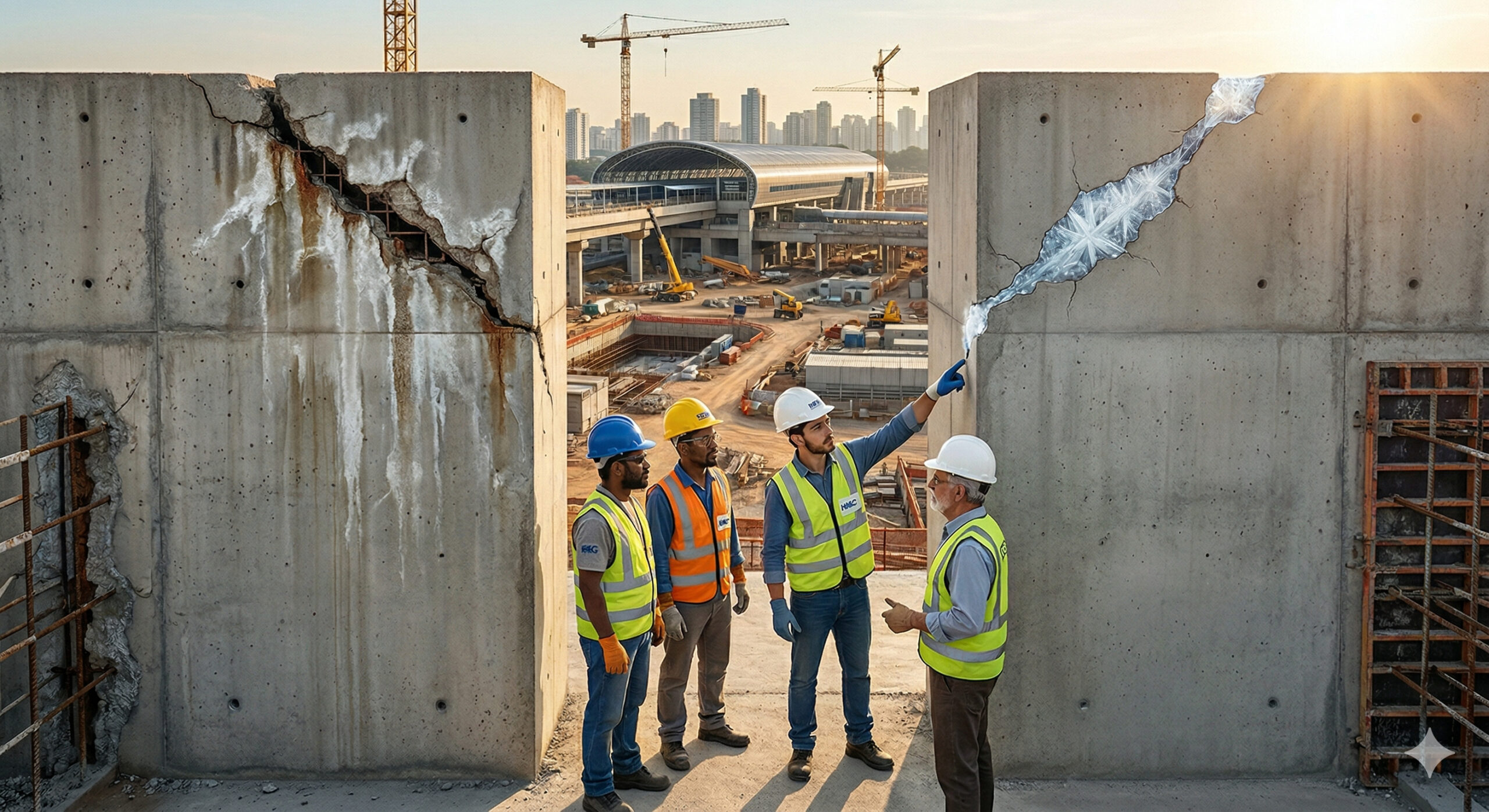
With a lifespan of up to 60 years and a cost up to 30% higher than conventional concrete, self-healing concrete is already being used in Brazil to eliminate leaks, reduce maintenance, and is changing the real cost of construction projects.
-
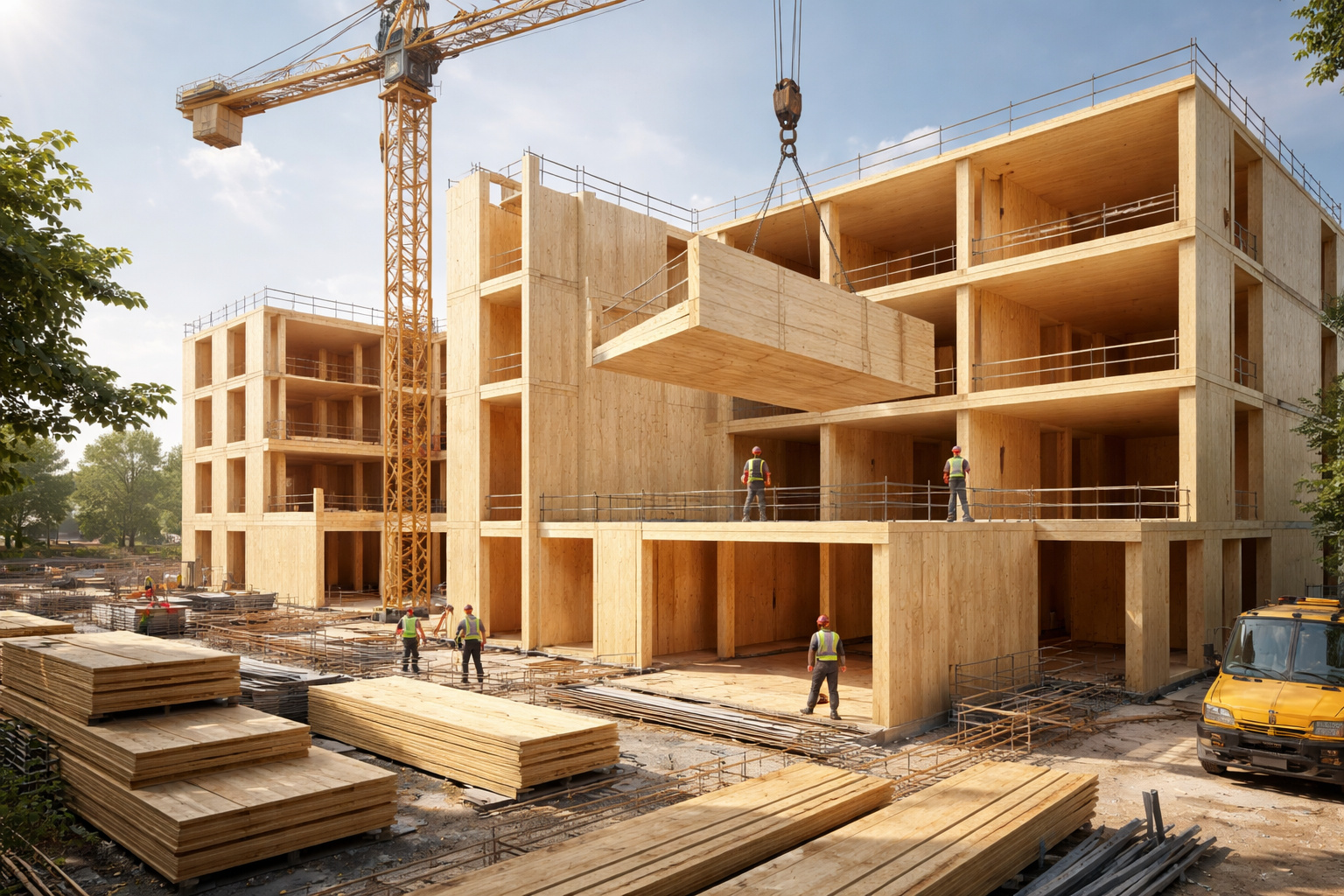
Engineered wood CLT challenges steel and concrete and promises construction that is up to 2x faster with a lower environmental impact in modern civil engineering.
-
Video: Retiree builds 26-meter Roman castle in his backyard with pieces from dozens of countries, ornamental grates from Libya, and a dragon made of recycled metal.

-
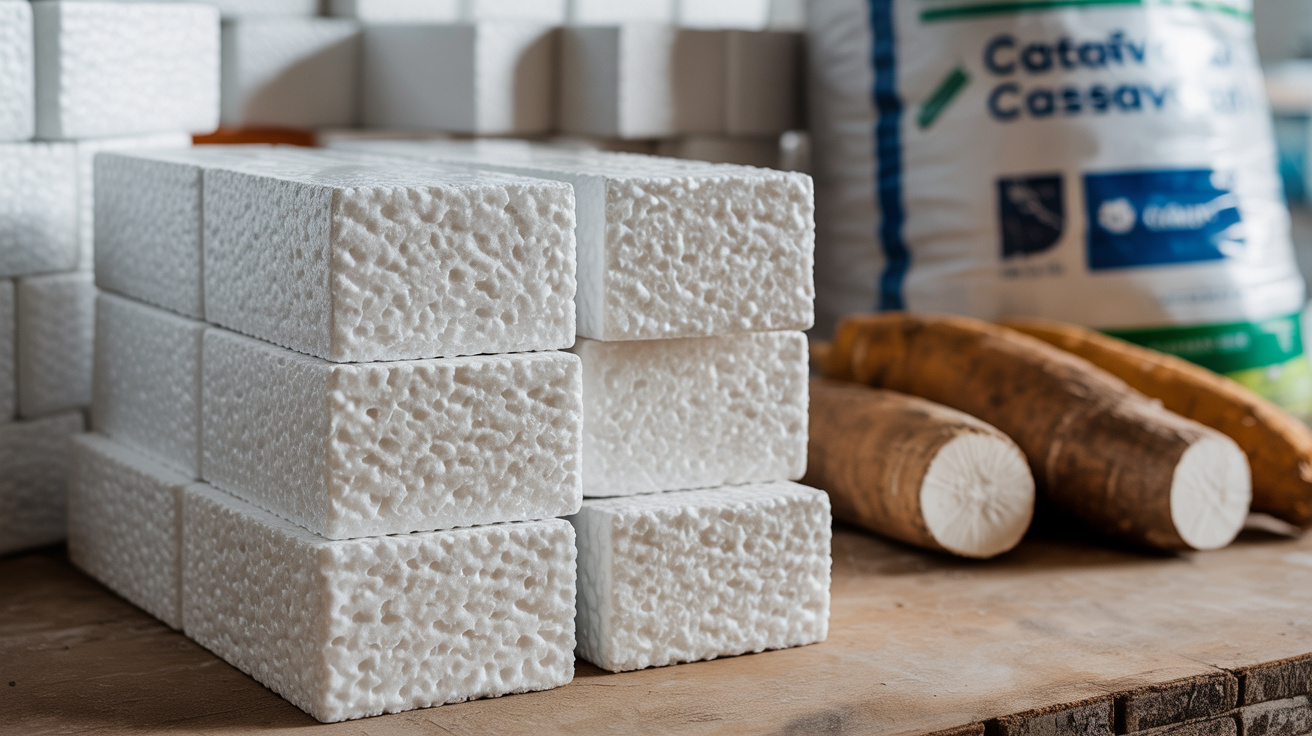
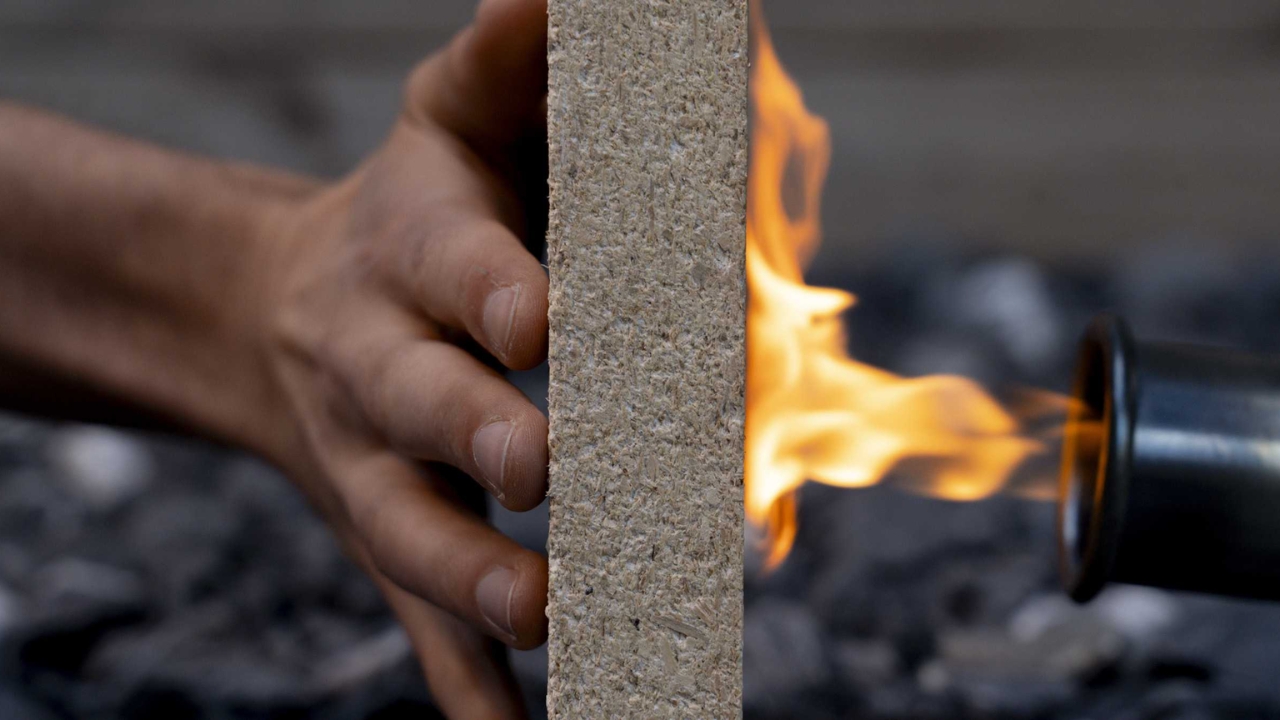
Bricks made with recycled Styrofoam and cassava glue cost R$ 0.40 and insulate walls, reducing internal temperature by 6°C using a technique that produces 50 units with just one 50 kg bag of cement.

With The Completion Of The New Bridge, This Distance Drops To About 700 Meters, Creating A Direct Connection Between The Two Banks Of The Parati River.
In Practice, The Trip, Which Currently Takes Around 40 Minutes, Is Estimated To Be Approximately 7 Minutes.
This Difference Completely Alters The Logic Of Movement For Residents, Students, And Workers, Reducing Time Lost In Traffic Jams, Decreasing Vehicle Wear And Tear, And Bringing More Predictability For Those Who Depend On This Route Daily.
Economic And Logistical Impacts Of The New Bridge In Araquari
The Most Visible Effect Of The New Bridge Is On Mobility, But The Economic Impact Tends To Be Equally Relevant.
The Projected Annual Savings Of R$ 32 Million In Logistics Reflects The Sum Of Shorter Routes, Lower Fuel Consumption, Faster Transportation Operations, And Reduction Of Fleet And Team Idle Time.
For Companies Located In Araquari And Surroundings, Every Minute Saved In Travel Translates Into Operational Gain, Whether In The Transport Of Goods, Supply Of Stores, Or Customer Service.
The New Bridge Also Facilitates The Circulation Of Services, Expands The Operating Radius Of Small And Medium Enterprises, And Strengthens The Municipality’s Attractiveness For New Investments That Depend On A More Efficient Road Corridor.
Road Safety And Modernization Of The Crossing Over The Parati River
Prior To The Implementation Of The New Bridge, Access Between The Two Sides Of The Parati River Relied On Old Sections And More Winding Routes, With Additional Risks In Curves, Intersections, And Low Visibility Points.
With A Modern Structure, Sized For The Current And Future Flow Of Vehicles, The Trend Is To Reduce Exposure To Problematic Sections And Increase Traffic Stability.
The New Bridge Is Expected To Concentrate The Flow In A Crossing Designed With Contemporary Engineering Criteria, Which Improves Safety Not Only For Professional Drivers But Also For Residents Who Make The Trip In Light Vehicles.
The Project Still Has Points Under Evaluation, Such As The Inclusion Of Bicyclists And Pedestrians, But The Overall Design Points To A Leap In Quality Compared To Current Circulation Conditions.
Timeline, Bidding And Environmental Steps Of The New Bridge
In The Bureaucratic Field, The Araquari City Hall Plans To Launch The Bidding For The New Bridge In January 2026.
The Forest Inventory Has Already Been Completed, But Environmental Studies And Obtaining Legal Authorizations Are Still Necessary Before The Effective Start Of Works, Which Means That The Project Advances In Defined Technical And Regulatory Stages.
To Facilitate Construction, The Municipal Administration Plans To Declare The Public Utility Of The Bridgehead In Vila Porto Alegre, Which Eases Expropriation And Land Adjustments Necessary For The Final Route.
In Parallel, There Is A Plan To Pave The Porto Alegre Road And Improve Access To The Center, Combining The New Bridge With A Broader Redesign Of The Local Road Network.
This Integration Increases The Chance Of The Project Delivering The Expected Mobility Gain, And Not Just An Isolated Crossing Over The River.
Social Effects And Access To Essential Services
The New Bridge Is Expected To Directly Impact The Quality Of Life Of Those Who Live And Work In The Region.
By Reducing Travel Time, Access To Health Units, Schools, Commerce, And Public Services Becomes Faster And More Predictable, Which Makes A Difference For Families That Need To Cross The River Daily.
Residents Of Vila Porto Alegre And Nearby Areas Tend To Feel In Their Daily Lives The Greater Proximity To The Center, Both For Basic Routines And For Work And Study Opportunities.
The New Bridge, In This Context, Is Not Just A Construction Of Concrete And Steel, But An Element Of Social And Territorial Integration, Bringing Together Areas That Practically Functioned As Spaces Separated By Distance And Travel Time.
Decongestion And Regional Urban Development
One Of The Positive Side Effects Expected With The New Bridge Is The Decongestion Of Local And Regional Roads That Currently Absorb Part Of The Traffic Between The Neighborhood And The Center.
By Creating A More Direct Route, Traffic Tends To Redistribute, Reducing Pressure On Overloaded Sections And Improving The Flow For Those Merely Passing Through Araquari To Other Destinations.
This Gain In Road Fluidity Helps To Restore The Balance Between Through Traffic And Internal Displacement, Reducing Conflicts And Bottlenecks During Peak Hours.
At The Same Time, The New Bridge Favors Planned Urban Expansion, Stimulates Real Estate And Commercial Investments In Currently Less Accessible Areas And May Even Reinforce The Region’s Tourist Potential, With Easier Access To Services And Points Of Local Interest.
Unresolved Questions And Next Steps Of The Work
Despite The Overall Design Being Known, There Are Still Points Under Discussion Regarding The Final Project Of The New Bridge, Such As The Details Of Bicycle Lanes, Sidewalks For Pedestrians, And Interfaces With Public Transport.
Definitions About The Complete Origin Of Resources, Possible Partnership Models, And The Prioritization Of Complementary Works On The Porto Alegre Road And Accesses To The Center Are Still Being Developed.
For Residents And Businesses, Predictability About Timelines And Stages Is As Important As The Technical Gain Of The New Bridge.
A Clear Communication About The Timeline, Temporary Impacts, And Expected Benefits Tends To Increase Community Engagement And Reduce Local Resistance, Allowing The Project To Be Incorporated More Naturally Into The Daily Life Of Araquari.
With A Projected Investment Of R$ 60 Million, Reducing The Route From 40 To 7 Minutes, Shortening The Distance From 17 Kilometers To About 700 Meters, And The Prospect Of Savings Of R$ 32 Million Per Year In Logistics, The New Bridge Over The Parati River Establishes Itself As One Of The Most Strategic Projects For Mobility And The Economy Of Araquari.
By Combining Road Improvement, Urban Integration, And Logistical Gains, The Project Has The Potential To Reconfigure The Relationship Between Vila Porto Alegre, The Center, And Other Areas Of The Municipality.
Given This Scenario, The Question Is: In Your Everyday Life, What Impact Of The New Bridge Do You Consider Most Decisive For Araquari – Time Savings, Reduced Logistic Costs, Or Easier Access To Essential Services?







Em qual Estado ????
S
Reportagem boa, contudo o redator, em momento algum faz menção ao Estado onde ficam a Vila Porto Alegre, a cidade de Araquari e o Rio Parati.
Como se fossem centros internacionalmentes conhecidos.
Tive que recorrer ao Google para saber que o Rio, a cidade e a Vila referenciados estão no Estado de Santa Catarina.
Seria bom, o redator atentar a isso.
Está parecendo se tratar de alguém que desconhece, portanto, não sabe se expressar, levando em considerando as recomendações básicas do jornalismo. Ou terá outro motivo???