





 Portuguese
  English
  Spanish
  3 min of reading
  0 comments


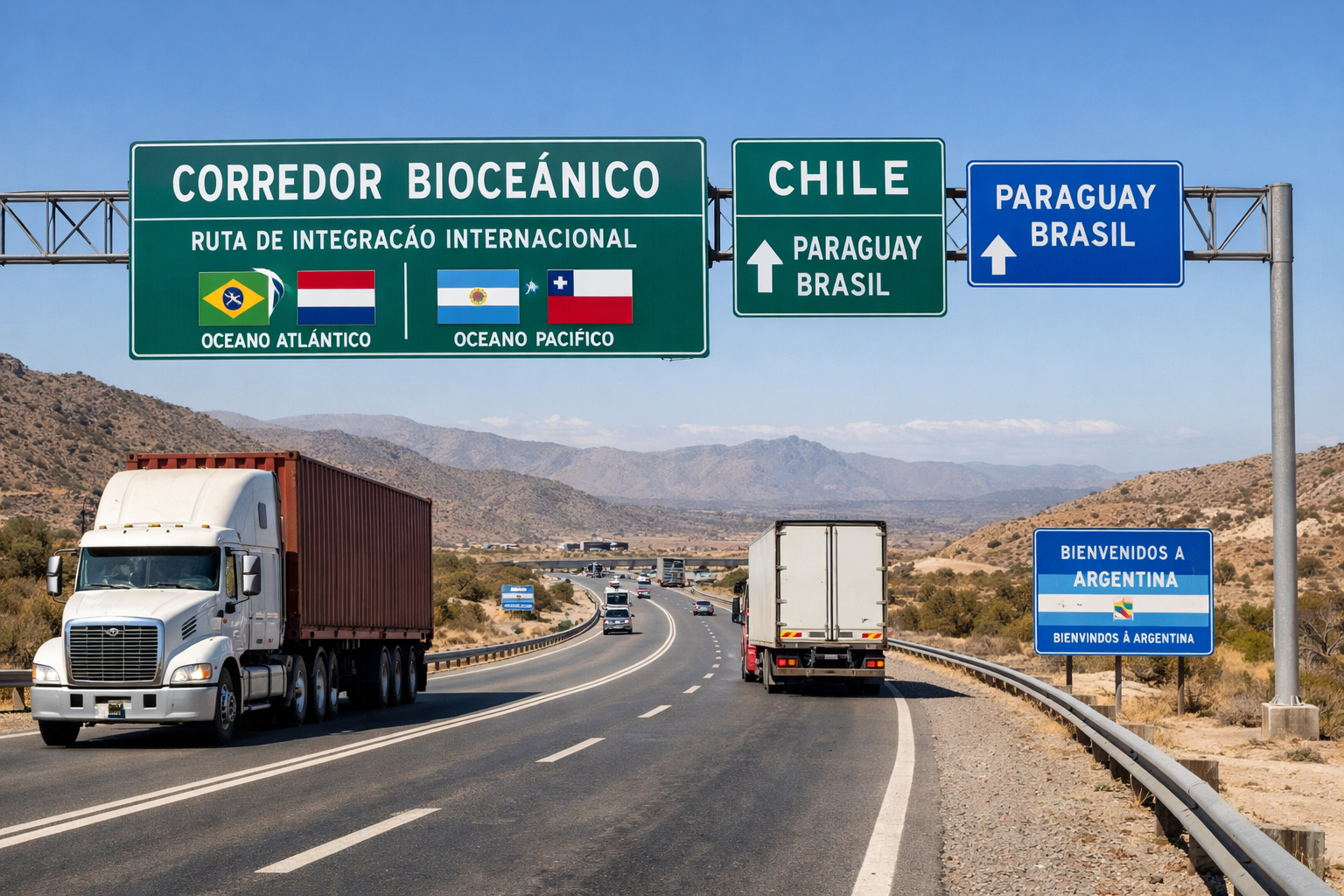
The Initiative Bets on Road Infrastructure, Integrated Border Control, and Logistics Modernization to Transform the 2,400 km Corridor into an Alternative to the Panama Canal
Argentina announced an investment of up to US$ 100 million to accelerate the works of the Bioceanic Route, a strategic international road corridor that connects the Atlantic and Pacific Oceans. The project aims to reduce historical infrastructure bottlenecks, shorten international transport times, and make Mercosur exports more competitive in the Asian market.
The information was disclosed by Campo Grande News, based on official documents from the Argentine government. The investment was made possible through a loan from Fonplata (Financial Fund for the Development of the Silver Basin), authorized by the Chamber of Deputies of the province of Salta in August of last year and formalized in 2026 by Decree No. 22/2026.
Investments in Highways and Critical Infrastructure
The project provides for paving works, structural recovery, and safety improvements on Argentine highways that are part of the Bioceanic Route. One of the main stretches covered is the Provincial Route 54, located between Pozo Hondo and Misión La Paz, in the northern part of the country. In total, 147 kilometers will receive direct investments.
-
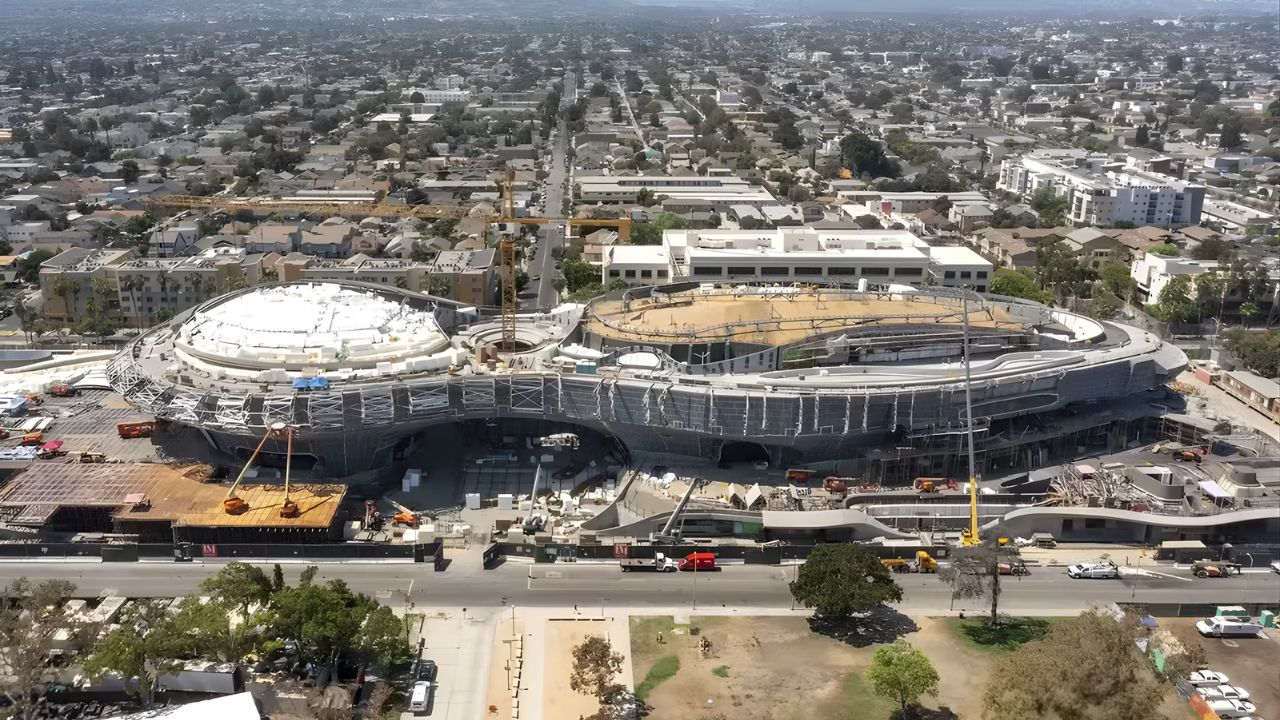
Created by George Lucas with over $1 billion, a futuristic museum in the shape of a spaceship with 1,500 curved panels is about to open in Los Angeles and will house one of the largest private collections of narrative art in the world.
-
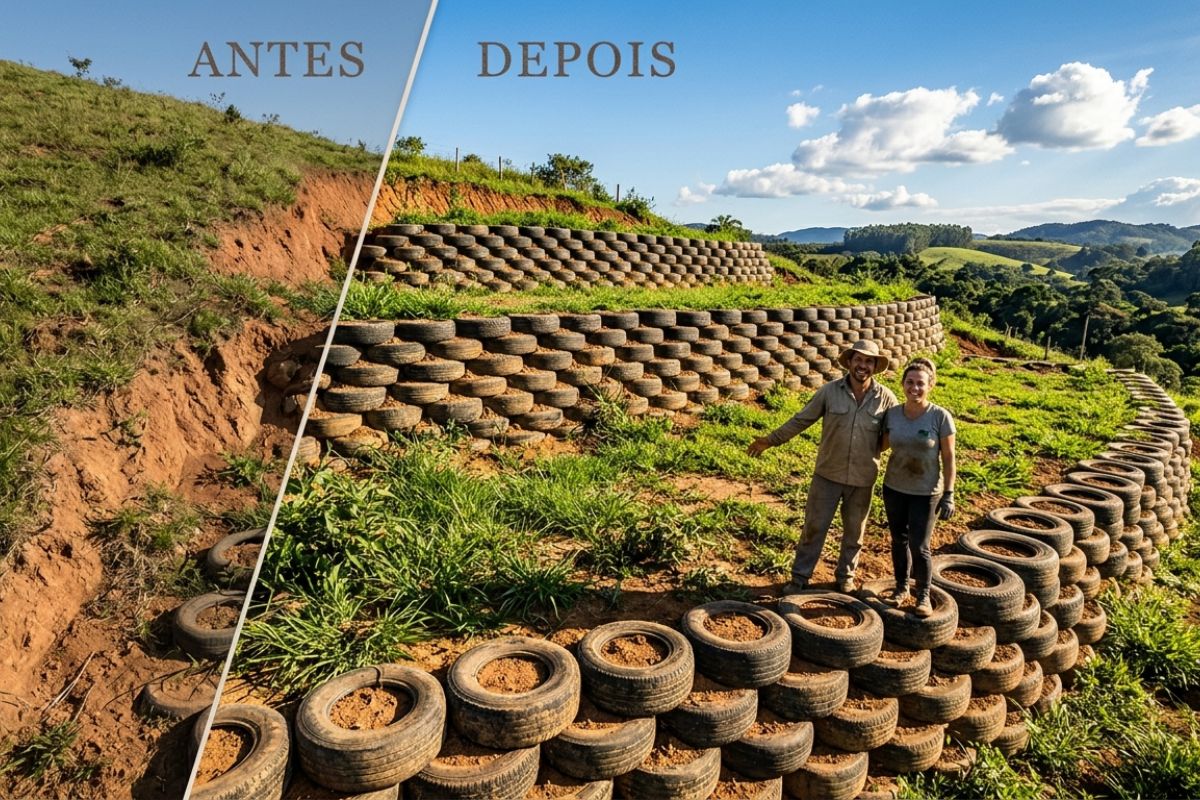
Couple shows how they built a retaining wall on their property using 400 old tires: sloped land turned into plateaus, tires are aligned, filled, and compacted with layers of soil, with grass helping in support and at almost zero cost.
-
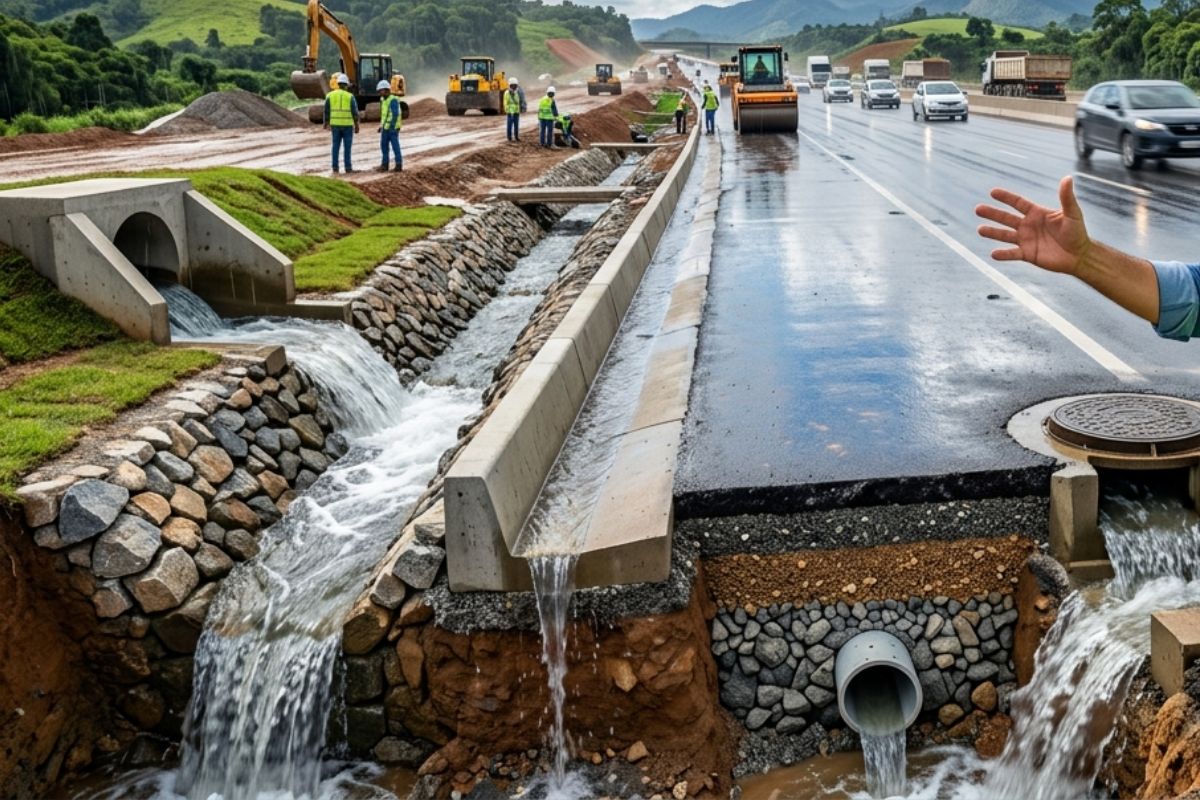
Engineer explains drainage during the rainy season: the difference between surface water and deep water, ditches, gutters, and water outlets on the road, as well as drains and drainage mattresses, to prevent erosion, aquaplaning, and flooding at the construction site today.
-
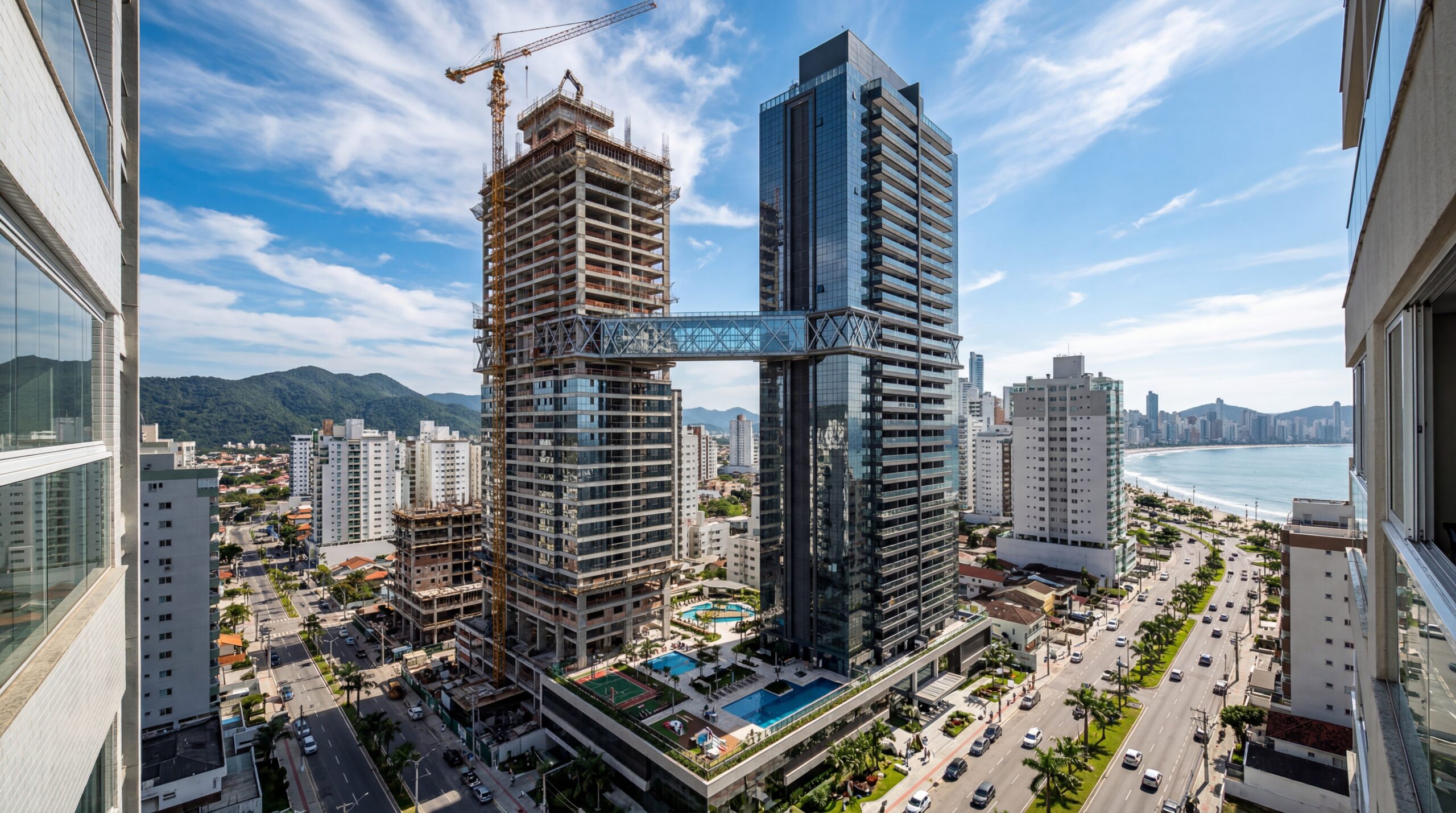
With 55 floors, 177 meters in height, a 15-meter walkway between the twin towers, ventilated facade, and 6,300 m² of leisure space, Ápice Towers already has one tower completed and another nearly at the top.

Within this stretch, 28 kilometers that are not yet paved will be completed, eliminating one of the main logistical obstacles in the region. Additionally, the plan includes the modernization of shoulders, improvements in the road layout, and technical adjustments to support greater truck traffic and heavy cargo transportation.
These interventions are considered essential to ensure operational safety, logistical predictability, and cost reduction for carriers, exporters, and international operators that use the corridor.
Border Integration and Logistics Modernization
In addition to the physical works, Argentina strongly invests in customs process modernization and the integration between government agencies of the involved countries. Part of the resources will be allocated for the implementation of an integrated border control complex, directly connected to Paraguay’s customs system.
This model seeks to reduce queues, bureaucracy, and delays at borders, one of the main factors that increase logistics costs in South America. With digital and operational integration, the expectation is to speed up cargo clearance and make international flow more predictable and efficient.
The proposal follows standards already adopted in logistics corridors in Europe and Asia, where integrated controls significantly reduce crossing times between countries.
Bioceanic Route as an Alternative to the Panama Canal
The Bioceanic Route is an international road corridor over 2,400 kilometers, crossing Brazil, Paraguay, Argentina, and Chile. The route connects producing regions of South America with the ports of northern Chile on the Pacific Ocean, creating a land alternative to the traditional maritime route through the Panama Canal.
According to official estimates, the full use of the corridor could generate a reduction of up to 30% in logistics costs and shorten transport time by up to 15 days between Mercosur countries and Asian markets. This gain is considered strategic in a global scenario of increasingly time and cost-sensitive supply chains.
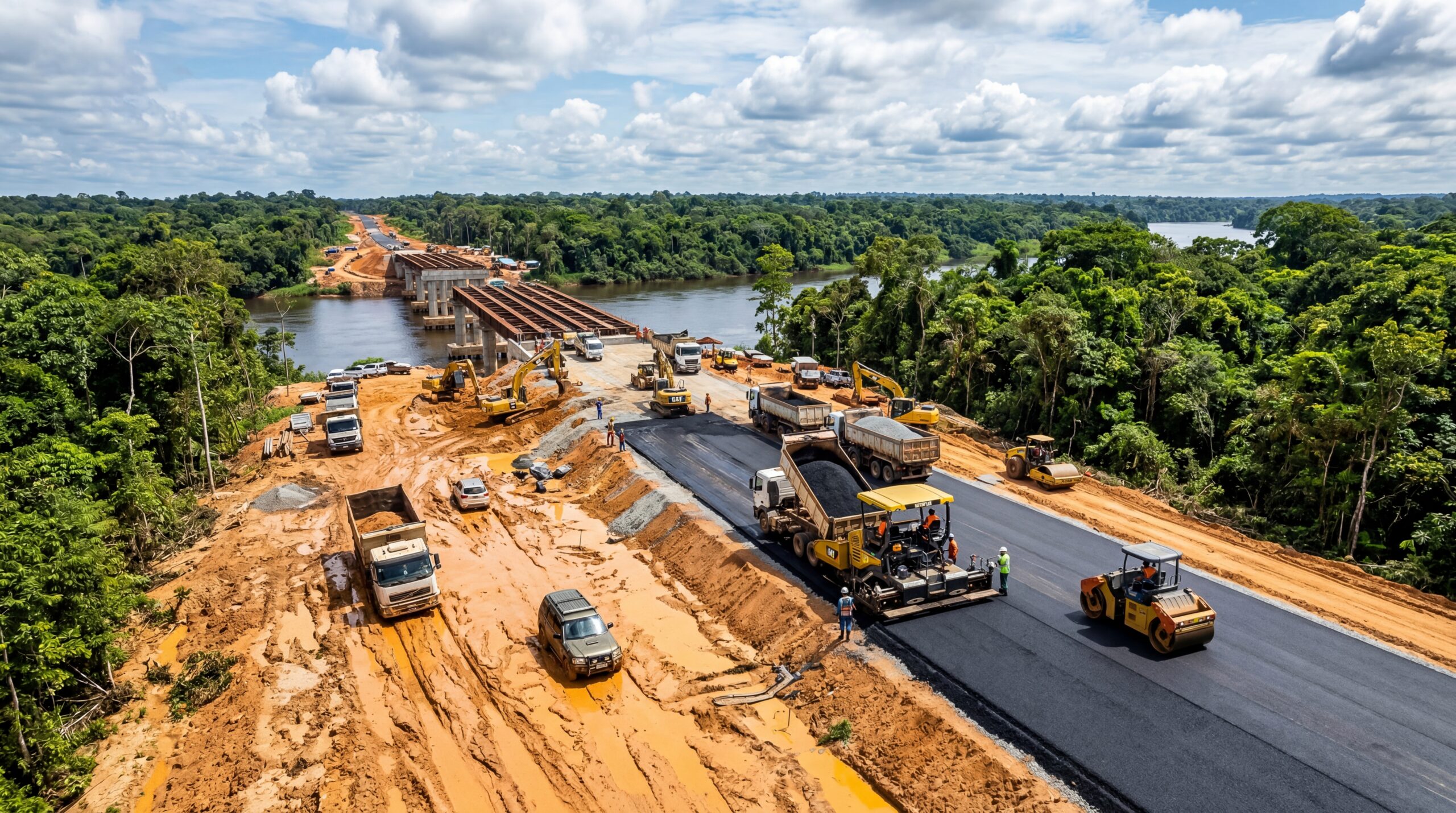
Currently, some construction is already underway, including a bi-national bridge, which is in an advanced stage of completion and is considered a key piece for the consolidation of the corridor.








-

-

-

-

14 pessoas reagiram a isso.