





 Portuguese
  English
  Spanish
  4 min of reading
  0 comments


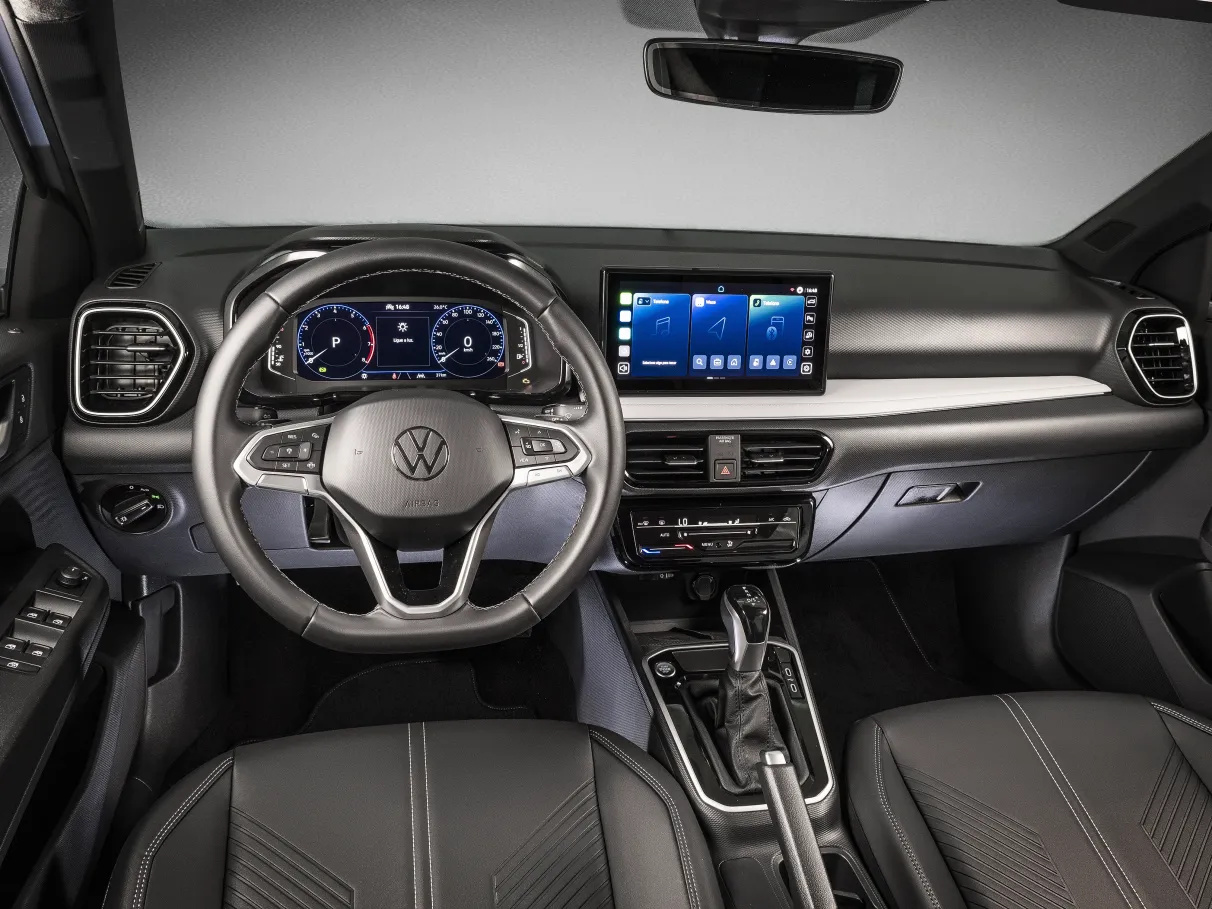
Volkswagen Launches a Car That Promises to Revolutionize the Market! Check Out the Specifications of the VW Tera. Discover the Prices and Engine Options.
The launch of the VW Tera, the highly anticipated new car from Volkswagen in Brazil, has caused a true frenzy in the automotive market. The demand for the model has been so intense that it has generated a waiting list to buy the VW Tera that has already extended for months.
Surprisingly, this high demand for the model has, inadvertently, boosted the sales of two other cars from the brand: the compact SUVs Nivus and T-Cross.
Volkswagen is now facing the challenge of increasing Tera production to meet numerous orders while reaping the benefits of the heightened interest in its other models.
-
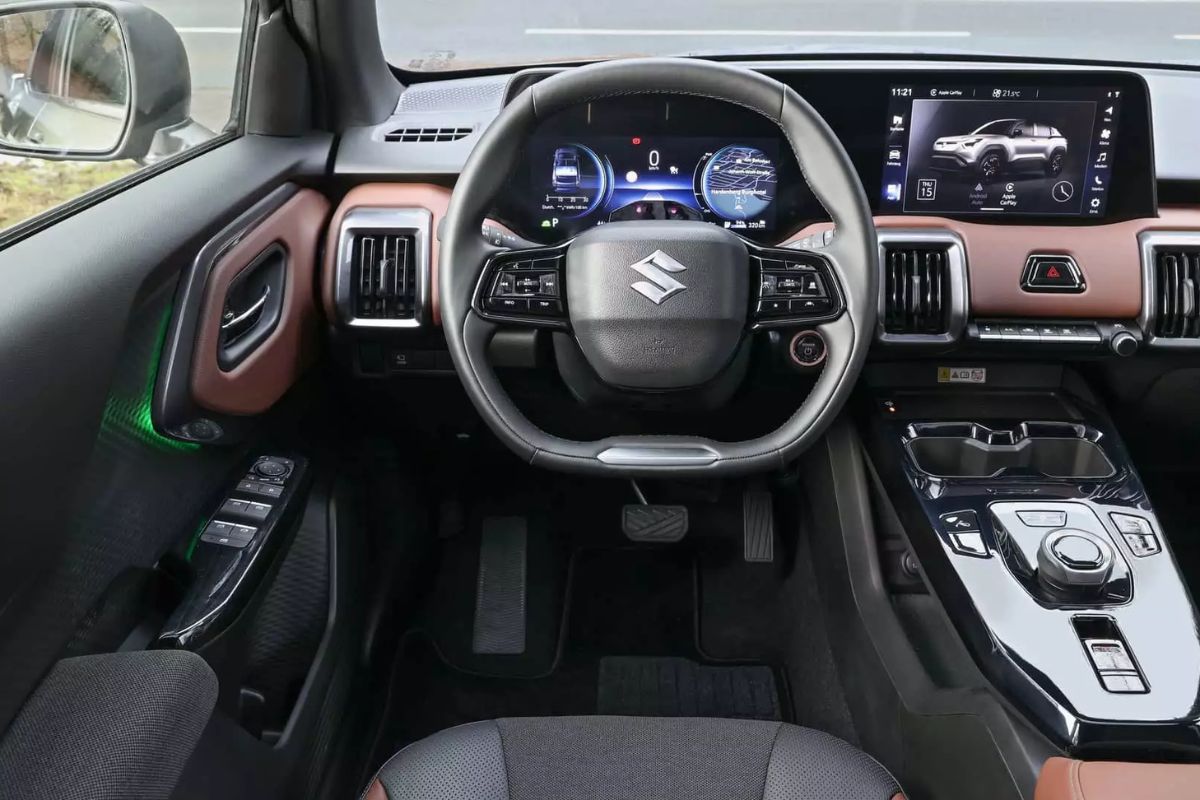
The 2026 electric Vitara arrives in Brazil and proves that Suzuki is not leaving: 4×4 traction, 184 hp, 61 kWh LFP battery, 293 km range, R$ 259,000, and a trunk capacity of 224 L.
-
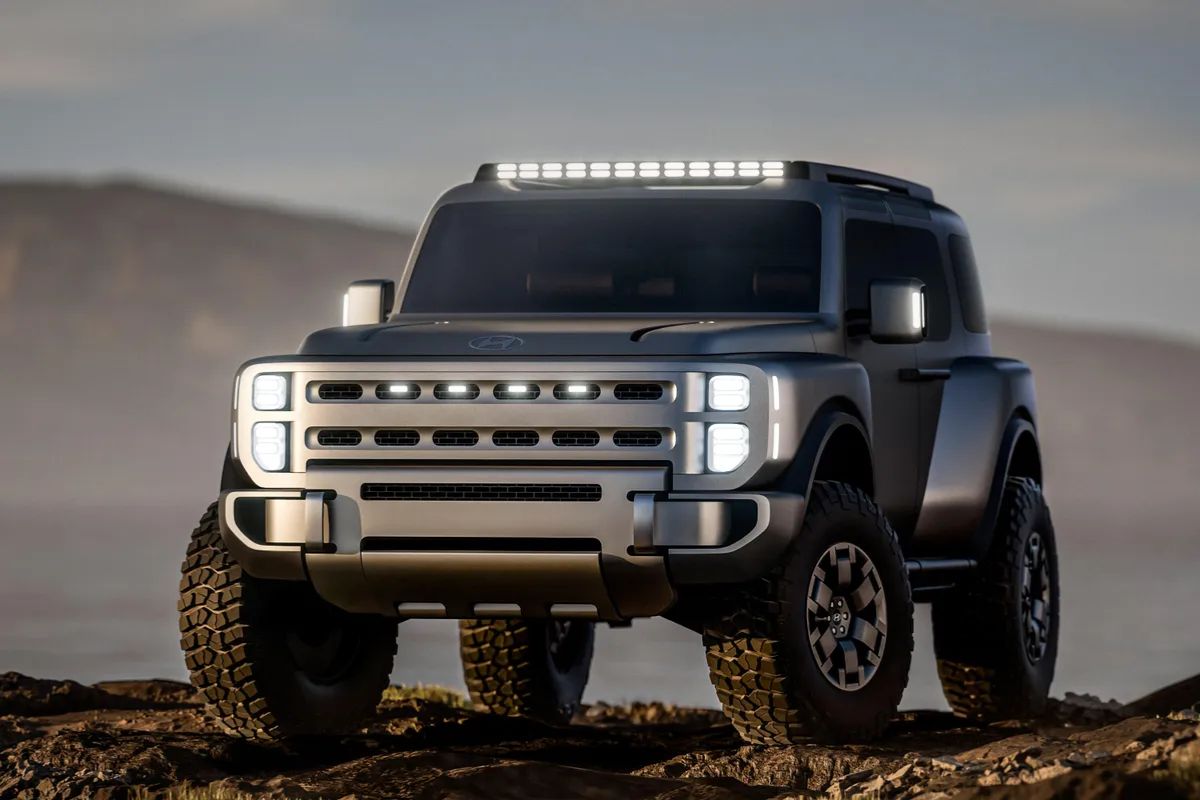
Hyundai has unveiled the Boulder, a square SUV with a body-on-frame design, 37-inch mud tires, and carriage-style doors that seems to be made to take on the Ford Bronco and the Scout Traveller in the United States.
-
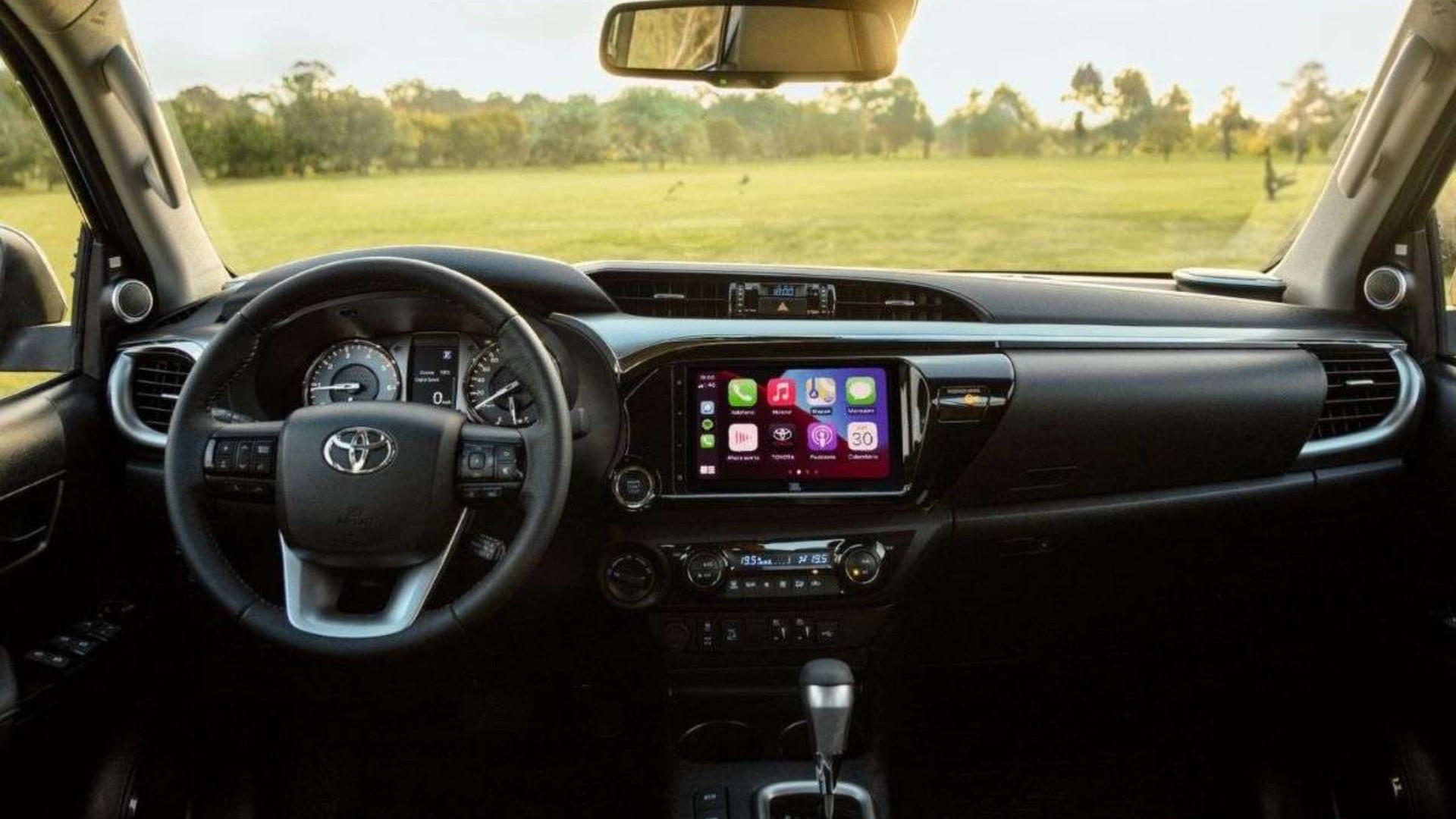
The Toyota Hilux is R$ 75.5 thousand cheaper and bets on the 2.8 turbodiesel engine with up to 204 hp and 50.9 kgfm to catch up with the VW Saveiro, which leads with 4,472 sales.
-
The new Renault Koleos has a screen exclusively for the passenger that is invisible to the driver, heated rear seats, and 29 assistance systems, but its Chinese competitors cost R$ 40,000 less and deliver more power.
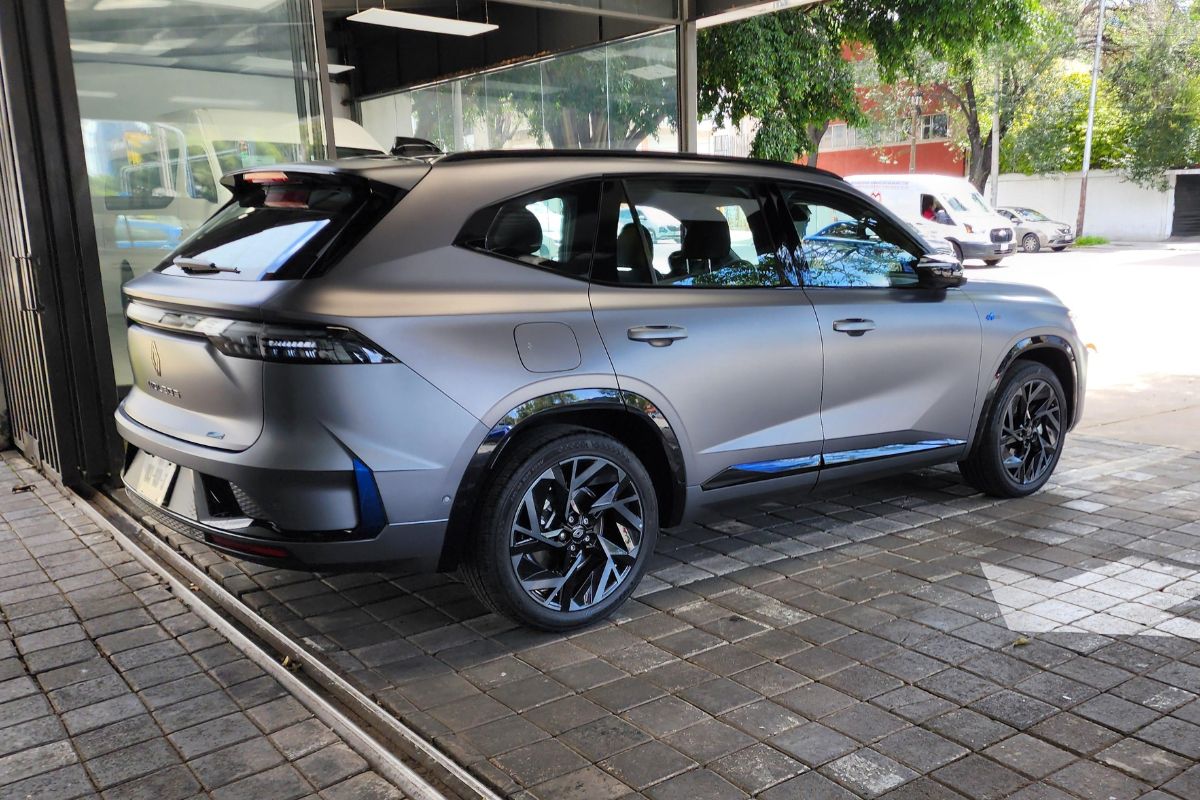

VW Tera: The Car That Conquered Brazil in Minutes
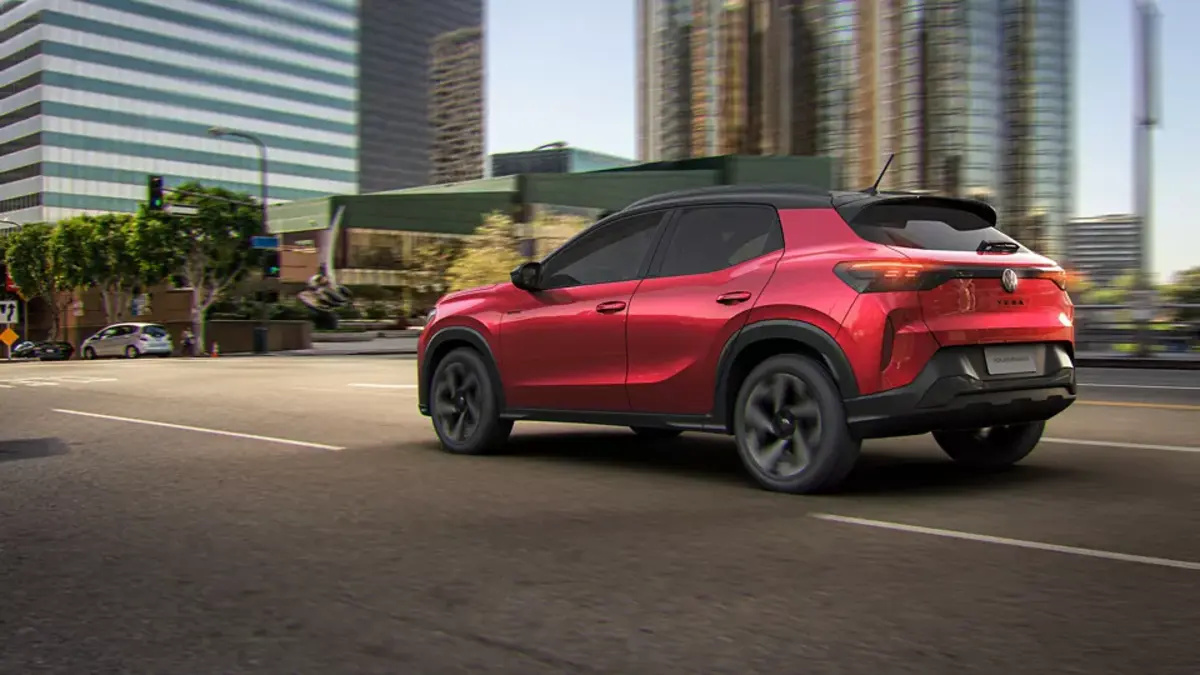
In an impressive phenomenon, the model received around 12,000 orders in just 50 minutes after the pre-sale opened.
This massive volume of interest demonstrates the Brazilian consumer’s appetite for affordable vehicles with the quality of the Volkswagen brand.
The meteoric success of the VW Tera can be attributed to several factors, including its modern design, embedded technology, and, most importantly, its competitive price range.
With prices ranging from R$ 105.8 thousand to R$ 148.8 thousand, the Tera has positioned itself as an attractive option.
The expectations surrounding the model are enormous, and the waiting list to buy the VW Tera is proof of that.
Challenges in Production and Impact on Other VW Models
Despite the sales success, Volkswagen has struggled to produce the Tera according to demand.
The Taubaté plant, responsible for manufacturing the model, is also the assembly line for the Polo, another model that has seen a significant increase in sales since the launch of the Sustainable Car Program, which offered incentives for more affordable vehicles.
This simultaneous high demand for two important models from the brand has created bottlenecks in the production of the VW Tera, contributing to the long waiting list.
Interestingly, the strong demand for the VW Tera has benefited other Volkswagen models.
The long waiting list to buy the VW Tera has led some consumers, eager for a new car from the brand, to reconsider their options and choose the compact SUVs Nivus and T-Cross.
Both models, although more expensive than the Tera, offer attractive design, a good equipment package, and the reliability of the German brand.
The Nivus prices start at R$ 119.9 thousand and go up to R$ 163.2 thousand, while the T-Cross portfolio ranges from R$ 119.9 thousand to R$ 191.9 thousand. This shift in interest demonstrates the strength of the Volkswagen brand in the Brazilian market.
Detailed Technical Sheet of the VW Tera
The VW Tera stands out not only for its price but also for its specifications that position it as a competitive option.
The models come with two engine options:
- 1.0 MPI Engine (entry-level version): This aspirated three-cylinder engine generates up to 84 hp (with ethanol) and 77 hp (with gasoline), with a torque of 10.3 kgfm (with ethanol) and 9.6 kgfm (with gasoline). The transmission is a five-speed manual. With this configuration, the Tera accelerates from 0 to 100 km/h in 13.8 seconds with ethanol.
- 1.0 TSI Engine (intermediate and top versions): This turbo flex three-cylinder option delivers up to 116 hp (with ethanol) and 109 hp (with gasoline), and a torque of 16.8 kgfm with both fuels. The transmission can be a five-speed manual or a six-speed automatic. With this engine, acceleration from 0 to 100 km/h can be achieved in 10.1 seconds.
Besides the engine options, the VW Tera has dimensions that classify it as a compact SUV, measuring 4.15 meters in length, 1.78 meters in width, and 1.50 meters in height.
The trunk has a capacity of 350 liters, and the car comes with six airbags (front, side, and curtain), ABS brakes, traction and stability control, hill-start assist, and autonomous emergency braking, depending on the version.
The Future of Production and Consumer Satisfaction
Volkswagen’s major challenge now is to balance the production of the VW Tera to meet the massive demand without compromising the production of other important models like the Polo, and also to maintain the sales pace of the Nivus and T-Cross that have been boosted by the “Tera effect.”
The company will need to invest in its production capacity or find logistical solutions to reduce the waiting time for consumers of the model.
Customer satisfaction for those awaiting their vehicles is crucial for the brand’s long-term reputation.
The phenomenon of the waiting list to buy the VW Tera and the positive impact on the sales of Nivus and T-Cross demonstrate the potential of the Brazilian market and the strength of the Volkswagen brand.
It remains to be seen how the automaker will ensure that the high demand translates into actual sales and the consolidation of the VW Tera.









-

-

4 pessoas reagiram a isso.