





 Portuguese
  English
  Spanish
  6 min of reading
  0 comments


In The Japanese Vending Machine Park, Over 150 Machines for Food, Drinks, and Retro Curiosities Continue Operating with Hot Menus Prepared on the Spot, Patient Manual Maintenance, Preserved 1970s Mechanisms, and an Experience That Blends Nostalgia, Simple Technology, and Japanese Pop Culture for Fans of Authentic Fast Food
In an apparently ordinary corner of Kanagawa, the Japanese vending machine park transforms a used tire market into a corridor of lights, buttons, and mechanical sounds that have been working since the 1970s. There, machines that would be scrap metal are serving hot dishes, drinks, and small automated surprises.
In the tight rows, visitors find curry rice, udon, soba, hamburgers, toasted sandwiches, bottled soda, freshly squeezed juice, and even fortune tickets. Everything comes from vintage metal cabinets, hand-adjusted by owner Saito, who rebuilt it piece by piece to keep this Japanese vending machine park alive as a sanctuary of automatic culture.
A Japanese Vending Machine Park Hidden Among Tires and Nostalgia

The location was born from a simple service problem.
-
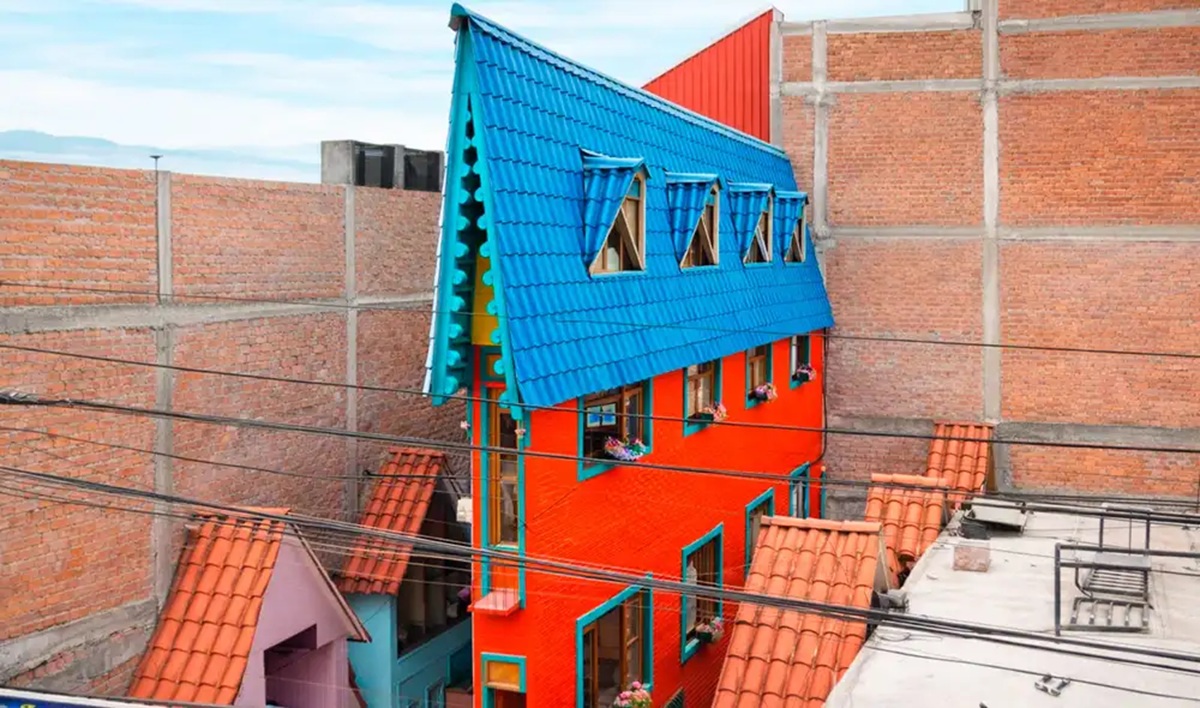
The narrowest house in the world is only 63 centimeters wide, but inside it can accommodate a bathroom, kitchen, bedroom, office, and even two staircases.
-
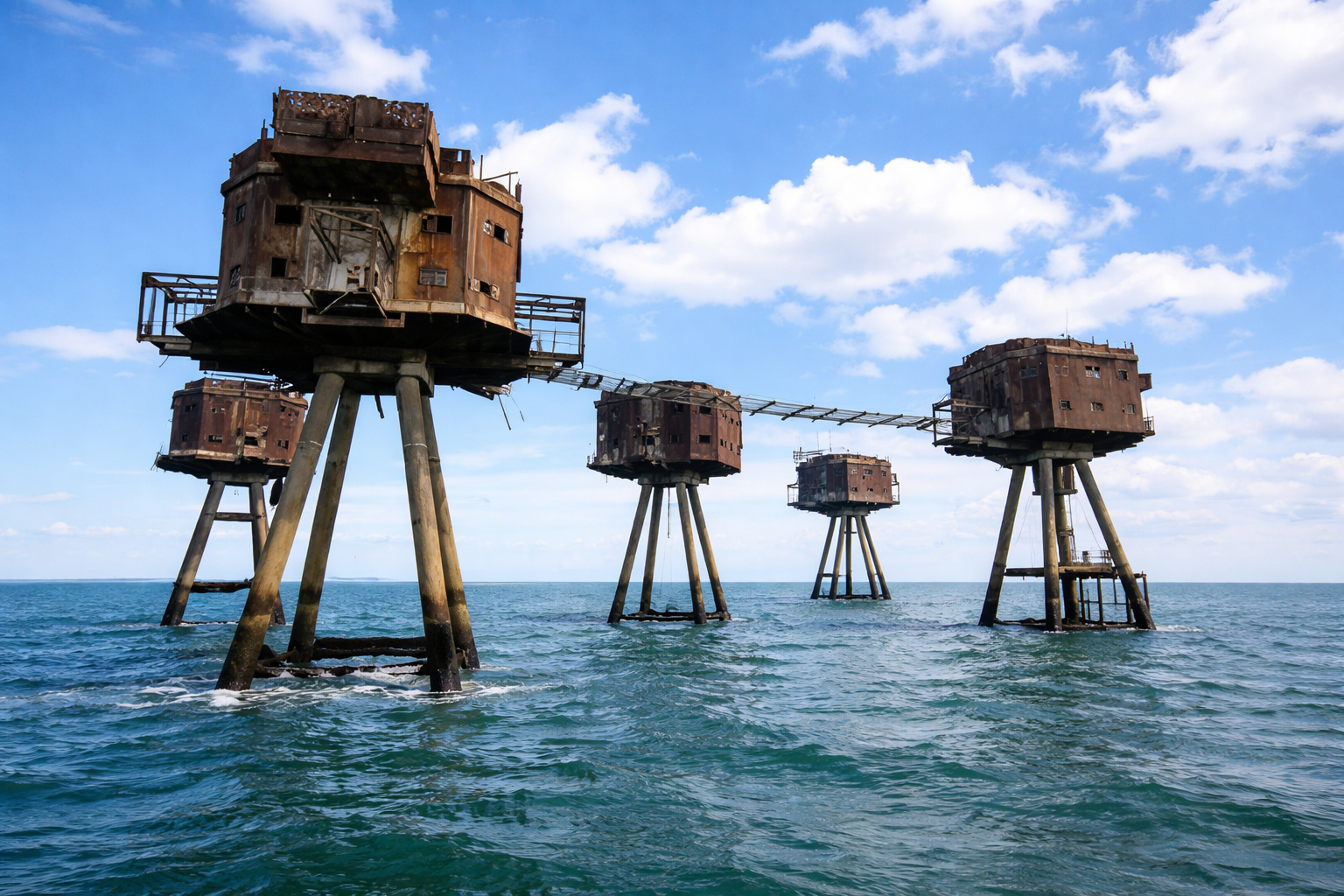
In the middle of the sea, these enormous concrete and steel structures, built by the British Navy to protect strategic maritime routes, look like they came straight out of a Star Wars movie.
-
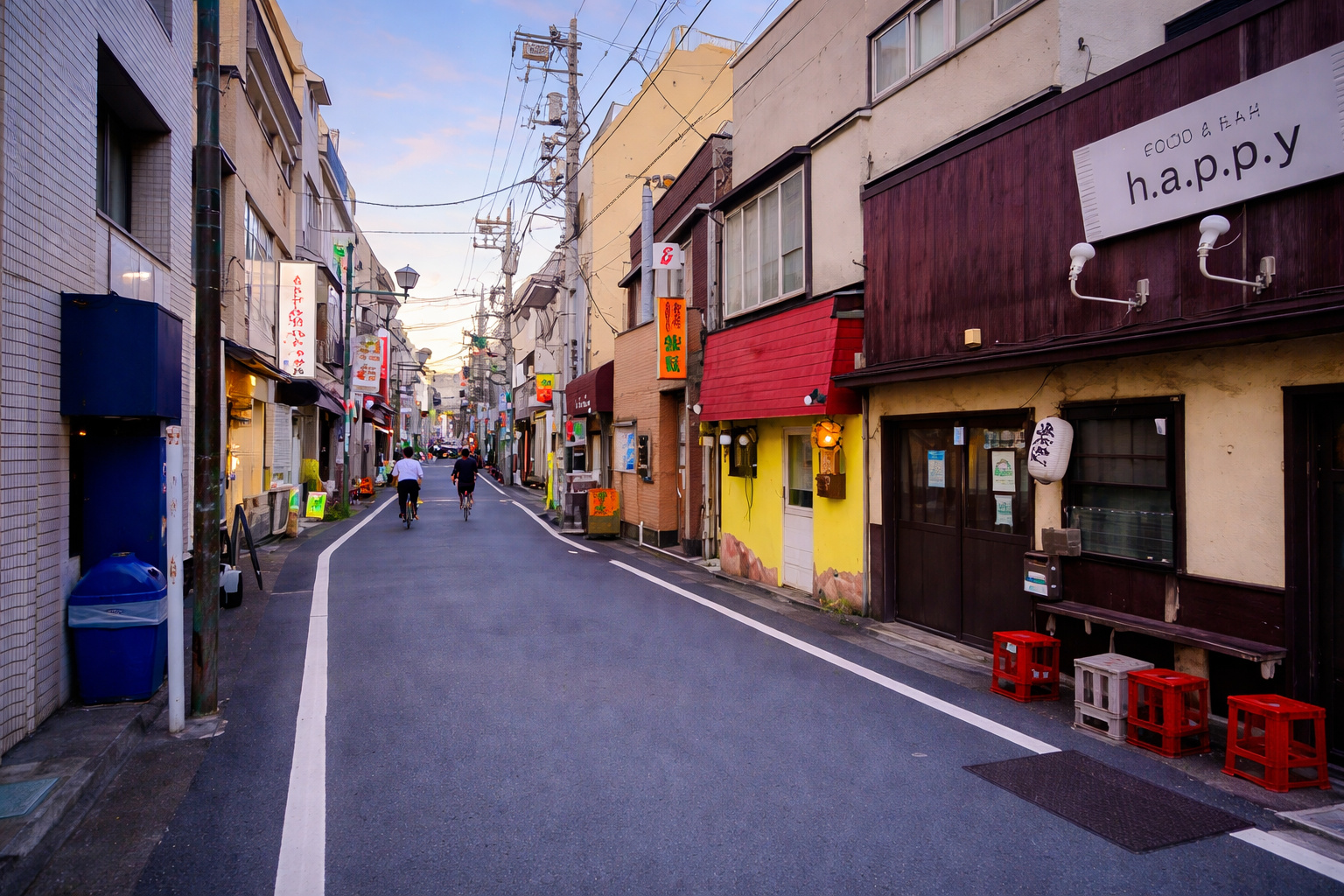
For years, no one could cross a neighborhood in Tokyo because of the tracks, but an impressive solution changed mobility and completely transformed the local routine.
-
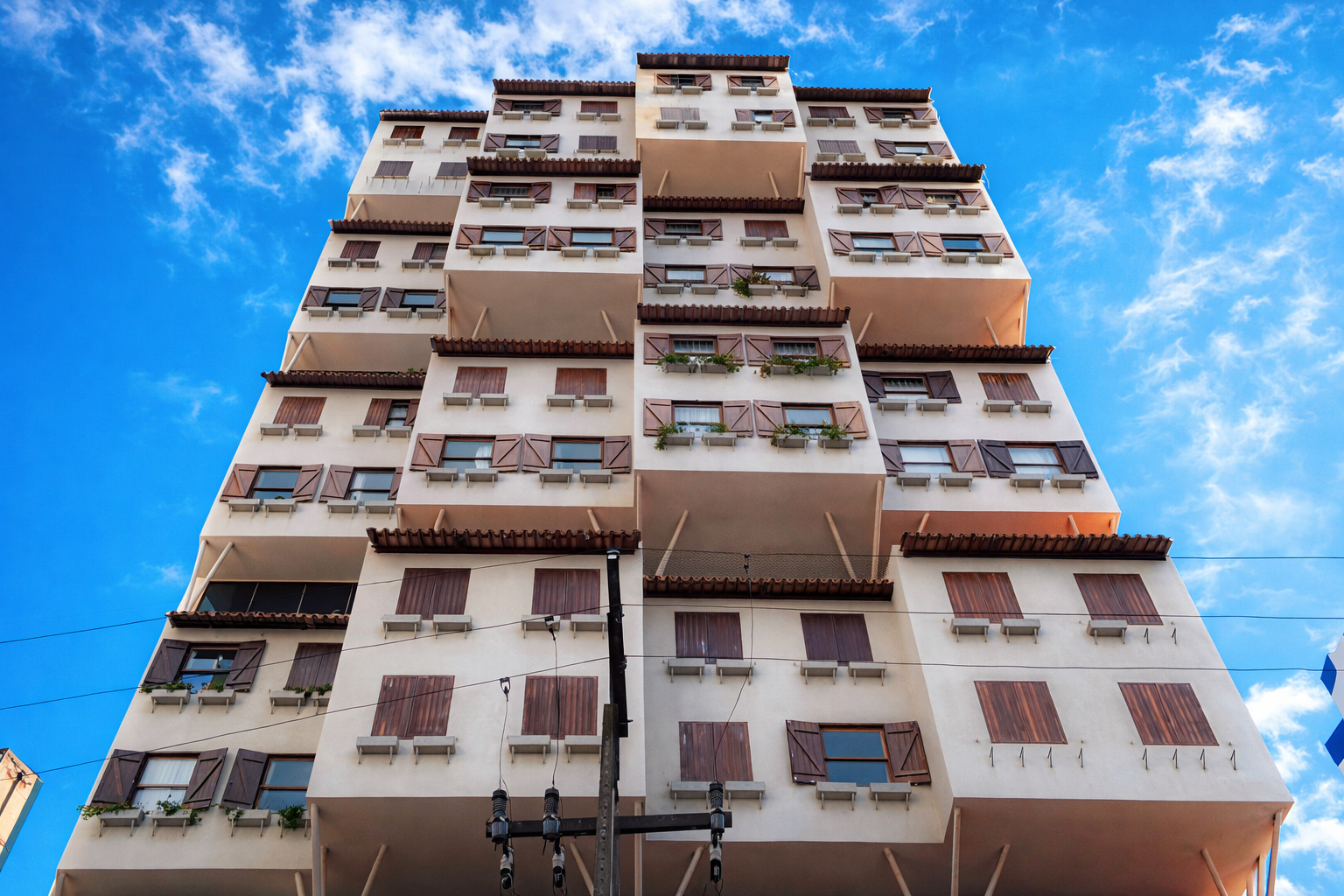
With 15 floors, an unusual building in Curitiba uses concrete, pilasters, and exposed roofs to create the effect of stacked houses.
The main activity remains the tire shop, where customers can wait up to two hours for service.
To make this wait less monotonous, automatic machines were gradually installed in the side area, starting with around five units.
Over time, curiosity overcame the original purpose.
Visitors stopped coming solely for the tires and began to go there to experience the Japanese vending machine park, which now has around 150 machines in operation.
Many of them are rare models, with layouts, buttons, and mechanisms that hardly exist in operation anymore in Japan.
A large portion of the equipment came in precarious condition, acquired at a low cost when they were still seen as scrap.
Saito dismantled, restored, and adjusted the internal engineering, creating a living collection of electromechanical technology that continues to deliver products in just a few seconds.
Hot Menus Prepared on the Spot Inside Metal Cabinets

What makes the Japanese vending machine park different from a common self-service area is the type of menu.
Instead of just snacks and cold drinks, the space offers hot meals prepared on the spot, using a combination of manual pre-preparation and automatic heating cycles.
In the curry rice machine, portioned packets are placed inside, beside compartments of hot rice.
When the button is pressed and the timer starts, the system heats the curry, combines it with the rice, and delivers the assembled dish.
The result is a homestyle curry served in a few minutes without the customer seeing directly inside the machine.
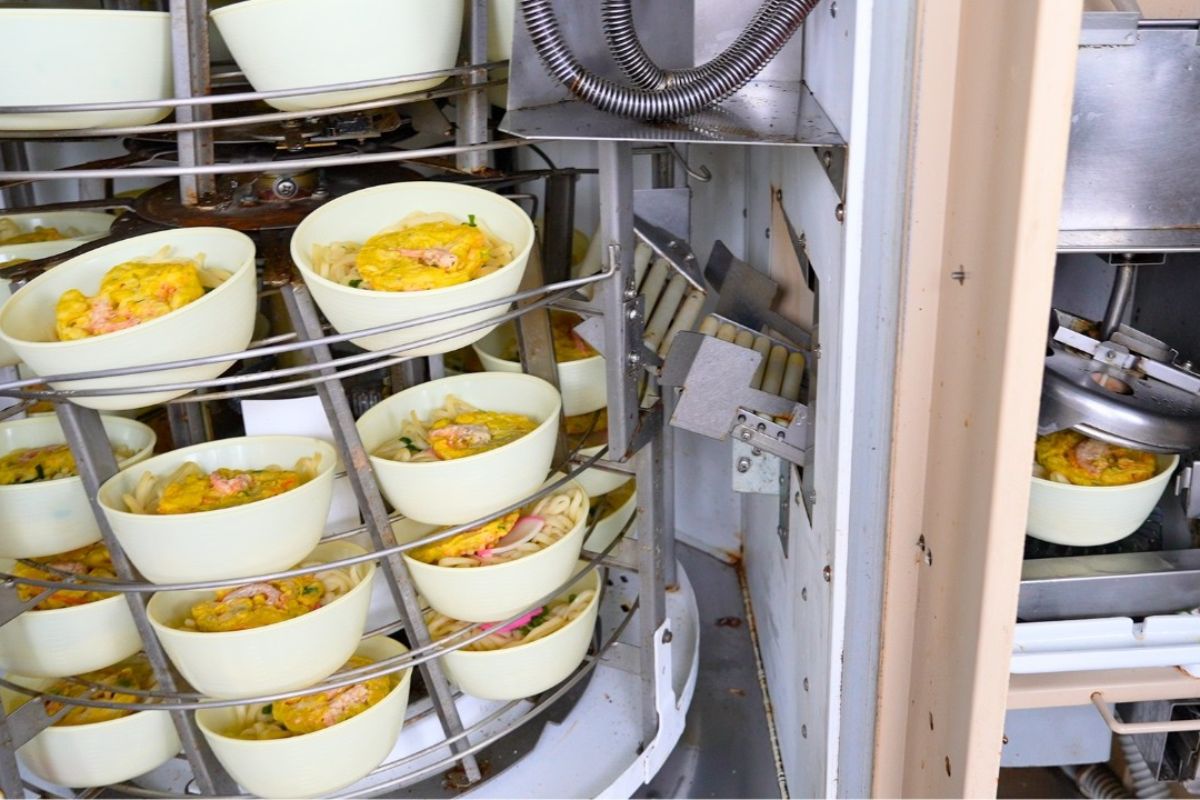
In the udon and soba machine, the process is even more ingenious.
The kitchen prepares the noodles, dashi broth, green onions, kamaboko, and vegetable tempura in advance.
Udon and soba are stored in separate compartments, organized by type.
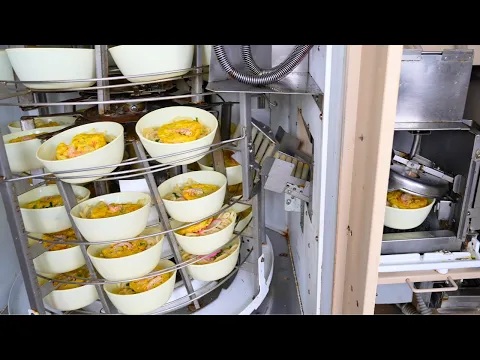
When a customer chooses a dish, the basket with the noodles moves, water is drained by centrifugal motion, and the broth is poured in afterward, preserving ideal texture and temperature.
The Japanese vending machine park also includes equipment dedicated to hamburgers heated in about 60 seconds, toasted ham and cheese sandwiches, canned meat toast, and red miso soup.
All processes are timed, repetitive, and standardized, but rely on daily manual restocking to maintain quality and safety.
Technical Rarities: From Sealed Cup Noodles to 60-Year-Old Gum

The technical dimension of the Japanese vending machine park appears in engineering details that have practically disappeared from the market.
One example is the Nissin instant noodle machine. Instead of opening the lid to add water, the equipment itself injects hot water through the closed lid, respecting the hydration time of the noodles.
If the customer removes the lid, the cycle doesn’t work properly, highlighting an operating logic designed for the original usage behavior in the 1970s.
Another rarity is the gum machine, considered the oldest in the collection, at about 60 years old.
The mechanism operates with typical instability due to age, and the price had to be updated from 20 to 100 yen to offset the cost of the product and maintenance, keeping the operation close to the original.
The omikuji machine, responsible for issuing traditional fortune tickets, reproduces in the Japanese vending machine park a common practice in shrines, but adapted to a self-service environment.
For a small amount, visitors receive a good luck paper and can tie it at the site, creating a connection between religious culture, fast consumption, and emotional memory.
Completing the collection is a Coca-Cola bottle display, orange juice machines with fruits squeezed in front of the user, and other retro models that require specific parts, frequent lubrication, and continuous mechanical adjustments.
Artisanal Engineering to Keep 1970s Machines Operational
Maintaining a Japanese vending machine park with dozens of machines from the 1970s in operation requires technical knowledge that is no longer found in factory manuals.
Many manufacturers no longer produce components, and the learning curve is built through practice, trial, and error.
When some of these machines were purchased, they were in critical condition.
Dry cables, damaged heating systems, inaccurate timers, and oxidized control boards required nearly complete reconstruction.
The restoration became a work of artisanal engineering, where each cabinet is treated as a unique piece of historical hardware.
Today, the increasing demand for retro experiences has skyrocketed the prices of old vending machines, making it harder to expand the collection.
The focus has shifted to preserving what already exists, ensuring that the Japanese vending machine park continues to offer not only products but also real demonstrations of how consumer automation was envisioned half a century ago.
Automatic Culture, Foreign Visitors, and Japanese Collective Memory
The audience of the Japanese vending machine park goes far beyond local residents. There are reports of foreign visitors arriving from places like California, attracted by the combination of hot menus, retro aesthetics, and technological curiosity.
For many, it’s a way to experience post-war Japan without entering a conventional museum.
The sensory experience is a central part of the appeal. Large buttons, vintage signs, sounds of analog timers, and the aroma of freshly toasted bread create an atmosphere that blends nostalgia with comfort food.
The ramen served on cold days, tempura udon, the hamburger remembered as a school club snack, and the bottled Coke connect different generations around the same metal panel.
At the same time, the Japanese vending machine park serves as a material record of Japanese automatic culture, which spread throughout the country in train stations, offices, and urban corners.
There, concentrated in one place, are examples of machines that have mostly been replaced by digital models, touch screens, and systems without physical cash.
Why The Japanese Vending Machine Park Still Matters
In a scenario dominated by app payments and digital interfaces, the Japanese vending machine park preserves a format of automation based on pure mechanics, physical coins, and simple operational logic.
Each dish served there is, at the same time, a meal, a demonstration of engineering, and a fragment of Japanese collective memory.
For technical culture, the space offers a real laboratory for maintaining old electromechanical systems, from the hot water boiler to the sensor that releases a bottle.
For pop culture, it delivers photographic scenes, childhood stories, and a direct line to the 1970s and 1980s.
In the end, the Japanese vending machine park shows that technologies considered simple remain relevant when they combine reliability, sensory experience, and emotional connection.
The line in front of a hot udon or toast machine proves that analog automation still has an audience, economic value, and cultural importance.
Which dish would you choose first in this Japanese vending machine park: the tempura udon, the retro curry rice, the hamburger heated in 60 seconds, or the freshly squeezed orange juice?




-

-

5 pessoas reagiram a isso.