





 Portuguese
  English
  Spanish
  3 min of reading
  0 comments


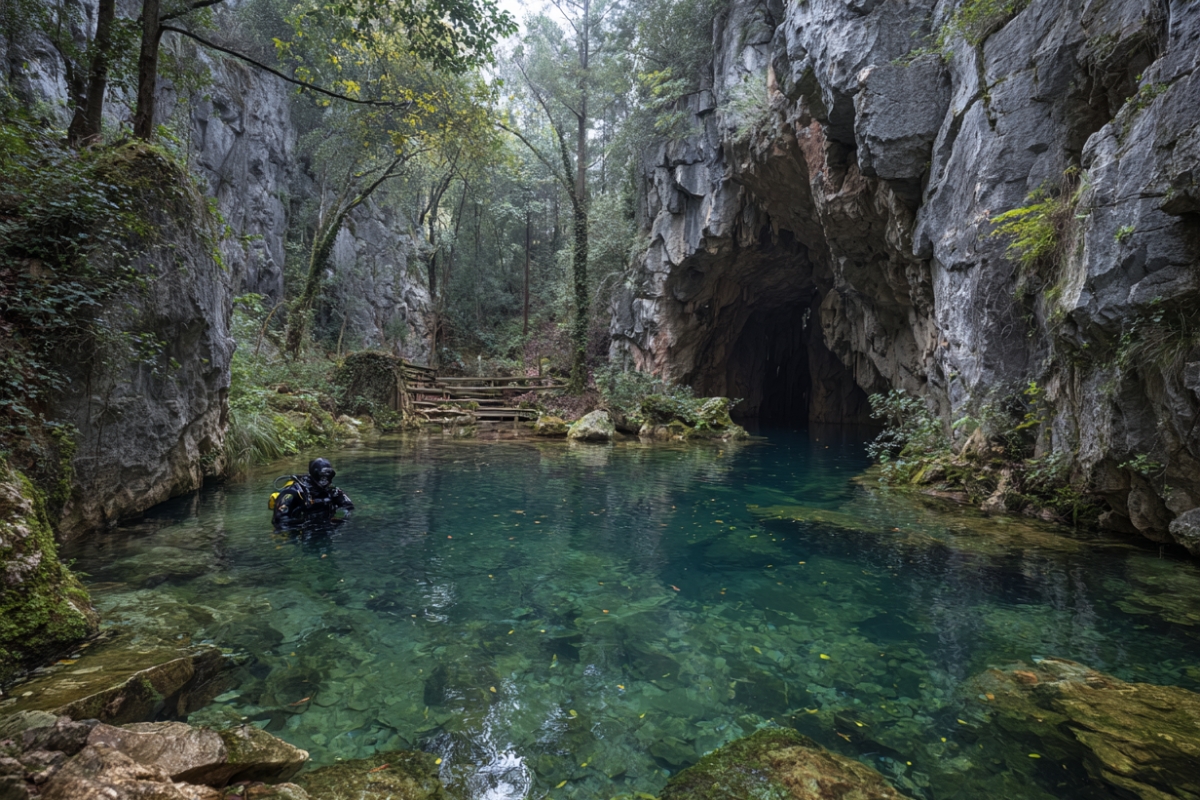
A Flooded Abyss Combines Record Depth, Mineralized Water, and Robotic Technology in One of the Most Dangerous Underwater Environments on the Planet
The scene resembles an abandoned quarry taken over by water, with vertical rock walls and an unusually colored lake. What appears to be just an isolated well is, in practice, one of the deepest flooded formations ever measured in freshwater.
With over 400 meters of confirmed depth, the site has ceased to be just a geological curiosity and has started attracting technical divers, scientists, and underwater robots, interested in discovering how far this cavity really extends.
The Cavity in the Czech Republic That Has 69.5 Meters Above Water and More Than 400 Meters Underwater
Known as Hranice Abyss, the cavity is located in the Moravia region of the Czech Republic and impresses with its dimensions. The dry part reaches 69.5 meters, before giving way to a water surface that drops almost vertically.
-
Home environment can influence the brain, mood, and well-being: studies indicate an increase of up to 15% in productivity, a reduction of 12% in stress with plants, and a direct impact of the circadian rhythm on the 24 hours of the day.

-
A Brazilian millionaire couple restores a farm over 150 years old in the interior of São Paulo and transforms the historic property with Portuguese tiles, antique furniture, and new spaces into a refuge that blends tradition, comfort, and sophistication.

-
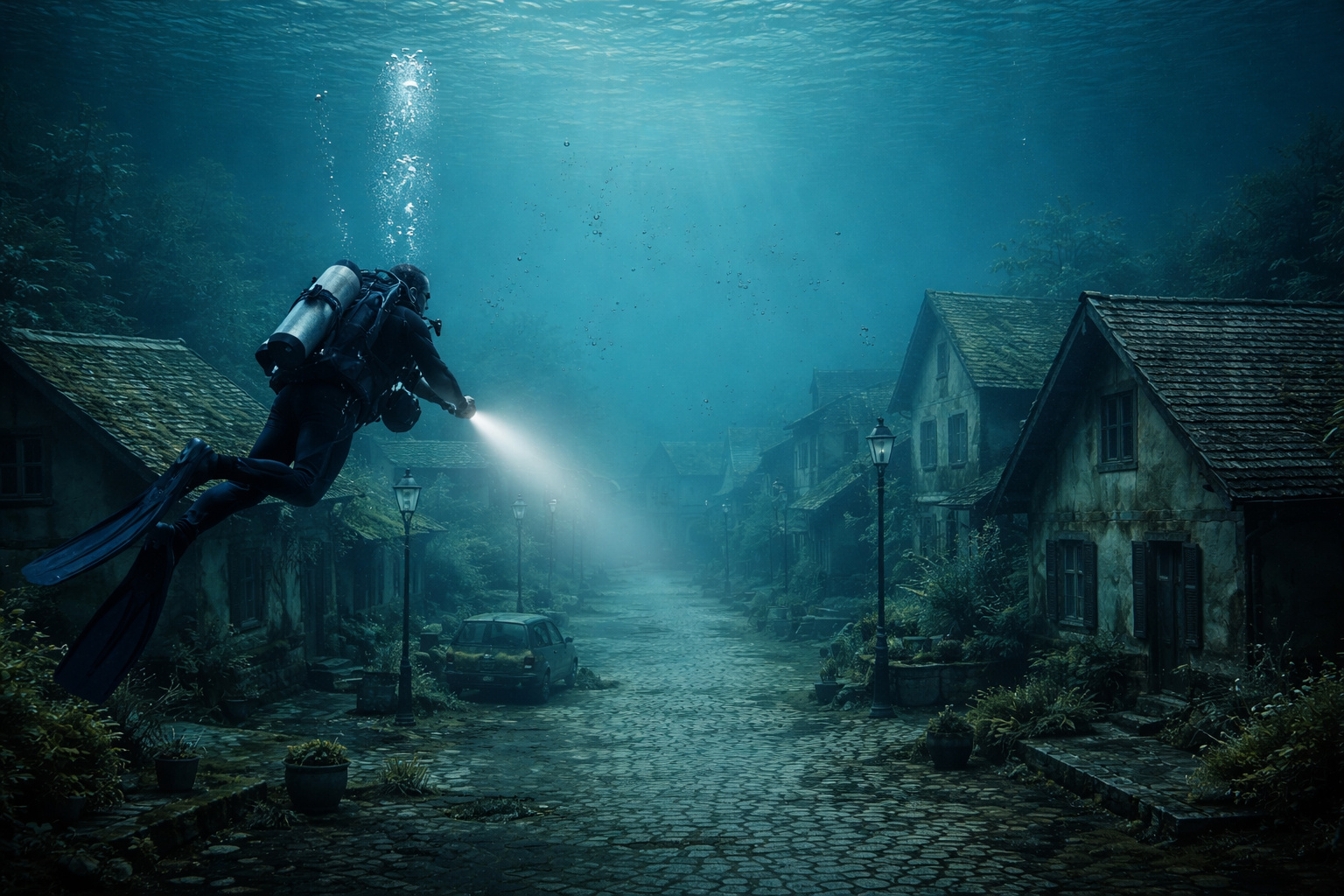
Submerged city in a lake in Minas reveals intact streets, preserved vehicles, and houses after more than 60 years, impressing divers.
-
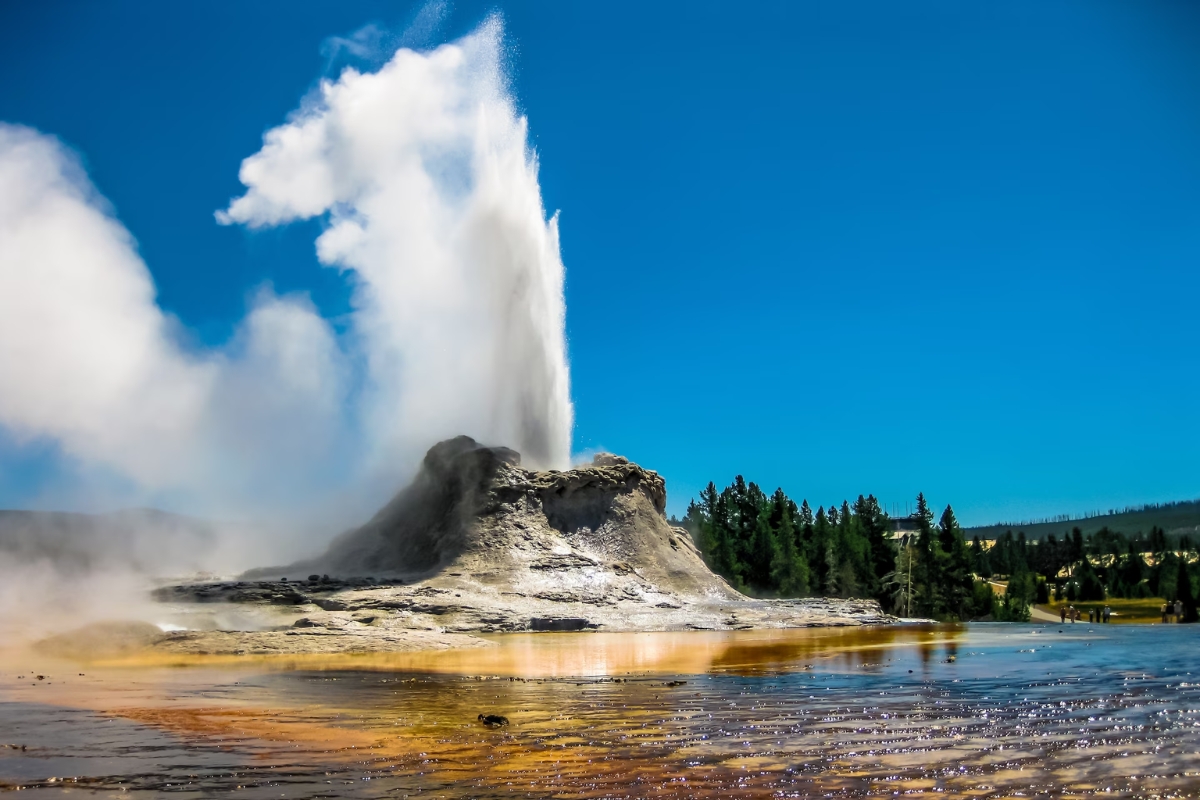
Yellowstone has started to rise again in an area of the caldera, and the movement rekindles fears surrounding the U.S. supervolcano, as scientists monitor the deformation and try to understand what is happening underground.

In 2016, a remotely operated underwater vehicle descended to 404 meters without touching the bottom. The limit was not imposed by the rock, but by the technical capacity of the equipment, which was enough to place the site at the top of the world records for freshwater depth.
The Extreme Depth That No Diver Can Reach

Some human expeditions have reached marks close to 265 meters of depth, a level considered extreme even within advanced technical diving. Beyond this point, the risks increase rapidly and are difficult to control.
High pressure, the need for special gas mixtures, and decompression time make any human advancement beyond that unfeasible. For this reason, new explorations have come to rely exclusively on underwater robots, capable of operating where the human body cannot sustain.
Why the Water Changes Color Inside the Cavity
The greenish or bluish color observed in the lake catches attention at first glance. This effect is linked to the mineral composition of the water, rich in dissolved elements and with a high presence of carbon dioxide.
The system receives contributions from deep waters and thermal springs, which alters how light behaves inside the cavity. The combination of depth, light-colored walls, and low presence of organic matter enhances this unusual visual aspect.
High Temperatures Even at Great Depths
Despite the extreme depth, the water does not present low temperatures as one would expect. Measurements indicate variations between 15 °C and 22 °C, a behavior associated with the geothermal activity of the system.
This thermal pattern indicates that the cavity is not fed solely by surface infiltrations but by deep flows that keep the environment active throughout the year.
A Dangerous Environment Even for Modern Equipment

In addition to the depth, the interior of the cavity features narrowing, siphons, and accumulation of logs and branches, which hinder underwater navigation. Internal currents and chemical variations further increase the level of risk.
These characteristics explain why the site is considered one of the most dangerous freshwater diving spots in the world, restricted to specialized research and highly controlled operations.
Why Scientists Believe the Cavity May Be Even Deeper Than the 400 Meters Already Measured
There are indications that the cavity may be even deeper than current measurements can record. Studies indicate the possibility of continuity beyond already explored levels, although without definitive confirmation.
For this reason, the site continues to function as a unique natural laboratory, where science, technology, and physical limits meet. Each new robotic descent expands knowledge about deep subterranean systems and how far engineering can advance in extreme environments.
The combination of record depth, mineralized water, and virtually impossible access for humans has transformed this flooded cavity into one of the most intriguing scenarios in the world, where the bottom remains out of reach.








-

Uma pessoa reagiu a isso.