





 Portuguese
  English
  Spanish
  5 min of reading
  0 comments


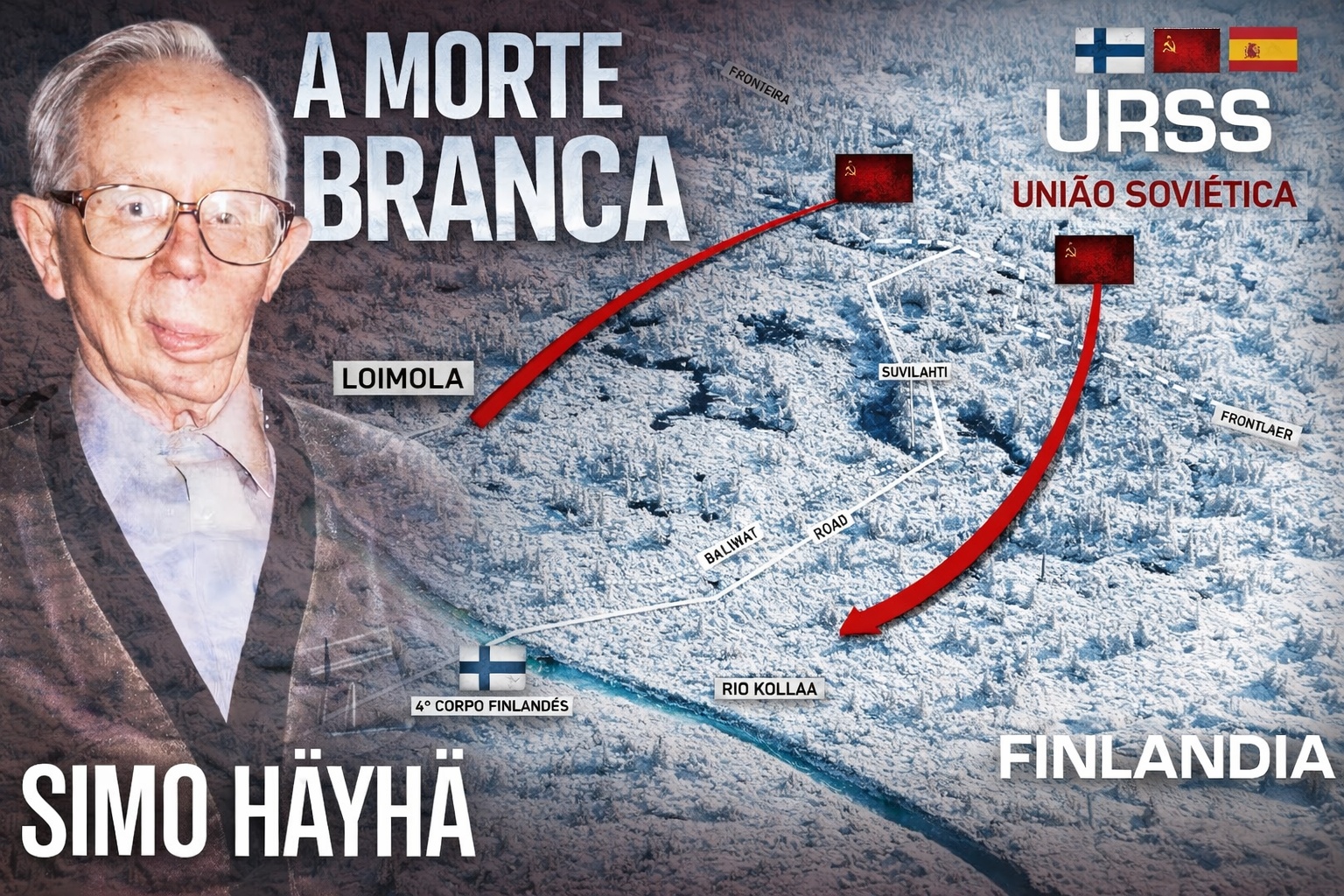
During the Winter War, Simo Häyhä eliminated more than 500 Soviet soldiers using only iron sights, snow camouflage, and extreme survival tactics, becoming the most lethal sniper in history.
Simo Häyhä was born in 1905, in a small rural community in Finland, near the border with Russia. Farmer, experienced hunter, and member of the Finnish Civil Guard, he led a simple life until November 1939, when the Soviet Union invaded Finland, marking the start of the so-called Winter War.
The conflict pitted a small country of about 3.7 million inhabitants against one of the world’s largest military powers. In numbers, the disadvantage was brutal: hundreds of thousands of Soviet soldiers advanced over frozen forests, while the Finns relied on few resources, limited weaponry, and an extremely harsh winter as an ally.
It is in this scenario that Simo Häyhä becomes a legend.
-
Home environment can influence the brain, mood, and well-being: studies indicate an increase of up to 15% in productivity, a reduction of 12% in stress with plants, and a direct impact of the circadian rhythm on the 24 hours of the day.

-
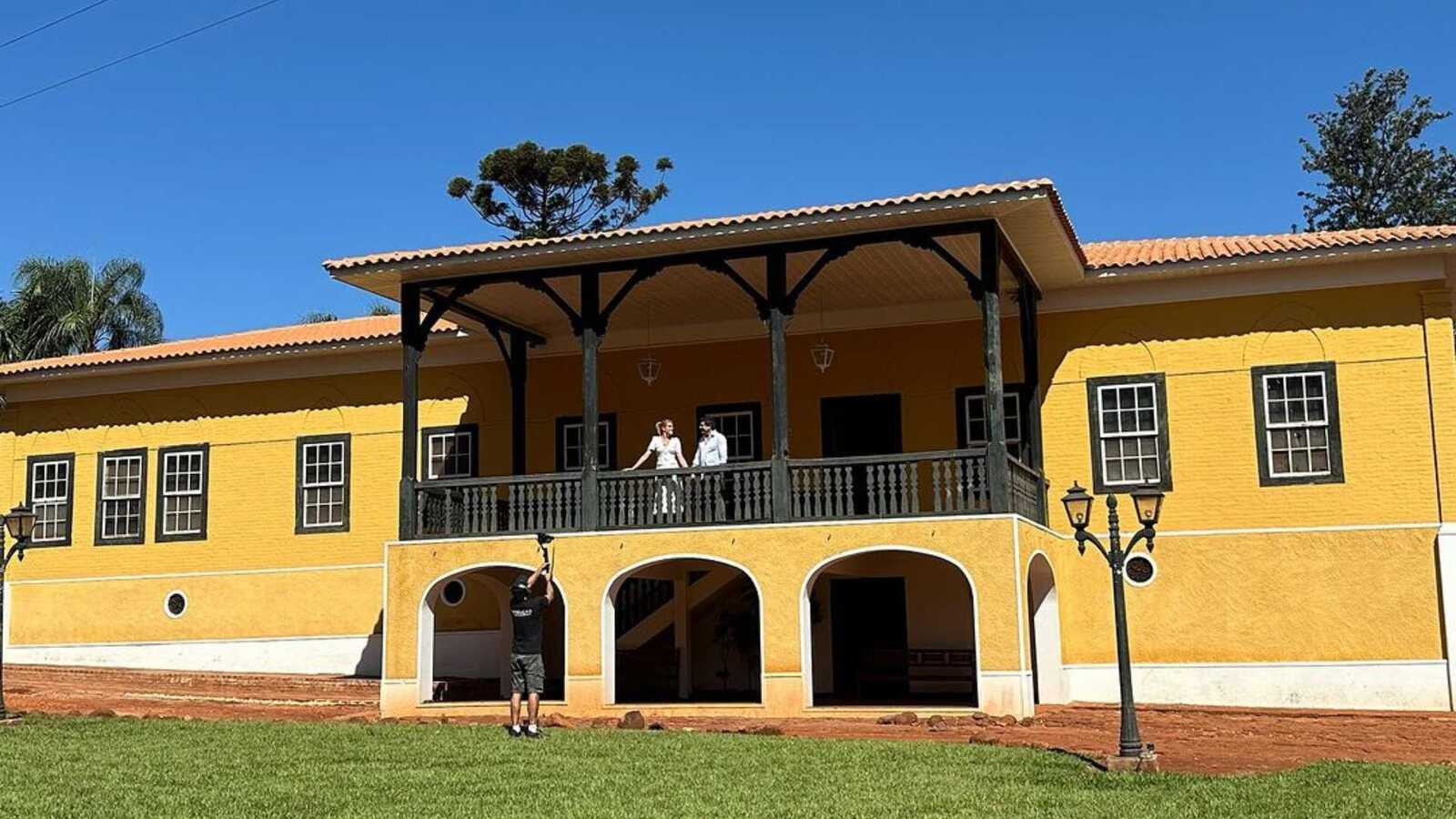
A Brazilian millionaire couple restores a farm over 150 years old in the interior of São Paulo and transforms the historic property with Portuguese tiles, antique furniture, and new spaces into a refuge that blends tradition, comfort, and sophistication.
-
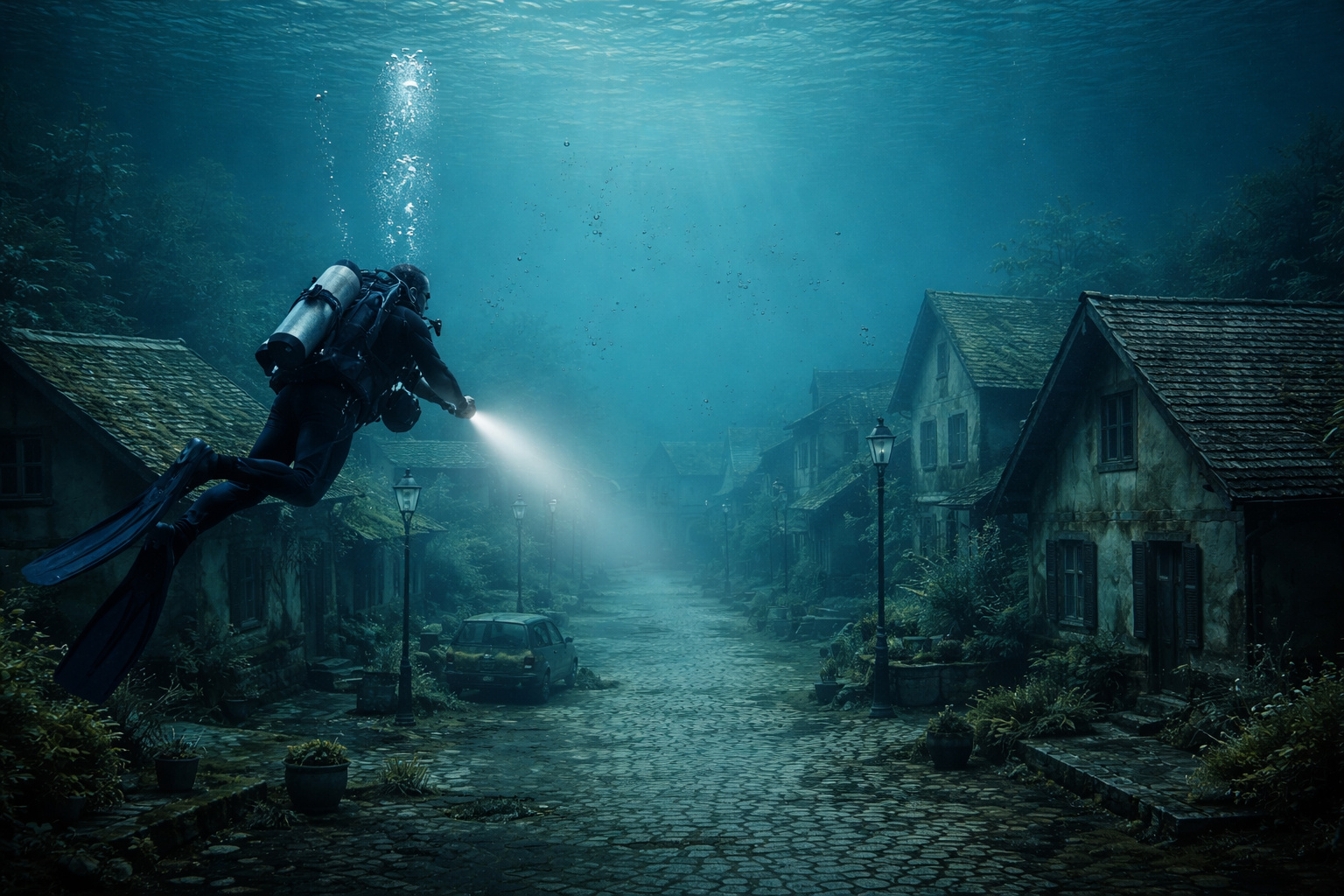
Submerged city in a lake in Minas reveals intact streets, preserved vehicles, and houses after more than 60 years, impressing divers.
-
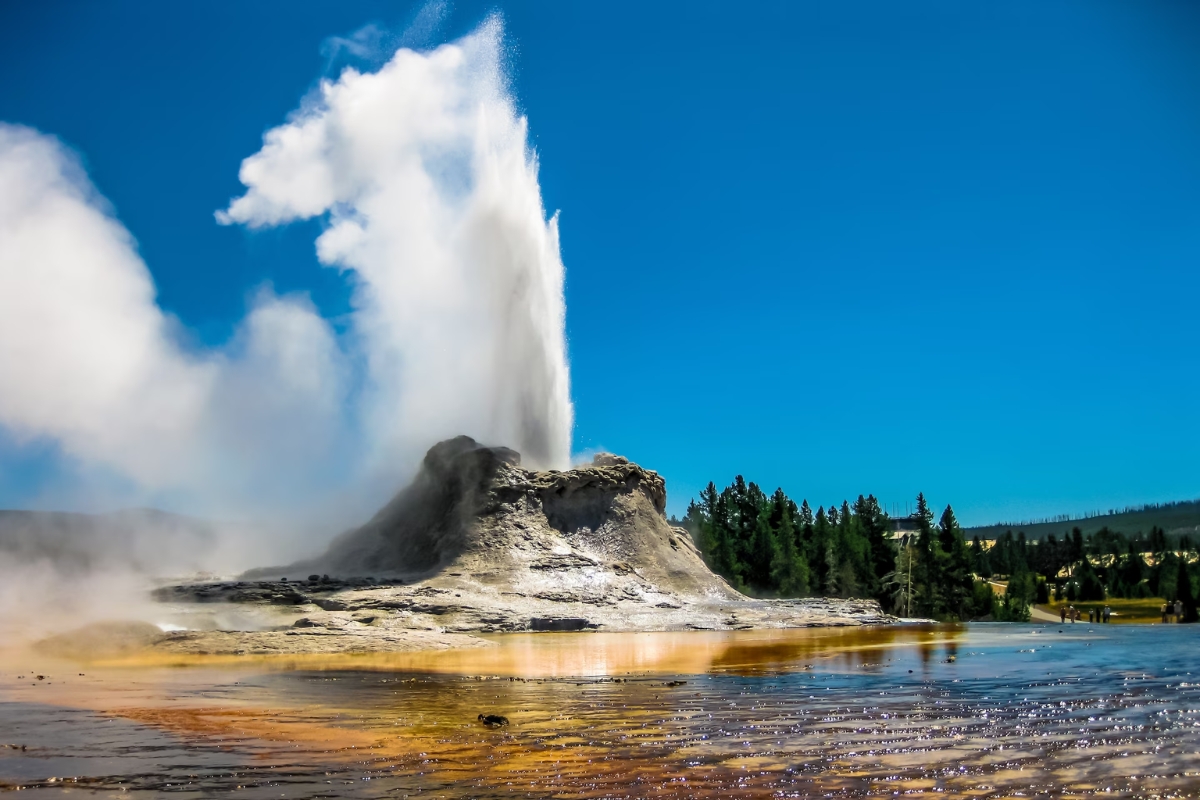
Yellowstone has started to rise again in an area of the caldera, and the movement rekindles fears surrounding the U.S. supervolcano, as scientists monitor the deformation and try to understand what is happening underground.

The Winter War and the Extreme Environment Where “White Death” Emerged
The Winter War took place between November 1939 and March 1940. Temperatures often plummeted to −30 °C or −40 °C, snow covered everything, and visibility was reduced by dense forests and irregular terrain.
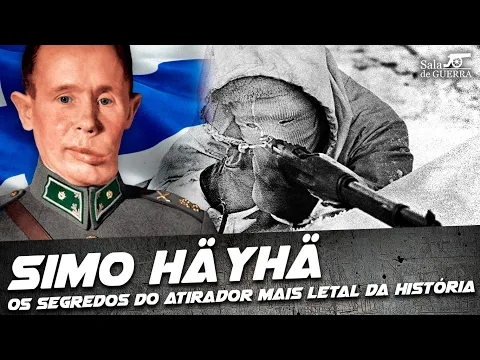

For the Red Army, used to mass operations and heavy equipment, the environment was hostile. For the Finns, who knew every trail, frozen lake, and line of trees, winter became a strategic weapon.
Simo Häyhä operated exactly in this context. Dressed entirely in white, motionless for hours and integrated into the landscape, he earned the nickname “White Death” from the Soviets — an invisible enemy who appeared only at the moment of firing.
Over 500 Enemies Neutralized: Numbers That Impress Even Today
Finnish military records attribute to Simo Häyhä more than 500 enemies neutralized with a precision rifle, a number achieved in less than 100 days of combat. Broader estimates, which include casualties caused by submachine gun in close confrontations, point to an even higher total.
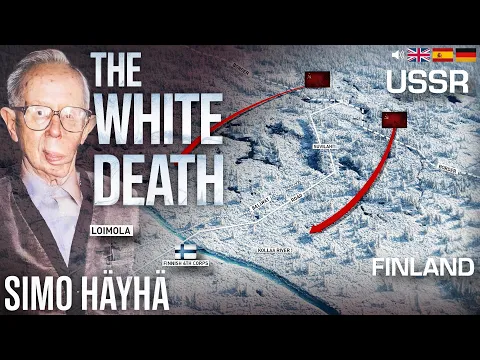
What makes this number even more impressive is the context:
- Fighting in extreme temperatures
- No modern technological support
- No advanced optics
- Under constant risk of artillery and counter-snipers
To this day, no other confirmed shooter has officially surpassed this number in such a short time, which makes Häyhä the most lethal sniper in documented history.
Why He Used Only Iron Sights, Even Though He Could Use Scopes
One of the most intriguing details of Simo Häyhä’s story is his conscious decision to not use a telescopic sight, even when they already existed.
The reasons were technical and strategic:
- Lens Reflection: scopes could reflect sunlight off the snow, revealing the shooter’s position.
- Taller Profile: using optics required lifting the head higher, increasing the risk of being seen.
- Reliability: in extreme temperatures, scopes could fog or freeze.
- Previous Training: Häyhä was an exceptional shooter with open sights, a result of years of hunting and military practice.
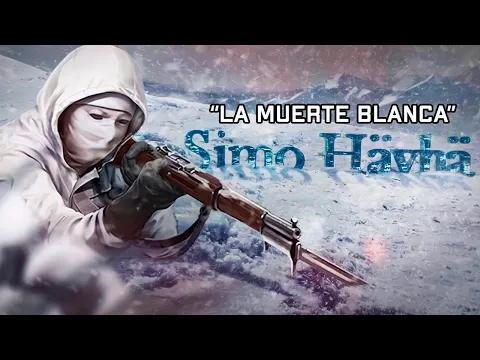
This choice reinforces the almost artisanal nature of his lethality: extreme precision based on human skill, not on technology.
Camouflage and Survival Techniques That Border on the Unbelievable
Simo Häyhä didn’t rely solely on marksmanship. He developed a set of techniques that made him almost impossible to detect.
Among the best-known are:
He compacted the snow in front of the barrel to prevent the shot from kicking up visible particles. He kept snow in his mouth to prevent breath vapor from being perceived in the cold air.
He remained completely motionless for hours, even in temperatures below −30 °C. He chose elevated but discreet positions with a wide view and pre-planned escape routes.
These practices transformed each shooting position into an invisible trap, where the enemy only realized the threat when it was already too late.
The Psychological Impact on the Red Army
In addition to human losses, Häyhä’s actions had a devastating psychological effect. Soviet soldiers came to fear entire areas of the forest, knowing that a single sniper might be observing every movement.
Historical accounts indicate that Soviet units even moved heavy artillery to try to eliminate a single man. Even so, Häyhä often escaped unscathed, changing positions before any attack could reach him.
The presence of the “White Death” symbolized something greater: the ability of a lone fighter to challenge a colossal war machine.
The Injury That Almost Ended His Life — and His Career
In March 1940, just before the war ended, Simo Häyhä was hit in the face by an explosive projectile. The impact destroyed part of his jaw and left him in a coma for days.
He woke up exactly on the day the ceasefire was announced. He survived after long treatments and multiple surgeries, but never returned to combat.
Despite physical sequelae, he lived to be 96 years old, passing away in 2002, a remarkable longevity for someone who spent months in extreme wartime conditions.
The Legacy of Simo Häyhä in Military History
Simo Häyhä never considered himself a hero. In later interviews, he claimed that he only “did what he was asked” and that his ability came from training and practice, not from hatred or a desire for glory.
Still, his legacy is immense. He became a reference in military academies, sniper studies, asymmetric warfare doctrine, and conflict analysis where technique and environment overcome numerical superiority.
His story demonstrates that, in certain contexts, discipline, knowledge of the terrain, and adaptation to the environment can completely redefine the balance of power.
Why the Story of Simo Häyhä Still Fascinates the World
Decades later, the journey of the “White Death” continues to impress because it challenges modern notions of technological warfare. In an era dominated by drones, sensors, and artificial intelligence, Simo Häyhä’s story reminds us that the human factor — when pushed to the limit — can still change the course of history.
One man, a simple weapon, extreme cold, and a silent forest were enough to create one of the most enduring military legends of the 20th century.







-

-

-

-

-

20 pessoas reagiram a isso.