





 Portuguese
  English
  Spanish
  3 min of reading
  0 comments


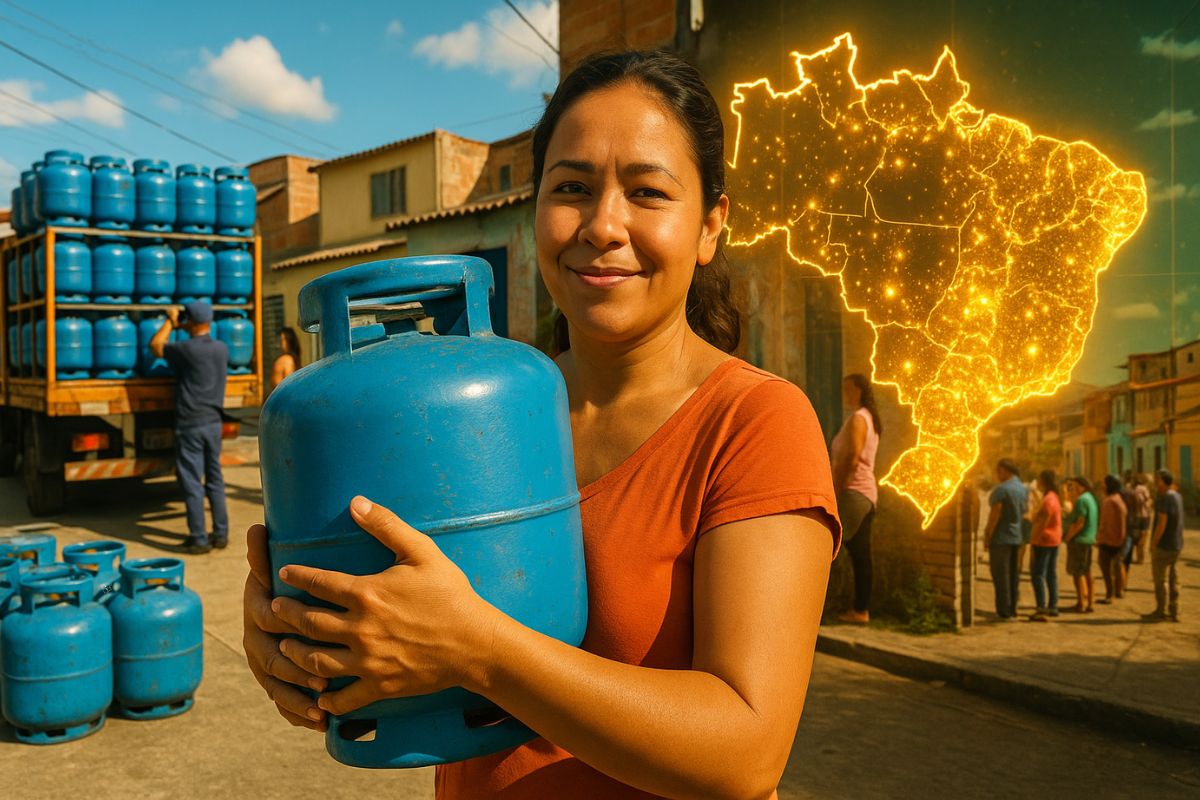
Free Cooking Gas: New Project Expected to Benefit 17 Million Families. New Version of the Gas Voucher Will Be Sent by the End of August and Promises to Reach All Brazilian Municipalities
The federal government is expected to send, by the end of August, the project that guarantees free cooking gas for the poorest families in the country. The measure is part of the new design of the gas voucher and aims to serve around 17 million households across Brazil, according to information gathered by Broadcast.
The announcement was made during an event to deliver land regularization titles in Recife (PE). The proposal, which was originally planned for launch on August 5, has been postponed and will now be sent via a provisional measure. In addition to the program, changes such as income tax exemption for those earning up to R$ 5,000 and the creation of a credit line for housing renovations are also planned.
How the New Gas Voucher Will Work
According to the Ministry of Mines and Energy (MME), the provisional measure will require gas distributors to offer the program in all municipalities, using their official resellers and independent sales points. The goal is to ensure that, even in remote areas, benefiting families can pick up the 13 kg gas cylinder at no cost.
-
The government is considering a temporary subsidy for cooking gas following the spike in oil prices due to the war in Iran and warns about the impact of 20% of imports on the prices paid by families.
-
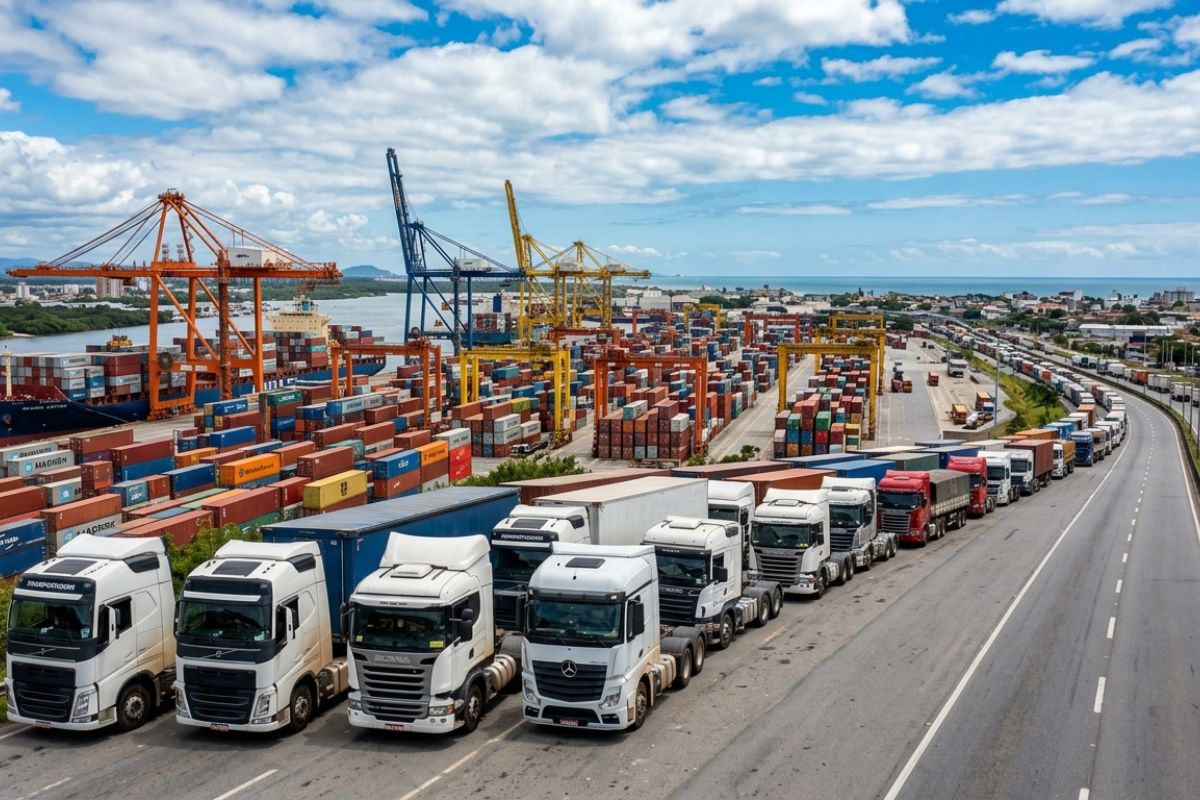
The lack of truck drivers in the country is already halting shipments and threatening deadlines: 88% of transport companies are unable to hire, with an average of eight trucks idle, and the port complex of Itajaí is now feeling the impact.
-
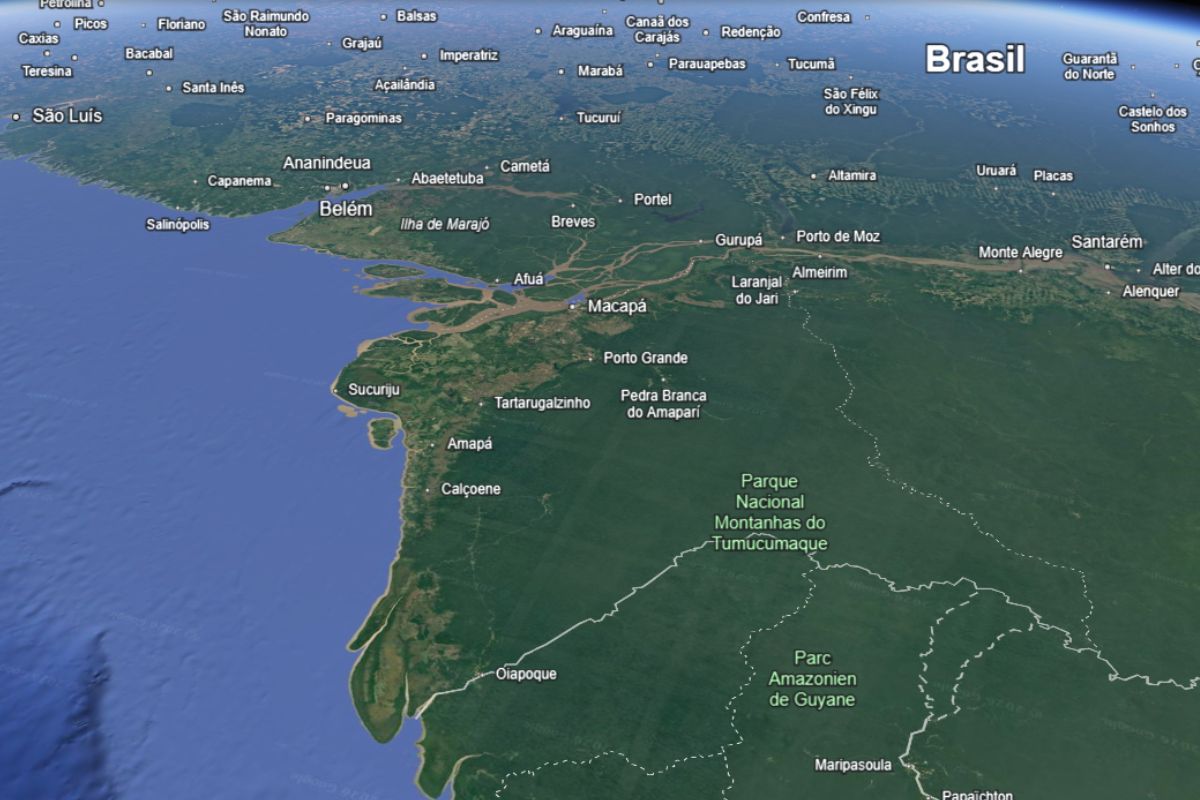
Petrobras is about to transform a forgotten city in the far north of Brazil into the capital of oil: Oiapoque is already feeling the effects even before the first drop of oil comes out from the seabed.
-
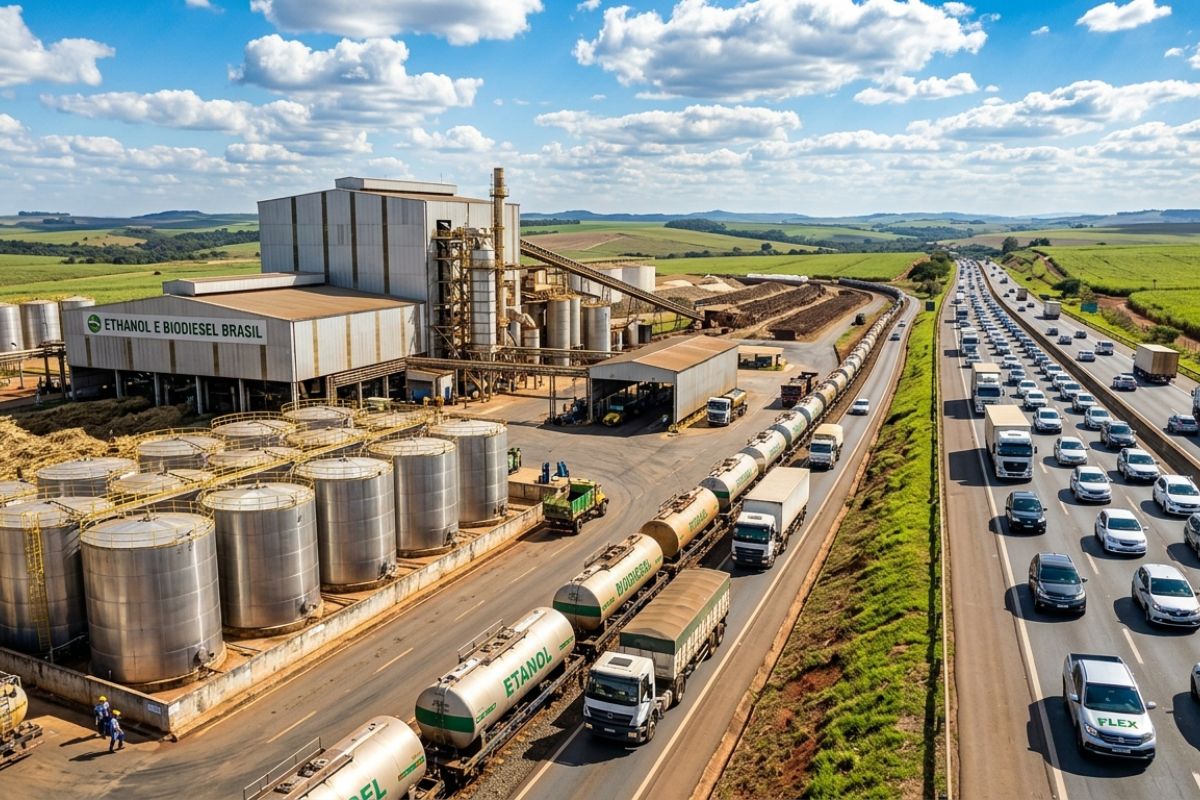
The Economist says that Brazil has a secret weapon in the oil war during this crisis: ethanol, biodiesel, and flex-fuel vehicles. With Petrobras holding costs, fuel prices are rising 10% to 20% here, compared to 30% to 40% in the USA.

The target audience will be families registered in the Single Registry for Social Programs (CadÚnico), with priority given to those in extreme poverty. Details on possible new selection criteria have not yet been disclosed, but the goal is to expand coverage and reduce the impact of rising prices on the most vulnerable.
Expected Reach and Impact
According to the MME, the program is expected to reach 17 million families, equivalent to about one-third of Brazilian households. The expectation is that the measure will have a direct effect on household budgets, freeing up resources for food, health, and other basic needs.
Experts point out that, while it is an immediate relief, the cost of maintaining the benefit and its fiscal sustainability will need to be debated in Congress. In addition, there is a forecast that the program will generate indirect impact on local commerce, as part of the money saved could be reinvested in communities.
Other Projects on the Agenda
At the same event, it was announced that the income tax exemption project for those earning up to R$ 5,000 is expected to be voted on by the end of August. Another proposal under study is the creation of a credit line for housing renovations, aimed at improving living conditions for low-income families.
The three measures are part of a broader package of social and economic actions that the government aims to accelerate in the second half, aiming to strengthen the social protection network and stimulate sectors such as commerce and construction.
The submission of the project that guarantees free cooking gas represents one of the main social initiatives planned for this semester. With national reach, the measure could reduce energy poverty and strengthen local economies.
In your opinion, is the free supply of gas an effective solution to combat social vulnerability in Brazil, or should it be accompanied by other structural policies? Join the conversation in the comments.







-

-

-

-

-

-

84 pessoas reagiram a isso.