





 Portuguese
  English
  Spanish
  5 min of reading
  0 comments


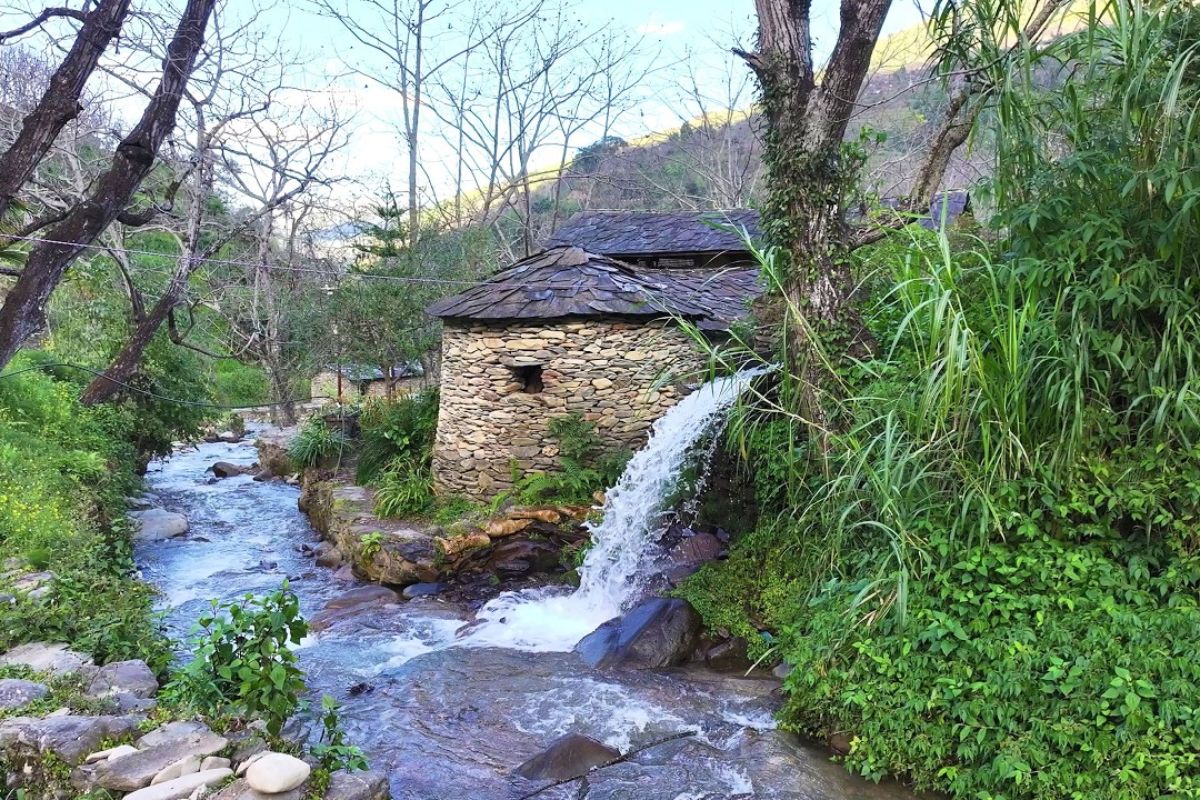
In The Remote Gumo Village, Located In China, In The Yunnan Province, Centuries-Old Water Mills, Entire Stone Houses Without Cement, Giant Walnut Trees, And A River Called The Lovers Reveal A Little-Known Chinese Village Where Agricultural Traditions, A Slow Pace Of Life, And Green Landscapes Captivate Curious Photographers And Tired Urban Travelers In Search Of Authentic Places.
Gumo Village is one of those surprises that seem to be straight out of an old movie: a village nestled between mountains, with 200-year-old water mills and entire stone houses built without cement, supported one on top of the other, as if time had decided to stay there forever. The streets are paved with irregular stones, the buildings mix sturdy walls and roofs made of stone slabs, and everything conveys the feeling that modernity is far away.
As you walk through the village, you see elderly men herding cattle, grandmothers roasting nuts over firewood, and residents chatting leisurely while the water from the mills spins incessantly. Amidst century-old walnut trees, a river nicknamed The Lovers and a preserved rural routine, Gumo Village begins to attract travelers seeking less selfies and more living history, in a setting where the entire stone houses are as much protagonists as the people who still live in them.
Entire Stone Houses That Defy Time

What stands out at first glance are the entire stone houses, built block by block, with no visible cement, joining thick walls and roofs also made of stone.
-
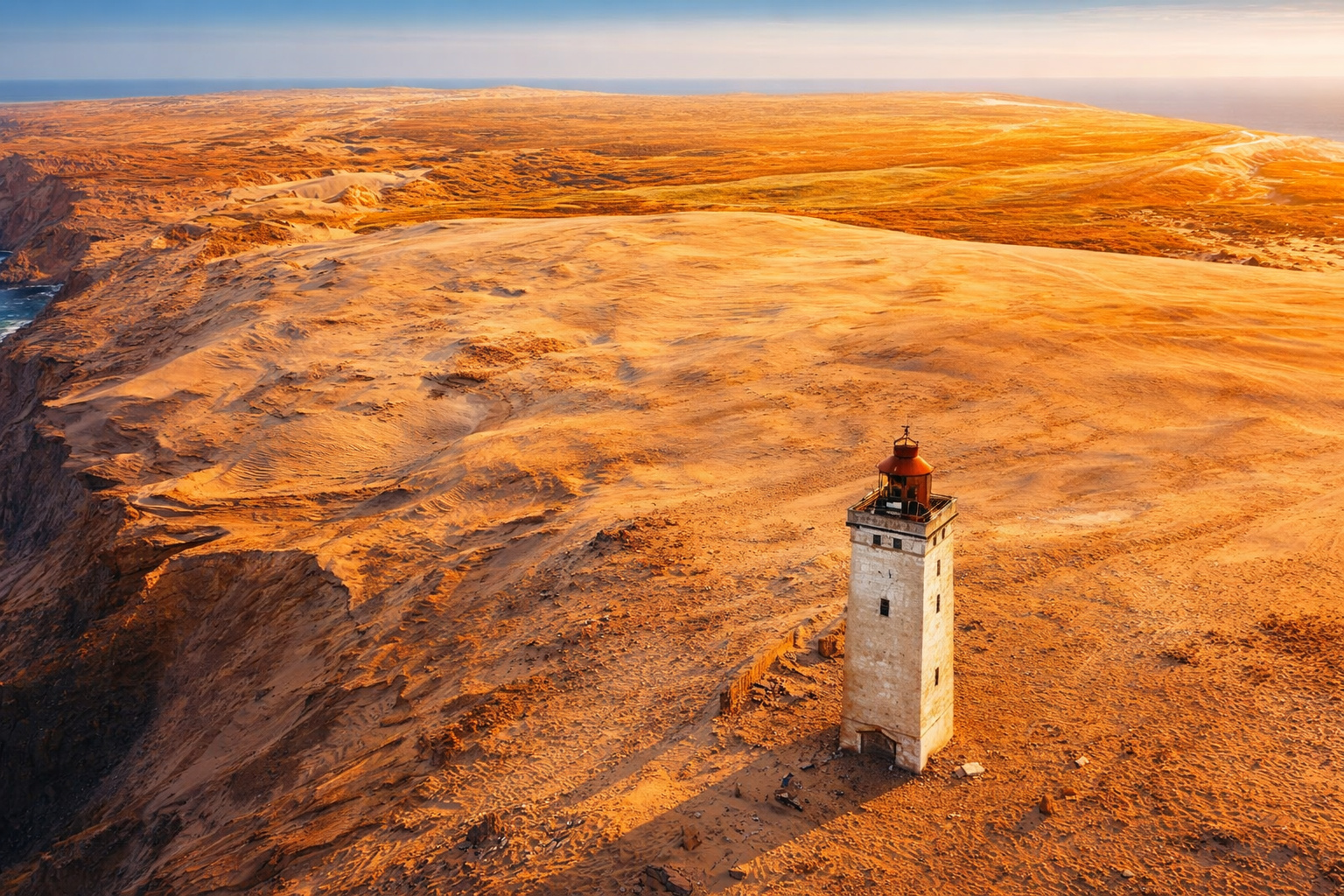
Attracting around 250,000 people a year, a lighthouse 200 meters from the sea, on a 60-meter high cliff, on the North Sea coast in Denmark, becomes one of the most impressive examples of how nature can threaten historical buildings.
-
The narrowest house in the world is only 63 centimeters wide, but inside it can accommodate a bathroom, kitchen, bedroom, office, and even two staircases.

-
In the middle of the sea, these enormous concrete and steel structures, built by the British Navy to protect strategic maritime routes, look like they came straight out of a Star Wars movie.

-
For years, no one could cross a neighborhood in Tokyo because of the tracks, but an impressive solution changed mobility and completely transformed the local routine.


Instead of common tiles, the residents have started using large slate slabs, more resistant to the impacts of walnuts falling from the trees around the village.

These entire stone houses extend through narrow alleys, with small windows and structures that mix wood and rocks, forming a visual ensemble that seems like a scene from another century.
Some buildings are preserved and inhabited, others have been partially taken over by time, but all tell the same story of adaptation to the climate, topography, and local resources.
Water Mills Over 200 Years Old Still In Operation

Another strong symbol of Gumo Village is the water mills, some with over 200 years of continuous use.
The water that flows down the slopes moves simple wheels and gears, transforming grains into flour, dough, or rice cakes, in a process that blends basic physics and rural tradition.
Walking to the base of the mills, you can see the water flow being diverted by small sluices, falling onto the blades and turning the gears that move the heavy grinding stones.
Nothing here is for tourist display: the mill continues to turn because it still serves the community, keeping alive an ancestral way of producing food.
Giant Walnuts, Roasted Nuts, And The Aroma Of Firewood
Around the village, the mountains are full of walnut trees, some with hundreds of years. Under their canopies, residents harvest walnuts, separating what will be kept for their own consumption and what can be sold to curious visitors.
Many still roast the nuts over firewood, inside simple structures, leaving a striking aroma that spreads through the village.
While chatting, residents share stories of the colder winter weather, of the fires lit to warm the nights, and of the routine of harvesting, drying, and roasting the nuts.
These scenes, along with the entire stone houses and the water mills, create a village atmosphere that resists the rush and standardization of the modern world.
A River Called The Lovers And A Different Rhythm Of Life

Amidst the stones, walnut trees, and old buildings, flows a river that the people nicknamed The Lovers. It runs through Gumo Village like a thread of water that connects stories of couples, local legends, and memories of generations that grew up along its banks.
The surroundings of this river are used for walking, observing the landscape, and following the sound of water hitting the stones.
Coupled with the entire stone houses and paved paths, the scenery reinforces the feeling that time passes more slowly there, guided by the cycle of planting, harvesting, and the movement of the mills, rather than by an urban clock.
Preserved Rural Daily Life And Unexpected Encounters
Part of the charm of Gumo Village lies in the improvised encounters: a grandfather fertilizing a walnut tree with compost, a group of residents playing cards, someone explaining how water enters and exits the mill.
Everything happens amidst the entire stone houses and the old structures that serve both as housing and storage, workspace, and gathering spot.
Those arriving from afar, often coming from large cities, are usually impressed by the fact that so much functions for so long with so little interference from modern technology.
There are no façades designed for social media, but rather stone walls full of marks of time, reminding that the original purpose of the village has always been to shelter families, tools, and food.
Why Gumo Village Is Starting To Attract Travelers

Gumo Village is not a destination filled with classic attractions, bilingual signs, or lines for photos. It captivates precisely because it is a village where water mills, ancient walnut trees, and entire stone houses continue to be part of the real routine without having been transformed merely into a backdrop.
For those who enjoy capturing details, observing folk architecture, understanding how a place adapts to the terrain and its own needs, the combination of mills, river, walnuts, stone paths, and entire stone houses creates a rare ensemble, hard to find in more urban destinations or those fully adapted to mass tourism.
Imagining this such different daily life, with historic mills turning, residents roasting walnuts over firewood, and an entire village surrounded by entire stone houses, do you see yourself visiting Gumo Village to experience this slower pace, or would you prefer to continue merely observing this type of place from a distance, through stories and images?






-

-

-

-

-

-

77 pessoas reagiram a isso.