





 Portuguese
  English
  Spanish
  5 min of reading
  3 comments


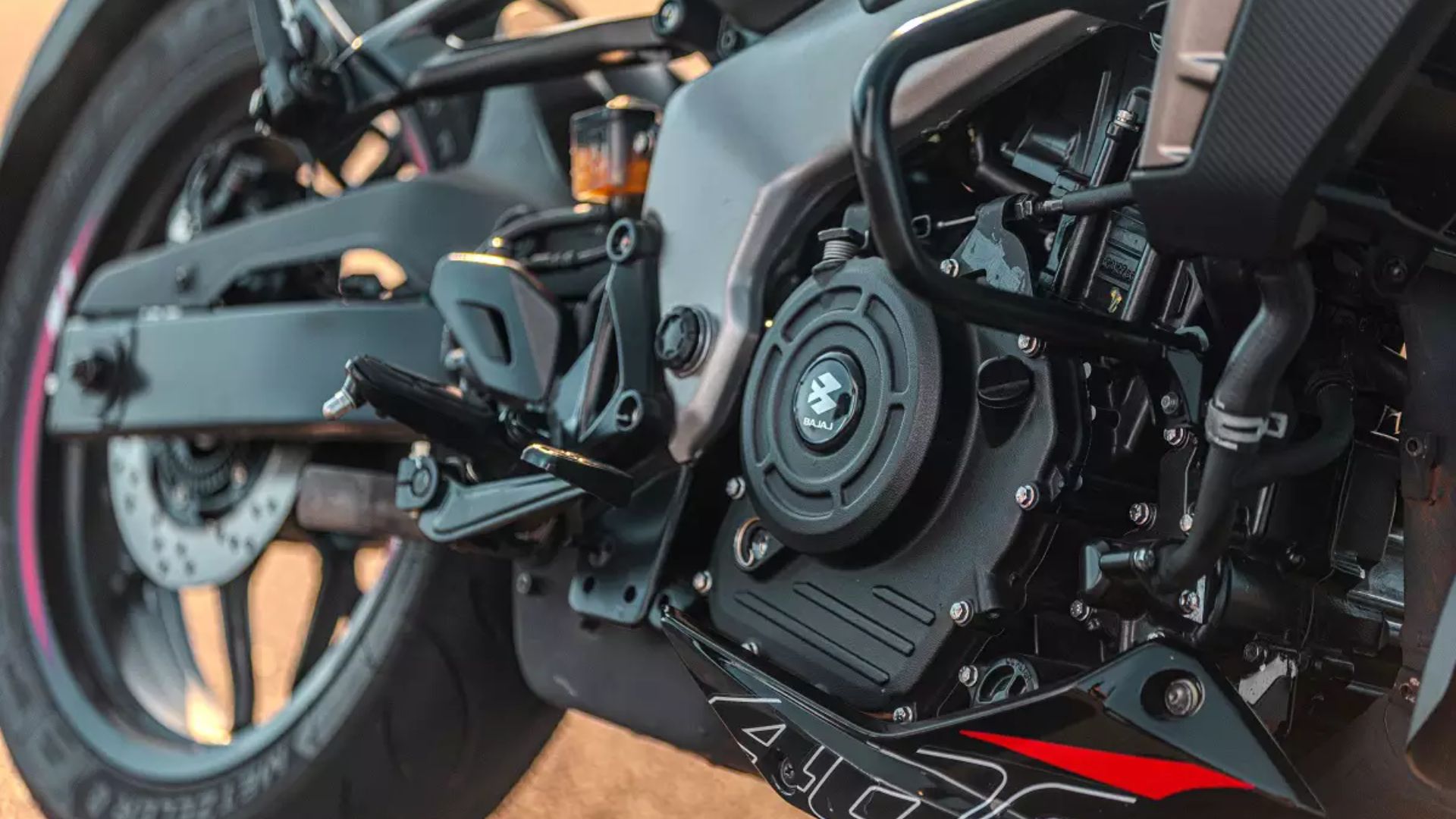


Middleweight Naked Expands Bajaj’s Portfolio in the Country with a More Sporty Proposal, Robust Electronic Package, Significant Weight Reduction, and Changes in Handling, Positioning Itself as an Alternative to the Traditional Dominar 400 and Targeting Riders Who Prioritize Agility, Technology, and More Direct Handling in Daily Use and Winding Roads.
Bajaj has launched the Dominar NS400Z in Brazil with a suggested price of R$ 26,900 upfront, positioning the naked as a more sporty alternative within the Dominar line.
The model retains the 373 cc single-cylinder engine and 40 hp, but changes the handling package and ergonomics to gain agility.
It weighs 18 kg less than the Dominar 400, along with a shorter wheelbase and a broader electronic set, including traction control and four riding modes.
-
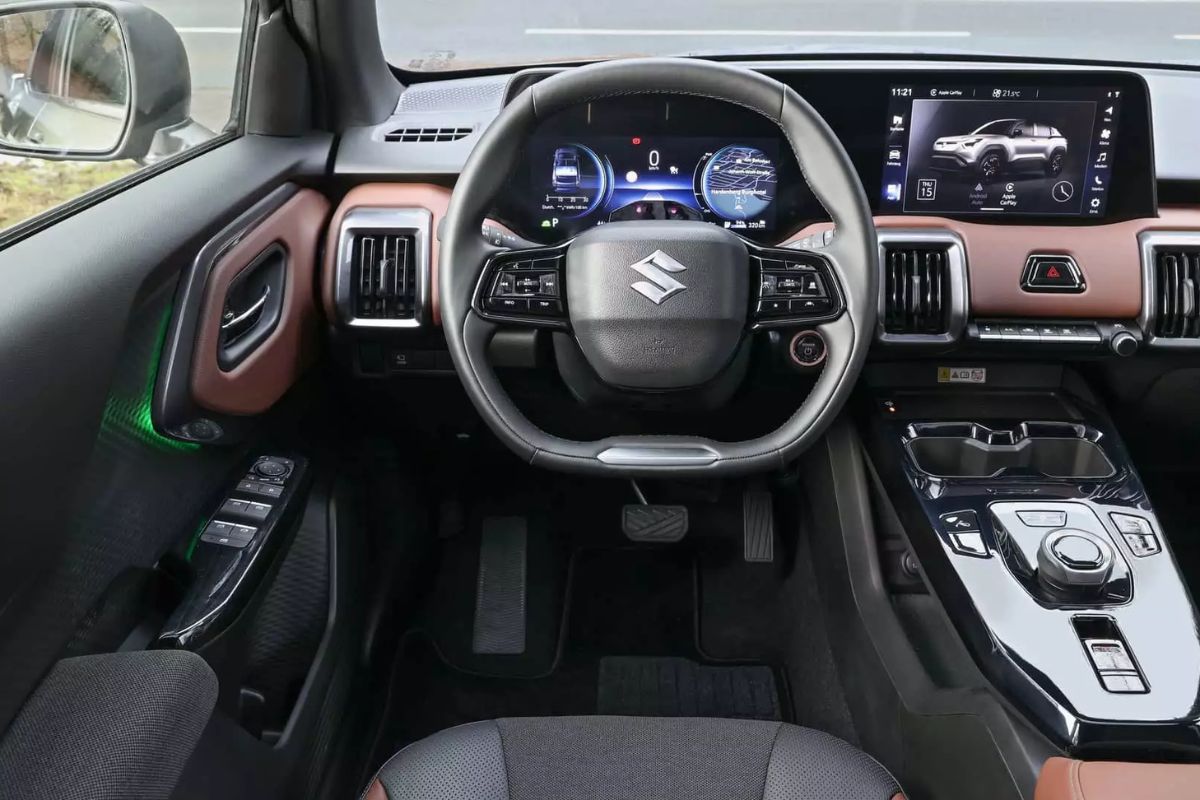
The 2026 electric Vitara arrives in Brazil and proves that Suzuki is not leaving: 4×4 traction, 184 hp, 61 kWh LFP battery, 293 km range, R$ 259,000, and a trunk capacity of 224 L.
-
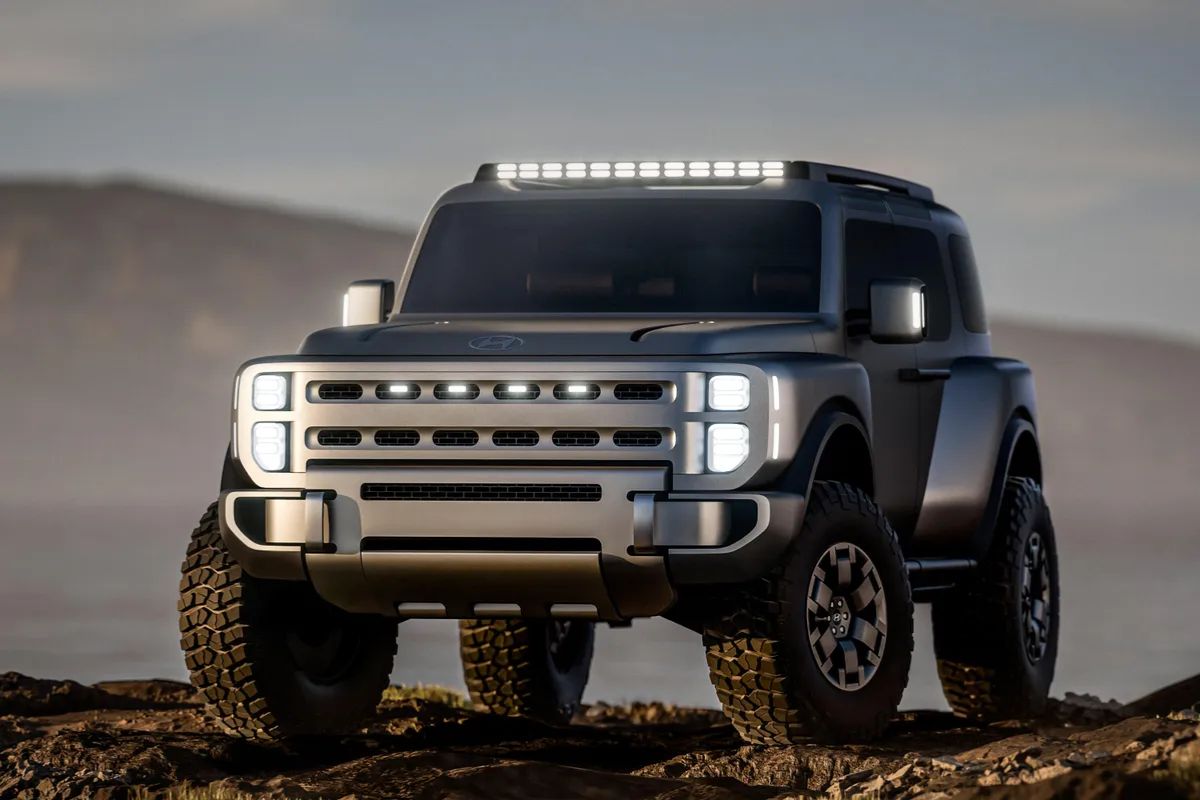
Hyundai has unveiled the Boulder, a square SUV with a body-on-frame design, 37-inch mud tires, and carriage-style doors that seems to be made to take on the Ford Bronco and the Scout Traveller in the United States.
-
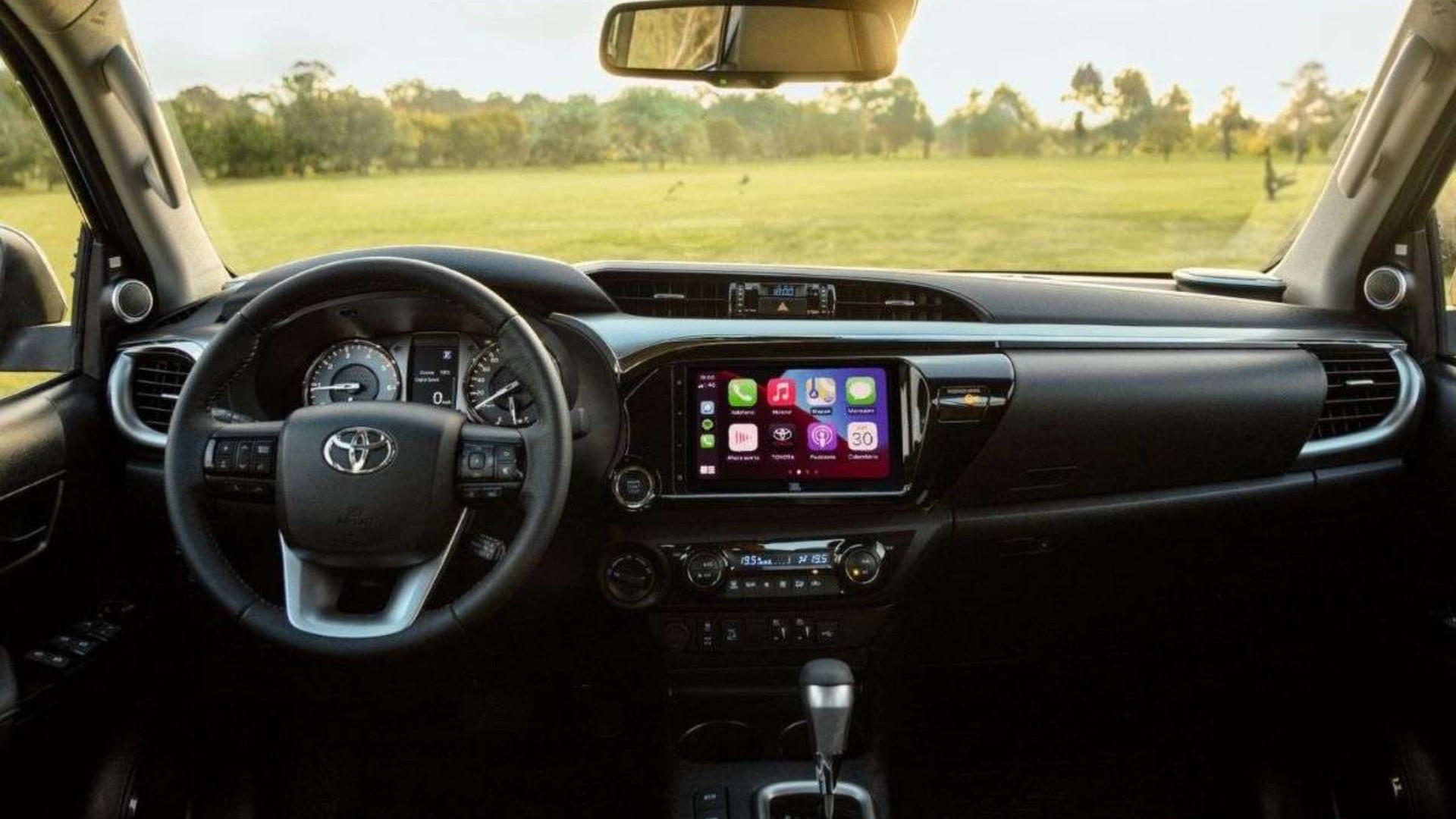
The Toyota Hilux is R$ 75.5 thousand cheaper and bets on the 2.8 turbodiesel engine with up to 204 hp and 50.9 kgfm to catch up with the VW Saveiro, which leads with 4,472 sales.
-
The new Renault Koleos has a screen exclusively for the passenger that is invisible to the driver, heated rear seats, and 29 assistance systems, but its Chinese competitors cost R$ 40,000 less and deliver more power.
The proposal is clear.
While the Dominar 400 remains an option focused on comfort and the road, the NS400Z is born for those who prioritize more direct handling in traffic and better performance in corners, without neglecting daily-use features like full LED lighting and connectivity.
Positioning of the Dominar NS400Z in the Bajaj Lineup
The Dominar 400 has built a reputation in the country for combining the size of a middleweight motorcycle with a more touring-oriented proposal, including relaxed ergonomics and equipment aimed at long-distance rides.
The NS400Z arrives to meet an audience looking for the mechanical base of the 400 line but with more immediate responses and a more aggressive style, in the spirit of streetfighters, as the brand describes when presenting the model.

This repositioning is mainly reflected in the power-to-weight ratio.
Bajaj highlights that the NS400Z weighs 18 kg less than the Dominar 400, which tends to favor acceleration and quick direction changes.
Sporty Ergonomics and Riding Position
The riding position has also been shifted towards the sporty side.
In evaluations published by specialized outlets, the NS400Z is described as having a lower handlebar and slightly more rear-set footpegs.
This combination places the rider in a more engaged posture, closer to the front axle, without turning the motorcycle into a fully faired sports bike.
At the same time, the technical specifications released by Bajaj indicate 807 mm seat height and 174 kg wet weight.
These numbers help explain why the brand speaks of balanced ergonomics for different profiles, even with a more aggressive stance.
Lighter Handling and Reduced Dimensions
The most objective difference between the two motorcycles lies in their dimensions.
The Dominar NS400Z has a wheelbase of 1,344 mm, while the Dominar 400 measures 1,453 mm.

In practice, this represents 109 mm less, reinforcing the intention to deliver a faster motorcycle for direction changes.
The weight follows the same logic.
The NS400Z claims 174 kg wet weight, compared to 192 kg for the Dominar 400.
The mass reduction is one of the central arguments of the launch and appears repeatedly in official materials and reports about the model’s arrival in the country.
Other details also help to separate personalities.
The Dominar 400 uses a rear tire 150/60-17, while the NS400Z comes with 140/70-17.
This measure generally helps make the motorcycle feel lighter to handle and with quicker responses to steering.
Same Engine, Adjusted Responses
Despite the changes in handling and ergonomics, both Dominar models share the same mechanical base.
The setup includes a DOHC single-cylinder engine of 373.27 cc, liquid cooling, six-speed gearbox, and assist and slipper clutch.
The NS400Z maintains 40 hp at 8,500 rpm and 3.57 kgf.m at 7,000 rpm, according to the technical specs and launch material from Bajaj.

The manufacturer, however, claims that the NS400Z has been recalibrated to deliver quicker responses at lower RPMs.
The goal is to improve elasticity and the feeling of vigor during urban use and in accelerations.
While preserving maximum horsepower and torque, this type of adjustment alters the perception of throttle delivery.
Electronics, Riding Modes, and Connectivity
The NS400Z arrives with a broader electronic package.
Bajaj lists traction control and four riding modes, namely Sport, Road, Rain, and Off-road.
The modes affect power delivery and ABS, as well as the use of electronic throttle.
In practice, this allows adaptation of the motorcycle’s behavior based on road conditions and riding style.
This set is increasingly common in middleweight bikes but still rare in the entry-level 400 segment.
The brand promotes the system as a resource to enhance control and safety in different situations.
As for the dashboard, Bajaj describes it as a digital LCD display with Bluetooth connectivity.
The system works integrated with the Bajaj Ride Connect app.

Among the features are navigation, call management, music control, and USB input.
Streetfighter Design and Color Options
Visually, the NS400Z bets on the aggressive naked bike traits.
The set includes a full LED headlight with striking DRL, muscular tank lines, and a short tail.
The brand confirms four colors for the Brazilian market: Glossy Racing Red, Brooklyn Black, Pewter Grey, and Pearl Metallic White.
Another point that alters the usability logic compared to the Dominar 400 is the fuel tank.
The NS400Z has a declared 12 liters, while the Dominar 400 indicates 13 liters.
The difference is small, but it may matter for those prioritizing range on long trips.
Warranty, Maintenance, and After-Sales
In the commercial package, Bajaj announces three years of warranty.
The brand also continues to offer a periodic maintenance plan with fixed prices.
This strategy has been reinforced in official after-sales channels.
The published plan indicates that conditions and prices may vary over time.
Therefore, the recommendation is to consult updated information before scheduling maintenance.
With the NS400Z and the Dominar 400 sharing the same engine DNA and differing by proposal, the choice becomes less about the power specs and more about how the motorcycle responds in real use, whether prioritizing stability and comfort on long rides or agility and a sporty posture in daily riding.









Assim que a bajaj disponibilizar um manual de serviço completo para a manutenção das motos eu pretendo abrir uma oficina especializada, não irá faltar serviço essa empresa promete acabar com a egemonia das japonesas
Tenho uma ns 160 e até agora sem problemas, vamos ver quando precisar de manutenção.
Pessoal, o produto de vcs está muito bom, gostei tudo em ambos modelos, assim que eu melhorar vou buscar uma motocicleta dessa, espero ter o modelo.