





 Portuguese
  English
  Spanish
  2 min of reading


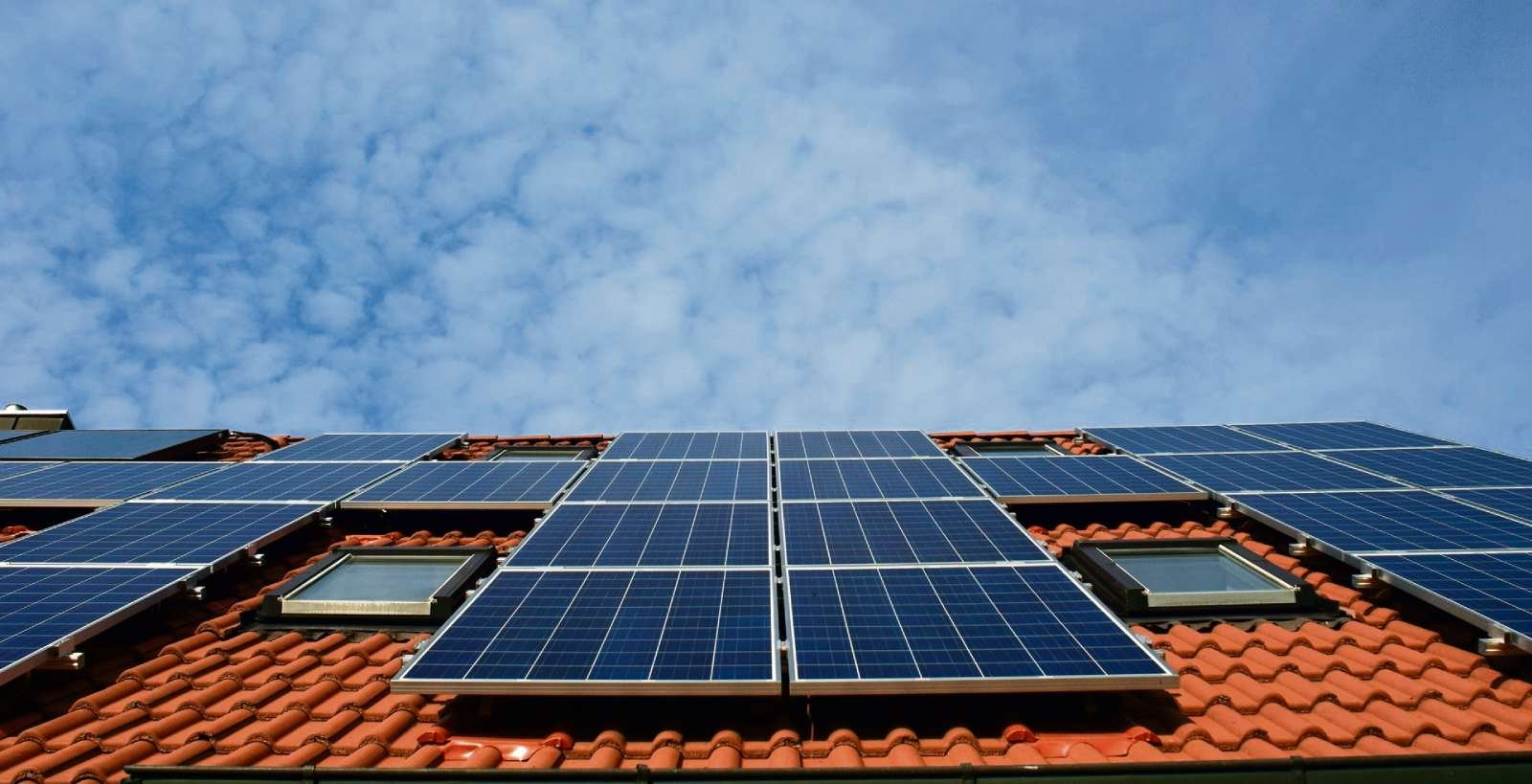
Solar Panel Installations Grow By 53%, With The Recurrent Increase In Electricity Bills
In 2021, the water crisis influenced a 25% increase in the electricity bills of Brazilians, a factor that increased the adoption of residential solar energy by 50%. At the beginning of November, the installations of solar panels for energy capture grew by 53%, with the rising electricity bill. According to the Brazilian Institute of Geography and Statistics (IBGE), the price set by the national electricity agency of Brazil accumulated a 30% increase in the last 12 months.
“The evolution of this market confirms that more and more Brazilian consumers are becoming aware of the need to seek sustainable solutions to face the high electricity rates and climate change,” explains the CEO of the solar portal, Rodolfo Meyer.
See Also Other News:
- Job Vacancies Are OfferedFor Professionals With Experience In Railways, Maintenance, Supplies, And More, In Minas Gerais, Tocantins, São Paulo, And Other States
- Online And Free Excel Courses With Certificates Are Offered By Fundação Bradesco. There Are Options For Basic, Intermediate, And Advanced Levels
- Industrial Property: Tupy Files Patent Application For A New Concept Of Cast Iron Engine Block Aimed At Application In Hybrid Vehicles.
In Brazil, the solar energy generation capacity reached 12 GW last week (including residential projects and plants), which is equivalent to 7% of all energy generation capacity.
-
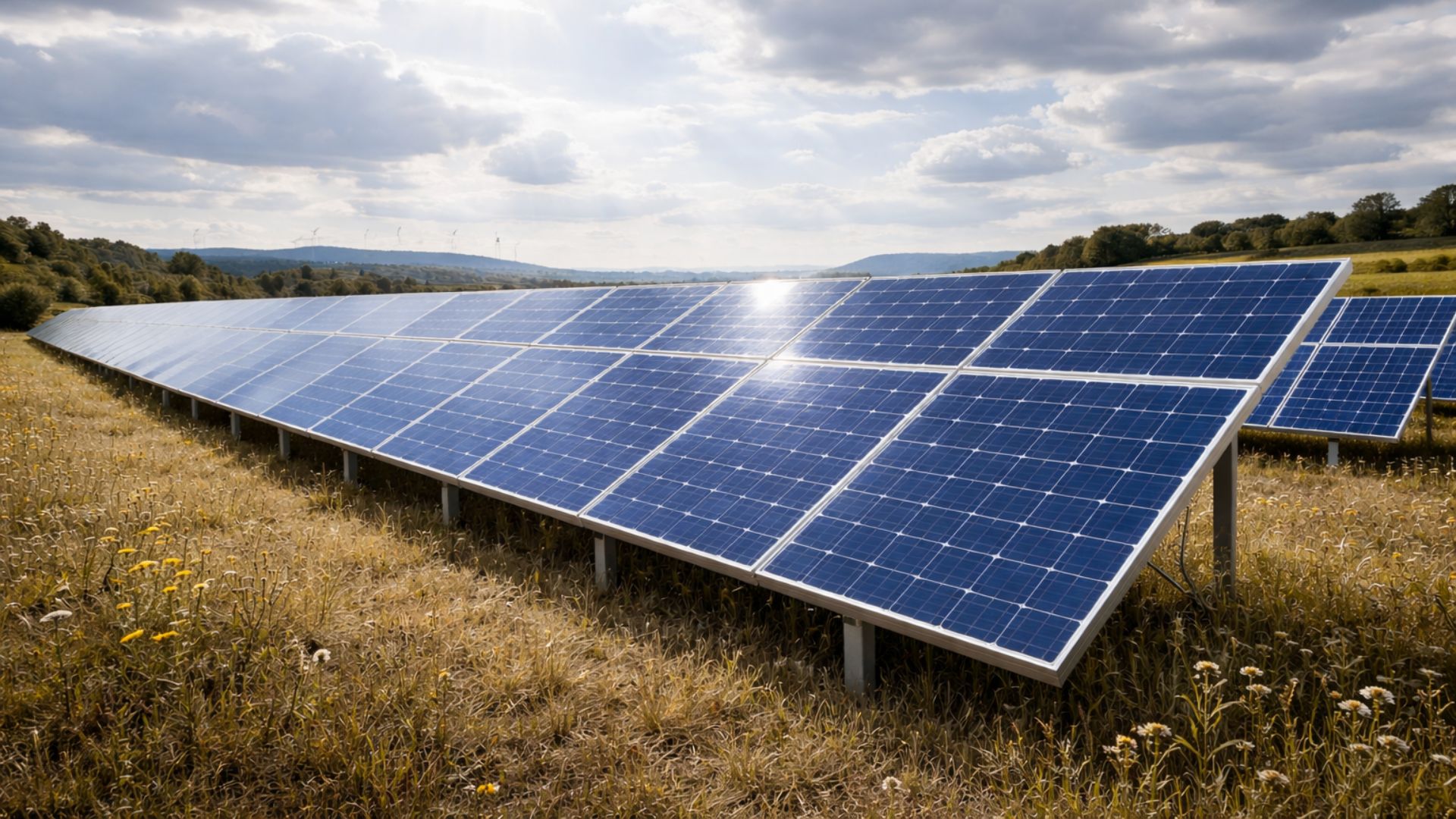
Jacareí advances with a photovoltaic plant and bets on sustainability to transform public management with clean solar energy, reducing operational costs and strengthening energy efficiency in essential services.
-
Maricá transforms Risca-Faca into Leonel Brizola Neighborhood with solar energy and promises to reduce costs for families while promoting dignity, urbanization, and social development in a historically vulnerable community.

-
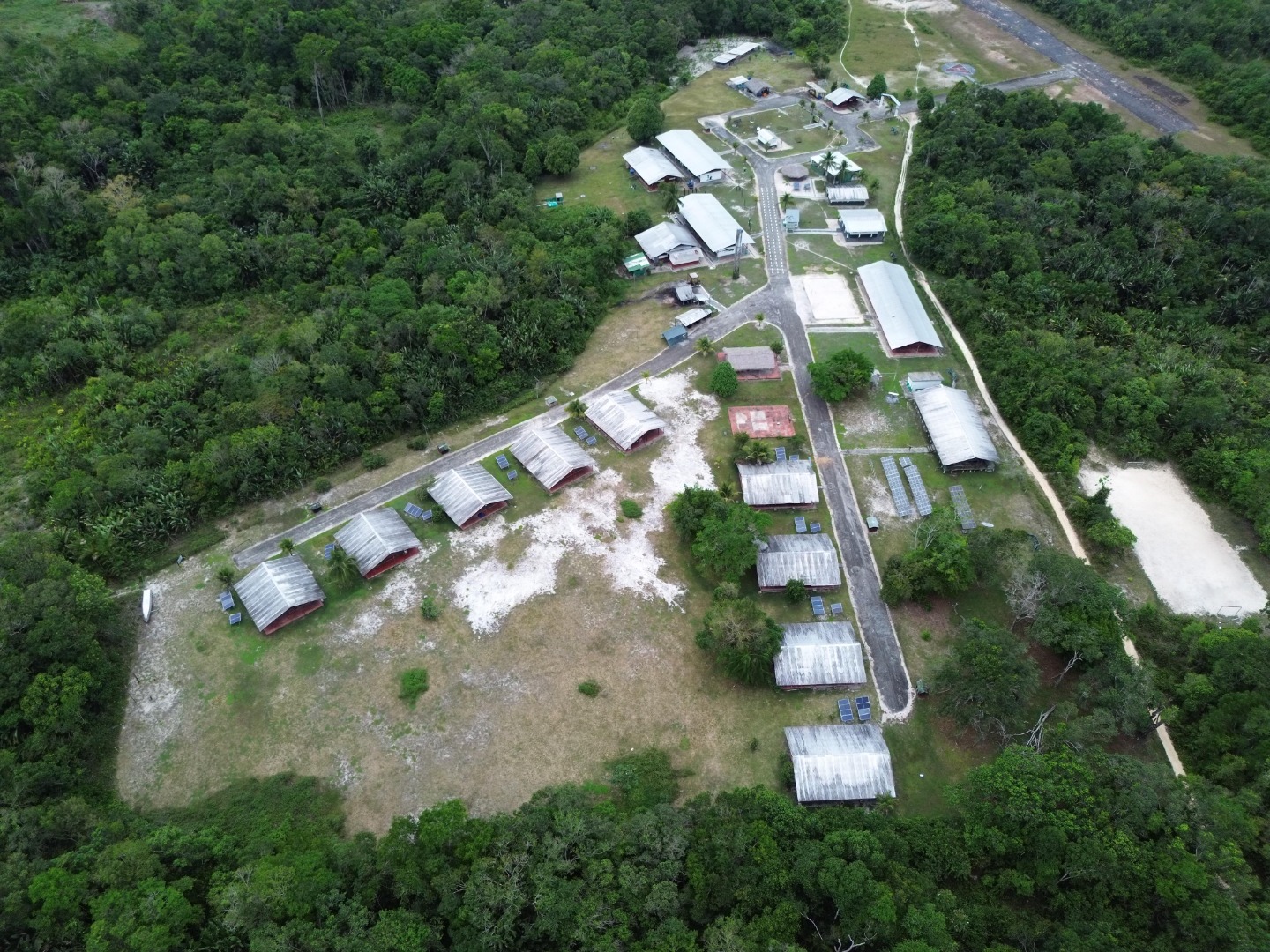
The Ministry of Defense installs a giant photovoltaic plant and ensures a stable supply of clean energy in Maturacá, in the Amazon.
-
Itaipu receives proposals in the renewable energy tender and reinforces the role of public universities in the energy transition with projects that can reduce costs, increase academic investments, and accelerate sustainable innovation in the country.
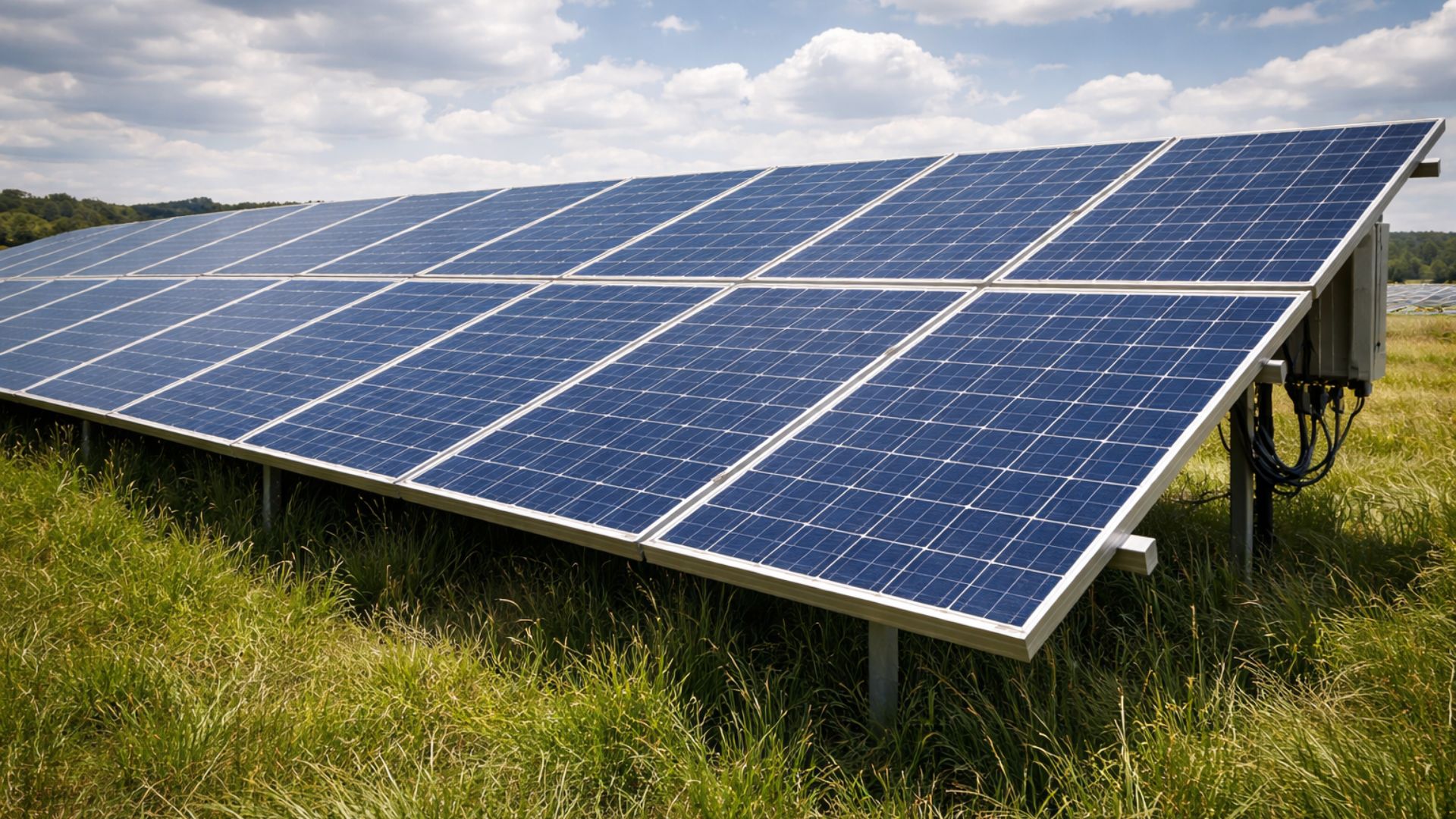
Such installations bring positive economic impacts, potentially reducing electricity bills by 50% to up to 90%, in addition to being a renewable source that does not pollute the environment and is inexhaustible. From another perspective, the investments associated with solar panels for energy capture have a considerable value (around R$ 15 thousand), which can return in less than 5 years.
Electricity Bills Are Expected To Rise In 2022
As electricity bills are expected to continue rising until next year, it is anticipated that the solar energy system will keep accelerating. Electricity bills will have an average increase of 21.04% in 2022, according to the National Electric Energy Agency.
“We are in rapid growth. For 2022, even the increase in equipment prices should not stop solar energy in Brazil,” says Meyer.
Investments in solar energy in Brazil have been growing since 2012, acquiring over R$ 60 billion in new investments. According to the Brazilian Photovoltaic Solar Energy Association, solar generation has avoided the emission of 13.6 million tons of CO2 in electricity generation.
The use of photovoltaic solar energy in Brazil is mainly located in the states of Minas Gerais, Bahia, Ceará, Rio Grande do Sul, São Paulo, Rio de Janeiro, and Santa Catarina. For industries, using renewable energy is a way to “lock in a fixed expense, which is the electricity bill.”








Seja o primeiro a reagir!