





 Portuguese
  English
  Spanish
  5 min of reading
  1 comment





With 1,200 km of Range, Omoda, the New Cheapest SUV in Brazil, Marks Over 23 km/l, Becomes the New Darling of Brazilians and Displaces the New Toyota Yaris Cross
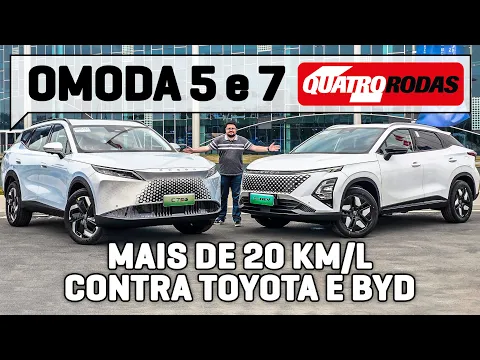
The Brazilian market is about to receive an SUV that is already making noise even before it hits the asphalt: the Omoda 5 HEV, which promises to shake up the segment for three simple and straightforward reasons. It is the cheapest SUV in Brazil in the hybrid category, is more powerful than the recently launched Toyota Yaris Cross, and delivers a range that exceeds 700 km with just one tank of gasoline.
In practice, this combination has put the Chinese model at the center of the conversation and taken from Toyota a title that the public considered practically guaranteed.

Aggressive Price and Strategy That Took Down the Yaris Cross at the Start
The initial price of the Omoda 5 HEV, confirmed by the specialized press Motor1, is R$ 159.990. This figure has become the main reason for the impact on the market, as it positions the model below any hybrid version of the Yaris Cross, which starts at R$ 172.390 for the electrified versions and goes up to R$ 189.990 for the top model.
-
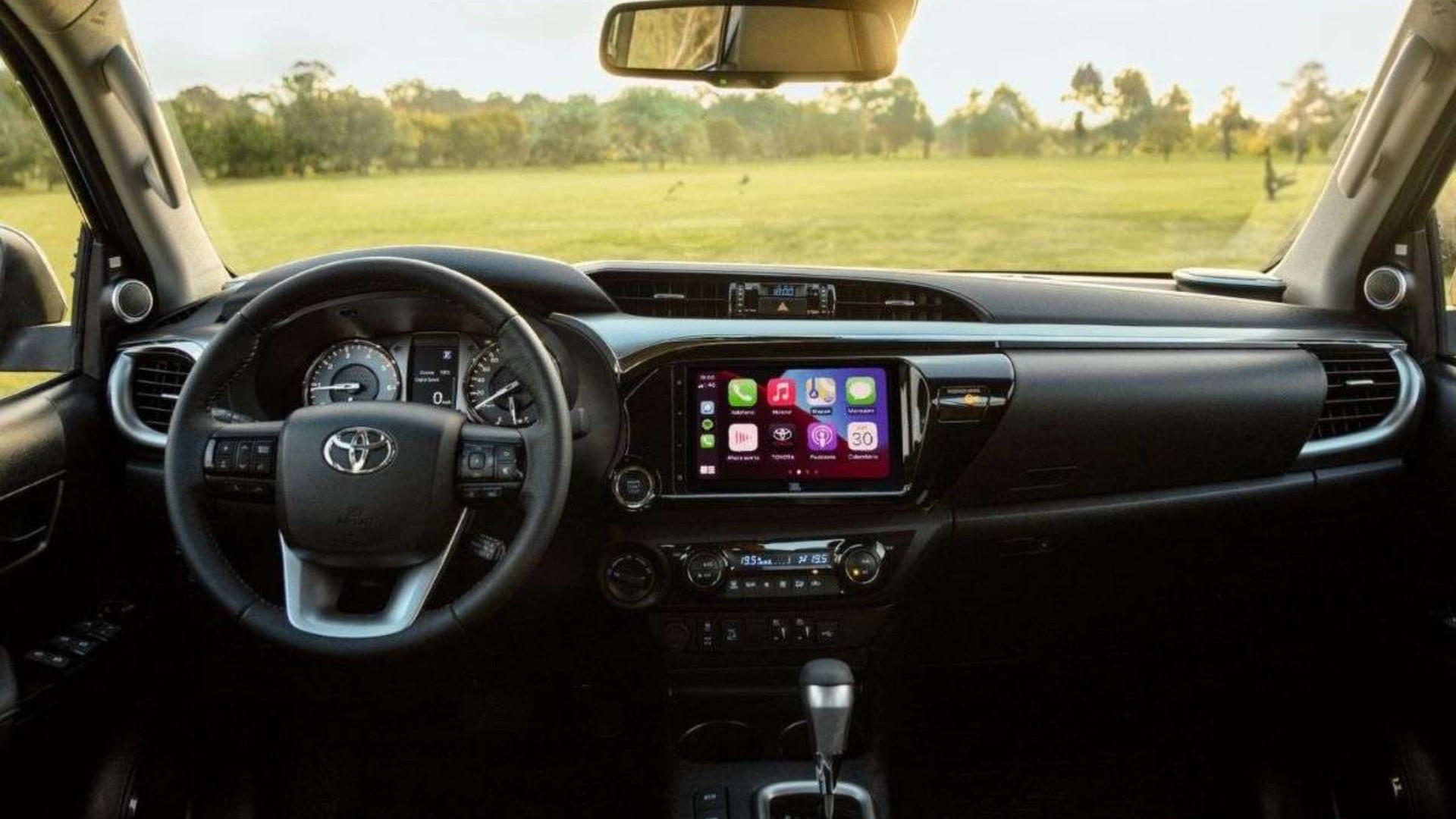
The Toyota Hilux is R$ 75.5 thousand cheaper and bets on the 2.8 turbodiesel engine with up to 204 hp and 50.9 kgfm to catch up with the VW Saveiro, which leads with 4,472 sales.
-
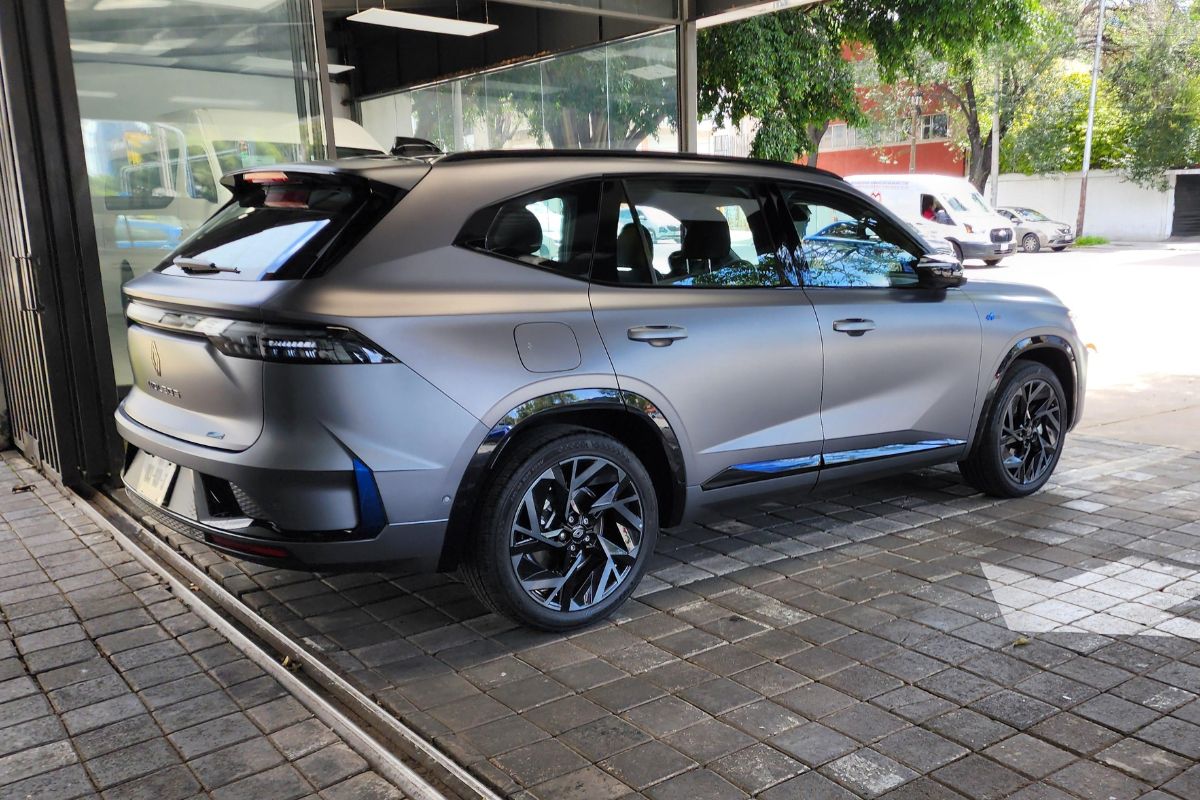
The new Renault Koleos has a screen exclusively for the passenger that is invisible to the driver, heated rear seats, and 29 assistance systems, but its Chinese competitors cost R$ 40,000 less and deliver more power.
-
The car stored for 38 years: when opening the barn door, what appears is breathtaking and looks like a scene from a movie!

-
Fiat works miracles in the Brazilian market, lowers the price of its 0 km hatch to R$ 69,990, reestablishes the model as the cheapest car in the country, and reignites the battle against Kwid and C3.

The contrast also exists when comparing combustion versions. While the most basic Yaris Cross costs R$ 161.390, the Omoda 5 HEV offers full hybrid technology for less money. This scenario helps explain why it has taken the space of the “desired newcomer” in the sector and has become a reference in the compact SUV segment.
224 hp Against 111 hp: Much More Powerful than the Yaris Cross and It’s Not a Small Difference
The proposition of the Omoda 5 HEV goes beyond being the cheapest SUV in Brazil in the hybrid category. It delivers 224 hp of combined power, accelerating from 0 to 100 km/h in 7.9 seconds, according to data confirmed by the brand itself and published by Motor1.
On the other side, the Yaris Cross offers 111 hp in its flex hybrid configuration, a number that highlights the difference in philosophy between the two models. While Toyota bets on efficiency and smoothness, the Omoda is closer to turbocharged medium SUVs, offering quick responses and a sportier driving experience.
During the presentation of the Yaris Cross, Toyota’s president in Brazil, Rafael Chang, emphasized the idea that “the flex hybrid is the solution most adapted to Brazilian reality,” highlighting the efficiency of the set. The statement was published by Estadão Mobilidade and helped explain the model’s positioning in the country.
Goodbye Mini SUV Toyota Yaris Cross: Real Consumption of Omoda Marks Over 23 km/l and Surprises with 1,200 km of Range
The numbers for the Omoda 5 HEV in the Labeling Program released by Inmetro are 15.1 km/l in the city and 13.2 km/l on the highway, according to Quatro Rodas. But the big surprise came during practical tests.
A test cited by Autoesporte and republished by the Sentinela Group showed the SUV achieving 23.3 km/l with the air conditioning on. The same test estimated up to 1,200 km of range with the 51-liter tank, an extremely high number for a non-plug-in hybrid.
This means that, despite being more powerful, the Omoda can compete in real consumption with weaker hybrids — and this has made many people start to look at the model more closely.
Toyota Yaris Cross Has Better Official Consumption, But Loses When It Comes to Range
The Yaris Cross flex hybrid presents very competitive numbers at Inmetro: 17.9 km/l in the city and 15.3 km/l on the highway. However, it uses a smaller tank, and the estimated range is between 600 and 650 km, depending on usage.
In other words, Toyota wins in homologated consumption but loses in total range — and it’s precisely this difference that reinforces the argument that Omoda offers a more versatile experience for those driving long distances.
Size, Space, and Trunk: Balanced Competition Among the SUVs
When it comes to dimensions, both models are similar. The Omoda 5 HEV is slightly larger and gives the impression of being a wider and longer car, while the Yaris Cross has the advantage in trunk space, with capacity ranging from 391 to 400 liters, depending on the version.
The Omoda arrives with 372 liters, according to Motor1, a number sufficient for daily use but falls short of Toyota — an important point for families or those traveling with lots of luggage.
Range: The Strongest Point of the Omoda 5 HEV
The major difference of the Omoda lies precisely in the combination of engine, battery, and fuel tank. With more than 700 km in common use and the potential to exceed 1,000 km in light driving, the Chinese model delivers a rare range even among more expensive hybrids.
The Yaris Cross, even being efficient, cannot come close to these numbers.
Omoda 5 HEV Takes the Title of the Cheapest SUV in Brazil
What we see today is a clear shift in the national market. The Omoda 5 HEV, besides being the cheapest SUV in Brazil in the hybrid category, offers performance of a larger car, real consumption exceeding expectations, and range that bothers traditional rivals.
The Toyota Yaris Cross is an important, modern launch aligned with the brand’s flex hybrid vision, but it quickly lost ground when the Omoda emerged with a lower price, ample power, and real consumption numbers that drew attention.
If you’ve made it this far, I want to know your opinion: does the Omoda 5 HEV really deserve all this expectation? Leave your comment or share this article with someone who is keeping an eye on the next hybrid SUV on the market.










Gostei tem fábrica no Brasil como fica pra PCD