





 Portuguese
  English
  Spanish
  4 min of reading
  0 comments


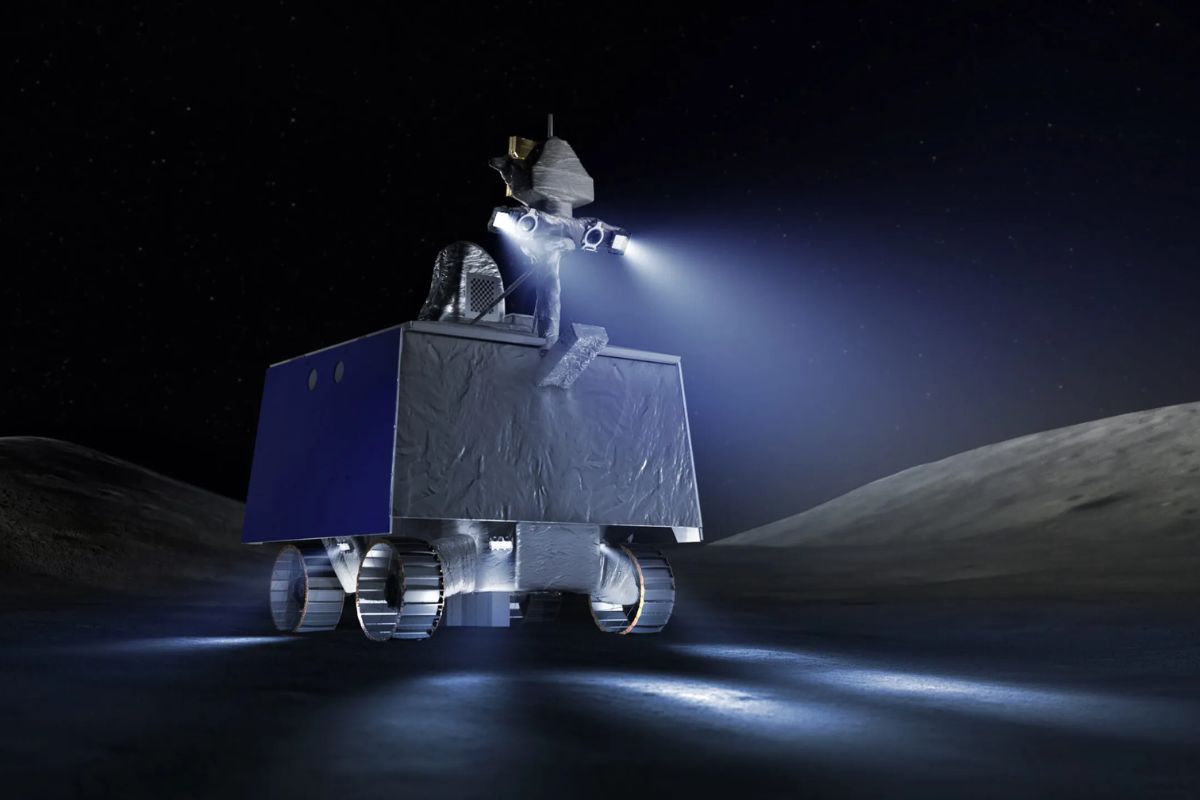
The NASA VIPER Rover, a lunar vehicle costing nearly half a billion dollars, was the biggest bet to map water on the Moon and enable a human base, but the space agency shocked the world by shelving the project.
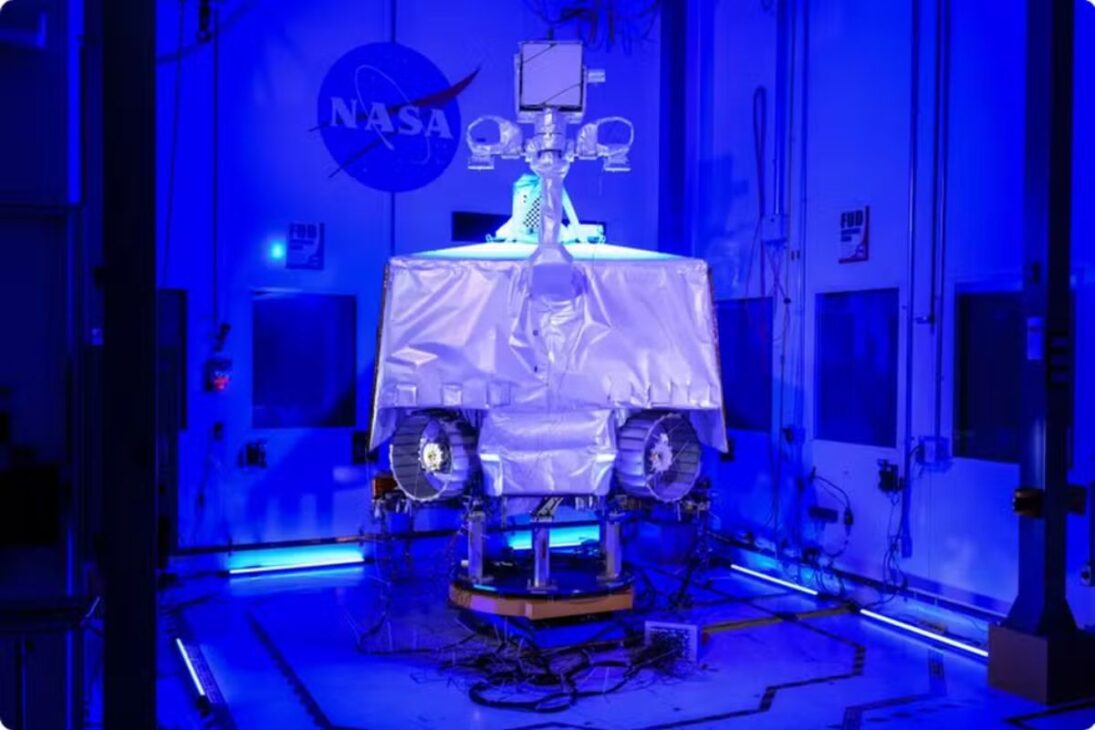
It was one of the most exciting projects of the new space race. A golf cart-sized robot, equipped with metal wheels, headlights to illuminate the darkest craters of the universe, and a drill one meter long capable of penetrating the lunar soil. Its mission: to be the first to map in detail the ice deposits at the Moon’s South Pole, a vital resource for the future of humanity in space. But the NASA VIPER Rover will never feel lunar dust under its wheels.
In a decision that surprised the scientific community, NASA announced the cancellation of the $433.5 million mission. The robot, which was already in the final stages of assembly and testing, will not be launched. But why would the space agency invest in a project just to abandon it later? The answer involves a complex puzzle of engineering, logistics, and money.
What Was the NASA VIPER Project?
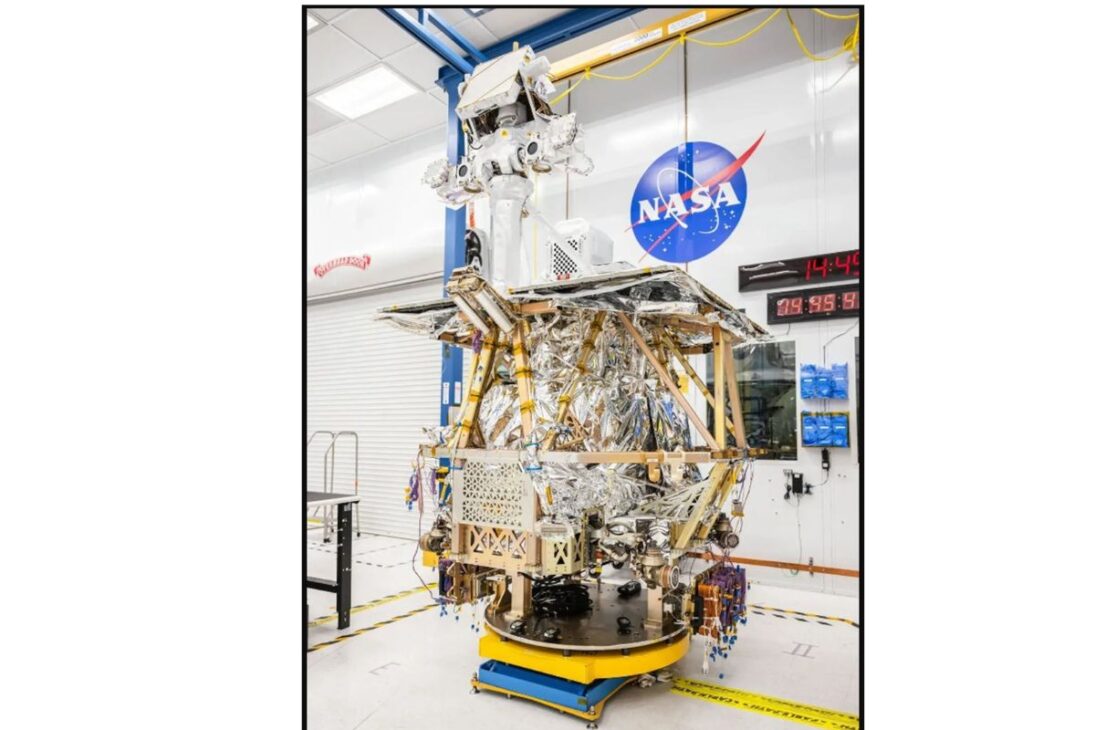
The VIPER, short for “Volatiles Investigating Polar Exploration Rover”, was an exploration robot designed for a 100-day mission on the Moon. Its main objective was to create the first detailed map of the concentration and distribution of water ice in the permanently shadowed regions of the lunar South Pole.
-
Artisanal well erupts with water in the sertão of Bahia, revealing a surprising flow with six active fissures underground and changing the landscape in the Bahian semi-arid region.
-
NASA published a photo taken from space of a mountain range in the interior of Goiás, and the whole world wanted to know what it was: beneath it lies the largest hot water spring on the planet, with temperatures reaching 70 degrees in the middle of the Cerrado.
-
A thermal block costing only R$ 0.40 catches attention by reducing heat by up to 80% using recycled styrofoam, a common kitchen ingredient, and a manual technique capable of producing 50 blocks from a single bag of cement.

-
The item in the house that consumes the most water is not in the kitchen; it is in the smallest room of the house and can account for up to 30% of the expenditure on its own.

Unlike other rovers, VIPER was designed to “sniff out” water. It was equipped with spectrometers to detect hydrogen on the surface and, importantly, with the TRIDENT drill, capable of drilling up to one meter deep to analyze soil samples and confirm the presence of ice. The VIPER rover technology was key to turning speculation about water on the Moon into concrete and usable data.
Why Did NASA Cancel the VIPER Mission?
The question of why NASA canceled VIPER does not have a single answer, but rather one main reason. The rover was not going to the Moon alone; it depended on a “taxi” spacecraft. NASA had contracted the private company Astrobotic to develop the Griffin landing module, which would be responsible for safely delivering VIPER to the lunar surface.
However, Astrobotic requested more time and a significant budget increase to complete the development of Griffin, and NASA assessed that the costs and risks associated with ensuring the delivery of the landing module were no longer viable within the program’s budget. Essentially, NASA’s lunar vehicle, which was practically ready, was left without a ride to the Moon. Faced with delays and increased transportation costs, the agency opted to cancel the entire mission.
How Was VIPER Going to Survive the Lunar Night at -173 °C?
One of the biggest engineering challenges of the canceled lunar rover was energy survival. Nights at the Moon’s South Pole are brutal, with temperatures plummeting to -173 degrees Celsius and darkness lasting for weeks. To survive, VIPER was designed with an innovative strategy.
It would not sit still waiting for the sun to return. Its mission plan was a race against time, constantly moving to stay in sunlit areas, like a surfer seeking the perfect wave. Additionally, it had an internal heating system and radiators to dissipate heat during the day and conserve it during the short periods of shadow. Its wheels were not made of rubber but rather an aluminum alloy with treads, designed not to freeze and maintain traction on the soft and abrasive lunar regolith.
What Was the Ice VIPER Was Going to Search for on the Moon Used For?
The search for ice on the Moon is the cornerstone of the Artemis program and future space exploration. Water is one of the most precious resources in space, not just for astronaut consumption. Its molecules (H₂O) can be split into hydrogen and oxygen.
Oxygen would be used for breathable air in a future lunar base. Hydrogen and oxygen together are the components of the most powerful rocket propellant available. In other words, finding ice on the Moon means that future rockets could be refueled there, drastically reducing the cost of missions to Mars and the far reaches of the solar system. VIPER was the mission that was going to map the Moon’s “gas station,” and although the robot has been canceled, its technology and objectives will be inherited by future missions in the Artemis program.
What do you think of NASA’s decision to cancel such an advanced mission? Should space exploration rely on private companies? Share your opinion in the comments!









Seja o primeiro a reagir!