





 Portuguese
  English
  Spanish
  7 min of reading
  0 comments


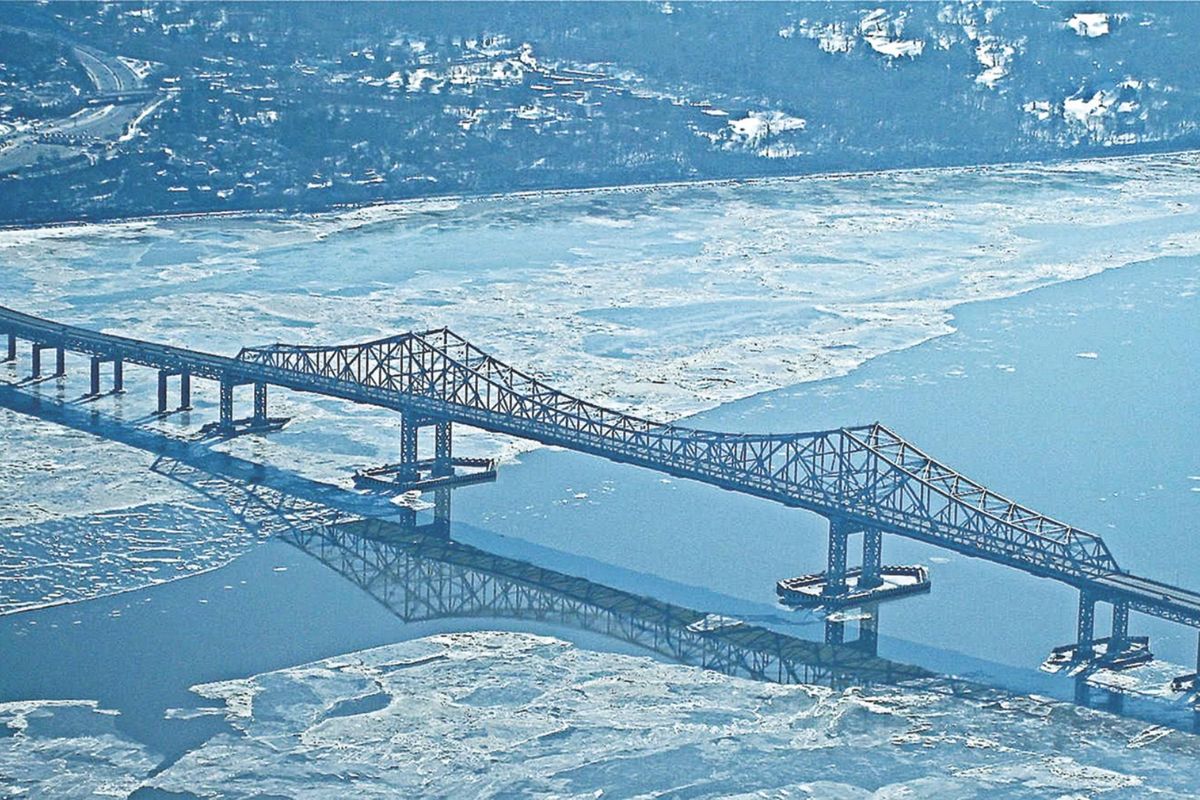
With Almost 5 Kilometers in Length, US$ 3.9 Billion in Investments, and State-of-the-Art Cable-Stayed Design, the New Tappan Zee Bridge Replaces the Old Structure, Relieves Bottlenecks on Interstate 87/287, and Inaugurates a Safer and More Efficient Phase in Regional Mobility for Millions of Drivers in New York
When traffic on the Hudson River began to strangle the old Tappan Zee, it became clear that New York needed something much larger. This is where the new Tappan Zee Bridge comes in, designed to double traffic capacity and elevate the region to a new level of mobility, safety, and daily fluidity.
With almost 5 km in length and a budget of about US$ 3.9 billion, the project went well beyond a simple structural replacement. The project became a laboratory for heavy engineering, logistical planning, and risk management, resulting in a wider, more resilient bridge, with a bike lane, pedestrian space, and prepared to accommodate new modes of public transport in the future.
Why the Old Tappan Zee Could No Longer Handle the Demand

Inaugurated in 1955, the old Tappan Zee was born into a world with fewer cars, fewer heavy trucks, and a mobility demand very different from the current reality.
-
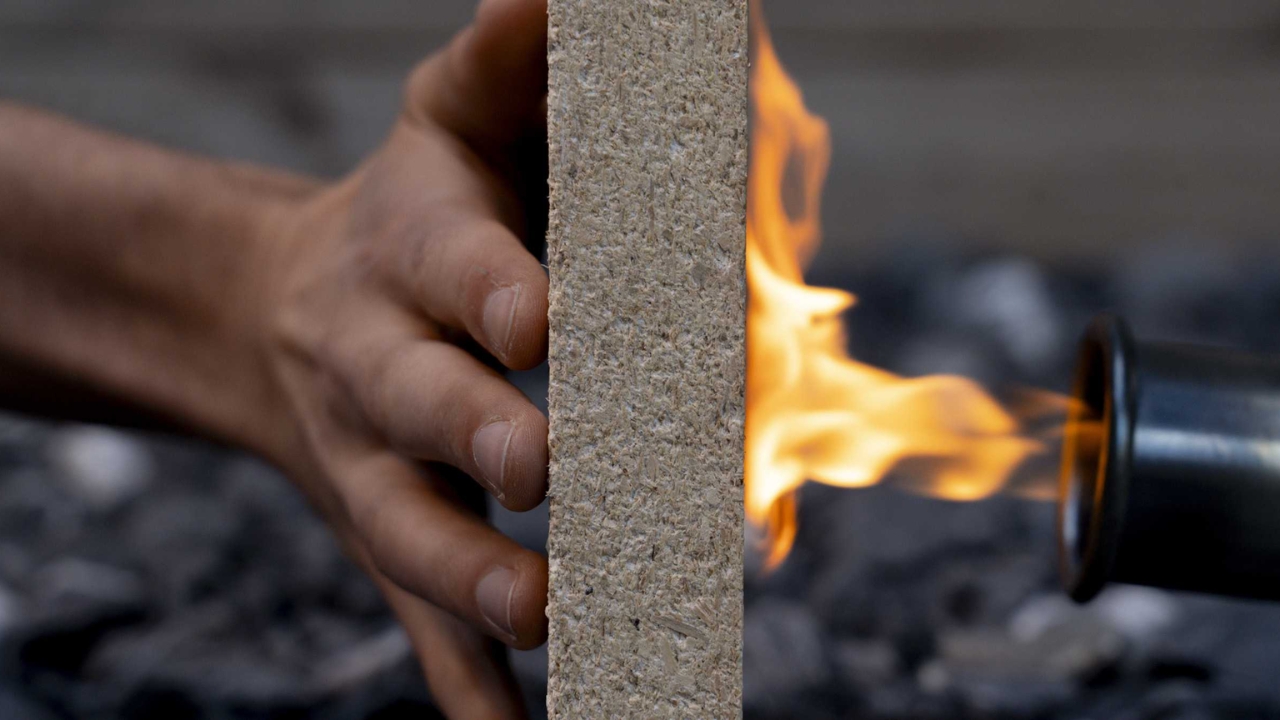
Scientists transform sawdust into fire-resistant panels, stabilize the compound with an enzyme extracted from watermelon seeds, and turn waste into promising material for construction.
-
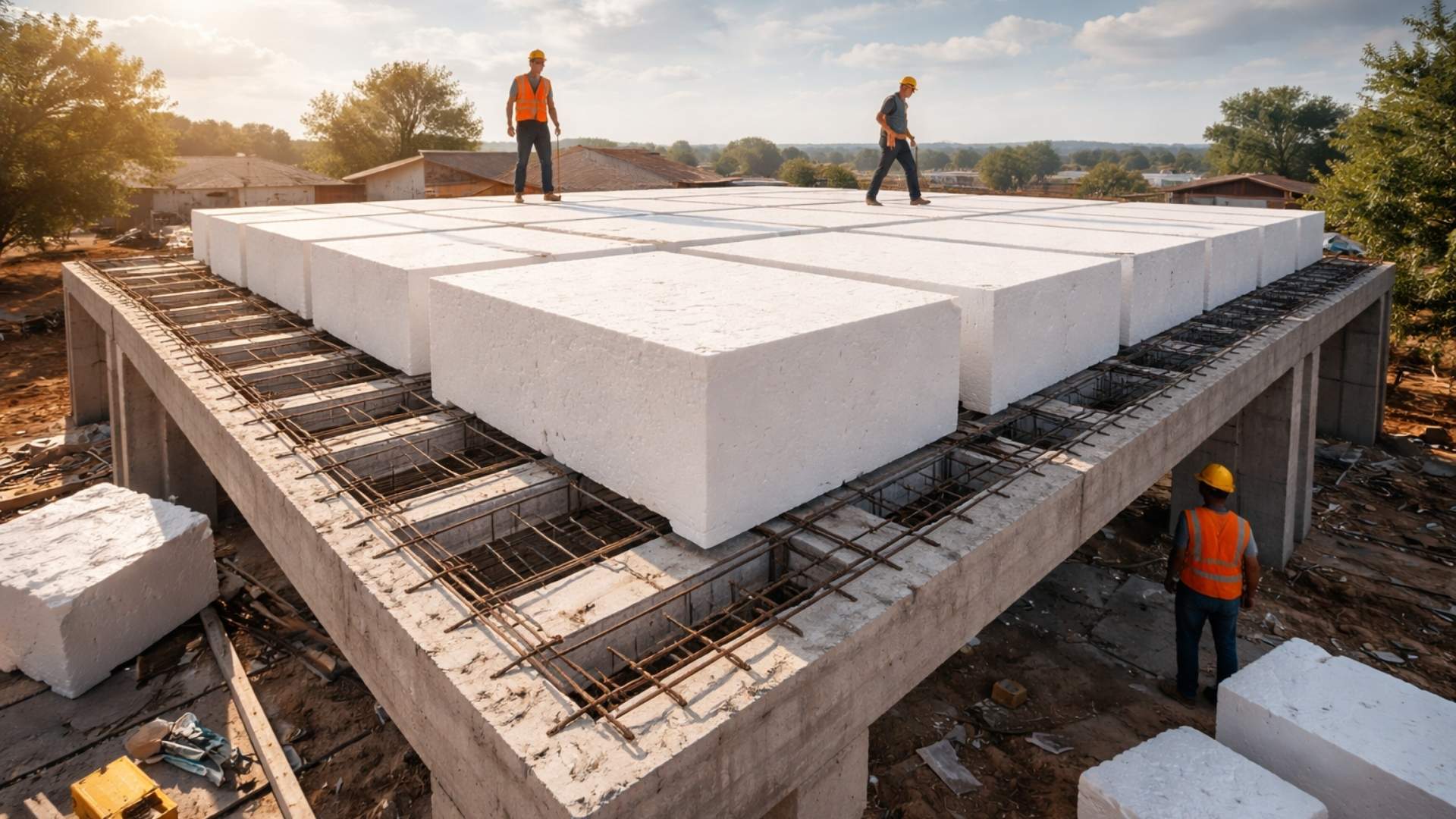
Forget concrete: architects are replacing tons of concrete with giant blocks of expanded polystyrene to build the roofs of houses and reduce structural weight by up to 50%, cut costs, improve thermal insulation, and speed up construction.
-
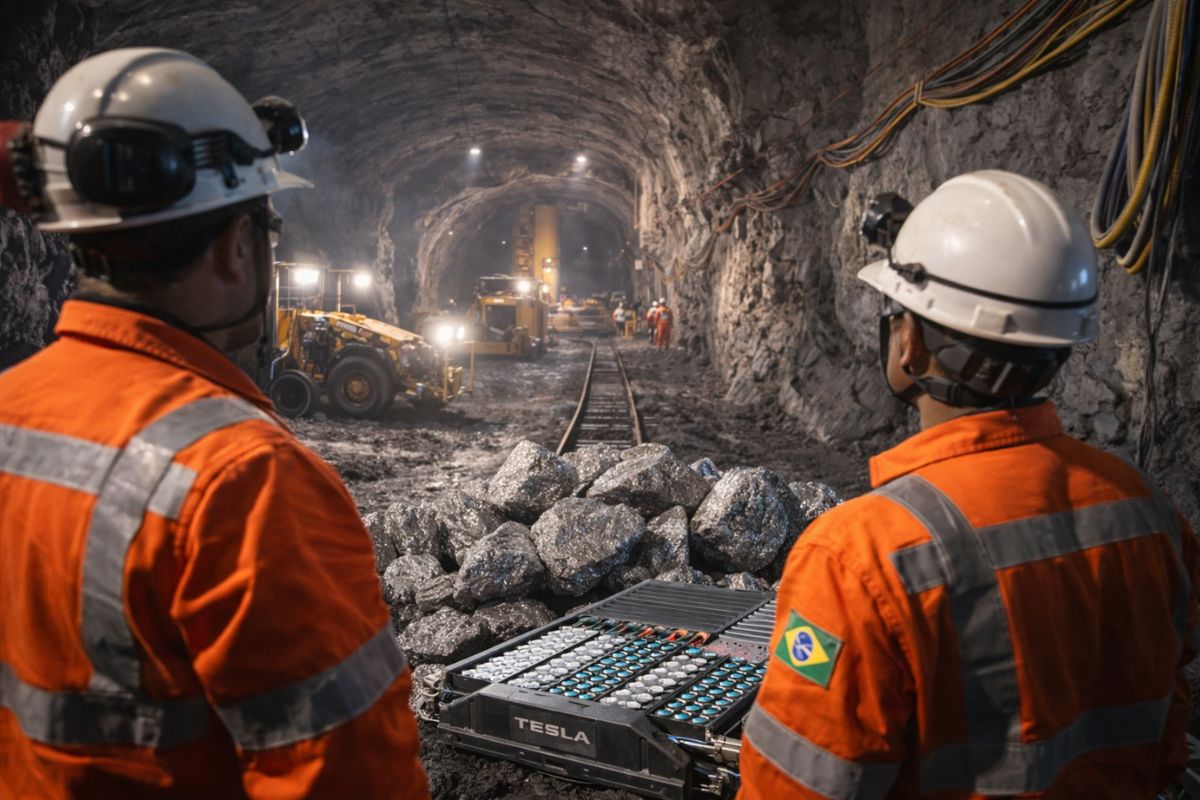
The Brazilian state enters the center of the global race for critical minerals by starting the construction of the largest underground nickel mine in Latin America, a mineral essential for electric car batteries that the entire world is competing for at this moment.
-
New CCR concrete paving technology promises roads up to 3x more durable, less maintenance, and cost reduction in Brazil.

For decades, it was an essential link in Interstate 87/287, connecting Tarrytown in Westchester to Nyack in Rockland across the Hudson River.
With urban and economic growth in the region, the structure began to operate at its limits. Constant congestion, expensive maintenance, and safety limitations triggered the red alert.
The bridge was not designed for the volume of vehicles it began to receive, making structural and operational risks increasingly difficult to manage.
Over the years, technical reports pointed to the aging of the structure, the need for constant repairs, and traffic bottlenecks that drained time, fuel, and productivity.
In this scenario, maintaining the flow only with patches was no longer an option.
The replacement by the new Tappan Zee Bridge became a strategic decision, not only of engineering but of public mobility policy.
How the New Tappan Zee Bridge Redesigns the Crossing of the Hudson River
The new Tappan Zee Bridge arrived to change the scale of the crossing.
With a double cable-stayed design and two parallel structures, it reorganizes lanes, flow, and safety, delivering a more robust corridor for light vehicles, trucks, and buses.
The logic is simple: more lanes, better traffic distribution, and less bottleneck during peak hours.
The connection between Tarrytown and Nyack is no longer just a tight passage point; it becomes a structuring axis of regional mobility.
The redesign of the bridge does not only solve today’s issues; it opens up space for future expansions, including more sophisticated public transport projects using the same infrastructure.
Visually, the new Tappan Zee Bridge also changes the postcard of the Hudson. Towers, cables, and proportions create a recognizable profile from afar.
Engineering transforms into an urban symbol, marking its presence in the landscape and reinforcing the message that New York is updating its infrastructure for the 21st century.
From Tappan Zee to Governor Mario M. Cuomo Bridge
In practice, the new Tappan Zee Bridge is the structure that the public now knows as the Governor Mario M. Cuomo Bridge.
It definitively replaces the steel truss bridge, cantilever profile, which operated since 1955 and already showed clear signs of fatigue.
Between 2017 and 2019, the old bridge was being deactivated and dismantled while traffic gradually migrated to the new solution.
This period required fine coordination between construction, dismantling, and road operation to prevent the region from collapsing into worse traffic jams.
It was a complex logistical chess game, with a direct impact on the daily routine of thousands of drivers.
With the transition completed, what remains is a more modern system: two parallel structures, more lanes, a dedicated lane for buses, and space for those who choose to bike or walk.
The new Tappan Zee Bridge consolidates this turning point, replacing a tired structure with a multimodal corridor.
Mobility Innovations: Bike Lane, Pedestrians, and the Future of Public Transport
One of the most visible quality leaps of the new Tappan Zee Bridge is outside of cars.
The project incorporates a shared space for cyclists and pedestrians, with free access, opening up a new way to experience the Hudson River and the New York metropolitan area.
This choice brings the bridge closer to a contemporary vision of infrastructure, in which highways do not exist solely for motorized vehicles.
The bike lane and pedestrian passage encourage the use of healthier and more sustainable modes of transport, as well as creating a new point for contemplation and tourism in the area.
In long-term planning, the new Tappan Zee Bridge still reserves space for future public transport projects, including tracks or dedicated lanes for BRT (Bus Rapid Transit) systems.
The idea is that the bridge is not only suitable for now but expandable for the coming decades, without requiring another radical reconstruction.
Materials, Engineering, and Solutions to Last Longer
To ensure that the new Tappan Zee Bridge does not repeat, in a short time, the wear and tear of its predecessor, the project prioritized high-durability materials.
The structure combines high-strength steel and concrete designed to withstand intense loads and severe weather variations typical of the New York region.
These choices reduce the need for emergency interventions and increase the bridge’s lifespan.
Less unexpected maintenance means fewer closures, lower costs, and more predictability for those who depend on the crossing every day.
Moreover, the cable-stayed design helps distribute structural efforts more efficiently, allowing for large spans with stability and safety.
Coupled with modern monitoring systems, the set transforms the new Tappan Zee Bridge into a piece of infrastructure designed to operate at a high standard for many decades.
Challenges, Investigations, and Pressure on the Timeline
A project almost 5 km long and costing US$ 3.9 billion does not emerge without turbulence.
Throughout construction, the new Tappan Zee Bridge faced significant technical challenges, including structural integrity issues that required independent investigations.
In projects of this scale, any suspicion of a problem gains instant repercussions.
These checks brought adjustments, corrections, and reinforcements, but also pressured the timeline.
The team had to balance speed and safety, ensuring that the final delivery adhered to strict technical standards without exceeding the revised budget.
Even under criticism and public pressure, the project was completed within the established margins, reinforcing the image of resilience of the engineering and management team.
The new Tappan Zee Bridge arrived under intense scrutiny and, nonetheless, succeeded in fulfilling the mission of replacing the old structure with a level of safety commensurate with its strategic importance.
Impacts on the Economy and Everyday Life in New York
The new Tappan Zee Bridge is not just an engineering feat; it is a conduit of money, time, and opportunity.
By doubling traffic capacity compared to the old bridge, the project reduces delays, improves the fluidity of Interstate 87/287, and shortens the time lost in chronic congestion, an invisible cost that weighs on the entire regional economy.
With a more efficient crossing, logistics, freight transport, services, and tourism companies operate with less uncertainty.
The region gains competitiveness since predictable commutes are key to attracting investments and maintaining well-adjusted production chains.
In the daily lives of residents, the effect is direct: less time stuck, greater structural safety, and new options for traveling by foot or bicycle.
The new Tappan Zee Bridge ceases to be just a critical point on the road map and transforms into a strategic asset for the orderly growth of the New York metropolitan region.
A New Visual Icon Over the Hudson River
If before the Tappan Zee was seen as a tired bridge fulfilling a mission beyond its deadline, the scenario is different now.
The new Tappan Zee Bridge takes on the role of a visual icon, with a strong presence in the landscape of the Hudson River and in the memory of those who cross the region.
The set of towers, cable stays, and wide spans makes the project a new photographic landmark, used in campaigns, reports, and personal records.
The bridge ceases to be just functional infrastructure and also becomes a narrative, a symbol of a New York that invests heavily to modernize its physical foundation.
Ultimately, each vehicle, cyclist, or pedestrian crossing the new Tappan Zee Bridge participates in this story of replacement, reinvention, and progress.
The bridge is, at the same time, an heir to the old Tappan Zee and an announcement of a New York that refuses to operate with infrastructure in the red.
And you, if you could cross the new Tappan Zee Bridge today, would you pay more attention to the giant engineering of the structure or to the view of the Hudson River opening up on both sides?







-

-

-

-

-

17 pessoas reagiram a isso.