





 Portuguese
  English
  Spanish
  6 min of reading
  0 comments


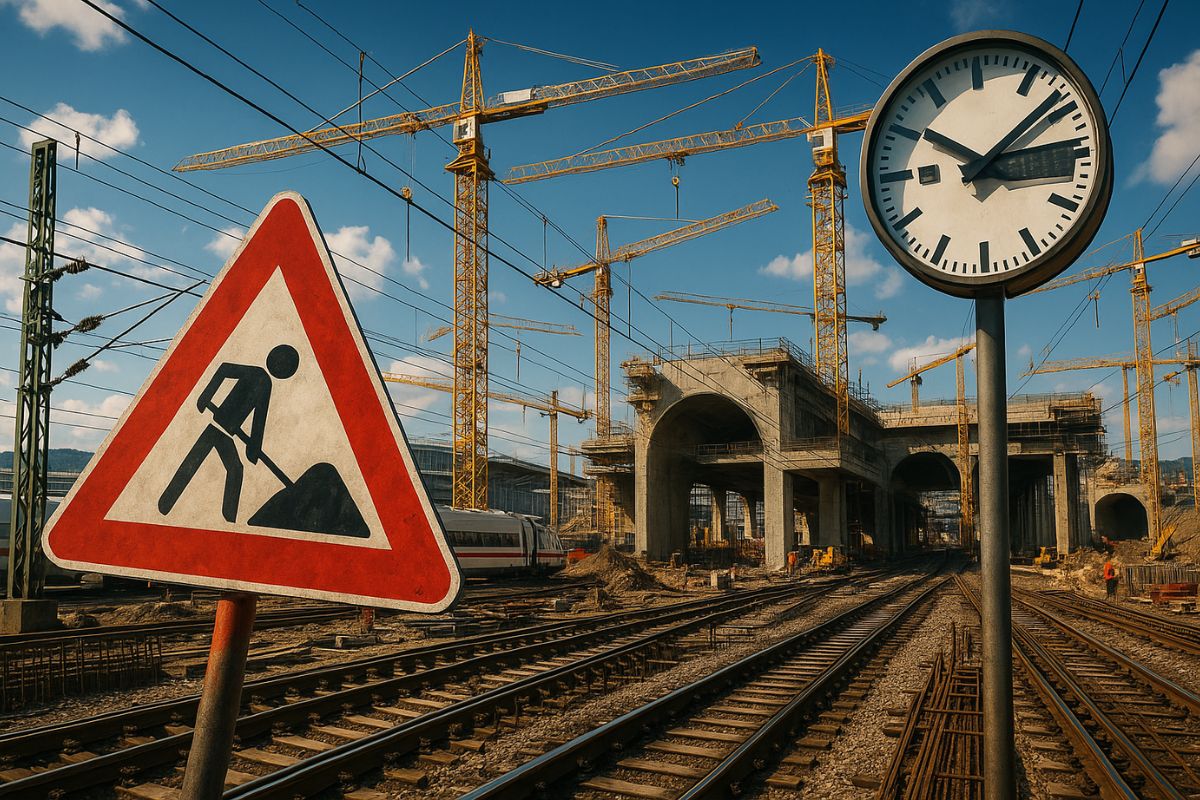
Planned To Modernize The Central Station And Free Up Urban Areas, The Stuttgart 21 Megaproject Accumulates Cost Overruns, Technical Risks And Political Uncertainty, Exposing Weaknesses Of German Engineering And Raising Questions About The Country’s Capacity To Deliver Large Projects On Time, Without A Clear Deadline And Full Confidence.
Initiated in 2010, the Stuttgart 21 Megaproject, in Germany, was marketed as a showcase of modern mobility in Germany, featuring a new underground station, dozens of kilometers of tunnels, and the promise of integrating Stuttgart into European high-speed routes. Nearly fifteen years later, what is presented is a construction site in crisis, marked by stoppages, project revisions, and a budget that already exceeds 11 billion euros, around R$ 67.6 billion.
By transforming the old surface station into an underground transit station, the plan aimed to free up entire areas for parks, new neighborhoods, and real estate developments, repositioning Stuttgart on the map of urban innovation. Instead, the Stuttgart 21 megaproject has become a case study on how delays, political conflicts, and technical challenges can erode trust in large public works, even in one of the richest economies in the world.
What Is The Stuttgart 21 Megaproject And Why Is It So Ambitious

The Stuttgart 21 Megaproject is a broad program for railway and urban reconfiguration.
-
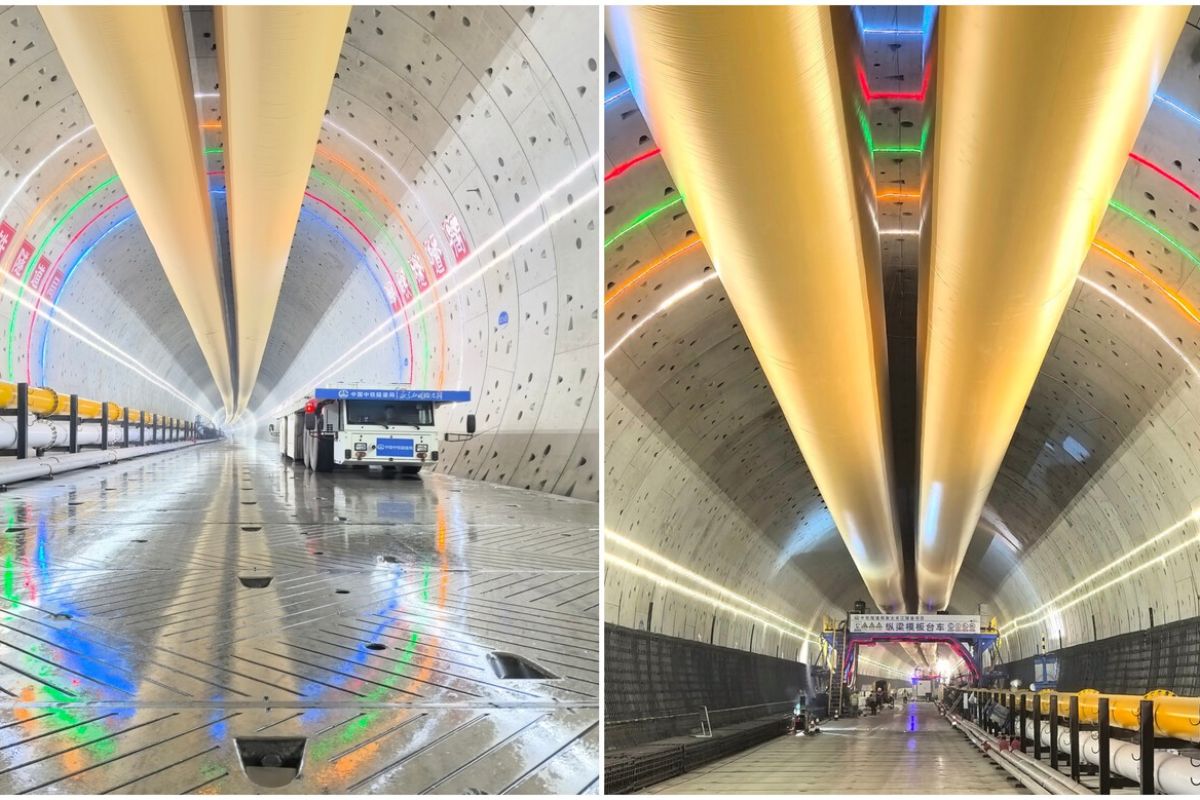
China completes the most critical section under the Yangtze River with the intelligent tunneling machine Linghang, excavating 11.32 continuous kilometers at depths of up to 89 meters and transforming the Chongming-Taicang tunnel into a landmark that redefines the scale of high-speed rail engineering in the 21st century.
-
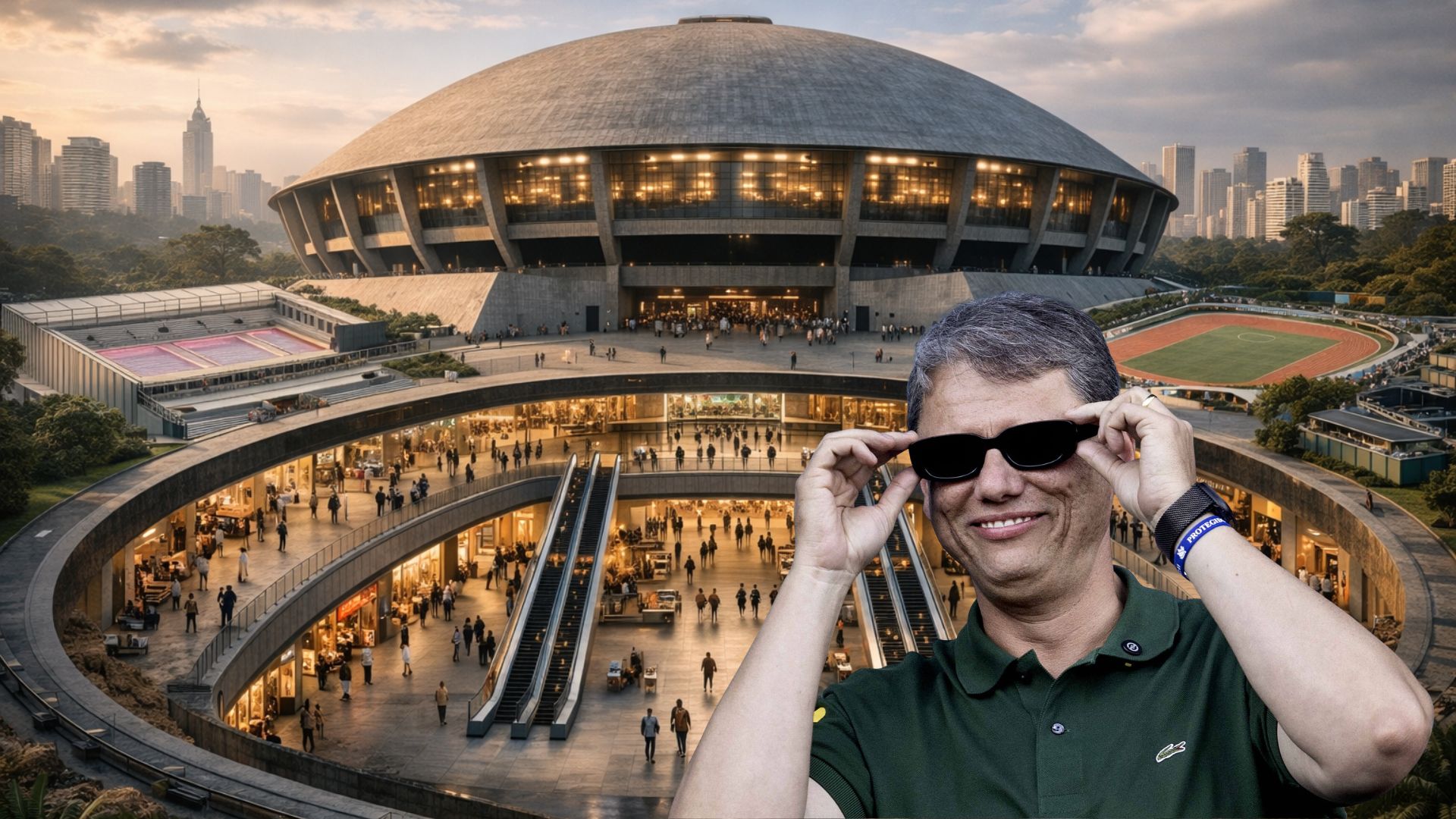
The government of São Paulo surprises South America with a plan to transform the famous Ibirapuera with underground shops, air conditioning, and a 25-year concession in a billion-dollar project that expands the audience, alters a protected area, and provokes an immediate reaction.
-
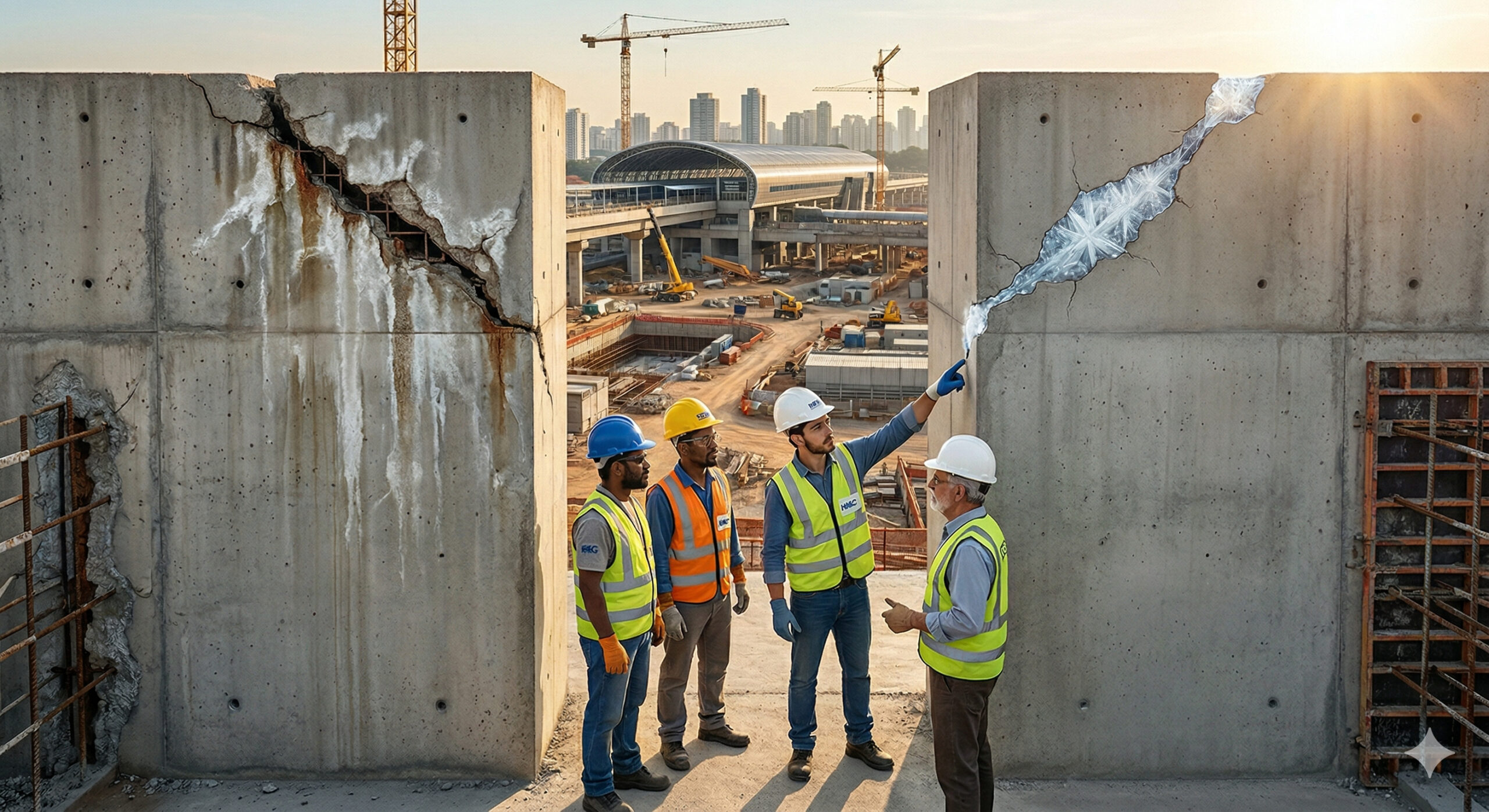
With a lifespan of up to 60 years and a cost up to 30% higher than conventional concrete, self-healing concrete is already being used in Brazil to eliminate leaks, reduce maintenance, and is changing the real cost of construction projects.
-
Engineered wood CLT challenges steel and concrete and promises construction that is up to 2x faster with a lower environmental impact in modern civil engineering.

At its core is the conversion of Stuttgart’s main station into a large underground transit station, connected to a network of new lines and high-capacity tunnels.
The old terminal station, at surface level, is gradually being replaced by buried infrastructure designed to concentrate more trains on fewer tracks.
In numbers, the plan forecasts approximately 57 kilometers of new railway lines and close to 59 kilometers of tunnels, distributed across multiple sections and galleries.
The design includes bridges, viaducts, four new stations, and a main station architecture based on chalice-shaped columns, with skylights for natural light, turning the underground into a bright space with significant visual impact.
In addition to the railway, the project paves the way for a profound urban transformation.
By removing surface tracks and technical areas, the municipality gains space for the expansion of Schlossgarten park, the creation of the Rosenstein neighborhood, and new residential and commercial uses.
In theory, the Stuttgart 21 Megaproject combines mobility, urban requalification, and environmental goals in one package, promising reduced noise, increased green areas, and improved accessibility.
How The Budget Exploded And The Schedule Got Out Of Control
Originally, the Stuttgart 21 Megaproject was presented with an estimated cost of around 4.5 billion euros and a completion schedule in 2019.
In practice, the budget has more than doubled, exceeding 11 billion euros, and the delivery has been postponed multiple times.
The partial inauguration phase is now treated with caution, following new risks to the schedule and yet another stoppage with no set date.
The factors for the cost escalation are numerous.
Engineering adjustments, more complex underground works than estimated, additional environmental protection measures, and increased security reinforcements in tunnels have all contributed to budget pressure.
Each project revision increases costs and reignites political debate, fueling the perception that the Stuttgart 21 megaproject has spiraled out of control, both financially and in management.
On the scheduling side, combining geotechnical challenges, interfaces with the existing railway network, and integration with digital systems has delayed key stages.
With each new technical problem, contracts must be renegotiated, construction windows are replanned, and the impact on railway operations multiplies.
The result is a vicious cycle in which cost and timeline feed into each other.
Engineering, Tunnels And Technical Risks Of The Railway System
The technological heart of the Stuttgart 21 Megaproject lies in the combination of physical infrastructure and railway digitalization.
The new network was designed to allow for high-speed segments, some reaching about 250 kilometers per hour, controlled by systems like the ETCS, the European Train Control System, integrated into a digital hub in Stuttgart.
This technical ambition, however, comes at a price.
Building dozens of kilometers of tunnels in urban and peri-urban areas involves dealing with sensitive groundwater tables, mineral water springs, and strict environmental monitoring requirements.
Drainage systems, containment, and control of deformations in soils and rocks have become critical engineering points, increasing the need for additional studies and complementary works.
In the underground station, the architectural concept of chalice columns and glass domes brings aesthetic and comfort gains, but also structural complexity.
It is essential to ensure fire safety, quick evacuation, adequate ventilation, and full accessibility, all under intense public scrutiny.
At the same time, the integration of tracks, digital signaling, and centralized control systems requires extensive testing, which cannot be expedited without compromising safety.
Urban Impacts, Opportunities And Controversies In Stuttgart
Since it was announced, the Stuttgart 21 Megaproject has divided public opinion.
On one side, supporters see a rare chance to reconnect neighborhoods, expand green areas, and bring the center closer to new fronts of development.
On the other side, opponents point to environmental risks, loss of historical heritage, and questionable priorities compared to other transportation and housing needs.
The 2011 referendum, in which the population voted for the project’s continuation, did not end the debate.
Protests against tree removal in the park, critiques of the future verticalization of liberated land, and questions about who truly benefits from the property valuation remain present in local discourse, even as the work progresses.
At the same time, transforming the railway area into a new urban axis creates opportunities for housing, commerce, and high-standard services.
The central question is how to ensure that the gains do not concentrate solely among investors and higher-income groups.
The design of complementary urban policies will be crucial to translate the infrastructure into broader social benefits.
What The Stuttgart 21 Megaproject Reveals About German Infrastructure
Far beyond Stuttgart, the Stuttgart 21 Megaproject has come to symbolize Germany’s difficulty in modernizing its infrastructure.
The combination of delayed trains, aging bridges, lengthy projects, and slow expansion of networks such as the internet paints a picture of frustration with the country’s execution capacity.
Each new delay reinforces the sense that licensing processes, political disputes, and fragmented management render large projects excessively slow and costly.
For critics, Stuttgart 21 is a portrait of a model that no longer responds to the speed demanded by the energy transition, digitalization, and international competition in logistics and transportation, even when financial resources are available.
For supporters, the project can still deliver significant gains in railway capacity, reliability, and urban redevelopment, provided it is completed with technical rigor and transparency.
In this scenario, how Germany concludes the cycle of works in Stuttgart is likely to influence confidence in future large-scale initiatives, both within and outside the railway sector.
Next Steps And An Open Future
The new leadership of Deutsche Bahn, with a newly appointed CEO, inherited a Stuttgart 21 Megaproject in an advanced stage, but surrounded by doubts about dates, final costs, and residual risks.
Officially, the intention to complete the underground station and the main tunnels remains, but public communication is already avoiding rigid promises of timelines following the new stoppage and technical revisions.
Until the first full operation begins, the project will remain under scrutiny by passengers, residents, specialists, and politicians.
If the Stuttgart 21 megaproject ultimately delivers an efficient station, more trains per hour, expanded green spaces, and a functional new neighborhood, part of the negative narrative may be reversed.
If, on the contrary, costs continue to rise and benefits take time to materialize, the case is likely to cement the image of an infrastructural crisis in the delivery of German infrastructure.
Given so many delays, budget overruns, and uncertainties, what is your take: Does the Stuttgart 21 Megaproject still make sense as a long-term bet for Germany or has it become a classic example of a project that has passed the point of no return?









-

-

-

4 pessoas reagiram a isso.