





 Portuguese
  English
  Spanish
  6 min of reading
  0 comments



Among The Shelves Of A Small Store In Victoria, The Man Who Works 365 Days A Year Serves Distracted Tourists, Adds Nostalgia For His Family In India, And Transforms An Exhausting Routine In Seychelles Into A Cruel Portrait Of Migration, Sacrifice And Silent Survival That Few People See Or Want To See
He landed in Seychelles seeking income and stability, but ended up becoming the man who works 365 days a year, without a break, holiday, or weekend. In a capital almost paralyzed by a national holiday, the small store where he works is one of the few doors open, giving the impression that professional time never ends for those who live behind the counter.
Far from his wife and daughter in India, he faces shifts that start around six in the morning and only end at night, sleeping about five hours a day. Between quick service, conversations in Creole, and the constant need to please customers, what seems like just another retail job reveals a routine of silent resistance, sustained by financial obligations, emotional distance, and the complete absence of real rest.
Who Is The Man Behind The Counter
The protagonist of this story is a migrant worker from Tamil Nadu, in southern India, who now lives alone in Seychelles, Hari Haran.
-
Santa Catarina produces up to 7 times more than it consumes in some sectors, and its century-old industries founded by grandparents and great-grandparents now compete on equal footing with Germany and the United States in the international market.

-
U.S. war giant weighing 9,600 tons and equipped with long-range missiles is sent to the Atlantic to protect global internet and hunt submarines.

-
Storms on Jupiter are up to 100 times more powerful than on Earth and reveal extreme phenomena that challenge everything we know about weather.

-
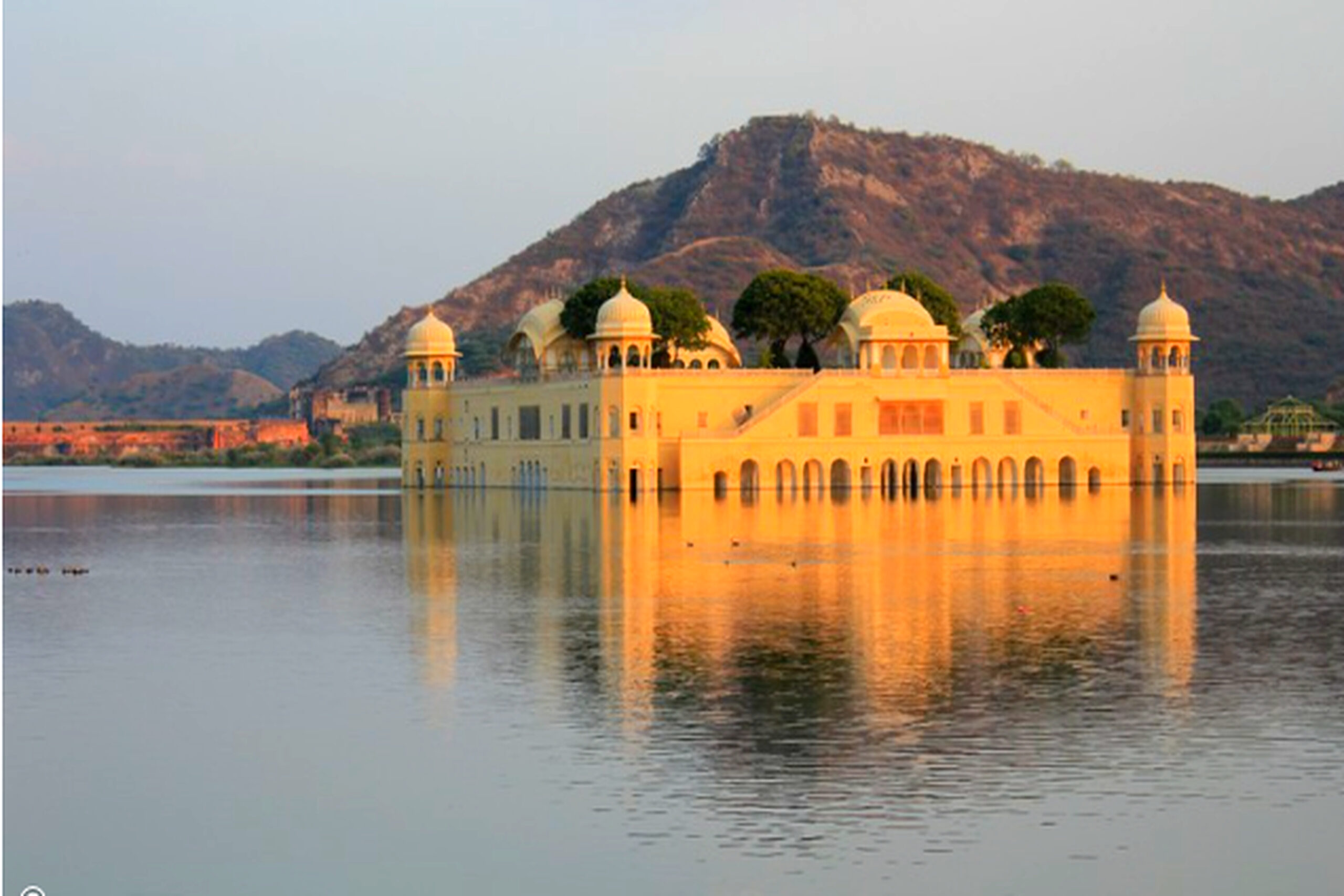
With five floors, the building made of red sandstone, marble, and limestone surprises with its strength, appears to float, and remains stable even when submerged in water, thanks to its hydraulic engineering.

Far from home, he exchanged daily interaction with his family for a continuous work rhythm, in an island country that many associate with vacations, luxury, and postcard landscapes.
In practice, the perspective of the man who works 365 days a year is the opposite of the tourist experience.
While visitors circulate for a few days, take photos, and return home, he remains in the same store, in the same neighborhood, facing the same flow of customers and issues, day after day.
The paradise island, for him, is above all a place of uninterrupted effort.
Learning the local Creole was more a necessity than a hobby. In a few months, he mastered enough to negotiate, greet customers, guide them, and create a bridge of communication with those who come in and out of the store.
This mastery of the language, built through practice, reinforces the forced adaptation of someone who needs to integrate quickly to maintain employment and ensure money remittances home.
The Routine Of A Man Who Works 365 Days A Year


The description of his daily life is straightforward: he opens the store early, around six in the morning, and closes the shift only around ten or eleven at night.
In this interval, there is no formal break for prolonged rest, nor any provision for a weekly day off.
The entire calendar is consumed by work, including Sundays and holidays when the rest of the city usually stops.
When asked about illness or fatigue, the answer is simple and harsh. There is no room to get sick, no margin to “sit out” for a day.
The logic is clear. If the man who works 365 days a year stops, there is no income, no sending money to India, no way to support his family from afar.
The body becomes a resource that cannot fail.
Between purchases, he organizes shelves, manages the cash register, responds to quick requests, and keeps the store running continuously. The store is small, but the flow is constant.
Each customer guarantees a few rupees, each hour open can make a difference at the end of the month, which helps explain why rest has been pushed out of the equation.
The lack of a break is not only physical but also mental.
The workspace is the same social space, and much of his life happens there: conversations, observations, moments of boredom.
The environment becomes an extension of his own identity, even though that identity is marked by permanent effort.
Distance From Family And The Invisible Cost Of Sacrifice
While he serves tourists, locals, and other workers, his wife and daughter remain in India, thousands of kilometers away.
He speaks of them fondly, but also with resignation. The choice to migrate, to work outside, and to accept being the man who works 365 days a year was born out of the need to ensure education and stability for his family.
There are no regular return trips. Without breaks, it’s hard to set aside time and money for long travels.
The relationships are maintained through phone calls and quick conversations, mediated by internet signal and time zone.
The physical presence has been exchanged for a presence at a distance, sustained by the promise that today’s sacrifice will allow for a better life tomorrow.
This arrangement creates a kind of divided life.
On one side, the isolated routine on an island centered on work; on the other, the family life that continues in another country, with significant milestones that he follows only through stories.
Birthdays, graduations, small achievements, and everyday problems come as news, not as lived experiences together.
The story exposes a recurring pattern of labor migration: separated families, money remittances, uncertain returns.
In the specific case of the man who works 365 days a year, this pattern is taken to the limit, as there are no vacations or planned breaks, just the continuity of effort.
Among Customers, Drugs And Tension In The Streets
The work is not limited to routine service. He also coexists with an urban environment that, according to reports, faces serious problems with heroin and other drugs.
Local estimates indicate that a significant portion of the population grapples with this issue, and this materializes at the store’s door.
Street fights, visible drug transactions, and tense situations are part of the daily scene.
The same counter that serves chocolates, water, and basic items is also an improvised barrier against insecurity. He learns to deal with difficult customers, users in crisis, and risky moments with a mixture of calm and adaptability.
These episodes reinforce the idea that the work is not only exhausting in hours but also in emotional load.
The man who works 365 days a year must remain alert, negotiating with different types of people, without allowing himself to fully disengage.
The fatigue is not only physical; it is also psychological.
Even so, he maintains a smile, responds politely, and strives to preserve the normality of the routine.
To those who enter the store quickly, everything may seem like just another neighborhood shop.
To those who observe closely, it is a point of constant tension in a territory marked by inequality and social vulnerability.
Work, Privilege And The Illusion Of Paradise
The contrast between the tourist image of Seychelles and the reality of those who live from continuous work is evident.
While some arrive at the island for vacations, he remains there, bound to a schedule that allows no breaks.
The idea of paradise dissolves when seen through the eyes of an exhausted migrant, who measures time in hours behind the counter, not in days of rest by the seaside.
Listening to the story of the man who works 365 days a year is both a portrait of globalization and an uncomfortable reminder of privilege.
Many people can choose jobs, negotiate vacations, change fields. Others, like him, accept extreme conditions to maintain the income that supports a distant family.
For those watching from the outside, the story serves as a mirror. It exposes how easy it is to normalize long hours, tight pay, and lives crossed by distance, as long as it occurs far from our immediate circle.
The effort of a worker like him feeds consumption chains that go unnoticed by those who merely use the service.
In the end, the central question is not just how he endures but why economic and social structures allow and depend on such a harsh rhythm.
The story, captured in a simple conversation, shows that behind every open store on a holiday there may be a biography marked by profound renunciations.
Could you face the life of the man who works 365 days a year, far from his family, without rest and without a foreseeable break, or at what point would you say the cost has become too high?








-

-

-

-

7 pessoas reagiram a isso.