





 Portuguese
  English
  Spanish
  5 min of reading
  0 comments


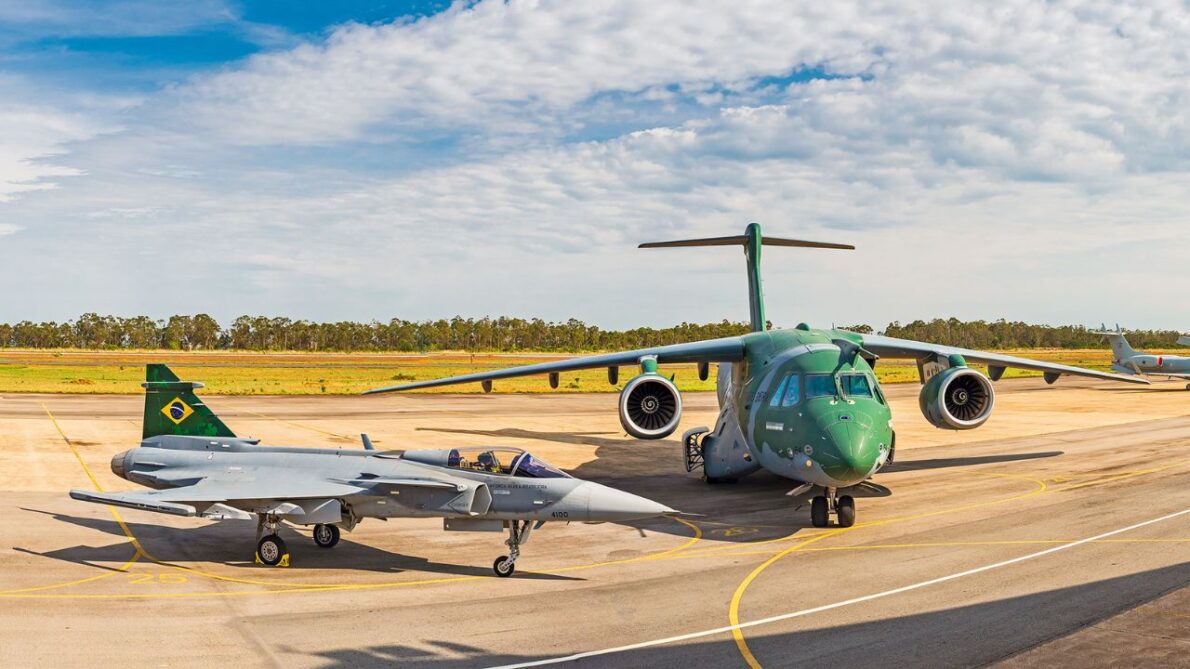
The Largest Military Investment In Brazil’s History: 57.2 Billion Reais To Revolutionize Air Defense And Double Its Fleet With Gripen Fighters And C-390 Planes!
In a historic step toward strengthening national defense, Brazil announced an ambitious plan to double its air fleet with an investment of 57.2 billion reais. This effort includes the acquisition of Gripen fighters and C-390 planes, providing the Brazilian Air Force (FAB) with unprecedented technological and operational capabilities in the country.
An Unprecedented Investment Program
The Brazilian government, led by President Luiz Inácio Lula da Silva, plans to allocate a total of 57.2 billion reais, which is approximately 10.6 billion dollars, to research, development, and acquisition of military equipment projects. Within this budget, one of the main focuses is the expansion of the Gripen fighter fleet and supporting local aeronautical projects, such as the development of air refueling aircraft by Embraer, the domestic manufacturer.
This announcement, made in August 2023, is part of the relaunch of the Growth Acceleration Program (PAC), an initiative that had already been implemented during Lula da Silva’s two previous terms from 2002 to 2010. The PAC aims to revitalize and strengthen various key areas for the country’s development, with a special focus on defense. The overall program projects a total spend of 1.7 trillion reais across various sectors, including defense as a fundamental pillar for national security and sovereignty.
-
Premium Brazilian brand born during the pandemic brings fine cocoa from Bahia to Switzerland, Germany, and France, has won 9 awards, and claims to have the 2nd best milk chocolate in the world: meet Luz Cacau.

-
Júnior Friboi has just purchased one of the largest feedlots in all of Brazil, located in Goiás, with the capacity to produce 180,000 cattle per year, and the manager has already come forward to reassure employees about layoffs.

-
Pharmacy inside the supermarket: what changes now in your purchase, why medicines won’t go on the shelves, which rules remain strict, mandatory pharmacist, separate space, controlled storage, more convenience and competition in the country.

-
Ports like Santos and Paranaguá are operating at their limits and may block containers as early as 2030, warns a study by Macroinfra; bottlenecks increase costs and delays and push cargo to Rio, Salvador, Pecém, and Suape across Brazil.


The PAC And Its Relevance In Defense
The PAC was designed as a federal investment program that does not require Congressional approval, as it is directly funded with government resources, in addition to contributions from states and the private sector through concessions. However, the defense sector primarily depends on public funds, which may present long-term financial challenges. According to Cristiano Noronha, vice president of the consulting firm Arko Advice, specialized in political intelligence and strategic analysis, the success of this ambitious program will depend heavily on the government’s fiscal capacity.
“The government has made budget cuts over the years, so the feasibility of these projects will depend on factors such as controlling public spending and the economic growth of the country,” Noronha explained in an interview with the specialized outlet Defense News. He added that, although the PAC plan represents a great opportunity, it can also be seen as a “statement of intentions” if the fiscal and bureaucratic obstacles that typically hinder large public projects are not overcome.
Gripen Fighters: Modernizing The Combat Fleet
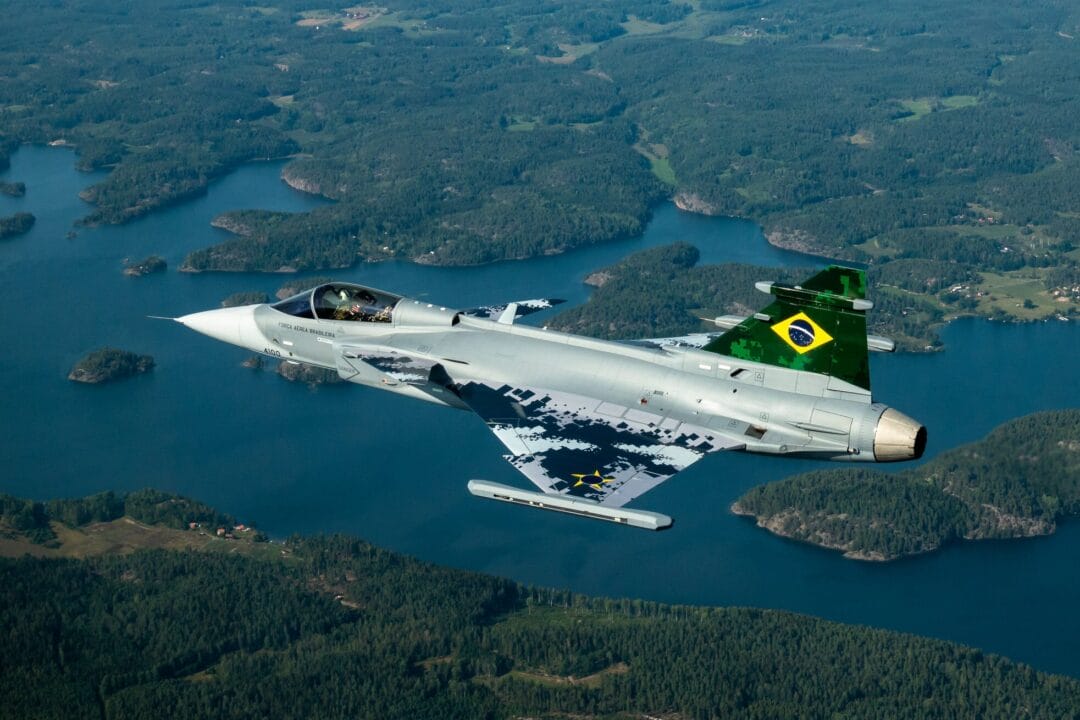
One of the most prominent components of the plan is the production and acquisition of 34 F-39 Gripen fighters, which will practically double the current fleet of the Brazilian Air Force. Brazil signed an initial contract of 5.04 billion dollars with the Swedish manufacturer Saab in 2014 for the purchase of 36 Gripen fighters, with deliveries expected by 2027. However, in 2022, the agreement was expanded to include four additional units, totaling 40 aircraft. investment
So far, Brazil has received six Gripen, four of which are already in operation. A key part of this agreement is the technology transfer between Brazilian and Swedish engineers, allowing Brazil not only to receive the aircraft but also to produce some of them domestically. According to the agreement, 15 of the fighters will be assembled at Embraer’s factory located in Gavião Peixoto, São Paulo state. The inauguration of the Gripen production line at this facility took place in May 2023, marking an important milestone in the technological cooperation between Saab and Brazil.
The Minister of Defense, José Mucio Monteiro Filho, highlighted that the renewal of the fighter fleet is one of the main projects of the PAC. “The Gripen is the most modern combat aircraft in Latin America. This acquisition will allow Brazil to significantly increase its air defense capability, which is crucial given the size and territorial complexity of the country,” the minister stated at a press conference.
Expansion Of The C-390 Millennium And New Strategic Capabilities
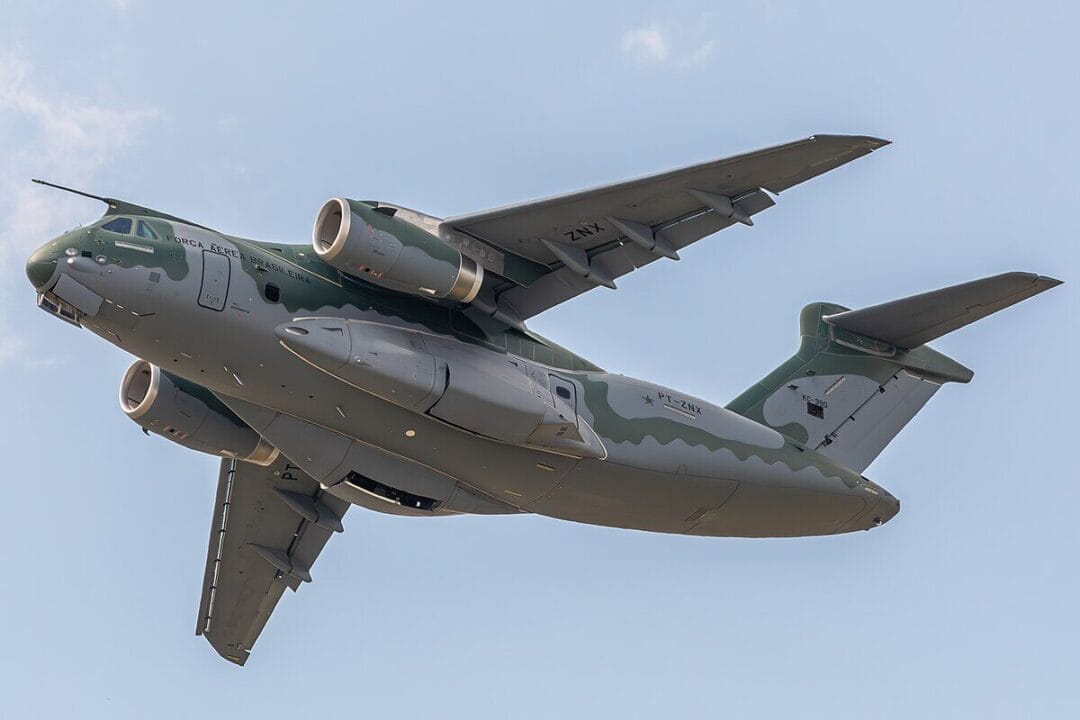
In addition to the Gripen fighters, another essential project under the PAC is the acquisition of nine C-390 Millennium aircraft, manufactured by Embraer. Initially known as KC-390, these planes represent one of the most advanced platforms in terms of military transport and can be adapted to fulfill various functions, including air refueling. Embraer is also working on developing a new version of the C-390 specifically for refueling missions.
Minister José Mucio Monteiro Filho highlighted the versatility of the C-390 during the PAC announcement. “It not only plays a fundamental role in the military context, but the C-390 can also be used in humanitarian aid missions both nationally and internationally, supporting emergency situations and combating fires,” he explained.
The C-390 has been recognized internationally for its ability to operate in multifunctional missions and its advanced technology. This aircraft has already been selected by various air forces around the world, reinforcing Embraer’s reputation as one of the leading manufacturers of military and commercial aircraft globally.
Airbus A330 Aircraft: Beyond Military Transport
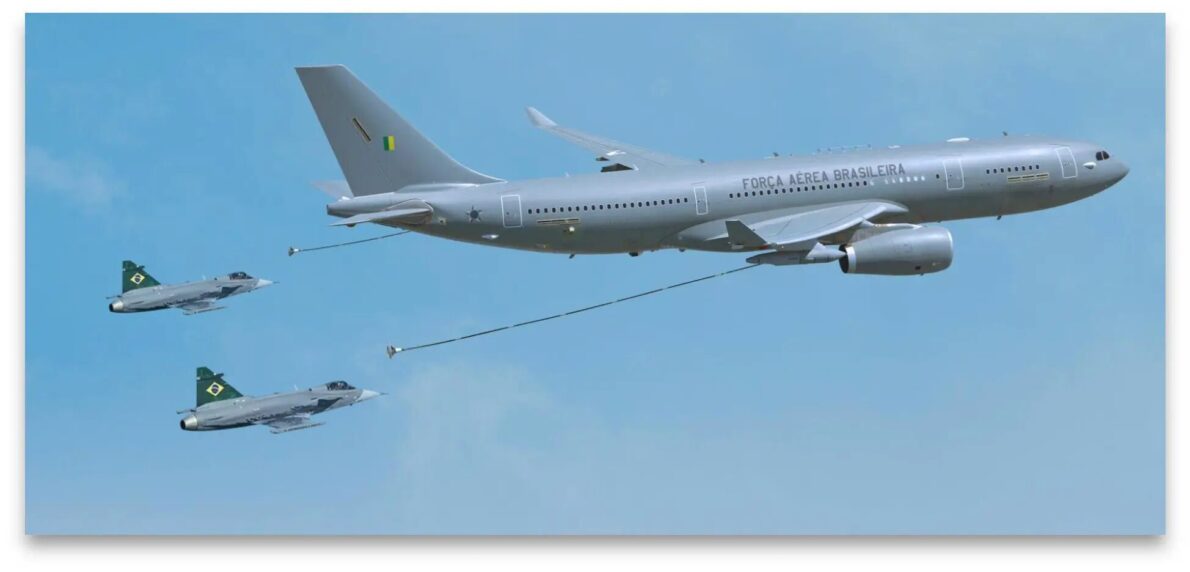
The Brazilian government also revealed plans to convert two Airbus A330 aircraft into platforms that can perform both air refueling and aeromedical transport functions. These aircraft will be aimed at supporting military and civilian operations, expanding the Air Force’s response capability in various situations.
This decision to convert the Airbus A330 responds to the need for a more flexible fleet that can be used in strategic missions, not only in a military context but also in rescue and medical assistance operations over long distances.
A Future Of Investments For Brazilian Defense
With these acquisitions and the significant increase in the capabilities of the Brazilian Air Force, the government of Lula da Silva aims to strengthen the defense of the country, ensuring that Brazil is at the forefront of military technology in Latin America. Although the success of the PAC depends on economic and fiscal factors, the plan has the potential to transform the military structure of the country, enhancing its deterrent and response capabilities in an increasingly complex global scenario.
The strengthening of the Air Force with aircraft such as the Gripen and the C-390 reinforces Brazil’s commitment to its sovereignty and its ability to project air power in the region, ensuring that the country is prepared for the challenges of the 21st century.









Seja o primeiro a reagir!