





 Português
  Inglês
  Espanhol
  7 min de leitura
  0 comentários


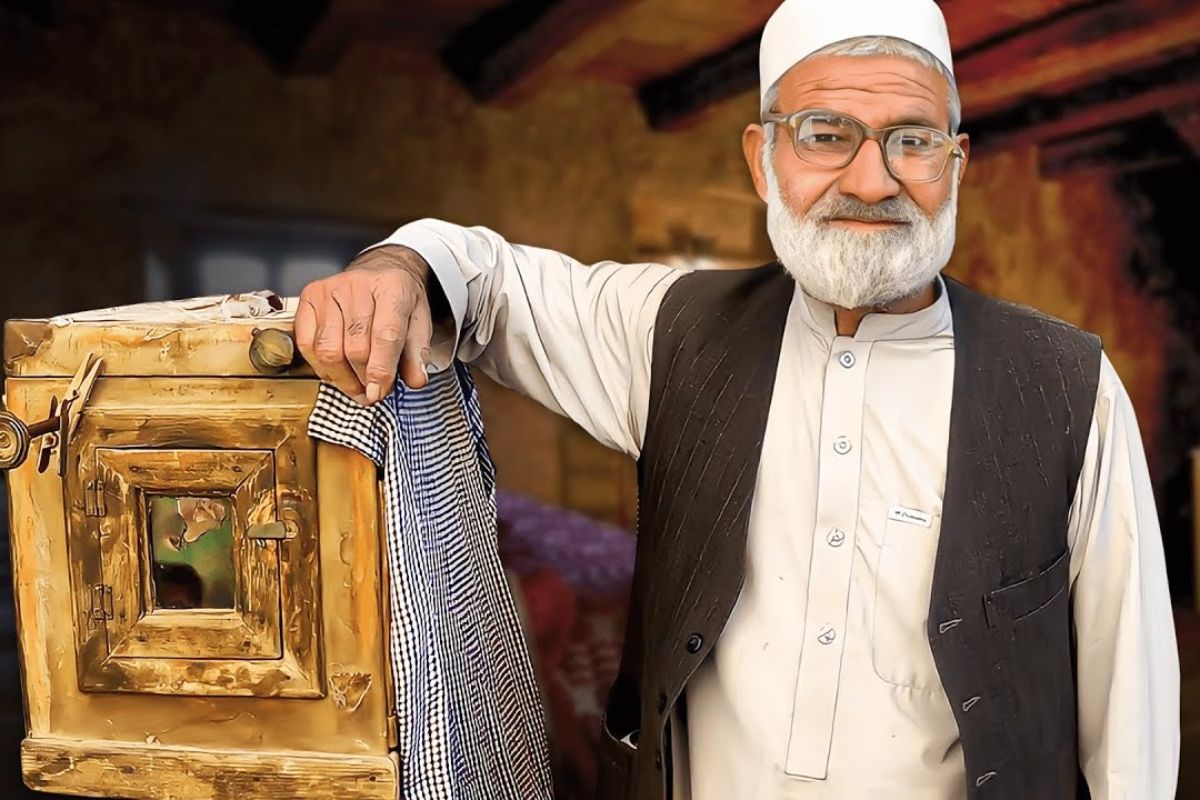
With A Centenary Handmade Box Camera, Haji Resists Oblivion In Kabul, Lives Off Portrait Photography, Reveals Manual Chemical Processes, And Transforms Each Client Into A Unique Historical Document In Contemporary Afghanistan. While Smartphones Dominate Around Him, He Remains Focused On The Handmade Lens.
As you walk through the streets of Kabul, Afghanistan, meeting Haji breaks the logic of a capital overtaken by smartphones and digital files. In a small workspace, he places the centenary handmade camera in front of a simple stool, asks for absolute silence, and initiates a ritual that blends technique, memory, and patience.
The visitor sits, the light is adjusted, the framing is measured by eye, and time seems to turn back decades. No electronic viewfinder, no preview screen. Each portrait depends on manual control of the light, chemicals, and photographic paper, as if each image were a unique, unrepeatable experiment, deeply material.
The Last Photographer In Kabul And The Survival Of The Centenary Handmade Camera

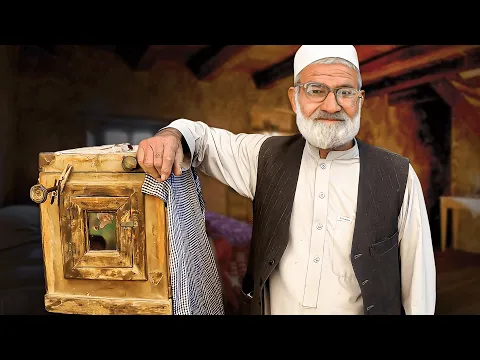
Haji is described as the last professional actively working in Kabul who still uses this type of box camera for portraits.
-
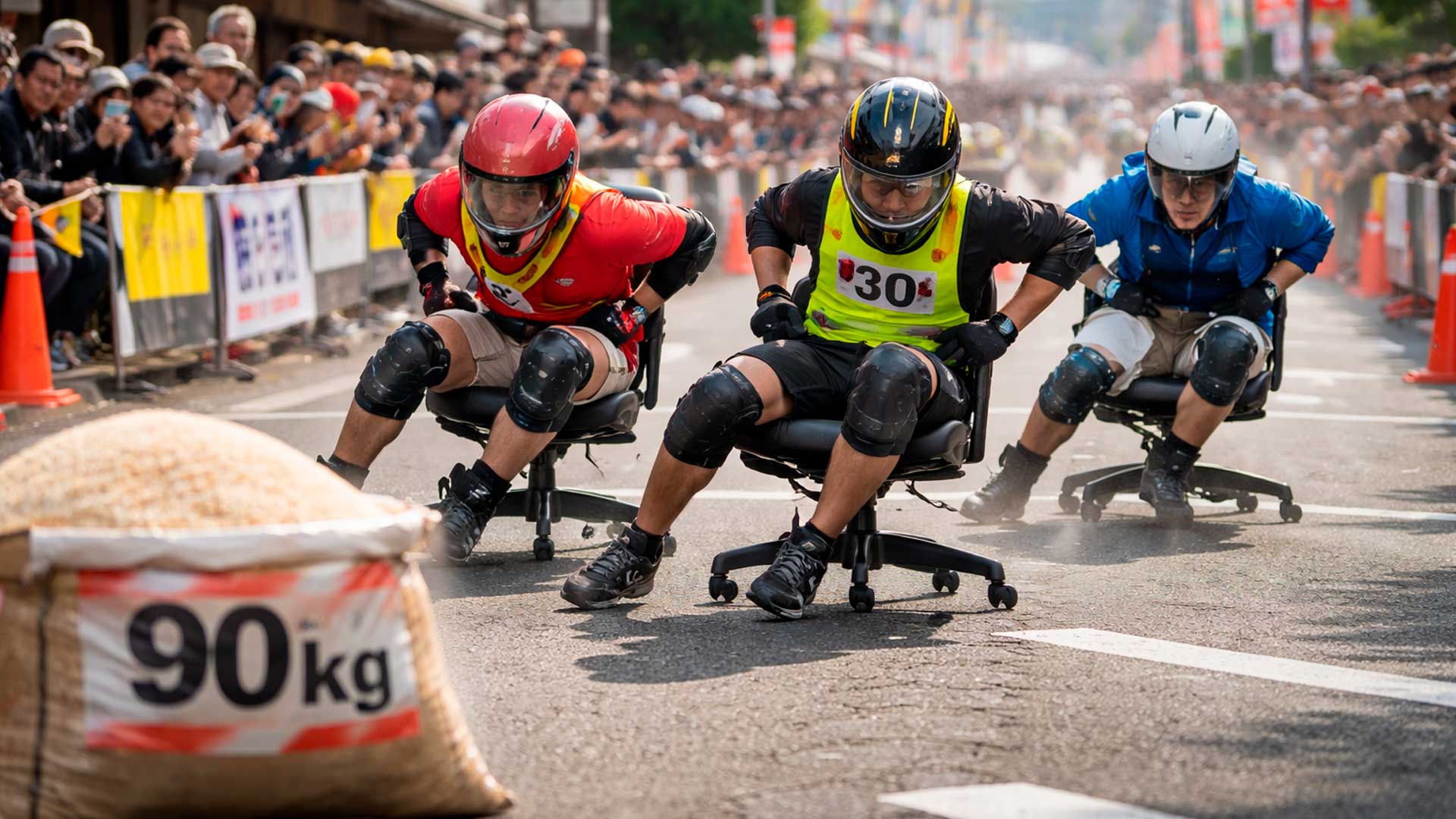
With an unusual prize, Japan transforms office chairs into a resistance race on the streets, ISU-1 Grand Prix grows, fills stages, and pays 90 kilograms of rice.
-
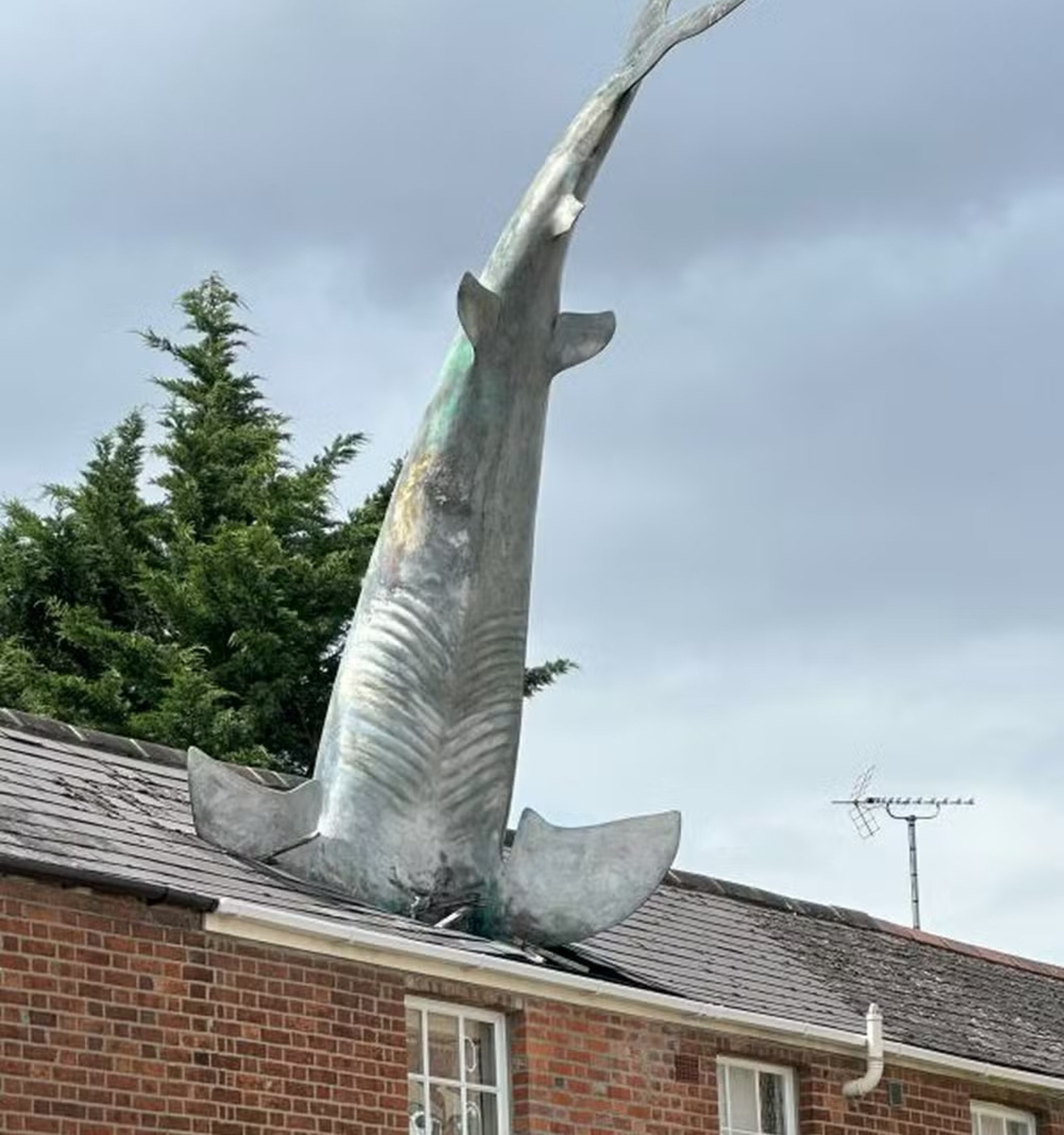
House in England with a 7.6-meter shark embedded in the roof attracts attention worldwide and becomes a curious attraction in Oxford.
-
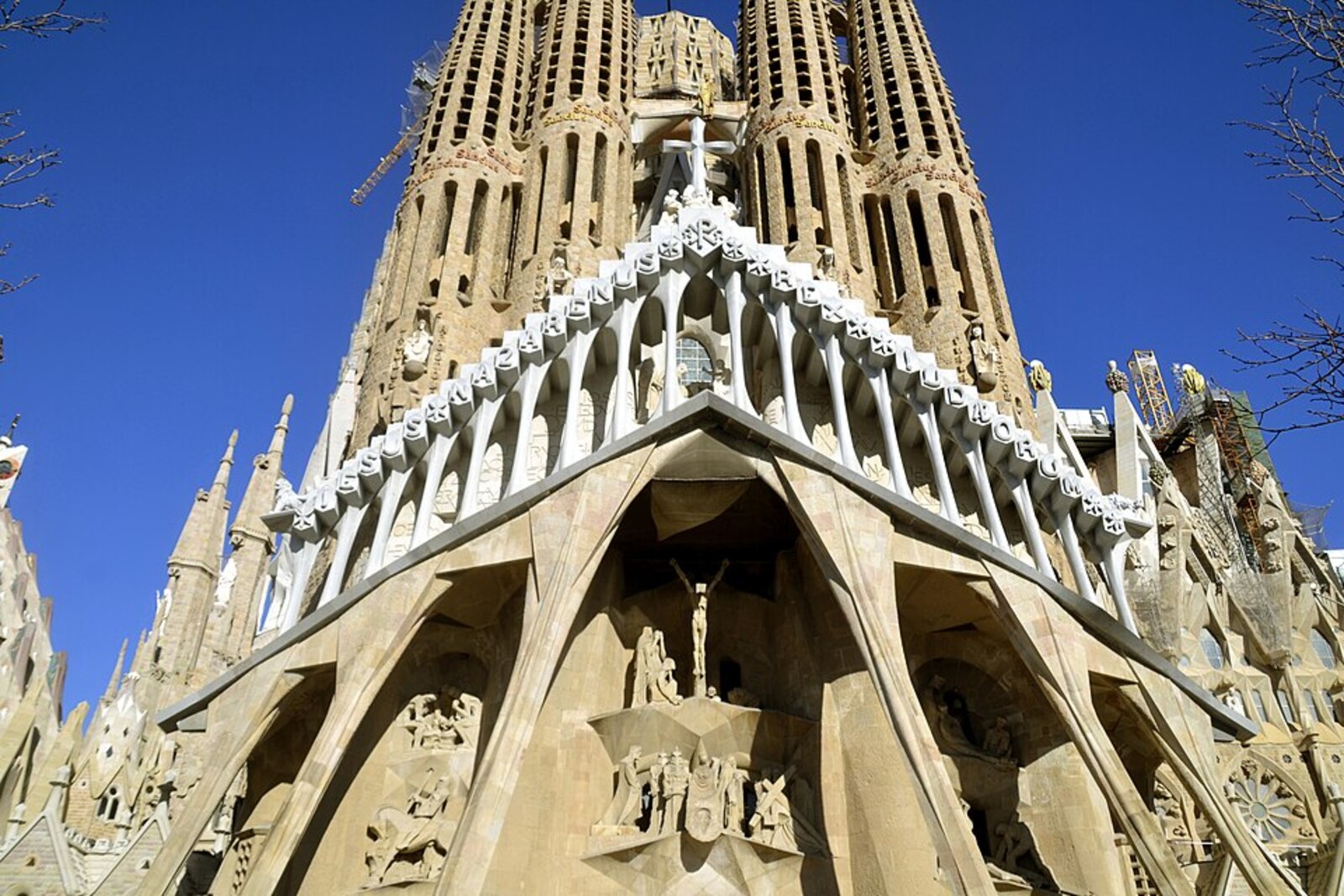
Masterpiece in Spain, under construction since 1882, receives 4.8 million visits in a year and impresses with its gigantism and architecture.
-
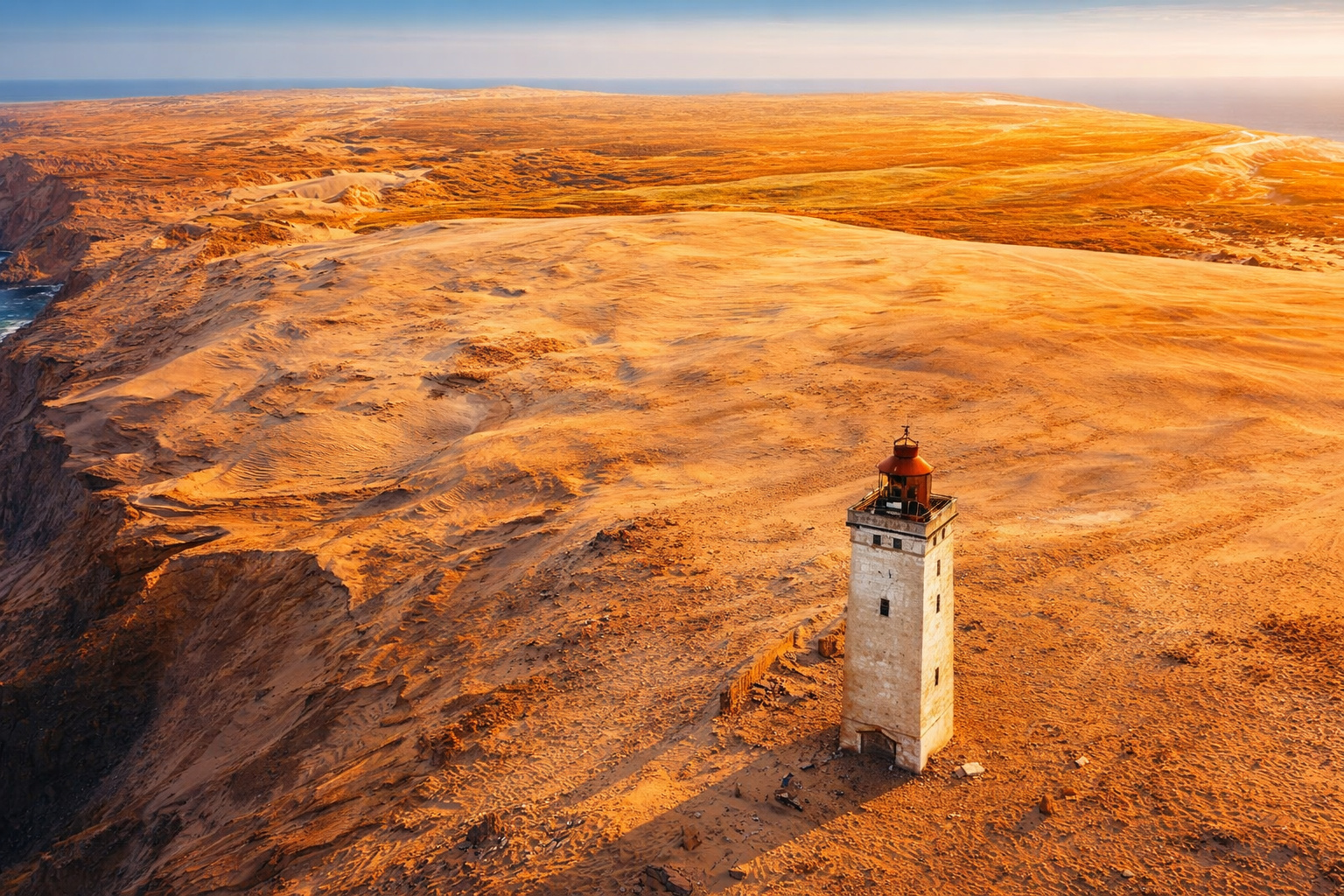
Attracting around 250,000 people a year, a lighthouse 200 meters from the sea, on a 60-meter high cliff, on the North Sea coast in Denmark, becomes one of the most impressive examples of how nature can threaten historical buildings.

In the heart of Afghanistan’s capital, where the circulation of smartphones and digital cameras is widespread, he continues to work daily with a centenary handmade camera, inheriting a technique that has crossed generations.
He learned the trade from a cousin, when he was still young, over five decades ago.
Since then, the box camera and the small studio have become his main profession, ensuring income and supporting his family through various times.
For about 55 to 56 years, the photographer has maintained the same routine: setting up the camera, preparing the paper, controlling the chemistry, and delivering black-and-white portraits.
In a scenario where Kabul faces constant political, economic, and technological changes, the presence of this photographer working with a 100-year-old box camera is also a silent record of continuity.
Haji’s workshop serves as a link between analog Afghanistan and connected Afghanistan, without him abandoning the methods he learned at the beginning of his career.
How The 100-Year-Old Box Camera Works In Kabul

The centenary handmade camera used by Haji is a large format box camera that combines capturing and developing in a single device.
The exterior resembles a wooden piece of furniture, but inside there is a structure that allows focusing, exposing, and developing the portrait directly on photographic paper.
The process begins by framing the client’s face. Haji adjusts the box camera until the image is in focus, using a simple and entirely manual optical system.
When the angle is correct, he performs the exposure and then shifts the photographic paper to an internal area of the camera itself.
Inside the box, in a dark environment, the paper is positioned against glass and reacts to the chemicals.
The image gradually appears on the paper, in black and white, a direct result of the combination of exposure time, solution concentration, and the photographer’s accumulated experience.
There is no sensor, no memory card, and no subsequent editing in software.
After the initial development, the paper still needs to be processed and fixed correctly.
In some cases, the material is taken to a local camera shop for finishing and additional copies.
Even so, the core of the process remains under Haji’s control, who masters the box camera and understands each step as part of a unique, artisanal flow dependent on his own technical decision.
A Whole Career Shaped By Chemistry, Portraits, And Artisan Discipline

Haji’s journey as a photographer in Afghanistan tracks the evolution of photography in the last century.
At first, the demand was focused on formal portraits, photos for documents, and family images.
He produced passport photos, cards, and enlarged portraits, adjusting the price according to the size and complexity of the work.
In the early years, all images were in black and white.
To cater to an audience wanting more vibrant portraits, the photographer himself manually colored some photos, applying pigments over the finished copies.
The combination of the centenary handmade camera with manual coloring techniques required precision, patience, and an understanding of photographic chemistry, bringing his routine closer to a lab than to a modern conventional studio.
Over the decades, digital photography advanced in Kabul and other Afghan cities.
New cameras, instant printers, and high-resolution smartphones reduced the demand for analog portraits.
Haji noticed a decline in clientele but maintained the practice with the box camera, both for professional identity and for emotional attachment to the equipment and technique.
For him, old photography is more than a service.
It is a set of complex decisions that begins with the choice of paper, goes through exposure time, and ends with the development inside the camera.
In his own words, the challenge and complexity of this method are part of the profession’s charm, something he does not find in the simplicity of the digital click.
Tradition, Memory, And Critique Of Digital Photography In Afghanistan
Haji acknowledges that new technologies have made access to images easier in Kabul and other parts of Afghanistan.
However, he sees digital photography as an excessively simple process, where anyone holds a cellphone, touches the screen, and produces dozens of files in seconds.
In his view, this dilutes the value of the photographic act.
With the centenary handmade camera, each portrait demands planning, calculation, and risk.
There is no way to review the photo on the spot, nor delete and take another without cost.
The mistake means losing paper, chemicals, and time, which keeps technical discipline at the center of the activity. For Haji, this difficulty is precisely what makes analog photography interesting.
At the same time, he does not position himself as a principled opponent of technology.
He admits that digital cameras allow colorful results, good quality, and much more agility.
What bothers him is the loss of depth in the process and the reduction of photography to a repeated, almost automatic gesture.
In this contrast, the figure of the photographer in Kabul helps explain a broader tension in Afghanistan: the coexistence of traditional practices, linked to manual work, and rapid modernization, which arrives through imported devices, social media, and digital information flows.
The Camera Collection And The Historical Value Of A Dying Profession
In addition to the centenary handmade camera he uses daily, Haji keeps, in the attic of his house, a collection of old cameras and accessories accumulated over decades of work.
The space serves as a technical and emotional archive, filled with equipment that has once been in use and today are, in practice, museum pieces.
At one point, someone attempted to buy the entire set of cameras for a considerable amount, but the collection remained with him.
For the photographer, it is not just a matter of work objects.
Each camera holds a part of the history of photography in Kabul and Afghanistan, as well as memories of clients, urban scenes, and different phases of the country.
Among the most symbolic images associated with his collection is a photo of an old king of Afghanistan, considered a reference and reproduced in various locations.
The presence of this original portrait reinforces the documentary character of what Haji does. His photographs are not just personal memories, but material that transcends generations and helps compose the visual memory of a transforming country.
Inside his home, the reception of visitors follows the traditional Afghan standard.
The photographer offers tea, fruits, and a communal space in a large room, covered by carpets, where there are no sofas, but areas for resting and conversing directly on the floor.
The simply domestic environment contrasts with the historical weight of the box camera and the collection stored upstairs.
What The Resistance Of The Centenary Camera Reveals About Today’s Afghanistan
The persistence of a single photographer using a centenary handmade camera in Kabul is not just a curious case of old technology in use.
It highlights how, even in contexts of rapid digitalization, manual practices can survive and retain cultural, symbolic, and even economic value.
While many residents of Afghanistan grow accustomed to seeing the world through cellphone screens, Haji continues to offer a portrait that requires physical presence, waiting time, and direct interaction.
The client must be there, sit, maintain posture, and trust the photographer’s knowledge, creating a completely distinct experience from that of a selfie or instant capture.
At the same time, history shows that professions based on complex techniques and specific equipment can become rare in a few decades.
The very existence of this photographer as the “last” of his generation with this type of box camera indicates a frontier: either the technique is documented and recognized as heritage, or it risks disappearing silently.
In a country that undergoes successive cycles of conflict, reconstruction, and political reconfiguration, each preserved trade serves as a point of continuity.
Haji’s centenary handmade camera is not just a work tool, but a symbol of resistance to a way of seeing, recording, and telling stories, even without screens, filters, or cloud storage.
And you, would you dare to take a portrait on a box camera that is over 100 years old, or do you prefer to rely solely on quick smartphone photos in your daily life?






-

2 pessoas reagiram a isso.